From Companion to Pack Leader: Key Distinctions in Dog Ownership
Morgan Green
Understanding Canine Nature
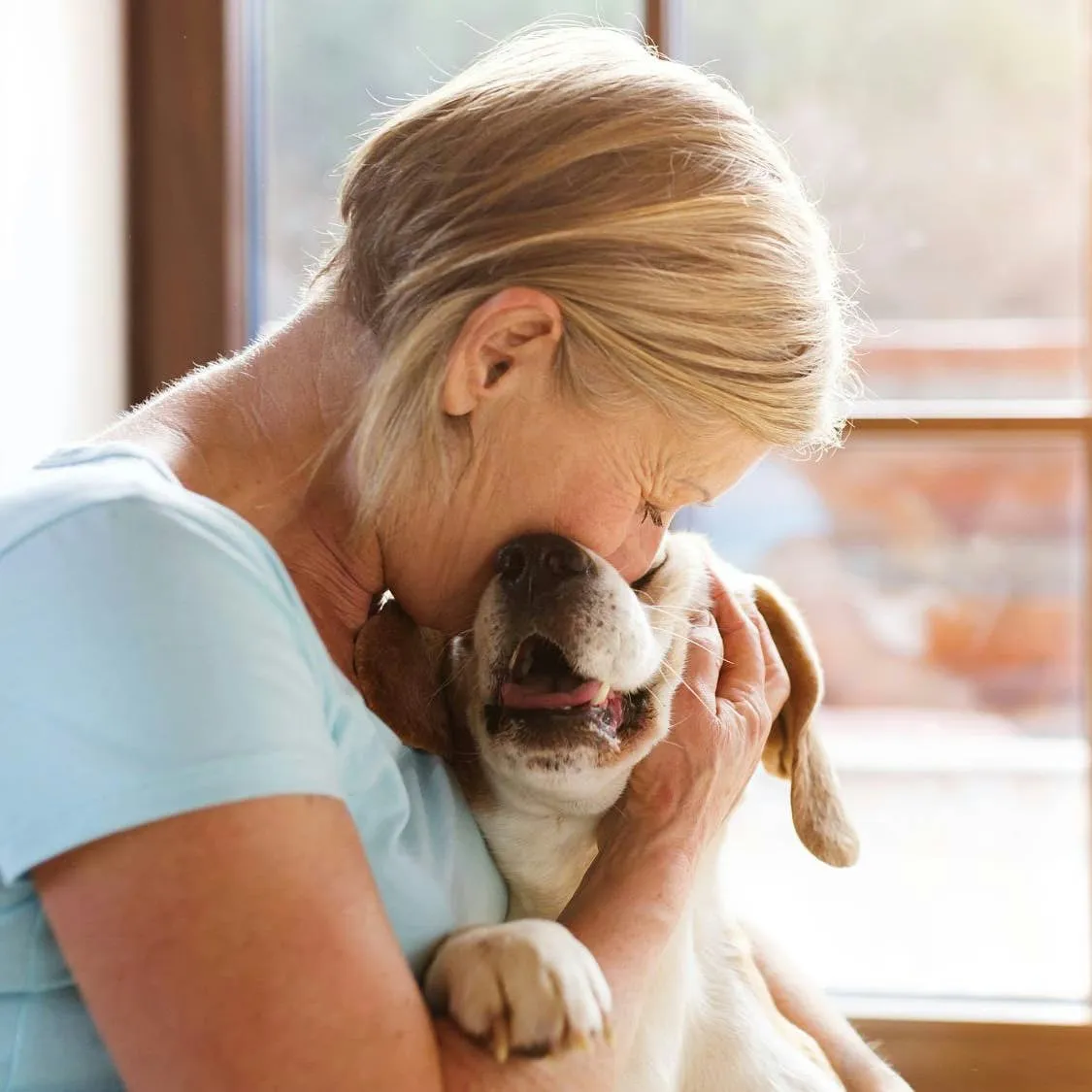
Dogs are more than just furry, barking creatures that enjoy rolling in grass. In many respects, a dog can be seen as a wolf that has retired from its wild ways. It no longer lives in a pack, hunts, or engages in constant power struggles, but it still retains the memory of those behaviors. This isn't about your individual dog, but about the evolutionary history of dogs from wolves over thousands of years.
Inherited Traits
Even though dogs have their own mental and emotional abilities, their wolf ancestry still influences them. How you handle these traits will determine how well your dog responds. Before bringing a dog home, it's crucial to know yourself.
A dog will always look for respect and leadership. You either respect each other and you lead, or you respect your dog and he leads you.
Canine Intelligence
Dogs can be quite crafty when it comes to finding opportunities—like sneaking onto the couch when you're not looking or getting into the trash without being noticed. However, don't mistake cleverness or persistence for raw intelligence. The typical dog's mental development is similar to that of a two- to two-and-a-half-year-old child.
House training, understanding words and phrases, and problem-solving are all at the level of a young child. Combine this with their wolf heritage, and you have the dog.
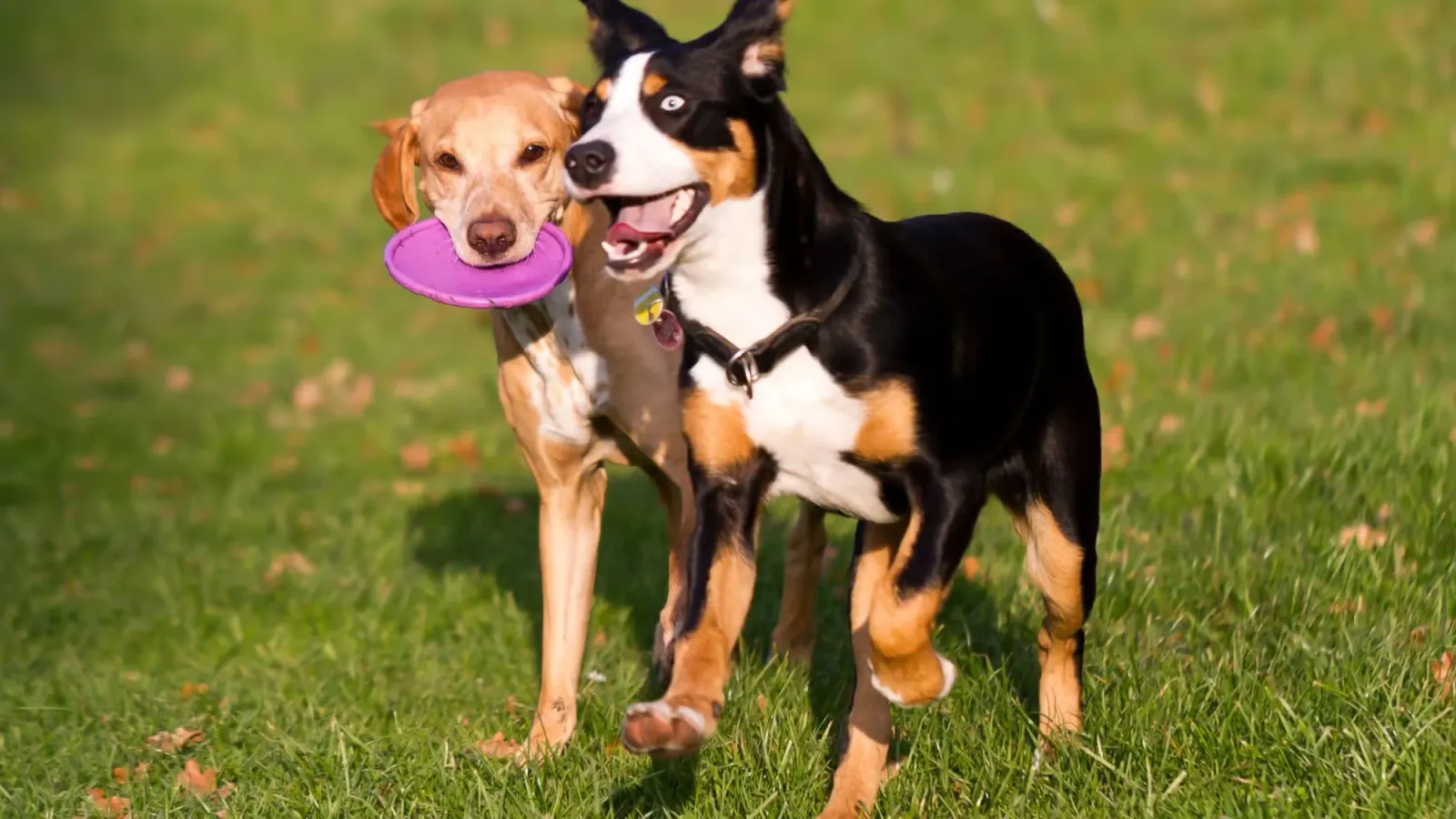
Dogs can be your best friend or a frustrating pain in the neck. Make sure you are an effective owner!
macgyverhh via Getty Images; Image created via Canva
The Leader of the Walk
It's vital to truly understand and communicate with your dog. In a wolf pack, leaders enjoy benefits like mating rights and first choice of food—no small perks in the wild. Yet, just like people, many dogs are natural followers.
When a dog lives with someone who doesn't lead, the dog often tries to take charge. As in human society, some dogs are born leaders, others aren't. You've seen managers who struggle with authority or friends who are awkwardly assertive. Dogs behave similarly.
If you're constantly afraid of being alone, naturally submissive dogs may become fearful because they don't understand your fear, so they become afraid of everything. They're not afraid of you, but they will end up controlling you.
On a walk, if the dog is your master, he'll be out front. If you're the master, he'll walk beside you, watching for your direction.
Practical Tips and Observations
One afternoon, while walking my dog, a bold (or foolish) squirrel darted right in front of us. Normally, that squirrel would be on Malcolm's menu. But when Malcolm is leashed, he's not in charge. The squirrel seemed shocked at how close it came to those teeth and scurried up a tree.
A woman sitting in her driveway praised Malcolm's behavior. I wasn't surprised. On leash, I'm in control. Off leash and alone, Malcolm follows his own rules (no garbage, beds, or couch). On leash, I'm his master. I protect him from other dogs, choose our path and pace. I don't look down to check on him because he's usually near the leash's end.
I chatted with the woman, who said she was training her dog and was told to walk as if balancing a plate of dishes on her head to get him to behave.
The idea that a dog so attuned to facial expressions would fall for that is amusing. I think she was more fooled than the dog. Based on her progress, that seems right.
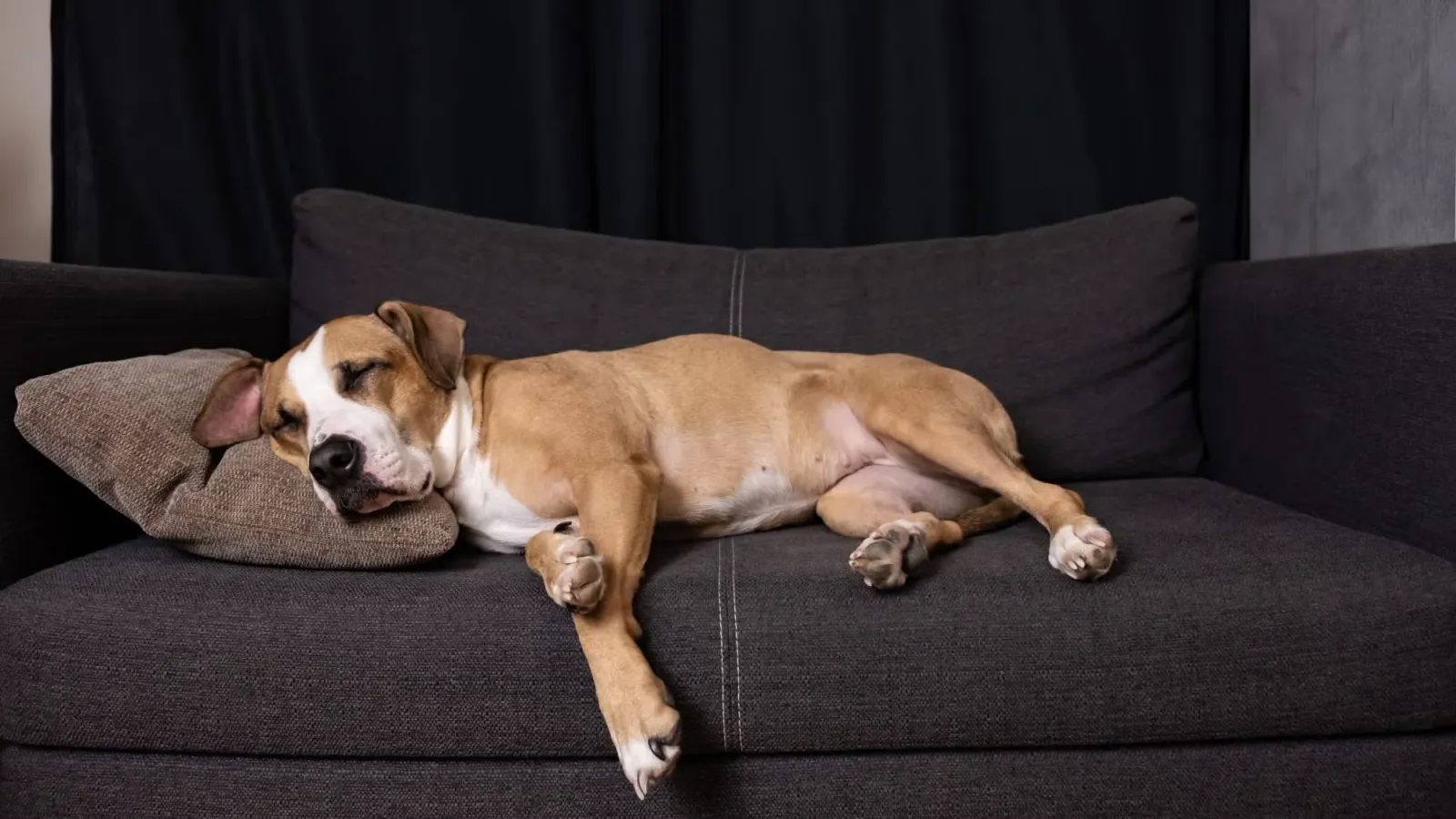
“You can’t teach an old dog new tricks.” Well, that’s not entirely true, but after about two years, dogs are fully grown and developed. They’re not getting any smarter after that!
Valeriia Boiko via Canva Pro
Self-Awareness Matters
Perhaps the three most important words in any language, especially for relationships.
If you can be genuinely assertive—not mean, aggressive, angry, or violent—you can easily become a dog's master. That's good because the dog will be easier to live with. It's also good for the dog, as pack leaders often absorb more stress and live shorter lives than followers. Whether that's true for humans is debatable, but "mean" or "controlling" dogs don't age well. The same goes for wolves.
If you want a dog as a friend but know you're not a leader, expect a dog that (unless naturally submissive) pulls on the leash, sleeps wherever, begs, and eats what it wants.
Neither situation is inherently wrong. But it's wrong to have a dog that begs or sits on the couch and think it's the dog's fault. Most behaviors dog owners see are direct results of their interactions.
Does your dog jump on people? Stop saying goodbye and stop encouraging excitement when you come home. Ignore your dog for ten minutes (even if he's still jumping) over a month, and eventually, your comings and goings will go unnoticed. This can help with separation anxiety, pouting potty, and barking.
Get over your own fears, and the dog will follow.
If you are the type that wants a dog for a friend, but acknowledge you’re not a leader, realize you’re going to have a dog that (unless it’s a natural-born follower) pulls on your leash, sleeps where it wants, begs, and eats what it wants.
Meeting Your Dog's Needs
Dogs were meant to be wild. Food wasn't handed to them; they searched for it. They were meant to walk miles daily. When we confine them indoors, all that energy turns into boredom—with the couch, house, yard, and everything else.
Take your dog for walks. Go to the park and play frisbee or throw a ball for 40 minutes. Get toys, but interact with your dog and those toys.
Dogs Are Not Humans
Feed your dog proper dog food. The two times Malcolm got into the garbage were the two times he ate human food (that I know of). Expect your dog to obey. Don't ask—tell. Train your dog.
Teaching discipline and tricks isn't for show; it builds your dog's confidence. When you teach something and he repeats it, praise him sincerely. Encourage him with excessive praise during training and beyond.
If your dog is adopted and has anxieties, work around them. If he's afraid of the door, have a trick before going through, like "sit." When he sits, tell him what a good puppy he is—your tone and smile will ease the door anxiety.