Building Your Dog's Self-Restraint: A Practical Guide
Parker Lee
Why Training Self-Restraint Matters for Dogs
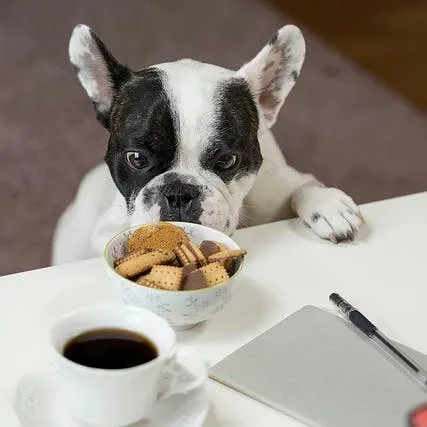
Jumping on people, grabbing food from picnic tables, tugging on the leash, and darting through open doors—these are typical behaviors of puppies that haven't learned self-restraint. Standard obedience courses may address some of these issues, but they don't always solve them all.
The key is to help your dog develop self-control. When a dog learns to manage its impulses, it becomes a more polite companion. Such a dog will:
- remain in place until given permission to move after a "stay" command,
- pause at doorways,
- hold back at an open car door until told it's okay to jump out, and
- stay by your side until released to run free during off-leash walks.
Even though your dog will still feel the urge to do whatever it wants, it can acquire self-restraint and will wait for your signal to act.
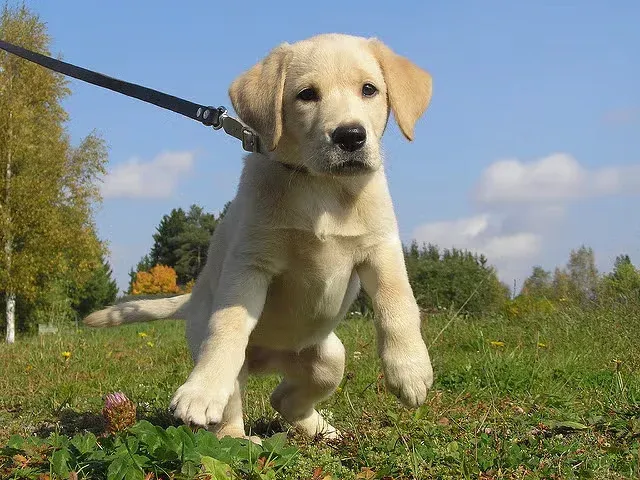
Dogs with no impulse control can also be dangerous to their owners when they become large.
smerikal5661790691
Benefits of Teaching Your Dog Impulse Control
- Stop Food Stealing: With impulse control, your dog can learn not to snatch food from plates. All dogs are quick to steal food, but large dogs can be fast and frightening when small children are enjoying a big plate of food at a picnic. Wouldn't you prefer a dog that lies down in a corner of the yard instead of begging and stealing?
- Prevent Impulsive Eating: Teach your dog to ask before picking something up from the floor. A dog without impulse control will eat anything you drop, even if it's harmful. Wouldn't it be reassuring if your dog paused and looked to you for permission before swallowing that piece of dark chocolate that fell on the kitchen floor?
- Stop Unwanted Jumping: Teach your dog not to jump on people. Not everyone is comfortable with dogs, and if your impolite dog jumps on everyone it meets, it could frighten or injure someone.
- Prevent Bolting: Train your dog to wait at the door until given permission to go out. This can keep you from being knocked over, stop your dog from running out and biting a delivery person, and even save it from running into traffic.
- Prevent Bailing: Teach your dog to stay in the car until released. Dogs that jump out without permission might be hit by a car.
- Stop Bossiness: Train your dog that it cannot do whatever it wants whenever it wants. An impulsive dog will jump on the couch without permission and will do whatever it feels like at any moment.
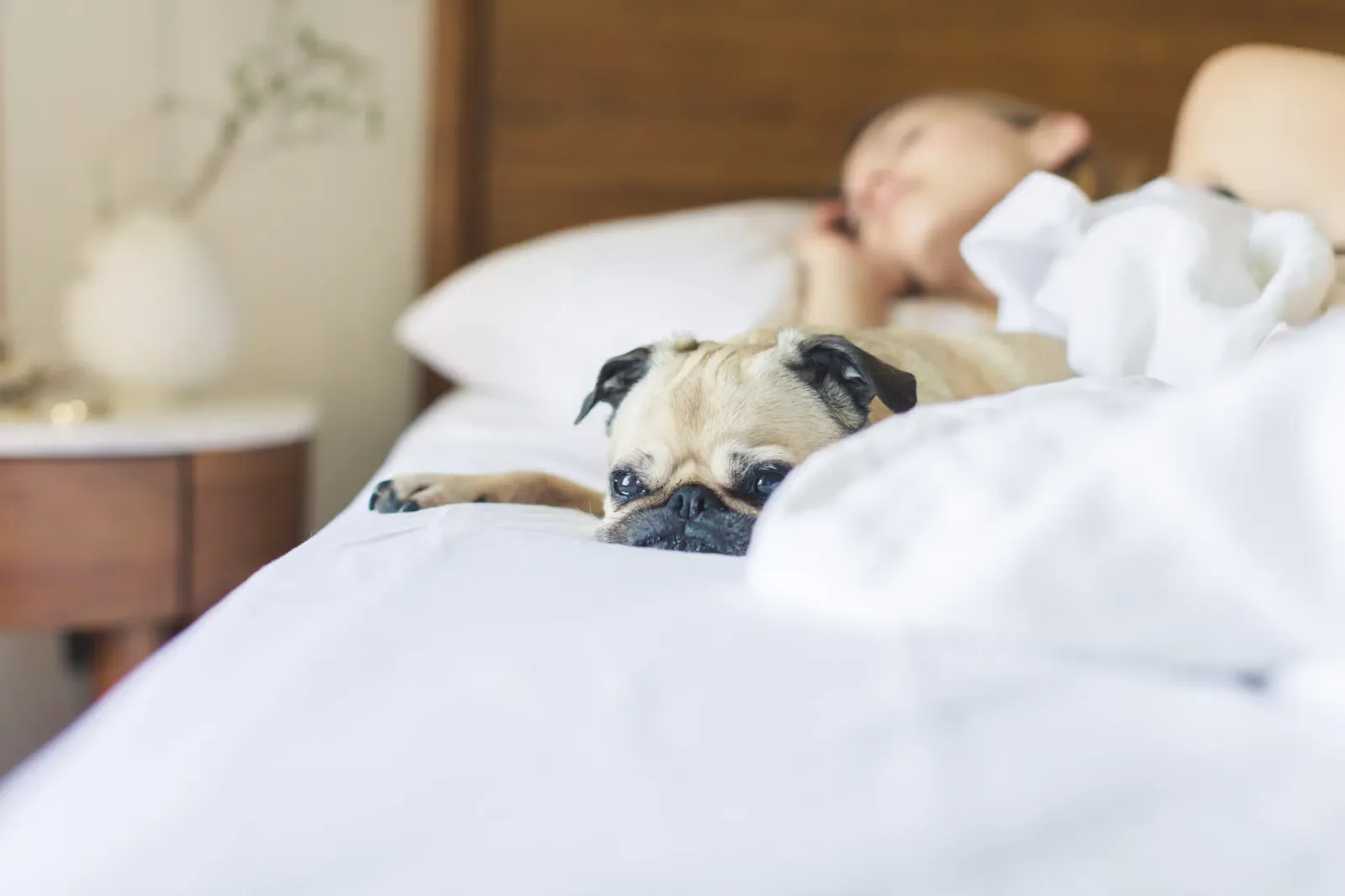
Dogs without impulse control will get up on the couch or bed without being invited.
Burst CC0
Insights From the Monks of New Skete
The monks of New Skete use impulse control training to keep their German Shepherd puppies from running free and fighting with other loose dogs, running off during off-leash walks, or bothering guests.
During meals, the monks bring the puppies to the dining hall to watch the adult dogs. The dogs don't have special mats; instead, they are placed on the floor in a "down"/"stay" command and must lie quietly throughout the meal. Because the puppies observe the polite behavior of the older dogs, they see impulse control in action and are easier to train.
Teaching Your Dog to "Sit" and "Stay"
"Sit" and "stay" are two fundamental commands that dogs can learn quickly. Practice them nearly every day until they become automatic. A dog that can sit and stay until called will be well-mannered in any situation.
As part of impulse control training, you need to tell your dog to "sit" and have it hold that position while you stand and watch. Ask it to sit for longer periods each session; although it will want to get up and move on (as all dogs do), it must learn to be polite and wait for your next command.
How to Teach Your Dog to "Stay"
- Put it in a "down" or "sit."
- Say "stay" without using its name, but use a hand signal.
- Step a few feet away and then call it; give a treat and praise.
- If your dog follows you even after you've said "stay," you might need to put it on a leash. If it gets up before you call, say "no," step closer, and hold the leash to keep it in place.
- Once it has learned to "stay," move further away and ask it to stay longer each session.
Teaching Your Dog to "Leave It"
I teach the "leave it" command to all my puppies as early as possible. All dogs can learn this command in just one day, and with practice over several sessions, they will remember it for life.
How to Teach Your Dog to "Leave It"
- Put a treat in your right hand.
- When it tries to grab it, say "leave it," and close your hand before it can snatch the treat.
- As soon as it looks away from your hand, give a treat from your other hand. (Never give the treat you told it to leave.)
- Once it understands that it won't get a treat until it looks away, try placing a treat on the floor.
- When it goes to grab it, say "leave it." Quickly put your foot over the treat, and as soon as it looks up at you, give a treat from your other hand. (An impulsive dog will nuzzle your hand and do anything to get the hidden treat.)
I never give the dog the treat I'm teaching it to leave, but as you can see in the video below, this trainer uses a different method and gets excellent results. I also recommend using a special treat instead of regular dog food. I like to give tiny pieces of chicken liver. Liver stinks, so most dogs like it.
Teaching Your Dog to "Wait"
The "wait" command can be used in several ways. Teaching it at the front door is easiest, but once your dog has mastered it, you can use it when opening the car door, when taking your dog to an enclosed area to run off-leash, or when your dog starts to run off to play with another dog at the park.
How to Teach Your Dog to "Wait"
- Put your dog on a leash before going to the door.
- When you open it, an impulsive dog will want to run out. Put your hand in front of its face and say "wait."
- When it waits, you can take the leash off (if the yard is fenced) and let it go out.
- If it tries to run out as soon as the door opens, hold the leash and don't let it out until you've given the command and it has waited as instructed.
Once your dog understands "wait," practice it in other areas. For truly polite behavior, also practice off-leash, but if your dog disobeys, start over from the beginning.
Ways to Reinforce Impulse Control
The best way to reinforce impulse control is to use it daily. When I walk my Pitbull on the beach, she might spot a canine friend. Since she knows I'll let her play, she'll want to give in to her impulses and run off without asking. I tell her "wait," then call her to heel, and have her watch my right hand. I use a hand signal to release her, and when she sees me wave, she takes off.
Reinforcement Is Important, So Be Creative
- Socialize your dog whenever possible. Some socialized dogs can be impolite, but dogs exposed to many different situations are more likely to stay calm.
- Tell it to "sit" in the morning before letting it out.
- Make it "sit" before you put its food down.
- Stop in the middle of a walk and make it "wait."
- Make it "wait" before releasing it to run in the dog park.
Use these commands every time you walk or play with your dog. The more you reinforce the lessons, the sooner your dog will become a polite member of your household.
Is It Ever Too Late to Teach Impulse Control?
Impulse control training should begin when a dog is a puppy. Shelters are full of adolescent dogs that were given up because they never learned polite behavior. However, if you've adopted a dog that has never been trained, don't worry. A dog can learn to be polite at any age.
The only difference between training a young puppy and an older dog is time. Older dogs, like older people, are slower to grasp new concepts and need more repetition. But training an older dog can be enjoyable. Your sessions might even last a bit longer because older dogs have more patience than puppies. (This depends on the individual dog, though; if it gets rowdy or bored during the session, it's time to stop.)
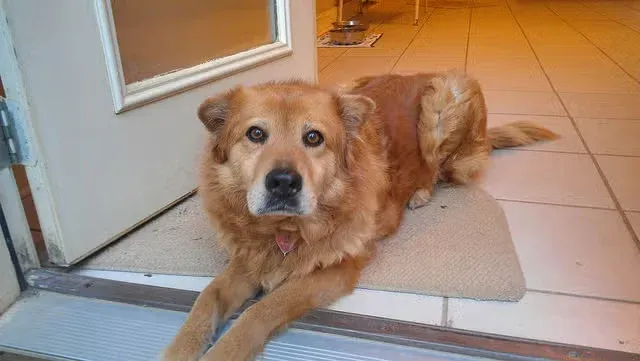
A dog that learns to control his impulses is polite and always a pleasure to have around.
dennis_matheson8571117591
Will Your Dog Become Aggressive Without Impulse Control?
According to dog trainer and author Joachim Volhard, failure to teach basic impulse control exercises is a leading reason he sees aggression in dogs. An untrained dog will get on the couch when it wants and growl when told to get off; this is because it has the impulse to lie there, and no one is going to make it move.
Most of the aggressive dogs I work with also have poor impulse control. A dog that feels it's okay to knock you over when going out the door doesn't respect its owner, and if it has any aggressive tendencies, it will feel it's okay to express them.
Don't let your dog control your house or become so impolite that it feels it's okay to become aggressive. Teach your new dog or puppy to be polite using basic impulse control.
Further Reading
- 3 Easy Ways to Teach a Dog Not to Jump on People Most of us want a polite dog that won't jump on children and adult visitors. Check out a few of the easiest ways to teach your dog this valuable lesson.
This article is accurate and true to the best of the author's knowledge. It is not meant to substitute for diagnosis, prognosis, treatment, prescription, or formal and individualized advice from a veterinary medical professional. Animals exhibiting signs and symptoms of distress should be seen by a veterinarian immediately.
© 2018 Mark dos Anjos, DVM