Training Your Own Dog to Sense Seizures: A Practical Guide
Rowan Williams
Understanding the High Cost of Professionally Trained Seizure Alert Dogs
The concept of dogs warning their owners about impending epileptic seizures is widely discussed across epilepsy-related websites. Many individuals with epilepsy experience anxiety about leaving home alone, making an early warning system invaluable.
Professionally trained seizure-alert dogs undergo extensive training with multiple handlers and come with a hefty price tag—typically advertised on dog therapy sites for $10,000 to $15,000. Insurance usually does not cover these costs.
Researchers who study these dogs often argue that only certain highly trained dogs can perform this task, and the expense reflects that rigorous training. Those who have obtained such a dog find the investment worthwhile.
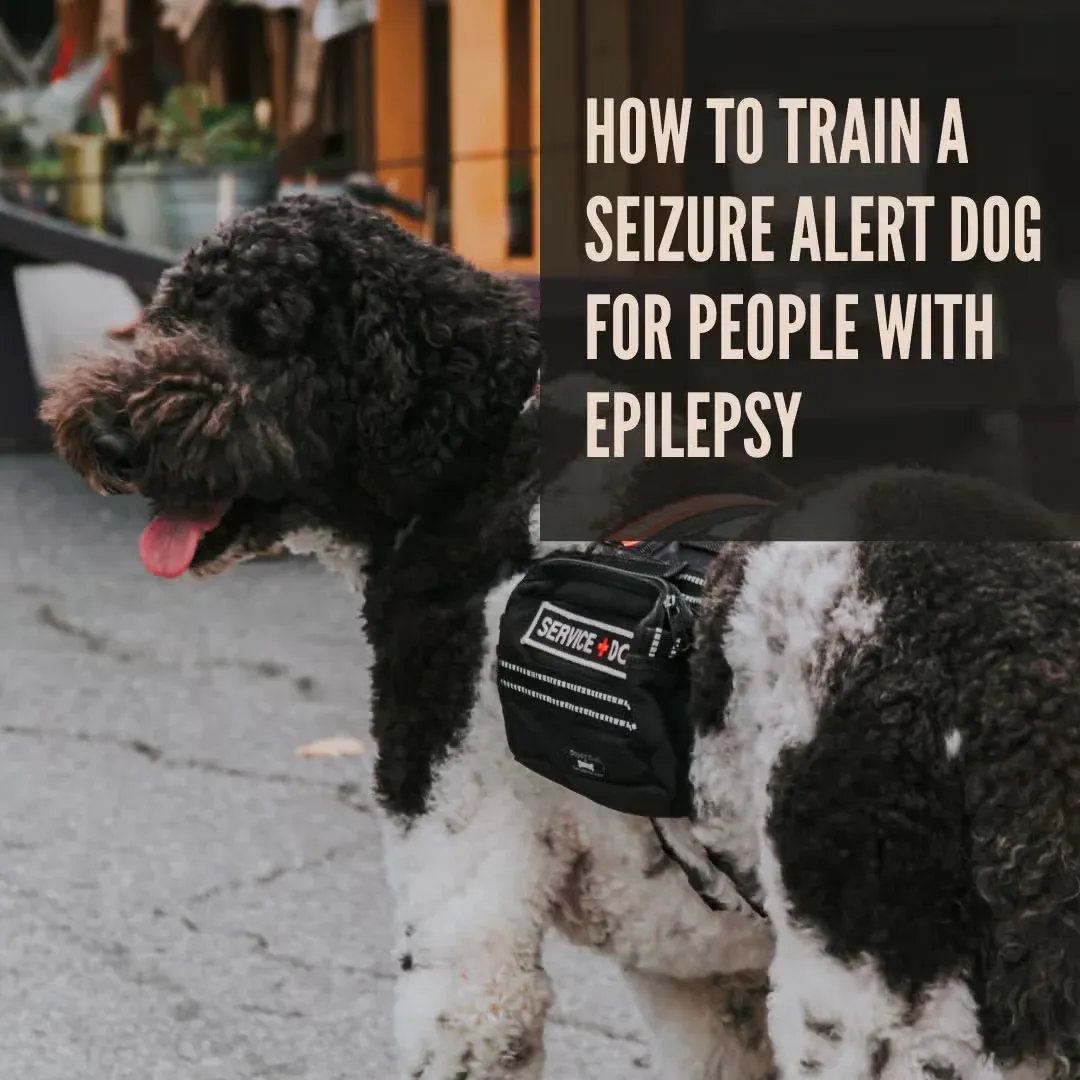
Dogs can be very helpful in warning people of an oncoming epileptic seizure.
Photo by Ralph (Ravi) Kayden on Unsplash
Exploring a More Affordable Path
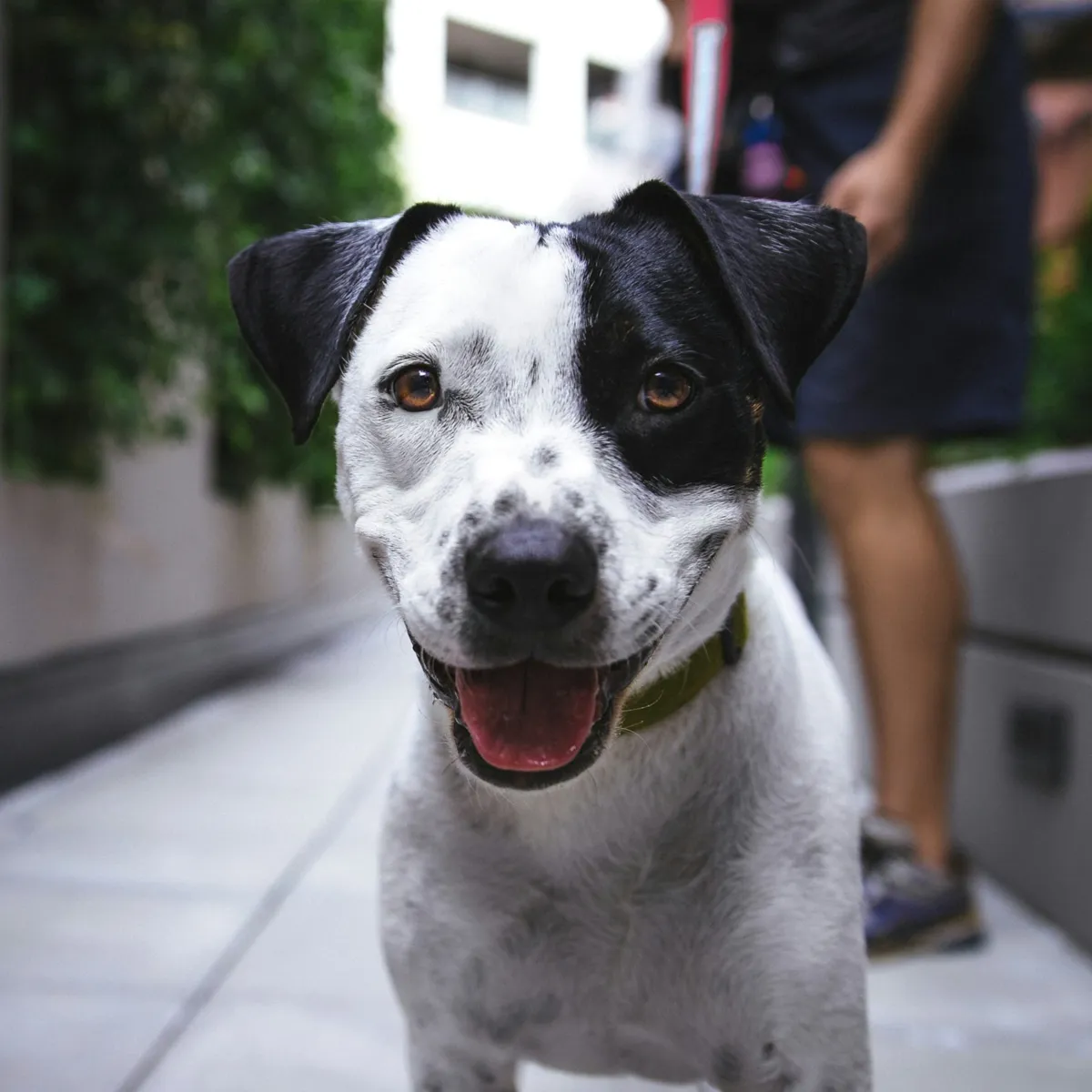
Some individuals with epilepsy, including myself, question whether a dog must be trained by strangers and bought from a professional trainer.
Dogs without professional training haven't been exposed to numerous people having seizures daily, so they might become overly excited or lack the knowledge to warn their owner. However, most dogs are sensitive to unusual odors or behaviors. When a dog forms a strong bond with a person, it will signal when something seems off. The human just needs to recognize when the dog is acting differently.
The responsibility then falls on the person with epilepsy to learn and respond to that warning.
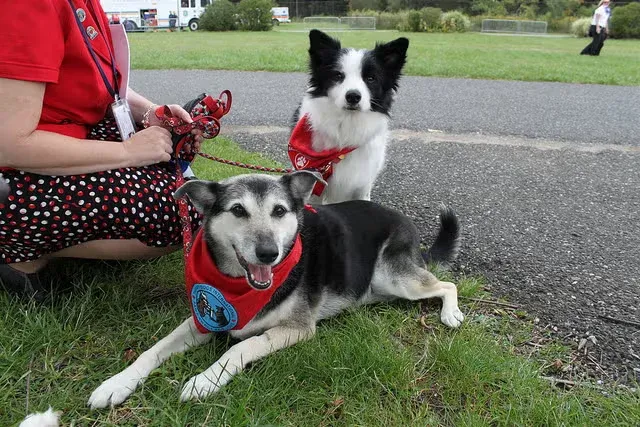
Any dog can be trained as a seizure alert dog.
cc-by flickr.com ferlinka6145819542
Steps to Train Your Own Seizure Alert Dog
- Form a strong bond with your new dog or puppy. After bringing home your potential seizure alert dog, you must build a close connection and help her become attuned to your condition. Learn more about bonding for additional tips.
- Obedience training. Spending time training your dog using positive methods will strengthen your bond and make her feel like part of the family. Teach her all the basic commands.
- Socialization. Take your dog everywhere with you, even after the critical socialization window (around 16 weeks of age) has passed. When you go for a walk, bring your dog. When you grab a coffee, bring your dog. Remember, never leave your dog locked in a car while you shop.
- Canine Good Citizen program. Inquire with your vet or a local dog trainer about availability in your area. This AKC certification teaches your dog to behave appropriately in public and allows him or her to accompany you more often.
As your new puppy or dog settles into your home, let her spend as much time with you as possible. Ignore outdated dominance rules like “no sleeping in the bedroom.” Her job is to sleep in your bedroom! Her job is to alert you at any hour, day or night. If you don't make your dog a central part of your life, he or she will never become a seizure-alert dog.
Making her part of your life takes time, and I can't promise your dog will alert on the first seizure. As your puppy grows and develops into an alert dog, she will warn you a few minutes or perhaps up to half an hour before a seizure. She might paw the ground, bark, circle, or simply stare and whine. Each dog alerts differently. You must learn to recognize the signs.
What to Avoid
Never yell at or mistreat your dog if she is doing her job. If you scold a dog for barking at a stranger at the door, the dog might eventually stop barking at the door. The correct response is to let the dog bark once to alert you, praise her, and then check on the visitor. The same applies to a seizure-alert dog. If she acts strangely, praise her.
The first time my dog acted oddly before one of my seizures, I took her outside and shut the door! I clearly wasn't paying attention. After the seizure, I realized she was doing her job, and I needed to praise her.
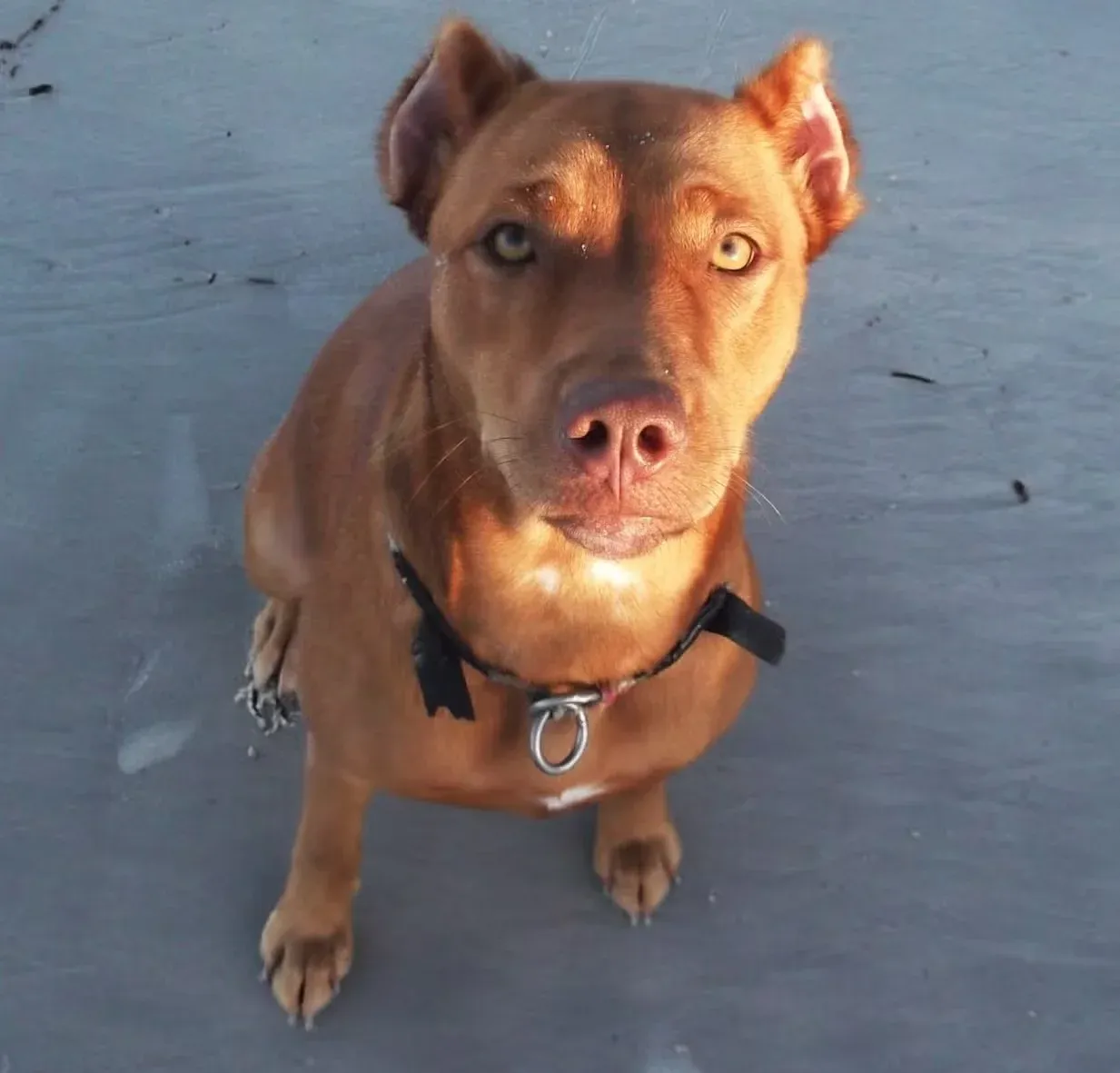
Be sure to notice when your dog is trying to alert you to a seizure.
DrMark1961
Where to Find a Seizure Alert Dog Candidate
The source of your seizure alert dog candidate doesn't matter.
To find a dog that will grow into the role, I suggest starting by evaluating a litter of puppies or young dogs at an animal shelter using the puppy aptitude testing process created by the Monks of New Skete. You can also find details on evaluating a puppy in Dog Training for Dummies by Jack and Wendy Volhard. Anyone wanting to develop a seizure-alert dog should read both books for general knowledge.
Some articles on seizure alert dogs advise against choosing a dog that is too dominant or too submissive. They argue that a dominant dog might not care about the person with epilepsy, while a submissive dog might become too frightened by an impending seizure. Look for a young, steady dog that can live with a family—neither too shy nor too outgoing.
Breed and sex don't matter. I don't think it matters if you get a “free to good home” puppy, a young shelter dog, or an expensive line of therapy Labradors from a breeder. (There's a great testimony in the comment section below from a woman who trained her Maltese as a seizure-alert dog. I've also heard of people using Min Pins and other breeds that most people wouldn't expect.) Please avoid pet shop puppies, as most aren't socialized early and won't be good candidates. Regardless of where you get your dog, remember her feeding and medical needs.
Will Any Dog Work?
Any Dog Can Work
Any person with epilepsy willing to bond with a dog doesn't need to spend a lot of money.
Many medical professionals and researchers still deny the value of these dogs. They have no idea if the dog is acting oddly due to smell or some form of telepathic communication they don't believe in.
It doesn't really matter. I do believe this isn't a skill that can be taught, but an ability that almost every dog possesses inherently.
It's up to you to reach inside and find that ability.
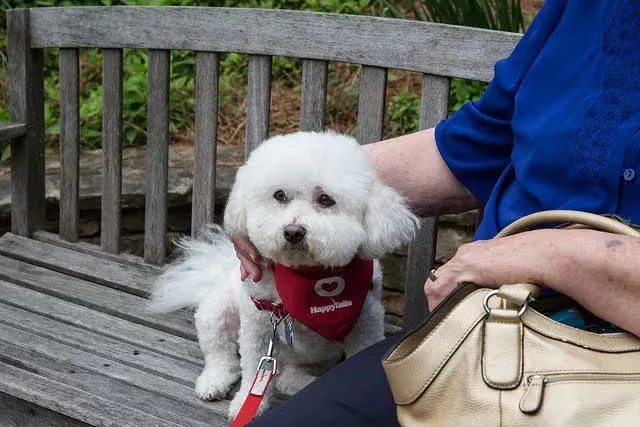
Even a small dog can be trained to alert for seizures.
cc-by flickr.com burnaway8705774224
This article is accurate and true to the best of the author's knowledge. It is not meant to substitute for diagnosis, prognosis, treatment, prescription, or formal and individualized advice from a veterinary medical professional. Animals exhibiting signs and symptoms of distress should be seen by a veterinarian immediately.
Questions & Answers
Question: I don't have regular seizures, only around three a year, but I have no warning at all of full grand mal seizures. I am just getting a puppy that I want to train to help me recognize oncoming seizures. However, I work two days a week. Do you think this would be a problem for the dog?
Answer: The best solution is to take your dog to work with you so that he could warn you of any oncoming seizures at that time. If the seizure happens and the dog is not around, he is not going to be able to help.
If you are not able to do that then being away a few days a week is not going to be a problem for the dog. Just try to make the time you have with him as high quality as possible so that he bonds with you.
Question: I just developed epilepsy, and I have two dogs. They both freak out barking when I convulse. I want to train the smaller one; he's young but social. Do you think my social and outgoing dog is a good candidate?
Answer: It is difficult to say whether any dog will be a good candidate, but since he is social that is a good sign. Since your dogs are already alert when you have a seizure, it is just a matter of getting them to alert when you have an aura. If you feel it coming on, be sure to encourage him at that time. The most important thing is to pay attention and to reward him if he does any signalling to warn you.
Question: Can a seizure alert dog help someone with absense seizures?
Answer: Some dogs are attuned to their owners, and can also pick up on petit mal seizures. Most problems occur in people with grand mal seizures, however, so unless you just want a dog, I do not think that a seizure alert dog is necessary.
I know that people with absence seizures have a lot of restrictions (no driving, no operating heavy machinery) but a seizure alert dog will not be able to remove any of those restrictions.
Question: What is the best dog breed for seizure alert dogs?
Answer: Seizure alert dogs need to be bonded to their owners. All dogs can bond to their owners. I have heard everything from a Min Pin to a Pitbull. I do not think there is any special breed, just choose a dog that fits your life in every way.
Question: My husband has different types of seizures. How do I start training my new dog to alert him to a seizure?
Answer: Your new dog must spend more time with your husband than with your kids. He should take him to the canine good citizen classes and also to basic obedience group classes. They are usually held by local trainers and sometimes by pet superstores. There is no specific training after that, and if you were to fake a seizure to try to train him, the dog would know the difference. Just allow your puppy to become part of your life, do your best to bond with him, and when he is nervous and alerting your husband to the danger, he must pay attention. If something does happen, praise the dog for alerting, give him a special treat, etc.
Question: My husband and my son both started having seizures back in September last year. They are both on medication, but my husband is having trouble getting his under control. He does work when possible, but there have been times when he's had a seizure at work. Will the dog still be able to help?
Answer: Tough question. I think it really depends on his employer. Some are very open to letting dogs come to work, but seizure alert dogs are not (at this time) on the list with seeing eye dogs, so an employer could say no to the dog's presence and still get away with it.
My seizure alert dog is with me all the time since I work out of my home.
Question: My husband and son have epilepsy, and we have two dogs already. We will soon get a six-week-old English bulldog. Do you think it will be harder with the two other dogs around to train him as an alert dog as well as a family pet?
Answer: Not all dogs can be trained as a seizure alert dog. If you choose to allow this dog to bond with your other children, or if he spends most of his time with the other dogs, he will probably not bond with your epileptic son and will not be helpful as a seizure alert dog. If you do want him to grow up useful, have your epileptic son walk him, feed him, etc., but ONLY your epileptic son. Allow him to be your son's dog, and the dog will be more likely to look out for him.
Question: What kind of dog should an epileptic person choose as a seizure alert dog?
Answer: There are no specific requirements. A dog can be large or small, lazy or active, etc. The most important thing is that the dog has to bond to the person. If the dog is an outside dog and is only around the person a few times a day, then he is never going to be an effective alert dog.
I talked to a woman that had a Miniature Pinscher as a seizure alert dog. Others have had beagles, Bichons, Bloodhounds, Labs, etc.; I have a Pitbull.
There are no studies that I know of that is being done to determine the best breed of dog for this job. If the dog is alert to the change of smell, a brachycephalic dog like a Boxer or Frenchie is not the best choice, but I have read no studies to back this up.
Question: Is a Teacup Maltipoo suitable as a seizure alert dog?
Answer: Any breed can be okay. I talked to one epileptic woman that had a Min Pin trained as her seizure alert dog. They are small, frail dogs. My main worry about the dog would be if I were to fall on him during my seizure!
Question: I am an epileptic and bought a one-month-old golden retriever; is this breed a good choice?
Answer: Yes, Goldens are attentive to their owners and do make good seizure alert dogs if they become bonded.
I am worried that you mentioned the dog is only one month old though. That is much too young to be away from the mother. The dog still needs to socialize with other dogs, and will learn bite inhibition from his mother. Read about bite inhibition now and avoid problems down the road: s/dog-training-bite-inhi…
Also get your new puppy in to see your regular vet as soon as possible.
Question: Is it possible to train a dog that you already have? I've had him for nine years, and he is pretty smart. He's a mixed breed. I know you are not supposed to have another dog in your house if you have a service dog. He's the only companion I have. Any suggestions?
Answer: It depends on the dog, not the age. If he is obedience trained and well attuned to your needs, he can become a great seizure alert dog, unless he has dementia/senility or a physical ailment that does not allow him to get around. To train, use the same methods that you would use with a puppy: obedience, socialization, and being alert to any signals he gives you.
Question: If my dog also has seizures, can I train her to be my seizure alert dog?
Answer: You can, but remember that when you have a seizure, you are kind of “out of it” for several hours after. Your dog will feel the same way. All of his muscles will be tired, he will probably have a headache (although no one knows this for sure) and if you have an aura preceding a seizure, he is probably not going to get up and alert you.
If your seizures are uncommon, and your dog is also doing okay on medication, he can definitely become a seizure alert dog.