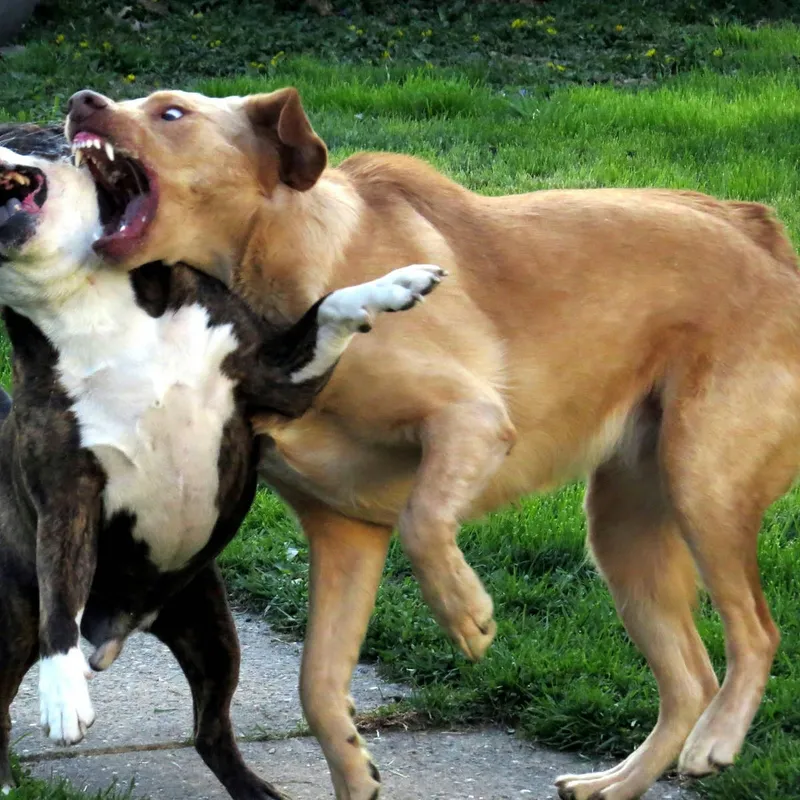
Understanding and Easing Your Dog's Fears, Phobias, and Anxiety
Logan Rivera

Why Does My Dog Show Fear?
Fear, phobia, and anxiety may look similar in dogs, but they are not the same. Figuring out which one your dog is experiencing is the first step toward helping them.
What Exactly Is Fear?
Fear is the most basic and often the most straightforward anxious behavior. It is a reasonable emotional reaction to a real danger. Take a dog that has been scratched by a cat: he learns to associate the cat with pain and will act afraid the next time he encounters a similar situation. The fear is genuine, and like other anxious behaviors, it serves to protect the dog from future pain or even death.
What About Phobias?
Phobias are something many of us recognize. You might know someone—perhaps yourself—who has one, like agoraphobia (fear of open or public spaces) or acrophobia (fear of heights). A phobia is an irrational fear without a clear cause. Dogs can have phobias too; for instance, sciophobia, the fear of shadows, is not unusual in dogs. Another common one is zuigerphobia, which is the fear of vacuum cleaners.
Did You Know?
Zuigerphobia is a very common phobia in dogs—more commonly known as the fear of vacuum cleaners!
How Is Anxiety Different?
Anxiety differs from fear and phobia because there does not need to be a real threat present, only the possibility of one. For example, during fireworks season, dogs may show phobic responses to the loud bangs, but many also become highly anxious during the day just anticipating the fireworks—that part is anxiety.
Dogs can also be anxious about going for a walk, not because they fear the walk itself, but because they anticipate something bad that might happen. A dog that is anxious about walks might have had a bad experience, such as being attacked by another dog or startled by a loud vehicle. Such a dog learns your routine and may start acting fearful as soon as he senses you might take him out—perhaps just from the way you get up from your chair or the shoes you put on.
What’s the difference?
Whilst fear, phobia and anxiety might present with similar symptoms, there are distinct differences. Determining what you are dealing with is the first step in the rehabilitation process.
What Leads to Anxious Behavior?
In young dogs, fear-related issues can stem from several sources.
Low Confidence or Personality
For some dogs, it begins with a general lack of confidence or a personality trait. These dogs will need ongoing training throughout their lives. They may require constant reassurance and might never be the most outgoing dog at the park, but they can learn to handle normal social situations if you are by their side.
Insufficient Socialization
Inadequate socialization, especially during the critical period, has a major impact. The critical period is a crucial time in a puppy's development. Between 4 and 14 weeks of age, puppies are most open to new experiences. They are fearless and eager to interact with everything and everyone, and through positive experiences, they learn to accept these things as normal and non-threatening. After this period, they can still learn to accept new things, but this ability decreases with age.
Leaving the Litter Too Early
For a young puppy, leaving his mother and littermates too soon can greatly affect his coping abilities. It is recommended that puppies stay with their birth family until at least eight weeks of age. Leaving earlier risks missing important interactions with littermates and mother, which can impair their ability to interact appropriately with other dogs as adults.
Challenging Life Events
As dogs mature, life experiences become more significant and are the main cause of fear-related problems. Frightening events, pain, illness, and abandonment are the biggest contributors. These fears are common and, fortunately, the easiest to overcome because they are learned. With time, effort, and patience, they can be unlearned, as long as future similar experiences are positive for the dog.
How to Recognize an Anxious Dog
Most signs of anxiety, when seen alone, could be mistaken for something else. So it's important to consider them in context and look for multiple signs to be sure. For example, a barking dog might be anxious, excited, or just demanding attention, but a barking dog with his tail tucked, ears down, and lips pulled back is definitely nervous.
Panting, staring, pacing, and trembling are fearful behaviors that should never be ignored, as a frightened dog acting this way can quickly become unpredictable and potentially dangerous. Other signs of fear include avoidance behaviors like hiding or escaping, self-harm, loss of bowel or bladder control, licking or chewing objects, howling, and aggressive behaviors such as snapping, growling, and biting.
These behaviors can be grouped into two categories: those that try to avoid trouble and those that try to scare it away. You can learn a lot about your dog's personality by which group he falls into in a frightening situation!

Lips pulled back and panting are both typical signs of mild stress
Assisting a Fearful Dog
Now that we've identified the type of anxiety, it's time for the crucial part: how to help. We'll start with a fearful dog.
What Is the Threat?
We know this dog's anxiety comes from a real threat, so first we must determine what that threat is. For most dogs, it will be obvious—the person or object the dog is reacting to or trying to avoid.
Is the Fear Helpful or Not?
Next, we need to decide if the fear is useful. For example, a dog's fear of snakes should not be discouraged; it could save his life, and possibly yours, as could a fear of cars. However, useful fear must be managed carefully so the dog can walk calmly on a footpath but still be cautious enough not to run in front of cars.
Tips for Managing Fears That Aren't Useful
Consider a fear that isn't particularly useful, like a fear of other dogs. This likely stems from inadequate socialization or a bad experience. The solution is to gradually reintroduce the dog to others in a gentle, controlled manner.
- First, find a distance from other dogs that is close enough to trigger a mild fear response but far enough that the dog can still respond to known commands like Sit.
- Work at this distance until the fear response fades. You can do basic training, heel walking, or play with a toy—anything to distract and refocus your dog's attention.
- As he relaxes, move a little closer and repeat. Continue until you can introduce him to a calm dog. Depending on the severity, this process could take hours or even weeks.
For noise-based fears, you can use a noise CD similarly. Start with the volume barely audible and play it repeatedly. Gradually increase the volume, ensuring your dog is coping well and not afraid to go back a step if he seems too stressed.
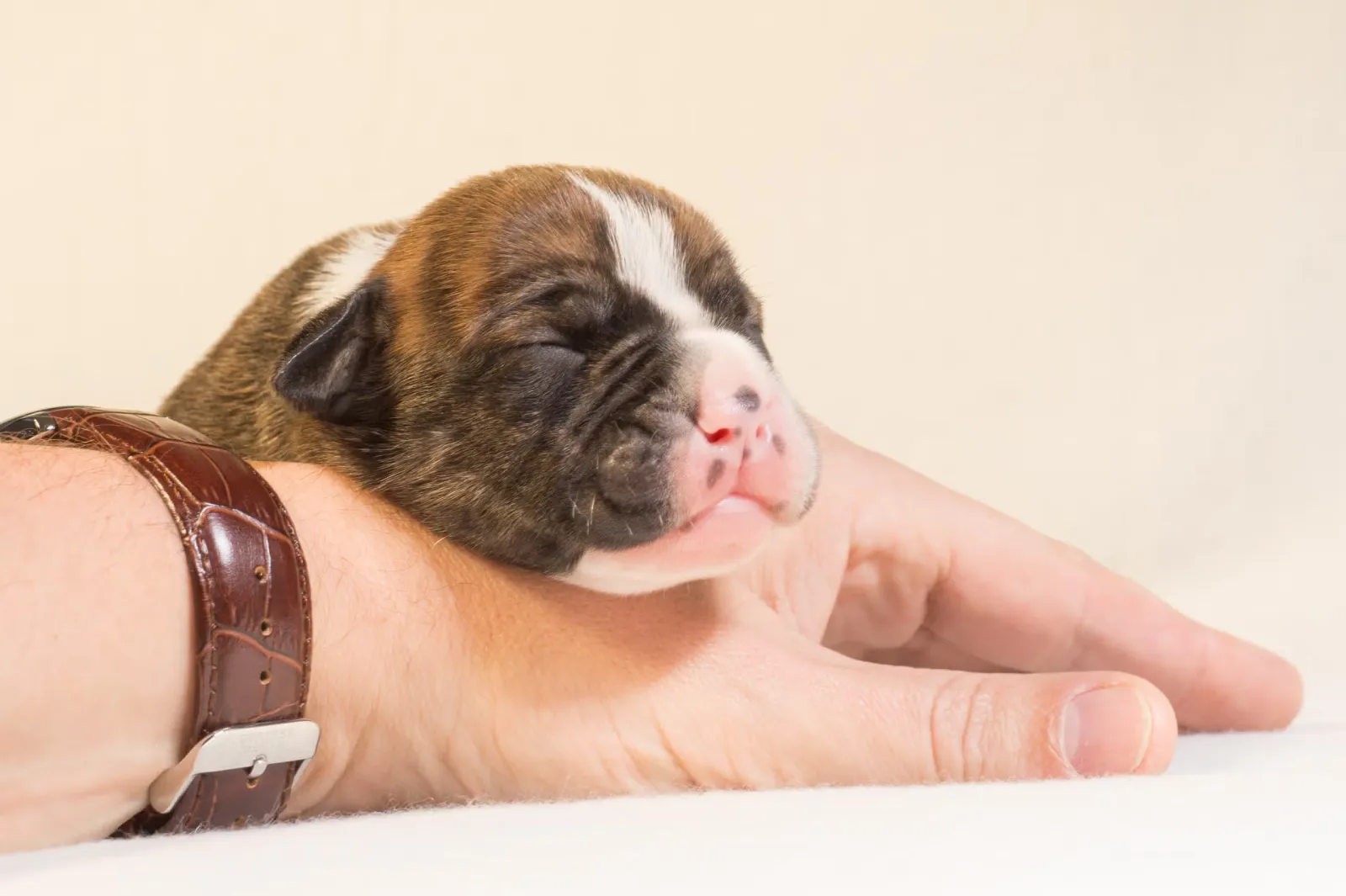
If a puppy leaves his mother and siblings too early, he’ll miss out on interactions essential to his development. This can manifest as fearful behavior or phobias as he ages.
Helping a Phobic Dog
Phobias are more challenging. In addition to working with the source of the phobia (like a vacuum cleaner), you also need to strengthen your bond with your dog and boost his overall confidence. A great way to do both is to take up a hobby together, such as obedience training, agility, or heelwork to music. These are fun for both of you and excellent for your dog's mental and physical health.
Using the vacuum cleaner as an example, first assess the severity of the phobia. Some dogs are fine with a quiet vacuum being pushed around but worry when it's turned on; others may panic at the mere touch. Let's assume you're working with the latter. You'll need a volunteer, your regular vacuum cleaner, and a long hall or room.
- Start with your dog on a short lead. Have your volunteer bring him into the room while you are at the far end with your hand touching the vacuum.
- Have the volunteer distract your dog with obedience work or a favorite toy.
- As he relaxes, remove your hand and then replace it. Repeat until your dog stops noticing. Then make it harder by moving the vacuum back and forth, closer and farther, until he lets you push it past him.
- Continue increasing difficulty as he progresses until you're ready to turn the vacuum on. Then repeat the steps, starting with him entering the room while you wait with the vacuum on.
Helping an Anxious Dog
The most common anxiety in pet dogs is separation anxiety, so let's discuss how to help these dogs cope better.
A confident dog won't fret as long as he isn't left too long, and a tired dog copes better too. So first, increase your dog's exercise and build confidence by joining a training class or similar activity together.
Next, adjust your routine slightly so your dog can handle your absence better. Your new routine should be calm and drama-free. You want your dog to feel reassured that nothing scary is happening, so tone down any behavior that might signal a problem or that you're about to leave.
Try this new routine:
- Ten minutes before you plan to leave, start ignoring your dog completely—no attention, no petting, no talking, no eye contact.
- Distract yourself with a book, magazine, or a task that requires your full attention. If that's hard, just before you put on your shoes, change your coat, grab your keys, or whatever you do before leaving, take him to his safe place.
- Quietly close the door behind you, and only then get yourself ready to go. When you leave, don't look back or say goodbye; just go.
Alternatives to Crates
An enclosed space, such as a utility room, can provide some comfort to an anxious dog if you don't have a crate.
When you return, do the same in reverse:
- Do not rush to see him. First, take off your coat and put down your keys and bags.
- Then when you do go to him, continue to ignore him for about ten minutes, no matter how excited he is. Allow him to calm down (let him out to go to the toilet if needed).
Once you've mastered the routine, start with short absences of a few minutes and gradually build up until he can be left for a couple of hours successfully.
A Note About Your Safe Place
Some people use a dog crate, and I highly support that. While to us a crate is essentially a cage, your dog sees it as his den. It makes him feel safe, especially if you cover all but one side with a blanket, and the lack of space prevents pacing and panicking when you're gone. Please introduce it carefully; otherwise, the crate may have the opposite effect and cause anxiety.
If you dislike the idea of a crate, a small enclosed space like a utility room works nearly as well. Whatever you choose, ensure your dog has access to water and a warm, comfy bed. Leaving a radio on can also help, but definitely don't leave food. Anxious dogs like to chew; it relieves pain and releases dopamine, so offer something safe to chew on, but he won't feel like eating!
Key Points to Remember
While working with your dog, regardless of the type of fear, keep these things in mind.
- Your body language matters greatly. Project confidence, stay calm, and breathe slowly. Also, whenever your dog is afraid, always position yourself between him and the thing frightening him. This reassures him that you want to protect him.
- Stay vigilant; just as your body language matters to him, his should matter to you. Never overstress your dog; if things seem out of control, stop immediately and reassess.
- Be patient; rehabilitating an anxious dog can be slow. It takes as long as it takes, and there's no quick fix. Keeping a diary of your progress can help—log every detail of your training sessions and review every few weeks to see your overall progress.
- Use appropriate tools to maintain control and keep everyone safe; muzzles, leads, and harnesses are good tools, as are panic alarms and dog crates. There's no shame in making things easier—no medals for heroics in dog training.
- Finally, I recommend getting help from a qualified, experienced behaviorist. Anxious dogs, whatever the cause, can be easily harmed by poor training methods, and you could inadvertently make things worse, not better.
Apart from that, good luck!
This article is accurate and true to the best of the author’s knowledge. It is not meant to substitute for diagnosis, prognosis, treatment, prescription, or formal and individualized advice from a veterinary medical professional. Animals exhibiting signs and symptoms of distress should be seen by a veterinarian immediately.
© 2016 Caroline Brackin