Preparing Your Canine Companion for Trail Adventures Without a Leash
Avery Wilson
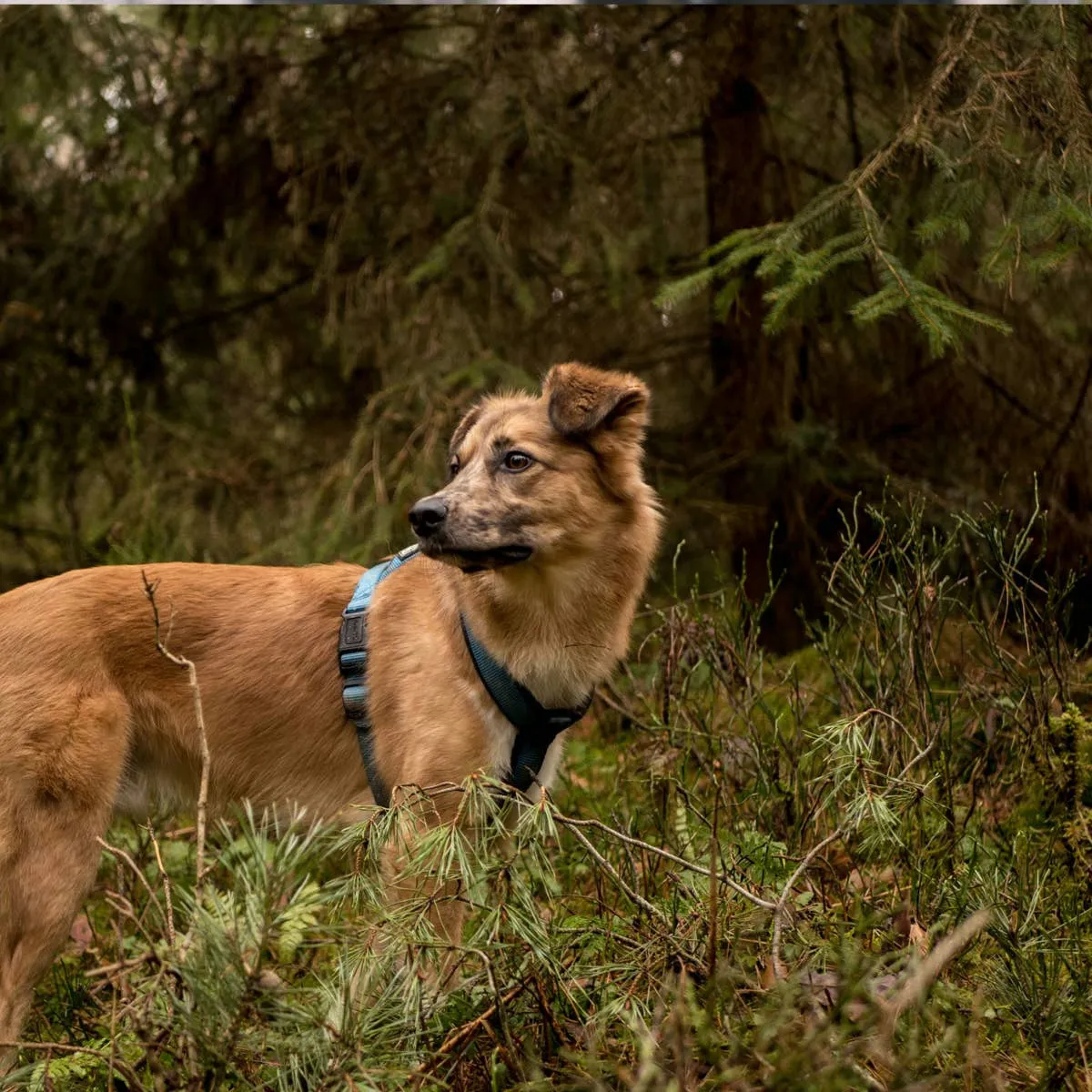
Understanding Off-Leash Hiking with Your Dog
Many of us dream of sharing outdoor trails with our dogs running free, but the reality is more complex. Public trails are shared spaces, and not everyone is comfortable around unleashed dogs. While you might enjoy the freedom, others may feel anxious or annoyed. Rather than avoiding the issue, training offers a practical path forward. If you're aiming for off-leash adventures, this guide provides useful strategies to prepare your dog.
We'll cover potential risks, fundamentals of off-leash hiking, preparation steps, and safety tips to keep your dog protected when not on a leash.
Potential Dangers of Off-Leash Hiking
Before heading to the trail, recognize that the outdoors presents real hazards for dogs. Various dangers exist, and numerous regulations govern dog control and wildlife interactions.
A dog with insufficient training might bolt onto a road, leading to accidents. Encounters with other trail users, cyclists, livestock, or wild animals can also result in serious incidents.
Even a friendly off-leash dog can provoke behavioral issues in other animals or people. It might also distract working service animals. Such situations could lead to legal consequences.
No matter the location or your dog's temperament, you are accountable for its behavior. If your dog causes harm, you could face criminal or civil charges.
Take proactive steps to prevent such outcomes.
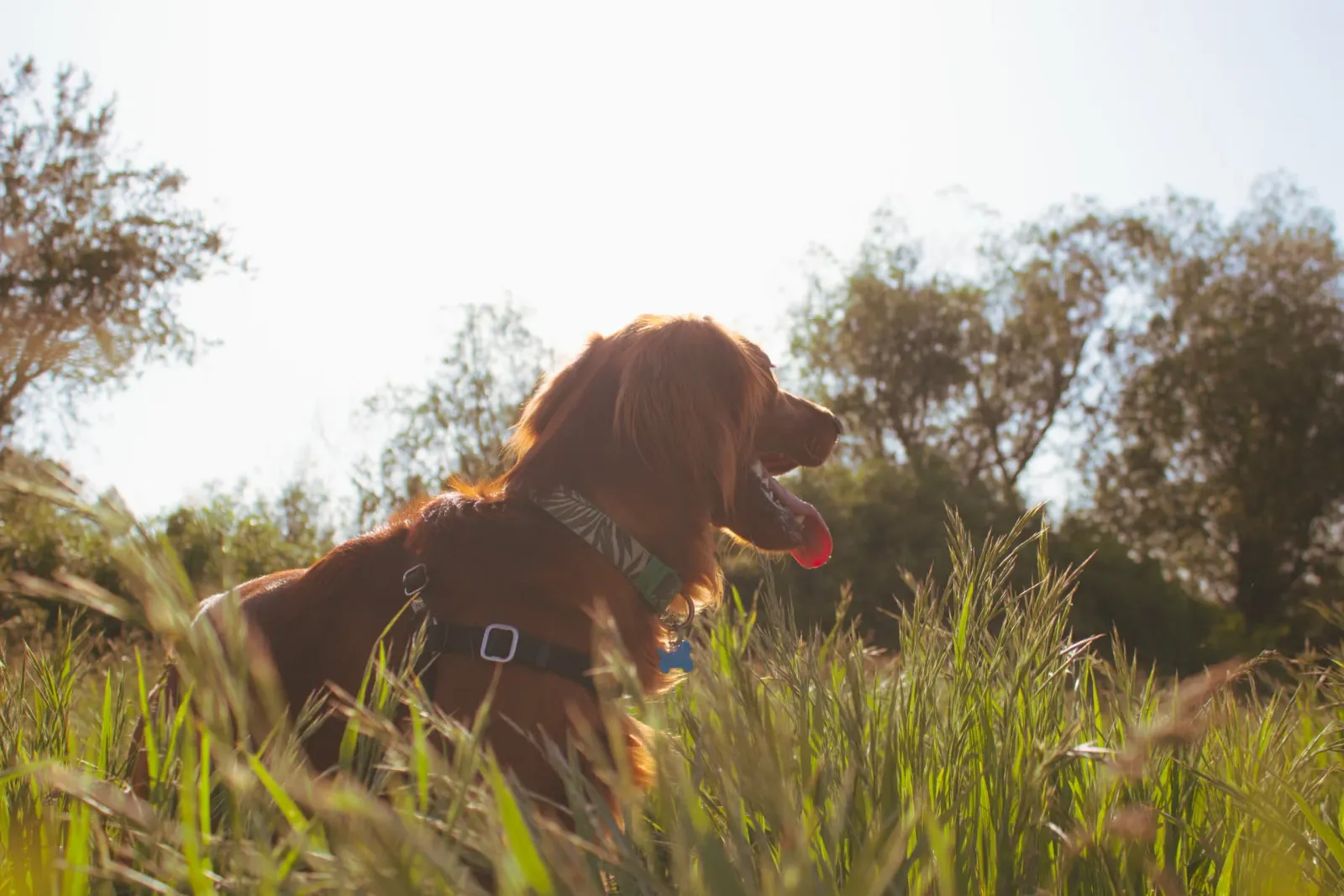
You can prevent accidents and unneccesary risks with training.
Ryan Stone
Practical Fundamentals: Using Good Judgment
Now that you're aware of the risks, let's explore how to mitigate them while still enjoying off-leash time with your dog.
Off-leash hiking means allowing your dog to roam and chase wildlife without a leash. However, this isn't permitted everywhere, so start by using your eyes.
Check for posted signs or notices prohibiting off-leash activity before you begin. If none are visible, ask local authorities—it's that simple.
On trails where off-leash hiking is allowed, evaluate each situation. If you see another dog acting excited, a family with scared children, or a herd of mountain goats, leash your dog and yield.
Your dog may be friendly to people and animals, but instincts can still lead to trouble.
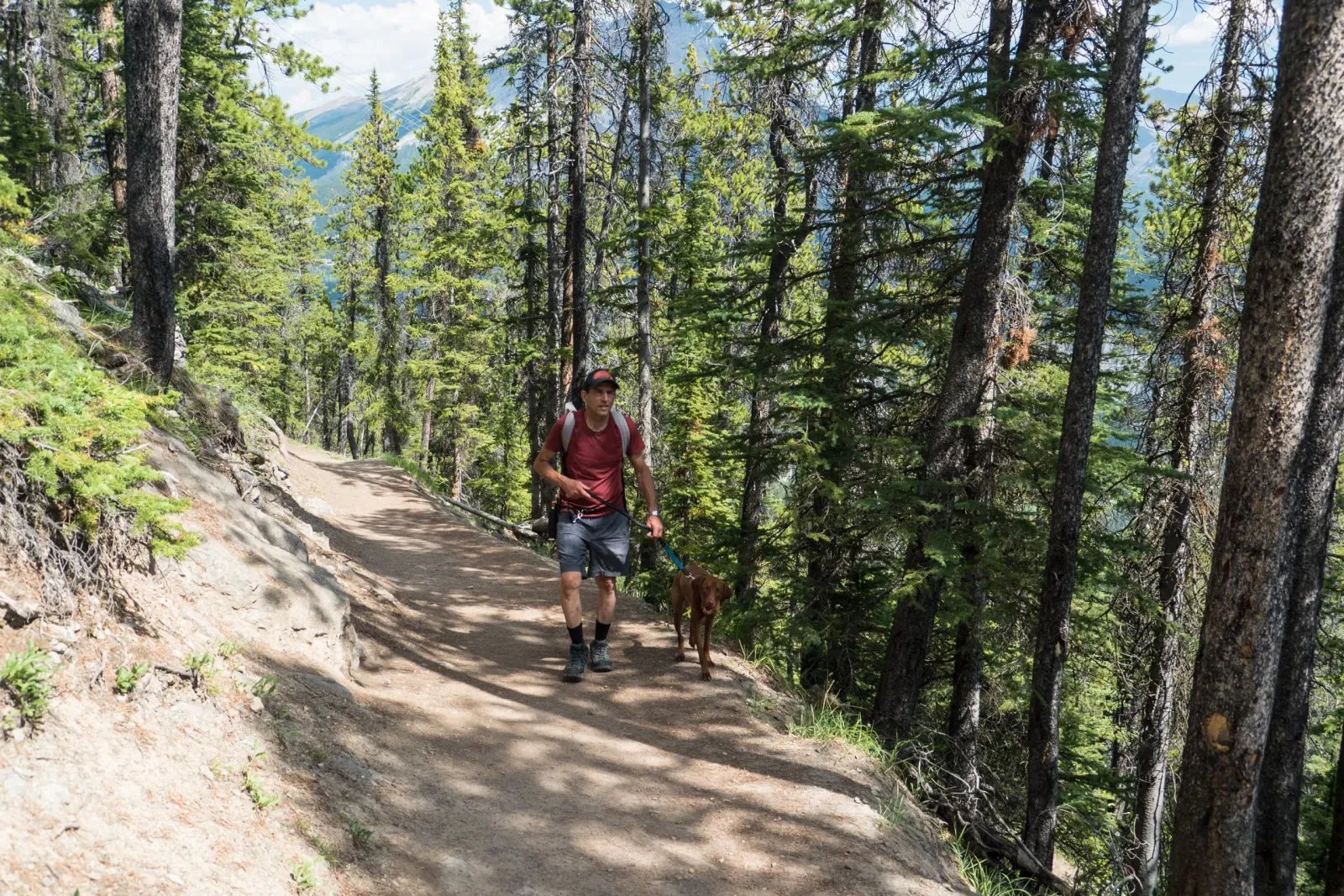
The basics of off-leash training are common sense.
Stephen Goldberg
Training Your Dog for Off-Leash Hiking
Knowing your dog's personality and temperament is crucial for effective training. If your dog is overly aggressive or ignores your calls, consider using a retractable leash before attempting off-leash hikes. If your dog already behaves well, follow these ABCs to prepare for off-leash adventures.
A: Appropriate Behavior
Teach your dog to remain calm and walk politely both on and off leash. Your dog should be comfortable around people, not jumping on them or begging for food from hikers. Also, train your dog to avoid aggression or overexcitement around other dogs or animals.
B: Basic Skills
Your dog needs to master some fundamental skills before off-leash hiking.
A dependable recall command is essential—your dog must return immediately when called. Start with simple recall practice at home, then gradually increase distractions during walks in familiar areas. If you're unsure, begin with a standard leash and progress to a longer, retractable one. As training moves farther from home, reward generously each time your dog resists a strong temptation or instinct.
Regular check-ins are another key skill. Train your dog to frequently look back at you. This allows them to check in and occasionally return without being called.
Sometimes recalls may not work in an emergency. When immediate action is needed, an impromptu sit or down command can be lifesaving. Like recall, start training at home. Gradually increase distance until your dog can obey the down command even from afar.
C: Impulse Control
Just as it's hard to suppress a sneeze, your dog will struggle to control impulses. Dogs instinctively chase squirrels, get excited around other dogs, and become aggressive when threatened.
Teach your dog impulse control before your first off-leash hike.
A popular method is the walk-away command. It goes against a dog's natural inclinations, but it works. You can teach your dog to turn away from potential triggers. Reward with treats whenever your dog resists instinct and follows the command.
These ABCs will help your dog progress toward off-leash hiking. But remember, your dog is still an animal. Despite thorough training, you remain responsible. So assess each situation and make wise choices.
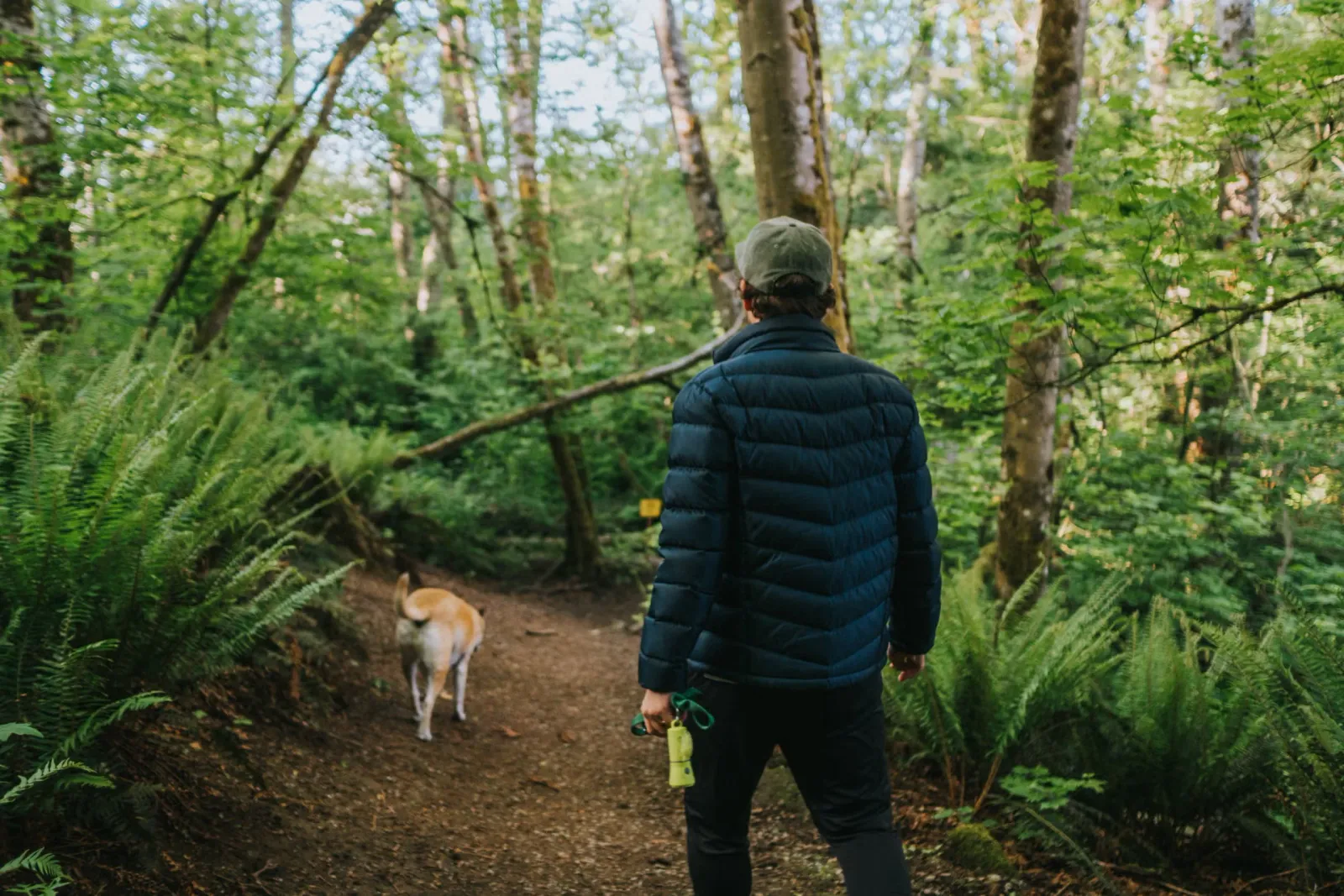
Learn as much as possible about what to expect when hiking a forest trail.
Elle Cartier
Keeping Your Dog Safe
As you prepare for your first off-leash hike, plan to learn as much as possible. Take precautions and be aware of hazards your dog might face.
Start by asking: is your dog old enough for a hike? How will you keep your dog cool and hydrated in summer? Then, learn about what to expect when hiking forest trails with a dog and gather tips to protect against bears and other wildlife.
When you're ready to hit the trail, watch for signs or warnings about:
- Venomous snakes
- Cliffs
- Wildlife and other animals
- Busy roads nearby
- Icy ponds
Personal Experience
We adopted a Labrador a year ago and were eager to take him on our trail walks. He had no behavioral issues, so we were confident he'd behave off leash, but it was chaos! He was so excitable, and getting him to return was difficult.
We tried training him on the go many times, but only when we started working on simple commands at home did we notice real improvement. Using simple recall commands daily and then practicing them on walks was very helpful, especially combined with a progressively longer, retractable leash. We kept up praise and treats for a long time. Now, he still gets excited but stays close and always responds to our calls and commands. It's wonderful to enjoy walking him without a leash and feel confident in his actions!
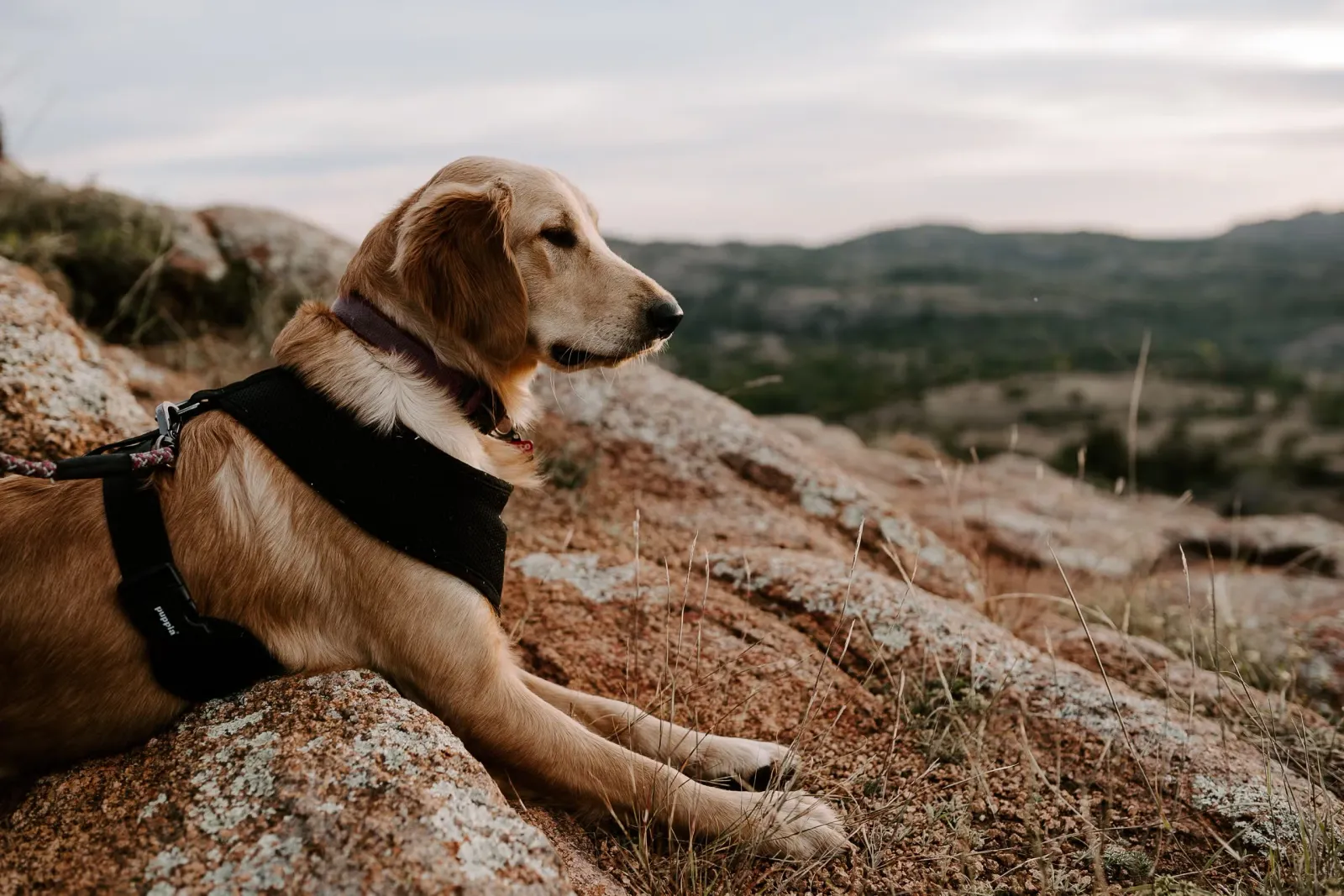
Be patient with your pup, and enjoy the trail!
Erin Hervey
Final Thoughts
Understanding off-leash hiking hazards, using common sense, and mastering the ABCs will elevate your dog's skills. However, your dog may still exhibit these behaviors:
- Inability to control predatory behaviors.
- Aggression towards other dogs and people.
- Unreliable response to recall and walk-away commands.
But don't give up. Keep a leash handy and continue training. Be patient until your dog masters the skills. It's your key to a worry-free off-leash hike.
This article is accurate and true to the best of the author's knowledge. Content is for informational or entertainment purposes only and does not substitute for personal counsel or professional advice in business, financial, legal, or technical matters.