Puppy Training Basics: Mastering Sit, Stay, and Wait
Avery Wilson

Key Principles for Effective Puppy Training
While there are countless approaches to puppy training, certain core principles apply across all breeds and ages. Before diving into specific commands, keep these guidelines in mind:
- Issue commands only once. Repeating "sit" multiple times—especially with increasing volume—teaches your puppy to ignore you rather than comply.
- Use clear, single-word commands. Your puppy doesn't understand human language; he learns to recognize specific sounds. Speak distinctly so he can hear and distinguish the command.
- Focus on one activity at a time. Young puppies can't handle too much information at once. Keep early sessions simple and set your puppy up for success. Each small victory builds confidence and eagerness to repeat the behavior.
- Keep sessions brief. Puppies have short attention spans and tire quickly. Set a goal for each session, end on a positive note, and then let your puppy rest.
- Avoid practicing failure. If your puppy isn't responding, end the session and try again later.
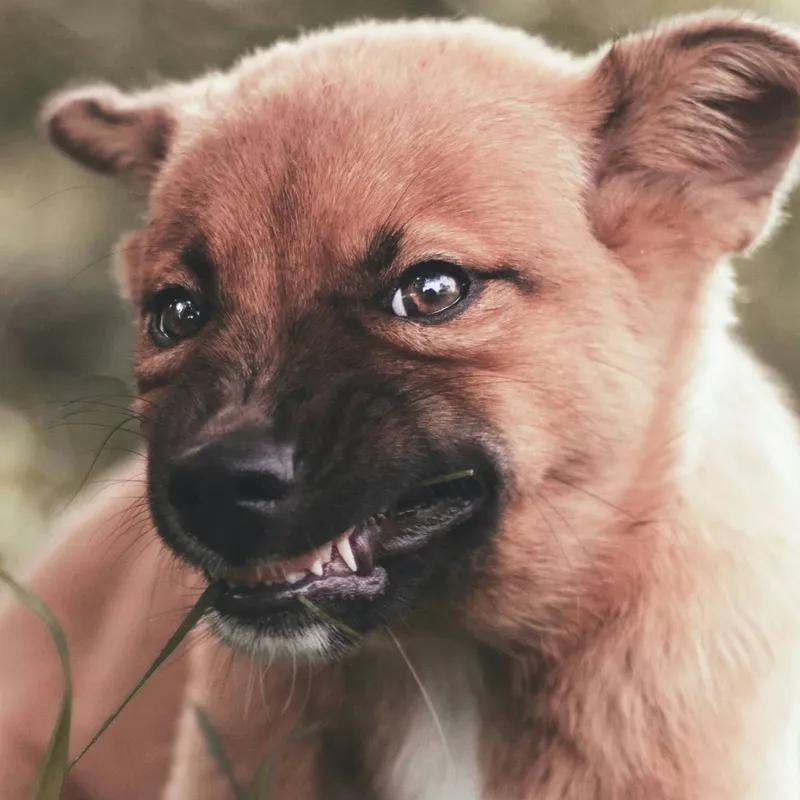
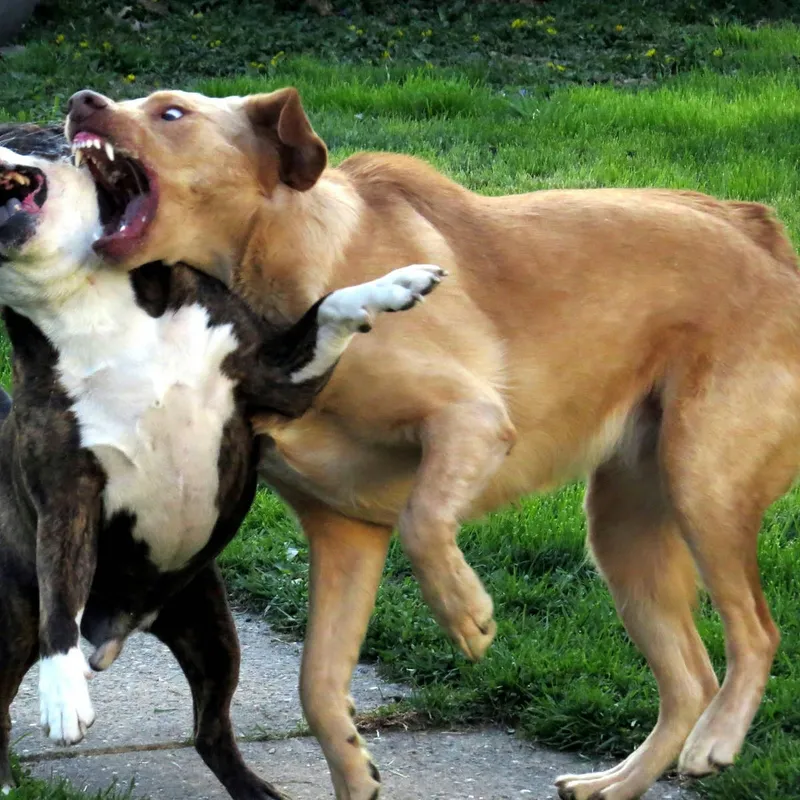
- Never shout or scold. Such actions can make your puppy fearful or teach him to be aggressive—neither is desirable.
- Remember: your puppy is a blank slate. At around eight weeks old, he may know how to eat, eliminate, and a little about socializing—but not much else. Early, proper training sets him up for life.
Internalizing these principles provides a solid foundation for successful training. Training is a journey for both of you; take your time, be patient, and enjoy the process.
Teaching Your Puppy to Sit on Command
The goal is a quick sit on command and for your puppy to remain seated until instructed otherwise. Especially with young pups, train in a quiet, confined space to minimize distractions and prevent him from wandering off.
While many methods exist, here are the simplest steps:
- Get his attention. He's too young to sit at a distance, so bring him close. A proper sit means bottom on the ground, legs underneath, and head up. Any other position is a slouch, not a sit. When you say "sit," pronounce it "ssssit" so he associates the sound with the action and the praise that follows.
- Use his favorite treat or toy. Hold it above his nose and move it upward and backward over his head. He should naturally shift into a sitting position. At that moment, say "sit" and praise him—but not too enthusiastically, or he'll get overexcited. Reinforce by repeating often and consistently: quick sit = praise; slow sit, slouch, or sloppy = nothing.
- Vary the length and location of sits over time. This improves consistency. As he gets better, choose a release word (mine is "fun"). Avoid using "play" as a release word, as it sounds too similar to "stay" and may confuse him.
- Practice is key. Once he sits for different durations and in different places, you can move on to teaching "stay."
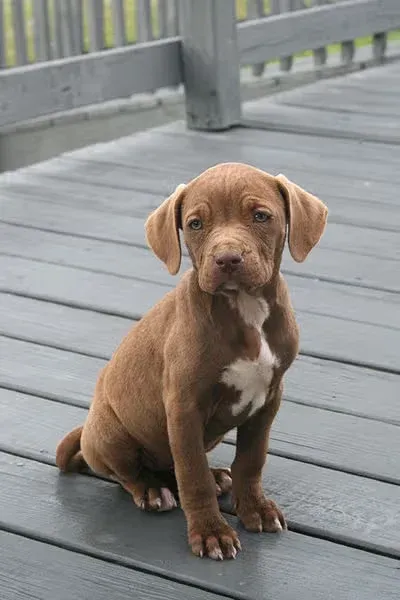
Training a puppy to sit.
s.wikimedia.org/wiki/User:Specious
Training Your Puppy to Stay on Command
First, it's important to understand the difference between "stay" and "wait." Though similar, they mean two distinct things in puppy training.
"Stay" means your puppy should remain in place, not moving under any circumstances, until you return to him and release him. Typically, you'd train "sit" and "stay" together, as this can keep him out of danger—for example, if he's near a busy road.
"Wait," on the other hand, is a temporary pause. You might use it when opening a garden gate, asking him to hold back before going through.
How to Teach the Stay Command
Once your puppy consistently sits on command, introducing "stay" is usually straightforward. The main challenge is that your puppy will want to follow you. To address this, do all training at close quarters until he's comfortable being separated from you.
As mentioned earlier, if you've practiced varying the length of sits, you're already on your way to teaching "stay."
- With your puppy in a sit, stand in front of him without moving. Introduce the word "stay" by showing the palm of your right hand and saying "stay." If you've practiced varied-length sits, he should stay. If he moves, re-seat him and try again.
- If he's sitting for varied lengths without moving, introduce the "step back." Take one step backward, still showing your palm, and stop. Wait ten seconds, then return to him and release him with praise. Repeat this exercise, gradually increasing the duration of the stay and the number of steps backward. Remember, he's a puppy, and his natural instinct is to follow you—don't get frustrated. Just return to his spot, re-seat him, and try again.
- Next, stand at his side and have him sit/stay. Take one step forward and stop. This may be harder for him since he can't see your face and may think you're leaving. If he stays, turn around to face him, pause, then return to him and praise him before releasing. Gradually increase the distance by taking more steps forward. Always turn to face him, pause, return, and praise before releasing him from the sit.
All puppies need practice, and some take longer than others. Consistency will soon have your puppy sitting and staying while you move a fair distance away.
Introducing the Wait Command
As noted, "wait" is a temporary pause, not a controlled stay. It can be done sitting or standing. The key is that your puppy stops what he's doing and waits for your permission to continue. Use "wait" only for brief stops; if you need him to stay put for a while, use "stay."
If your puppy has practiced "stay," he'll be used to waiting.
- To ask your puppy to wait, show him the palm of your right hand and say "wait." He may automatically sit—if so, great; if not, that's fine too. What matters is that he recognizes your palm as a signal to pause.
- When he stops, give him a few seconds, then call him to you and praise him. Don't go to him as you would with "stay." He'll soon learn the difference and see "wait" as a brief pause before fun resumes.
Final Thoughts
There you have it—the quickest ways to teach your puppy sit, stay, and wait. The secret is repetition, practice, and praise. Keep your puppy's age in mind. If he's very young, start slowly but start—it's never too early to build the foundation for a sociable, stable, happy dog. Your puppy will see training as a game that keeps his mind active and strengthens the bond of trust between you.
This article is accurate and true to the best of the author's knowledge. It is not meant to substitute for diagnosis, prognosis, treatment, prescription, or formal and individualized advice from a veterinary medical professional. Animals exhibiting signs and symptoms of distress should be seen by a veterinarian immediately.
© 2010 Aiden Roberts
Sources
- Puppy Training Basics: Mastering Sit, Stay, and Wait — pethelpful