Training and Socializing Your Rottweiler: A Guide to Preventing Aggression
Avery Wilson

Understanding Rottweiler Aggression
Rottweilers make excellent pets, especially for families, but they are frequently misunderstood. Many people view this breed as dangerous or intimidating, leading to unfair discrimination against them for years.
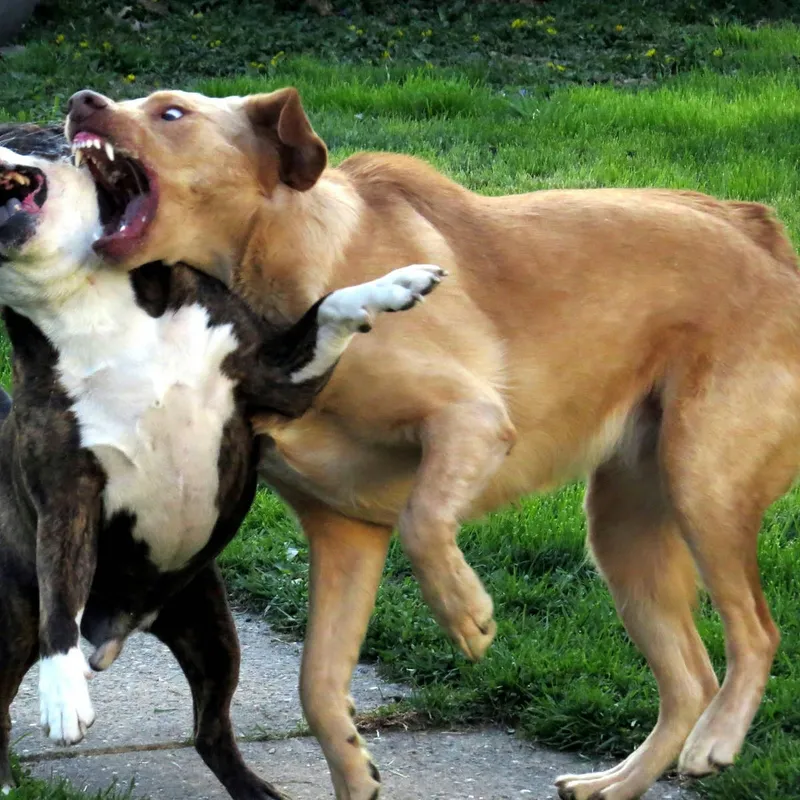
Actually, any dog has the potential to become aggressive if not raised properly. Rottweilers are large and strong, with powerful jaws, so they have the physical capacity to cause harm to humans or other animals. That doesn't mean they are naturally aggressive. Their natural inclination is to protect their territory, and they tend to be wary of strangers until they are properly introduced.
Historically, their instinct is to guard their home and family. Therefore, obedience training and socialization are essential and are the foundation for raising a friendly, well-adjusted dog. The good news is that Rottweilers are affectionate and deeply loyal to their families, yet they can protect when necessary.
Rottweilers are known for their love of their people and often act goofy around family and friends. They frequently behave like playful children and will do anything for love and attention. They are intelligent and strong, and they thrive when given a task. The American Kennel Club classifies them as 'working dogs,' and their intelligence, stamina, and eagerness to work make them well-suited for roles such as police dogs, herders, service dogs, therapy dogs, obedience competitors, and devoted companions.
What to Do When You Bring Home a New Rottweiler Puppy
Rottweiler puppies need proper obedience training so they grow into manageable, well-behaved dogs that listen and obey. A large dog that won't come when called can be frustrating for the owner and can further damage the breed's reputation among neighbors and friends. You must teach your dog that he is not the leader of your household and that you are in charge.
Obedience Class
The first step with your puppy is to enroll in an obedience class. Your local PetSmart or Petco should have information on classes in your community, and many large pet stores even offer their own. Another resource is the AKC website, where you can find local obedience classes in your area.
Using Positive Reinforcement Training
Rottweilers enjoy training. They feel secure and confident when they know what is expected of them and what they are and aren't allowed to do in the house. It's important to be consistent and to reward good behavior with treats and praise. Positive reinforcement is one of the best tools you can give your new puppy.
They will learn quickly. Remember that training any dog takes time, and stay positive. Your Rottweiler is highly attuned to your emotions and can sense frustration or anger, which may hinder his training. Maintaining a good attitude will help your dog learn faster and enjoy and respect the process. Being too harsh will only teach him to fear you and others, and can lead to aggression.
Using Clicker Training
'Clicker training' is an effective method to stop your dog from doing something undesirable. This involves using a clicker (available at pet stores) or a homemade device (an empty soup can with gravel inside, taped shut) consistently.
Keep the clicker with you at all times (until your dog is trained). The moment you see him doing something wrong—such as chewing on something, eliminating in the house, barking, or growling—click the clicker or shake your shaker, and say 'NO.' Using this method consistently will show your dog what he can and can't do, and soon you can stop using the clicker or shaker altogether.
Socialization and Preventing Aggression
Socialization is crucial in training your Rottweiler. Rottweilers that are kept isolated in the house and never see anyone besides family members will automatically feel threatened by all strangers. This leads to aggression and bad behavior. As soon as your puppy has all the proper vaccines, start taking him to the park and the pet store. Take him on walks and let neighbors pet him. In fact, encourage others to pet your dog. This is especially important if you don't have many visitors at home.
You must take your dog outside the house and socialize him. Don't allow your dog to growl at anyone—whether it's someone entering your house, a neighbor outside, or a stranger at the dog park. Yank their chain and tell them NO when this happens. You will notice your puppy's 'guard' instinct start to appear as they get older and become accustomed to their new life with you.
Sitting in the car, you'll see him start to growl as people walk by, or growl or bark while sitting at the window inside your house. You'll notice that your dog only seems to be protective while in his 'territory' (e.g., his house or car). Walking around outside and seeing other dogs and neighbors shouldn't trigger guarding. If it does, you have a problem.
Introduce Them to New People
When people enter your house, make sure your dog understands that you welcome them and are okay with them. Introduce the person or people to your Rottweiler right away. Never hold your dog back from someone—it will only make them feel threatened. Allow your Rottweiler to sniff hands and greet the visitors. Do not allow jumping up—use clicker training if your dog is a jumper. Commands like 'down' and 'sit' will help when visitors come over.
Puppies can be especially excited to meet new people, and teaching your dog to stay on the ground early will benefit you when he is a 100+ pound adult dog. Always tell your visitors your dog is friendly so they do not seem fearful. Rottweilers can sense fear in people, and this will cause him to feel fear as well, which can prompt aggression.
Provide Love and Affection
Rottweilers live for love and affection from their owners. They will be much better behaved if they receive it. Feeling like part of the family, while knowing their place in the pack (that they aren't in charge), will help you maintain a pleasant family environment with your dog. These aspects are important in raising a Rottweiler puppy.
Neglected or unloved Rottweilers can become aggressive and intimidating, which is where the breed gets its harsh reputation. The breed is not to blame; it's the people who aren't responsible when training their Rottweilers.
You will find that with proper training, love, affection, and socialization, your Rottweiler will be your biggest companion and can be one of the best dogs you'll ever have.
Resource
- American Rottweiler Club The Parent Club for the Rottweiler with the American Kennel Club
This article is accurate and true to the best of the author's knowledge. It is not meant to substitute for diagnosis, prognosis, treatment, prescription, or formal and individualized advice from a veterinary medical professional. Animals exhibiting signs and symptoms of distress should be seen by a veterinarian immediately.
© 2011 Ashley Gray