Addressing a Noisy Dog Next Door: Peaceful Approaches and Practical Solutions
Hayden Carter

When the Barking Never Stops
In any densely populated area, you're likely to encounter at least one dog that barks excessively. While many dogs only sound off at the occasional passing rabbit or postal carrier, others can keep it up for hours, fraying your patience. Before you reach your breaking point, there are several proven methods to bring tranquility back to your neighborhood without creating friction with the people next door.
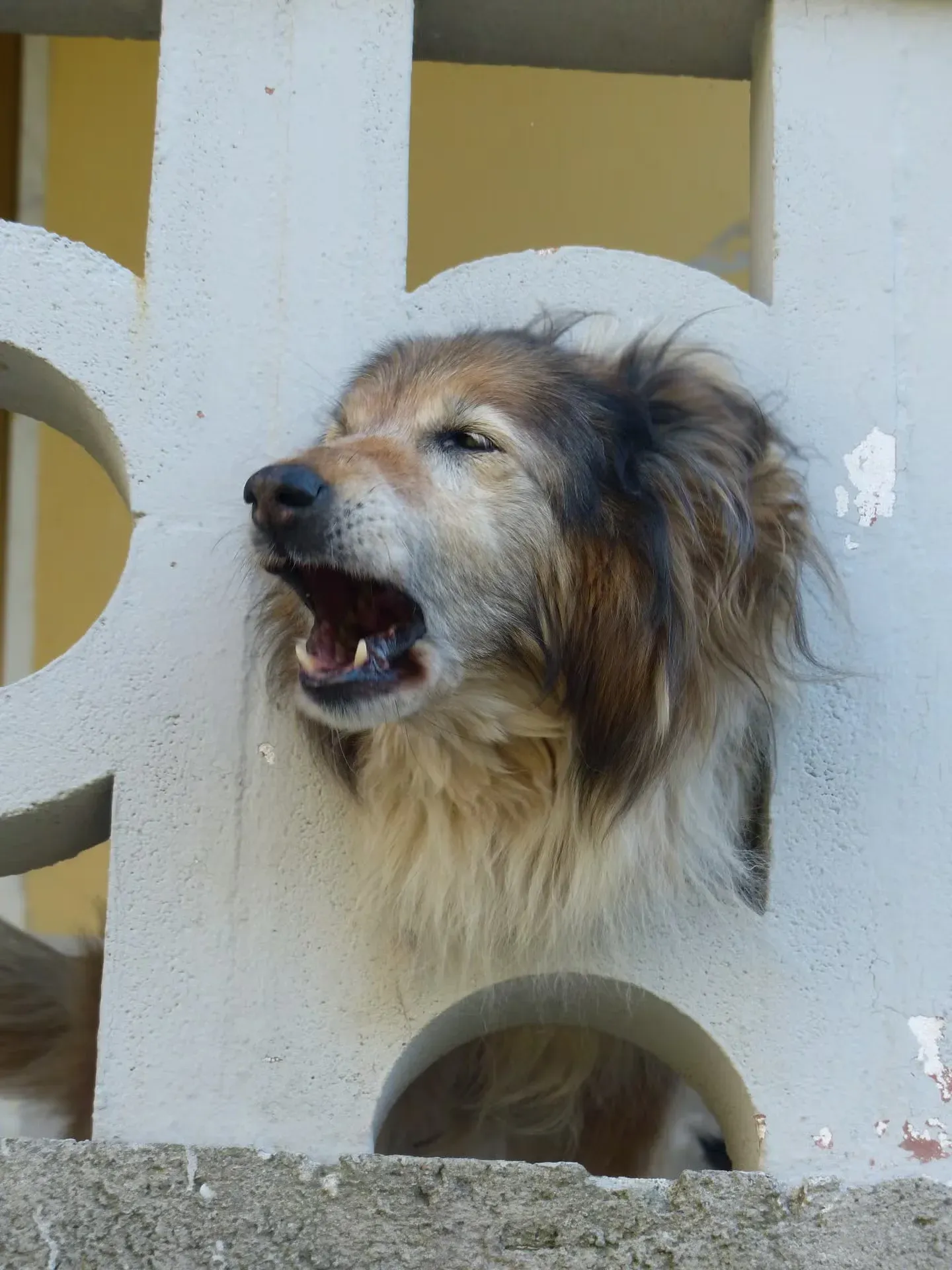
Dogs bark for a number of reasons, but excessive barking could lead to frustration for dog owners and their neighbors.
Pixabay
Understanding Why Dogs Bark
We can't know for certain what goes on in a dog's mind, but its actions often give clues about the reason for barking. A doorbell rings, and the dog barks to signal an alert. You pick up a tennis ball, and it barks to show it wants to play. Left outside too long, it barks to be let back in. Below are the most frequent triggers for barking:
- Dogs bark to guard their territory from intruders.
- Dogs bark when they feel lonely or bored. As pack animals, they can experience separation anxiety.
- Dogs bark to seek attention.
- Dogs bark during greetings or play. Children playing nearby can set off barking.
A Friendly Approach
I'm not comfortable with confrontation, but I've found that speaking in person can make a complaint feel less harsh. If your neighbor's dog barks nonstop for no clear reason, consider starting with a calm, amicable chat with the dog's owner.
One idea is to purchase a chew toy, tie a ribbon around it, and knock on your neighbor's door. You might introduce yourself with words like these:
“Hi. I’m your neighbor and I thought I would bring your little doggy a gift. He seems to be quite vocal and I thought this might calm him down. If it works, perhaps the other neighbors wouldn’t mind chipping in to keep him stocked in chew toys. Do you think he would like it or do you have any other ideas?”
Avoid visiting when you're annoyed or upset. If the owner sees that you have the dog's well-being in mind, they may be more willing to take constructive steps.

Ultrasonic sound waves do not harm pets.
Do-It-Yourself Solutions
When I first moved into my lovely Colorado neighborhood, I was captivated by the view of Pikes Peak, the park a few doors away, and the mature, tidy landscaping. But as soon as we unloaded the moving truck and let our 7-year-old West Highland Terrier into the backyard, a stressful territorial dispute began.
We hadn't realized that the neighbors directly behind us owned three large dogs that were quite vocal about their space. On top of that, the house next to theirs had two young children who enjoyed feeding the dogs through a gap in the fence, creating a chaotic situation.
Assuming they would all eventually adjust, I put up with the noise for about two weeks during that beautiful summer. When my family and I couldn't take it anymore, I turned to the experts: Google. I discovered a sound-emitting device designed to reduce barking. But as with many too-good-to-be-true fixes, it came with serious risks.
According to a January 2020 article in Psychology Today, these so-called aversive devices can lead to stress and psychological damage, so they should not be used on pets. Positive reinforcement is a gentler, more humane training method.
So I observed my Westie to identify what set off his barking. I quickly noticed that when he could see the other dog through the fence, the conflict escalated. I ended up overlapping the fence slats to block eye contact between the dogs. This didn't stop the barking entirely, but they calmed down faster.
I also bought a dog puzzle that required him to work for a treat. When barking started, I'd give him the puzzle, and he'd happily focus on it long enough for the other dogs to lose interest.
When to File a Formal Complaint
If reasonable efforts fail to quiet a barking dog, you can file a formal complaint. Many cities have noise ordinances that prohibit owners of dogs or other hoofed animals from allowing unreasonably loud or persistent barking, howling, or other disruptive noise. You can submit a noise complaint to the city, which will then look into the matter. If an animal control officer determines the noise is unreasonably loud or persistent within a specified boundary (in Colorado Springs, it's 500 feet from the property's outer perimeter), the city may issue a legal warning to the owner. Should the owner not address the issue within a reasonable timeframe, a citation can follow. Citations often carry penalties and may require a court appearance.