Understanding and Managing Canine Aggression Toward Other Canines
Hayden Carter
When Your Dog Reacts Aggressively to Other Dogs
It often surprises me that we anticipate our dogs to be perfectly friendly with every dog they meet. People frequently feel ashamed when their dog barks, growls, or makes any sound toward another dog.
In reality, it is more instinctive for dogs to be cautious around unfamiliar dogs. Consider a wolf pack: when a new wolf enters their area, they will drive it away. Wolves are highly territorial, and dogs can exhibit similar behavior unless they have been taught otherwise.
Aggression Can Be Natural
Even with training, we should not expect our dogs to be best friends with every other dog. Some dogs simply do not get along. Others may be friendly as puppies but develop aggression toward other dogs as they grow up. Like humans, dogs evolve based on their experiences, training, relationships, and innate temperaments. Even dogs that live together and appear to get along well can sometimes show aggression toward each other.
Key Questions About Aggressive Behavior
This article aims to address the following:
- What are the origins of aggression between dogs?
- Why does a dog act aggressively toward another dog?
- How can we stop dog-to-dog aggression?
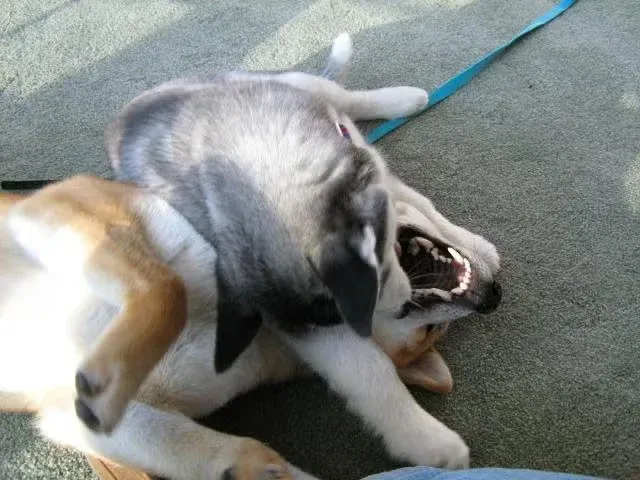
There is usually a reason or a trigger event that sets off dog to dog aggression.
Origins of Aggression Between Dogs
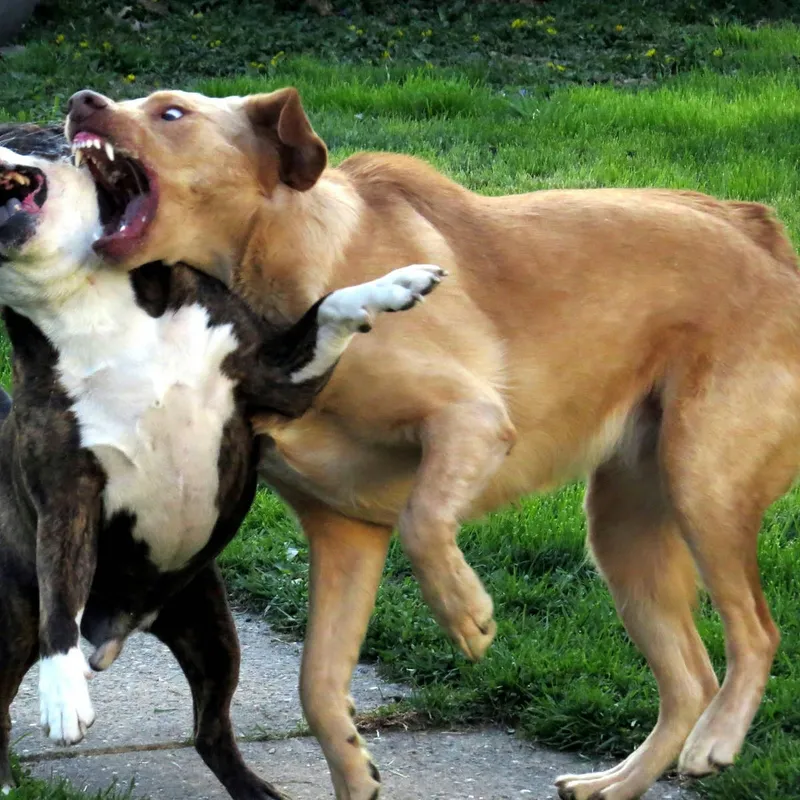
Dog-to-dog aggression often appears to come out of nowhere. One day, our dog is playing happily with the neighbor's dog, and the next, they are in a serious fight. Where does this aggression come from? How can friends suddenly become enemies?
The Role of Warning Signals
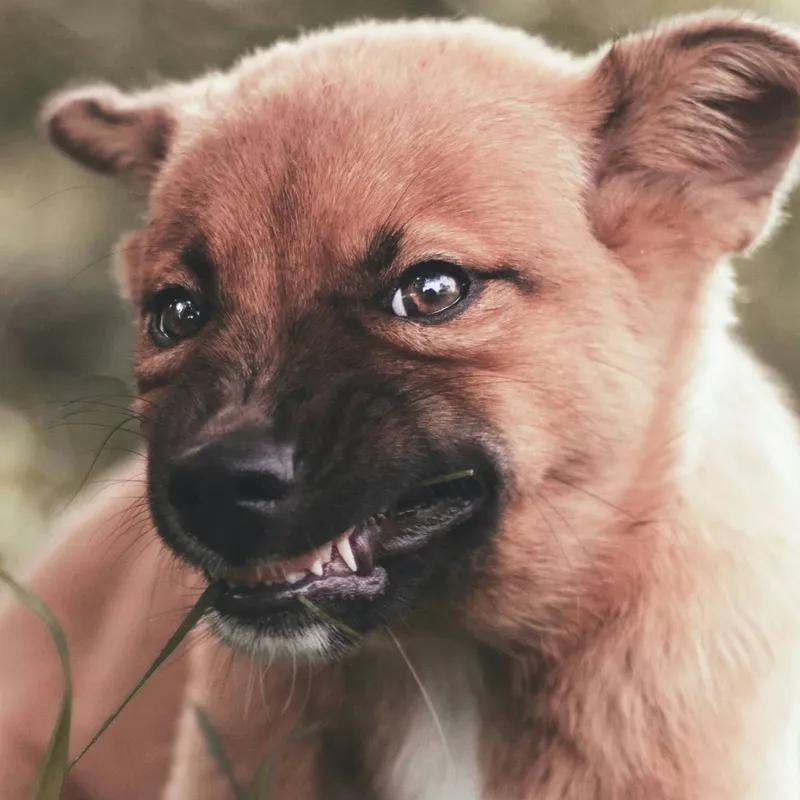
Although it might seem like dogs fight for no reason, there is usually a trigger. Dogs typically do not launch into a full attack without first giving warning signals.
In fact, dogs often communicate from a distance using body language and vocalizations.
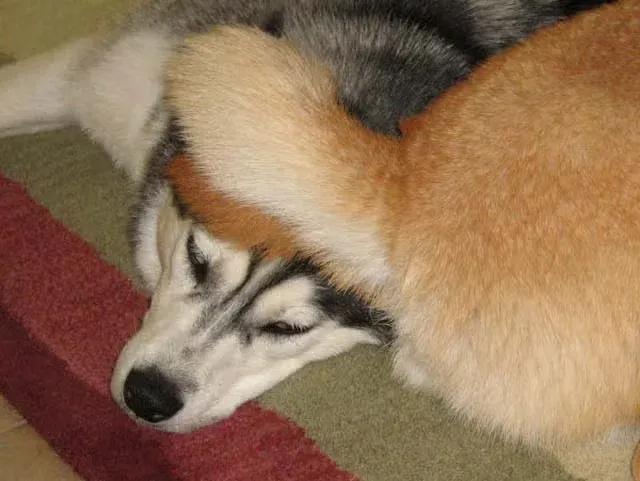
Butt action is ok when trust has already been established.
Example: The Butt Sniff
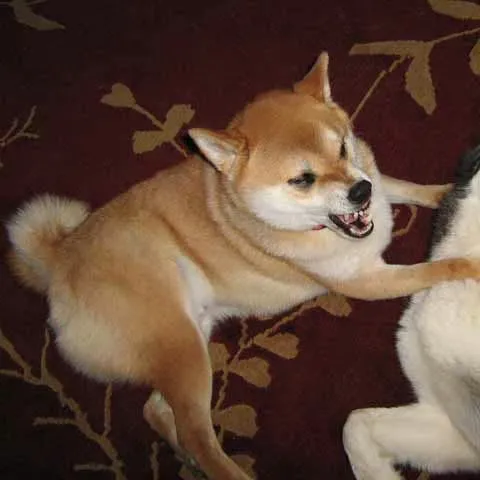
My Shiba Inu can become aggressive with other dogs, especially when they try to sniff his rear. Butt sniffing requires trust because the dog is allowing a stranger to put their teeth near sensitive areas while his own teeth are far away. The sniffing dog could easily attack and cause serious injury before the other dog could react.
When meeting another dog, my Shiba usually has a relaxed posture until the other dog approaches his rear. Then:
- he tenses up, signaling discomfort with the butt sniff;
- he may lift his lip and growl softly if the other dog does not back off;
- he will quickly turn and snap at the air if the other dog persists; and
- a fight may break out if the other dog still does not retreat.
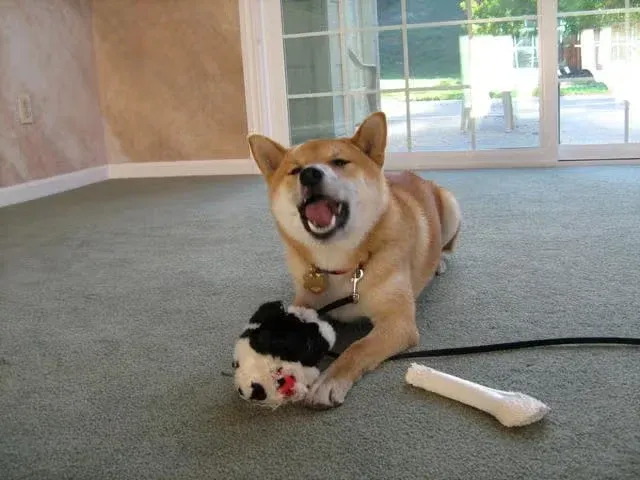
If we keep correcting our dog for giving warning signals and properly communicating his unease, he may decide to skip all the middle steps and go straight into an attack the next time he meets another dog.
Humans Often Misread These Signals
Since we do not speak dog, we frequently miss these cues. We only hear the bark or growl, interpret it as aggression, feel embarrassed, and punish our dog for actually communicating properly.
My Shiba gave numerous warnings to both the other dog and me, and only after we ignored all of them did he consider using his teeth.
If we continuously correct our dog for giving warning signals and communicating his discomfort, he may skip the middle steps and go straight to an attack the next time he meets another dog.
Featured Gallery
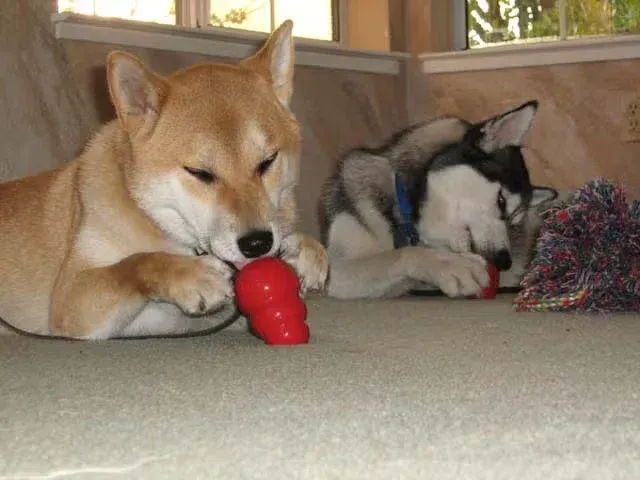
_Shiba Inu Sephy and Siberian Husky Shania sharing a meal together.
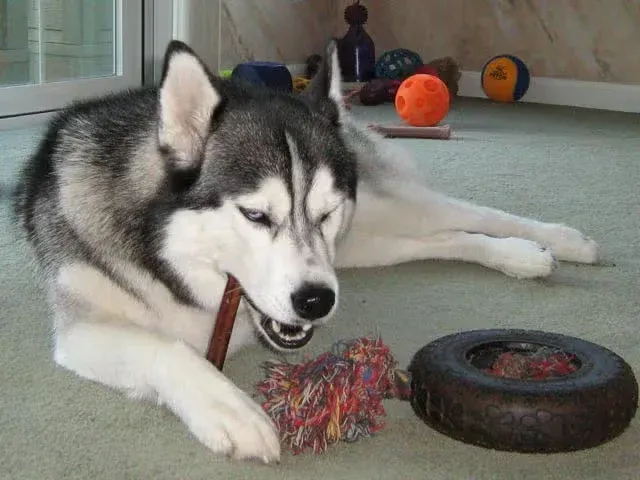
_Siberian Husky Shania working on her bully stick in peace.
Why Does a Dog Become Aggressive Toward Another Dog?
Dog-to-dog aggression can be triggered by many different stimuli, and whether a trigger leads to aggression depends on the dogs' moods, energy levels, and the surrounding context.
Common Triggers
- Competition for resources.
- Self-defense against a perceived threat.
Fights often happen over food, toys, territory, or mating rights. That is why bringing a female in heat to a public dog park is prohibited; it can easily spark fights among male dogs competing for access to her. Dogs may also fight over food and territory.
For instance, my two dogs get along well and even eat together. However, when I give them a high-value item like a bully stick, I separate them so they can chew in peace without worry of theft. My Shiba Inu is a mischievous thief who enjoys stealing just for fun. If he tries to steal my Siberian Husky's bully stick, that could trigger a fight.
Context Matters
Note: What causes aggression is highly dependent on context. For example, my dogs can eat together without issue because regular food is not worth fighting over to them. But if they were both very hungry, the situation could be entirely different.
In the butt-sniff scenario, my dog was defending himself from a perceived threat—the other dog putting its teeth near his sensitive areas. What each dog perceives as a threat varies. Therefore, it is crucial to observe our dog carefully and heed his signals. If we can identify his triggers, we can begin to help him overcome them.
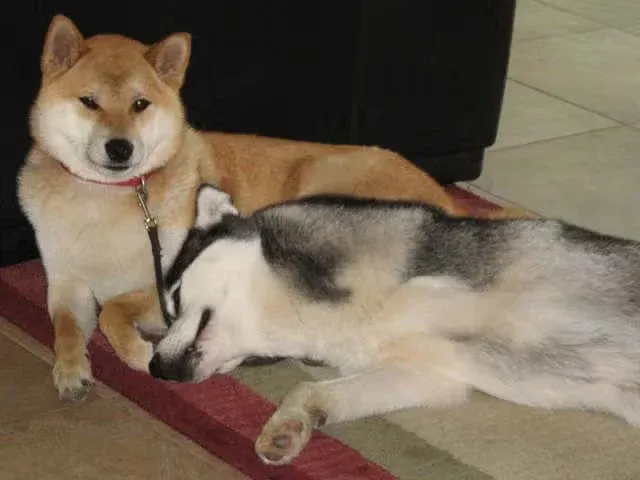
Shiba Inu Sephy and Siberian Husky Shania are best of friends.
Aggression and Dominance
A trigger event creates conflict between two dogs, but this does not always escalate into a fight. If one dog submits to the other, the conflict is usually resolved.
For example, my Siberian Husky is more submissive. Whenever there is a real conflict, she will typically submit to the Shiba Inu by rolling onto her back and exposing her belly.
Fights usually only occur when neither dog is willing to submit. In such cases, they settle the conflict with their teeth. This is why dogs with more dominant personalities are more challenging to live with—they will stand their ground and not back down, requiring others to yield. The same is true for people with dominant personalities.
When I got a second dog, I deliberately chose one with a more submissive temperament. My Shiba Inu is dominant and gets along better with relaxed, playful, submissive dogs.
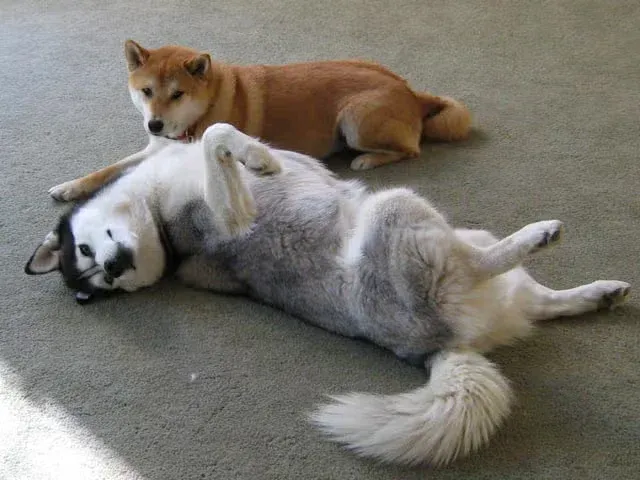
Dog fights usually only arise when both dogs are unwilling to submit.
How Can We Stop Dog-to-Dog Aggression?
For dog-to-dog aggression, hiring a professional trainer is often very helpful. A trainer can observe our dog in real time and catch body language we might miss, enabling us to interpret our dog's interactions accurately and pinpoint the source of his aggression.
Strategies That Have Helped With My Shiba Inu
Some approaches that have helped me manage my Shiba Inu's dog-to-dog aggression:
- Stay calm and have a plan. If we become angry, fearful, or frustrated, our dog will sense that energy and become more stressed.
- Create as many neutral experiences as possible. If nothing happens each time we see another dog, our dog will learn to be more relaxed around them.
- Do not allow a dog to practice aggressive behavior. The more he rehearses aggression toward another dog, the more likely he will repeat it.
- Set our dog up for success. Only let him greet friendly, relaxed dogs that we are certain he can handle. This builds his confidence and helps him better handle greetings in the future, and it also boosts our own confidence.
- Desensitize our dog to other dogs in a controlled training environment.
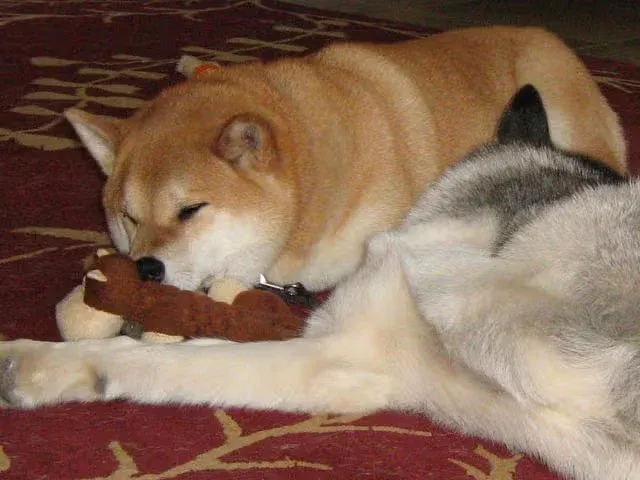
If a dog keeps having negative experiences with other dogs, he will ultimately resort to using aggression to protect himself.
Dog Socialization
Dog socialization has recently become trendy. Dogs are often forced into social situations they are uncomfortable with. However, if a dog keeps having negative experiences with other dogs, he will eventually resort to aggression to protect himself. Positive greetings condition a dog to enjoy other dogs' company; negative greetings teach him to be anxious or fearful of his own kind.
- If we continue to force our dog to meet unbalanced dogs or dogs with conflicting temperaments, we will only worsen his dog-to-dog aggression issues.
- If we help our dog by carefully choosing his playmates and respecting his social boundaries, he will grow up to be a more balanced, confident, happy, and relaxed dog.
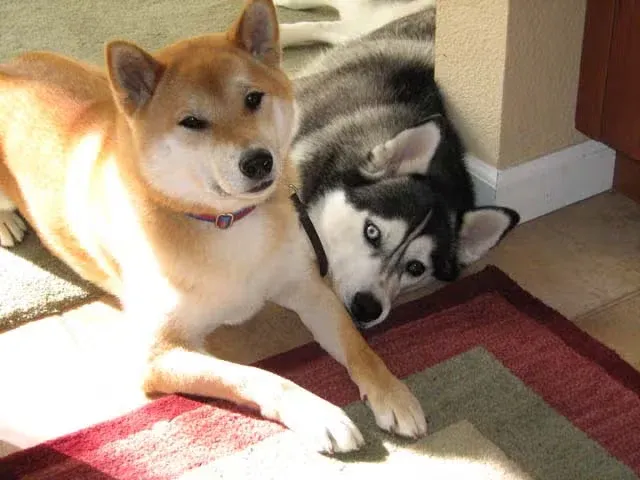
If we help our dog by carefully choosing his play-mates and respecting his social boundaries, he will grow up to be a more balanced, happy, and relaxed dog.
This article is accurate and true to the best of the author’s knowledge. It is not meant to substitute for diagnosis, prognosis, treatment, prescription, or formal and individualized advice from a veterinary medical professional. Animals exhibiting signs and symptoms of distress should be seen by a veterinarian immediately.