Puppy Pooping in Crate: Why It Happens and How to Stop It
Kai Lee
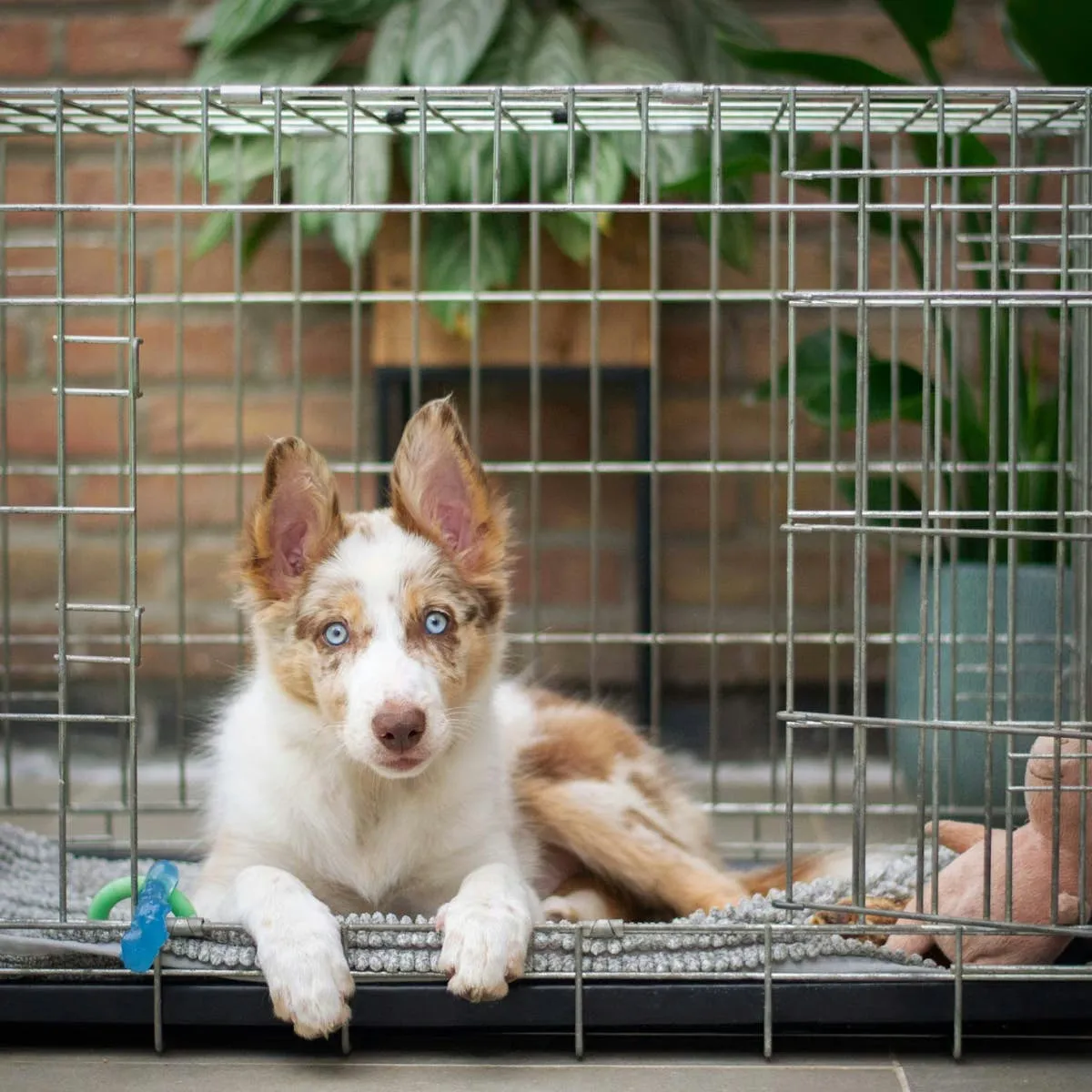
Crate Soiling in Puppies: A Common Challenge
When a puppy defecates in its crate, what might seem like a small mishap can quickly become a demanding cleanup: the entire crate must be sanitized, bedding laundered, and the puppy bathed. Beyond the mess, no owner wants this behavior to become habitual. Coming home to a foul odor or waking up to the stench of feces is unpleasant, and leaving a puppy confined in a soiled crate is uncomfortable for the animal.
Related: Why Your Dog Has Started Pooping in the House & How to Stop It
Determining the Root Cause
Not all instances of crate pooping are the same. In puppy potty training, there are different underlying reasons, so resolving the issue requires careful assessment to identify the root cause. One key question: has the puppy been soiling the crate since you brought it home, or is this a sudden new behavior? The answer can help pinpoint the cause.
In This Article
- The Importance of a Good Start in Potty Training
- Why Is My Puppy Pooping in the Crate? 6 Possible Reasons
- How to Prevent Puppy Poop Accidents
The Importance of a Good Start in Potty Training
Responsible breeders begin potty training basics when puppies are just three to four weeks old. They teach young puppies that eating, drinking, playing, and sleeping areas should not be soiled. To achieve this, the mother dog and her litter are housed in a den-like enclosure with separate zones for feeding, playing, and sleeping, and a designated elimination area on the opposite side. This area often has a special surface—such as pee-pads, newspaper, sand, or grass—to help puppies associate that texture with relieving themselves.
Additionally, good breeders introduce puppies to crates early, helping them get used to being inside and learn that the crate is for eating, chewing, relaxing, and sleeping, not soiling. Thus, from a young age, the puppy views the crate more as a bedroom than a bathroom. Puppies who miss these early lessons may be harder to potty train, causing frustration for new owners.
Related: When Can My Puppy Go Outside to Potty Train?
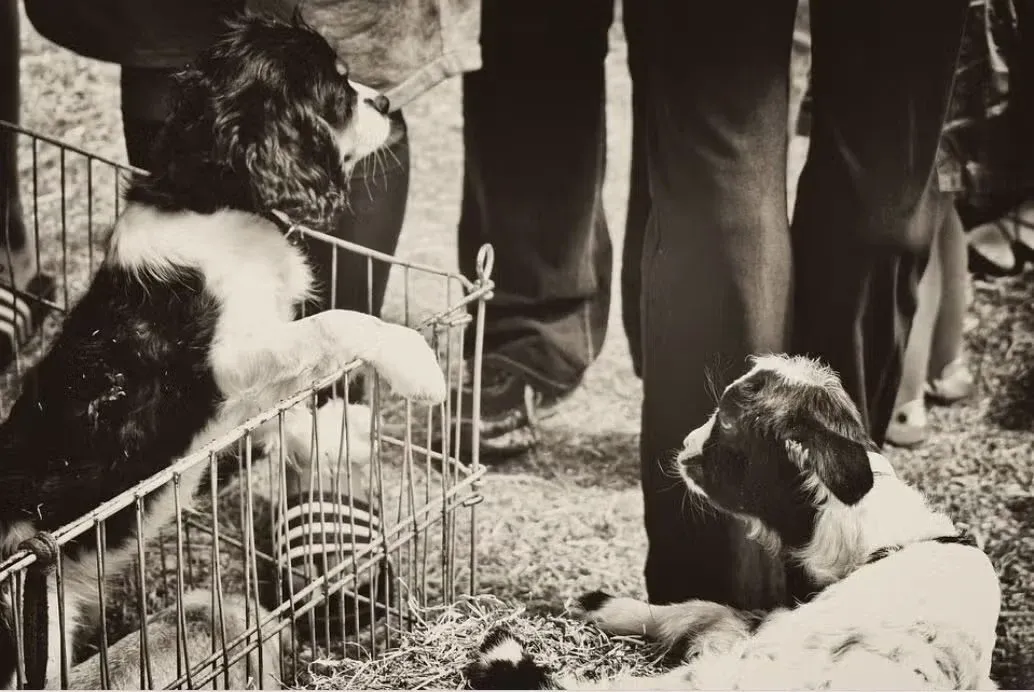
Puppies sold in pet stores or other places are often forced to soil in their crates.
Why Is My Puppy Pooping in the Crate? 6 Possible Reasons
Pinpointing the exact cause of crate soiling isn't always straightforward. However, with some background knowledge, you can better solve the puzzle. Here are several pointers and possible reasons for the behavior.
1. The Puppy Is Too Young to Hold It
Most puppies join their new homes around 8 weeks of age, though some breeds may be placed later because they develop more slowly and need more time with their mother and littermates. For instance, the American Maltese Association Code of Ethics recommends that Maltese puppies stay with their mothers until 12 weeks of age. Between 8 and 16 weeks, most puppies are physically unable to hold their pee and poop overnight and need at least one or two nighttime potty trips. Therefore, before crating your puppy for the night or leaving him for extended periods, make sure he is 'empty'—that is, he has both peed and pooped. The takeaway: if a puppy is crated longer than he can hold it, accidents will happen.
Related: Why Is My Dog Waking in the Middle of the Night to Poop?
2. The Crate Is Too Large
Recall how breeders set up a den with distinct sleeping and elimination areas, and how they introduce crates as sleeping quarters. Crate size is crucial for potty training. If the crate is too big, a puppy may learn to pee or poop in one corner and sleep comfortably in the other. For the crate to be an effective training tool, it should be just large enough for the puppy to stand, turn around, and lie down comfortably, but not so large that he can sleep in one corner and soil the opposite one. The crate's purpose is to encourage the puppy to hold it as he develops, because he instinctively avoids soiling his 'bedroom' (the denning instinct), and eventually to signal when he needs to go outside.
3. The Puppy Is From a Puppy Mill/Pet Store or Bad Breeder
If your puppy came from a pet store or an unknowledgeable breeder, he likely missed important early lessons. Puppies raised in puppy mills and then sold to pet stores are often kept in cages most of the time, which teaches them that the cage is their bathroom. They therefore have no issue pooping there when the urge strikes. This severely hinders potty training, as these puppies never learn to hold it—they go the moment they feel the need. Once introduced to a crate, they see it as a bathroom and will eliminate as often as necessary.
4. The Puppy Has Medical Issues
If your puppy was doing well with potty training and suddenly starts having accidents, give him the benefit of the doubt—he may have a medical problem. Soft stools and diarrhea can affect a pup's ability to hold it, as the need becomes more urgent and frequent. Soft stools and diarrhea in puppies are often caused by dietary indiscretions (eating inappropriate items), abrupt diet changes (introducing new foods too quickly), intestinal parasites, or even potentially life-threatening conditions like puppy parvo, which can be prevalent in some areas.
5. The Puppy Is Anxious or Stressed
If your puppy is not used to the crate, struggles when left alone, or is afraid of noises, accidents in the crate can occur. Even a move or other change can upset a sensitive puppy's stomach.
6. The Puppy Has a History of Punishment
If your puppy has been punished frequently for pooping, he may learn to hide to poop. In other words, if you caught him pooping on the floor and reacted with anger or frustration, he may associate pooping in your presence with punishment. This can lead to the puppy holding it and then pooping as soon as he is crated and you are out of sight.
Related: Why Hitting Dogs Is Unacceptable
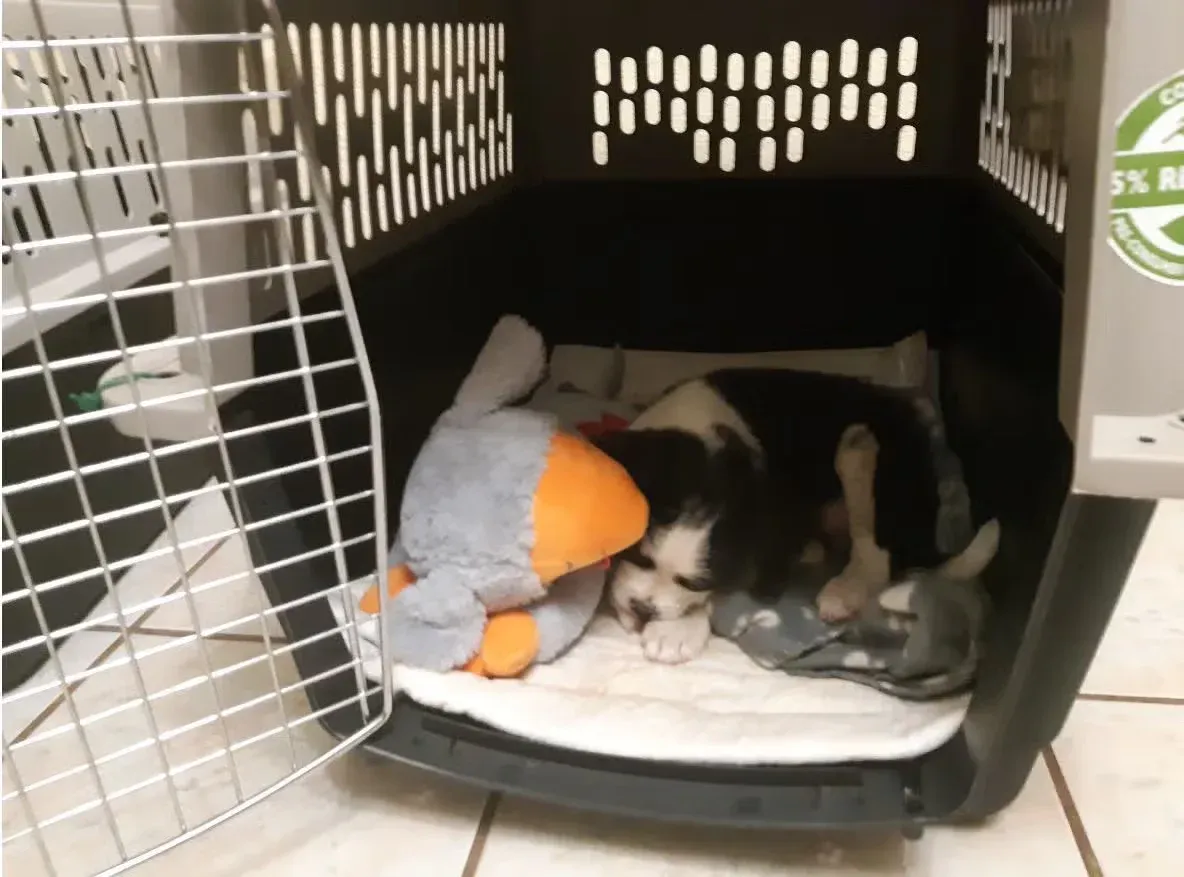
Sensitive puppies can develop stress diarrhea when they travel, are boarded, or move to a new place.
alexadry all rights reserved
How to Prevent Puppy Poop Accidents
As we've seen, there are multiple potential causes for a puppy pooping in the crate. Addressing the issue quickly matters because repeated poop accidents in the crate can gradually erode the pup's natural aversion (denning instinct) to soiling where he sleeps. Below are several tips to stop a puppy from soiling his crate.
Exclude Medical Problems
This is a key step because diarrhea may not resolve until the underlying medical cause is treated. Mild diarrhea from eating something unusual or temporary stress can often improve with home remedies for dog diarrhea, but young puppies should see a vet, as they are more prone to dehydration after several bouts. Bringing a stool sample to the vet to rule out intestinal parasites can be helpful.
Feed a Good Diet
Cheap, low-quality foods often cause dogs to produce a lot of stool. A high-quality diet leads to less stool and firmer consistency, so you're less likely to see accidents because he won't need to go as much or as often.
Schedule Earlier Meal Times
Try feeding no less than six hours before your puppy is crated for the night. For example, if your puppy is crated at midnight, plan to feed him no later than 6 pm. The later a puppy is fed, the more likely he is to defecate overnight.
Schedule More Frequent Potty Trips
Take your puppy out of the crate more frequently to reduce the chances of soiling the crate. When your puppy poops outside, praise him and reward him with tasty treats.
Listen to Your Puppy Carefully
Sometimes puppies signal a need to potty in the middle of the night, but owners fail to hear them. This often happens when the crate is far from the owner's bedroom or the owner sleeps very deeply. A baby monitor can help in these cases. Setting your alarm for a middle-of-night trip can prevent accidents if they routinely happen around the same time. Then, as the pup develops, you can try setting the alarm later and later until the pup sleeps through the night and goes potty first thing in the morning.
Make Sure Your Crate Is the Correct Size
The benefit of a snugger crate is that puppies must choose between holding it or sleeping on their mess until their owners are awake. A crate divider can help make a large crate snugger.
Use a Long-Term Confinement Area
Puppy owners who work long hours or are unable for whatever reason to get up to take their young puppies out to potty when crated at night should keep their puppies in a long-term confinement area with pee pads on one side and a doggy bed on the opposite side.
Related: Will My Puppy Ever Learn to Like His Crate?
Ensure Your Puppy Is Empty
Make sure your puppy is always 'empty' before being crated for some time. Yes, that means he has done the 'double whammy'—peeing and pooping before being crated. Training your puppy to go potty on command can come in handy as your puppy grows.
Use Enzyme-Based Cleaners
Clean the crate with an enzyme-based cleaner (like Nature's Miracle, which I have been using for years) and wash any bedding in your washing machine, followed by another spray of enzyme-based cleaner to remove any traces of poop smell. This type of cleaner aims to destroy the protein molecules in urine and feces rather than just covering up the smell. Failure to do so may lead to repeated pooping, since any poop odor will confirm to the dog that the crate is his bathroom.
Related: What Can I Spray on My Carpet to Stop My Dog From Peeing on It?
Don't Let Your Guard Down
As puppies improve in their potty training, we dog owners may often become more lax because we think they are trained; however, we need to remember they are still young and learning, so it is important to remain vigilant. Incomplete house training is a big issue, and it can persist into adulthood.
Avoid Punishing Your Puppy!
As mentioned, punishing your puppy for having an accident often leads to puppies learning to hide from you to poop. Smart puppies may quickly learn that when they're crated, they are often left alone, so they can finally poop without you being around. Some puppies may go as far as pooping in the crate and then eating it to hide the evidence. If your puppy has an accident, don't get angry. Try to be proactive rather than reactive. Just clean the mess up, reminding yourself that your puppy is just a baby and learning and that you could have prevented the accident by taking her out and not leaving her unsupervised. If you catch your puppy in the act about to poop somewhere she's not supposed to, simply try to distract her and entice her to follow you outside to the proper potty area where she can finally go, and you can then praise her lavishly and reward her.
Create Positive Associations With the Crate
You want your puppy to love being in the crate and associate it with good things, like gnawing on a long-lasting chew, finding toys and tasty treats in it, and feeling comfortable and safe. A crate should never be used as a place for punishment or timeouts. It should be a place your puppy is happy to enter. This, of course, takes some time, but this is very important.
Try Calming Aids
There are several calming aids available for puppies who are anxious or stressed. An example is a DAP collar, which is impregnated with a man-made, synthetic version of the dog-appeasing pheromone (DAP), a pheromone that nursing dams give off to their pups to help them feel calm. DAP is also available in the form of dog pheromone diffusers. I always keep a pheromone diffuser on when fostering puppies or having puppies over for boarding and training. It helps them adapt more readily and sets the tone for calmer introductions in a new environment.
Related: 18 Great Ways to Help Your Anxious Dog Relax
This article is accurate and true to the best of the author's knowledge. It is not meant to substitute for diagnosis, prognosis, treatment, prescription, or formal and individualized advice from a veterinary medical professional. Animals exhibiting signs and symptoms of distress should be seen by a veterinarian immediately.
© 2021 Adrienne Farricelli CPDT-KA, Dip.CBST