Identifying and Managing Jealous Behavior in Your Dog or Cat
Jordan Gray
Is It Really Jealousy?
When a household changes, your pet might struggle to adjust. This can happen when you bring home a new animal or a new baby. You might not label it jealousy, but the disruption is real.
Pets can show jealousy through various unusual behaviors. Fortunately, there are strategies to handle these issues and keep your home peaceful for everyone.
Seven Indicators of Jealousy in Pets
To start, it helps to know how a jealous or territorial pet might behave. Look for these signs in your cat or dog:
1. Hissing, Barking, or Growling
These vocalizations might target whatever is causing the jealousy. A cat could hiss at a new baby, or a dog might bark at a new kitten in the house.
They might also direct these sounds at you, especially when you're focused on the trigger. A normally quiet dog may start barking at you whenever you pick up the baby.
2. Constantly Underfoot
Your pet might seek more of your attention by staying close. Cats that usually aren't lap cats may suddenly climb on you; dogs may follow you from room to room.
3. Withdrawing
On the other hand, your pet might sulk and avoid you. Cats tend to do this more than dogs, but either species can show it.
4. Overgrooming
Your dog or cat might lick itself much more than usual to cope with feeling neglected.
5. Changes in Eating
Pets may eat differently due to the household change causing jealousy. Those with constant food access might overeat (more common in dogs). Others might eat less (more common in cats).
6. Acting Out
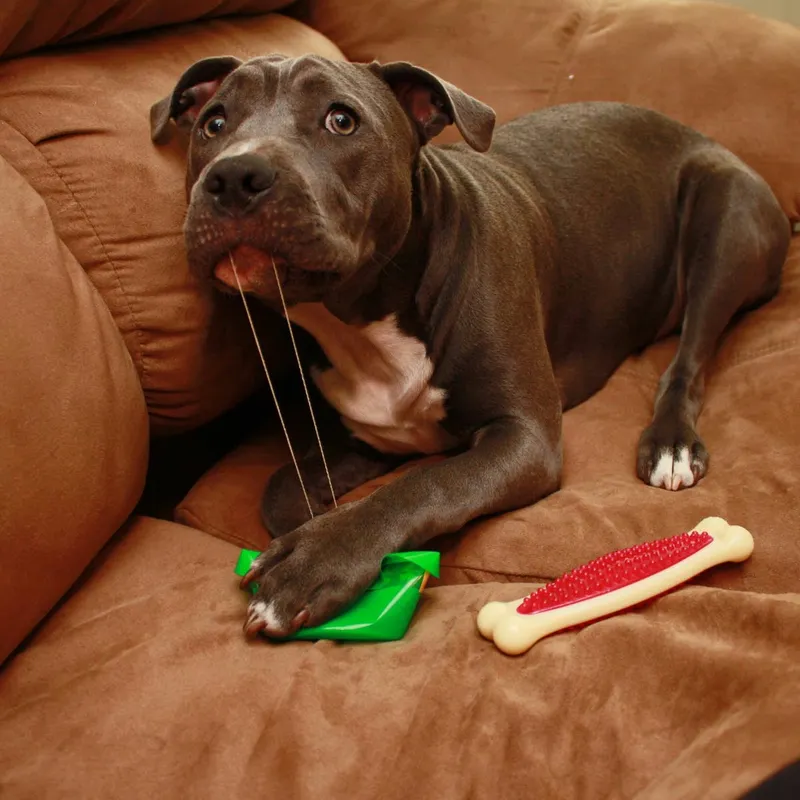
If your pet suddenly destroys things, chews on items, or acts wild indoors, consider whether jealousy could be the cause.
7. House Soiling
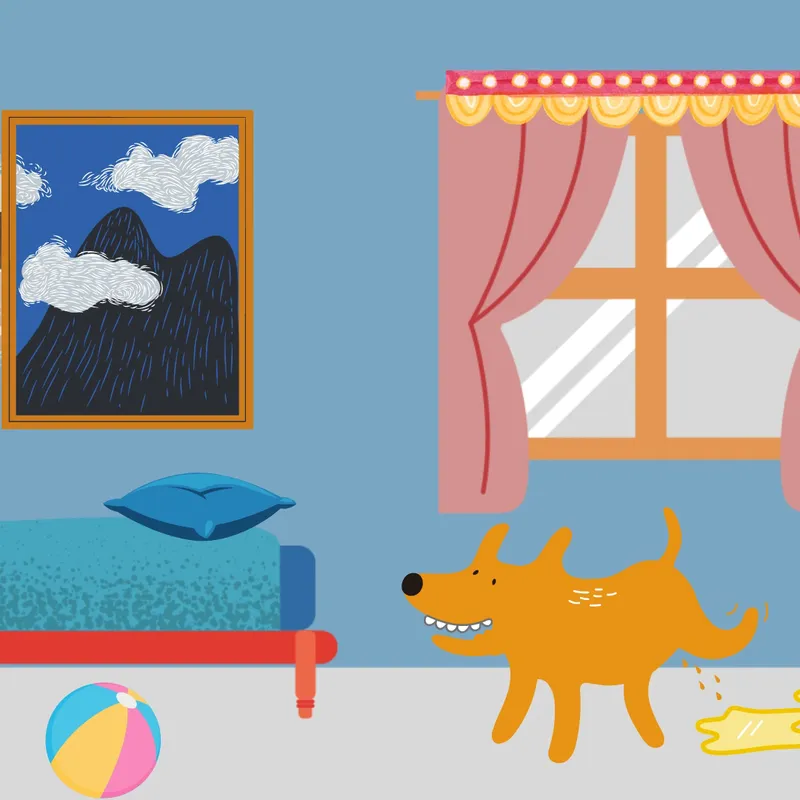
If your house-trained pet starts having accidents, jealousy might be a factor.
How to Confirm It's Jealousy
If your pet's behavior shifts in any way and seems linked to a household change (like a new pet or baby), they might be feeling territorial and jealous.
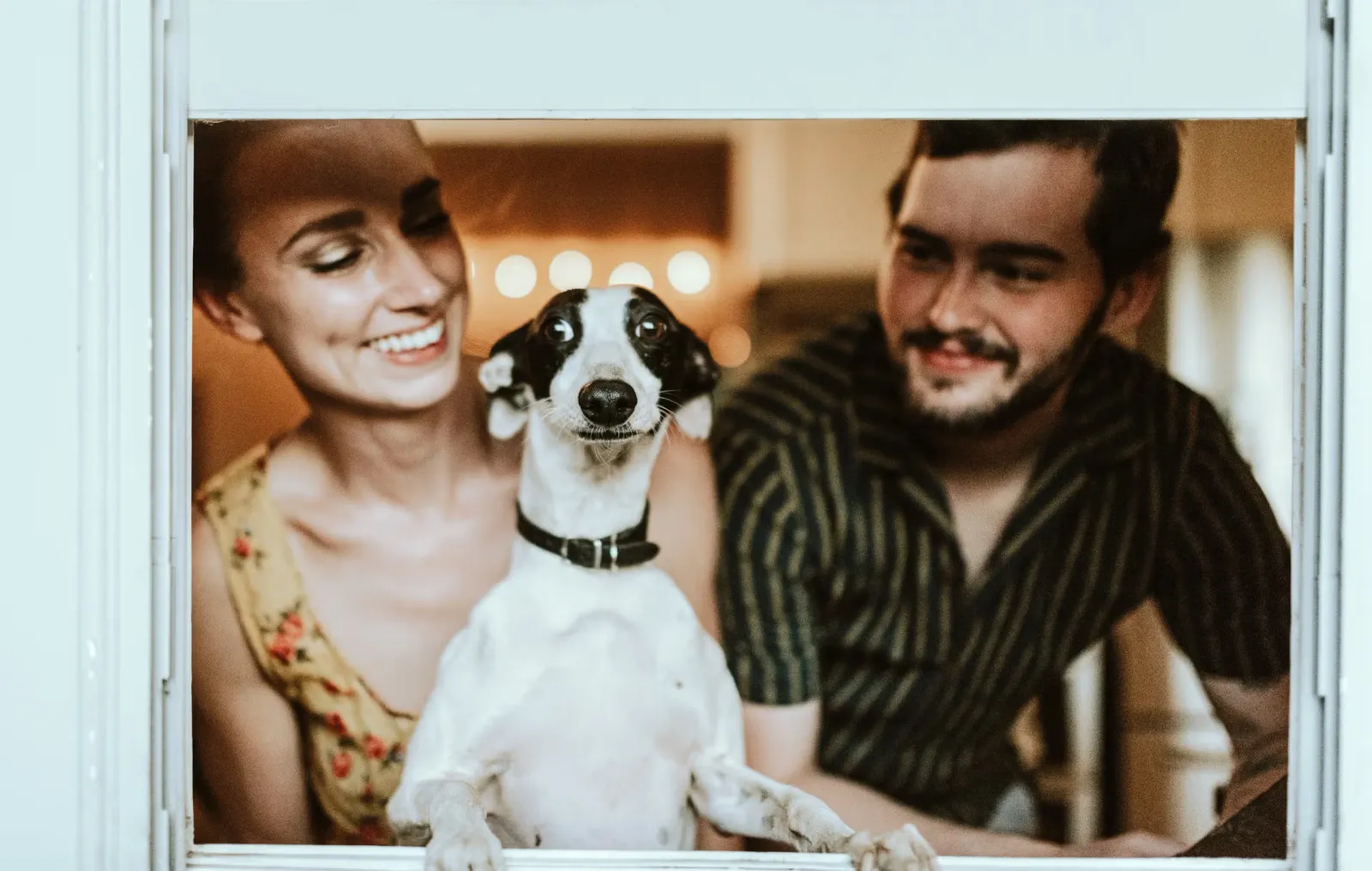
A jealous dog may try to be with you—all the time.
Photo by Chewy on Unsplash
Five Ways to Help a Jealous Pet
Once you spot the signs, you can make changes to ease tension at home. You might think your pet just needs to get used to the new arrival, but addressing their territorial needs can restore harmony. Here's what you can do:
1. Offer Extra Love and Attention
Give your pet the attention they crave. They might need a little extra care during this transition, and as a responsible owner, you should provide it.
2. Address the Triggers
Identify what's causing the issue and fix it. If the baby plays with the cat's toys and that upsets the cat, put the toys where the baby can't reach but the cat can. If the dog gets angry when the cat jumps on the bed, stop letting the cat on the bed. Small adjustments can make your pet feel secure enough to stop being territorial.
3. Be Consistent with Discipline
Don't tolerate bad behavior or let your pet take over with these new habits. Use your usual disciplinary methods when they hiss, growl, destroy things, or act out.
4. Monitor During Changes
Supervise your pet during transitions. Be present often when introducing a new pet or baby. You might feel frustrated, but it's your job to keep the home stable.
5. Practice Patience
Give it time. Your pet will eventually adjust to the new situation, so be patient.

Be patient with your pets. Change is hard for everyone!
Photo by Chewy on Unsplash
Jealousy Is a Common Issue for Pet Owners
I've often said my old dog Rusty was the most jealous dog I've ever known. Some people insist animals can't feel jealousy, but Rusty's actions showed he was jealous of everything. If I petted my other dog—whom Rusty had grown up with—Rusty would immediately wedge himself between us and demand attention.
You might avoid the term jealousy because you doubt animals feel it. But can you ignore the behavior? You might call it territorial instead. Whatever you call it, it happens and you'll likely need to deal with it if you have pets.