Rethinking Puppy Raising: Life Beyond the Crate
Jordan Gray
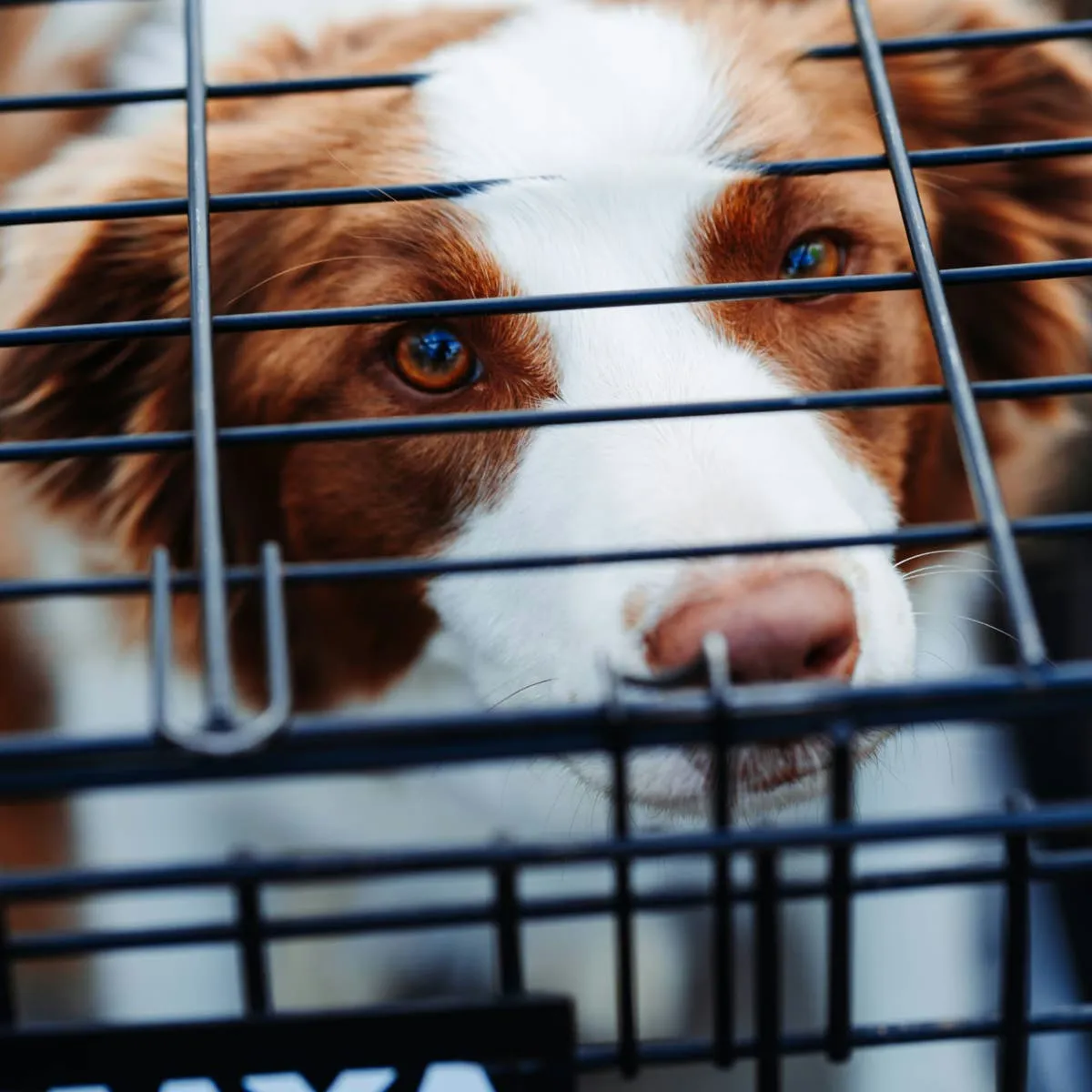
Raising a Puppy With or Without a Crate
Let me start by saying that I don't oppose crates or think they're inherently cruel. My own Rottweiler grew up with a crate in our home and still has one; she'll occasionally nap in it.
That said, I think crate training is frequently employed for human ease rather than the dog's welfare, and it's important not to lean on this tool too heavily.

Before you claim that wolves are den animals, and conclude that dogs should enjoy crates simply because they are related to wolves, learn the facts.
WikiCommons
Crate-Training Myths
"Dogs are like wolves, and wolves live in dens, so it's their nature."
Is that really true? Do wolves spend 16 hours a day in a den? Yes, a crate resembles a den, but let's check whether wolves actually stay in dens beyond a few weeks of puppyhood. If you justify keeping a six-month-old pup crated for 16 hours daily by saying "it's like a den," then you're relying on a misunderstanding. And if you plan to crate your pup for eight hours at night and another eight during your workday—acknowledging that short breaks are just that, short breaks—what quality of life are you giving your beloved pet?
"It's for their own safety."
That argument isn't much stronger. If I take responsibility for a dog, keeping them crated "for their own safety" doesn't quite add up. A crate might prevent them from chewing electrical cords, but shouldn't we care at least a little about their overall happiness? Shouldn't keeping them safe involve some effort on our part, something beyond just latching the crate door?
"My dog loves her crate!"
Perhaps your dog has learned to love the treat she gets in the crate when you leave for work. She may have positive associations and even choose to rest there during the day. But wouldn't she benefit more from interacting with a person or another dog for eight hours instead of staring at four walls? As social, pack animals (since we all like the "connection with nature" argument), dogs would much rather have a busy day doing things with others, and they'll "love their den" only if they don't know anything better. What choice do they have?
Featured Gallery
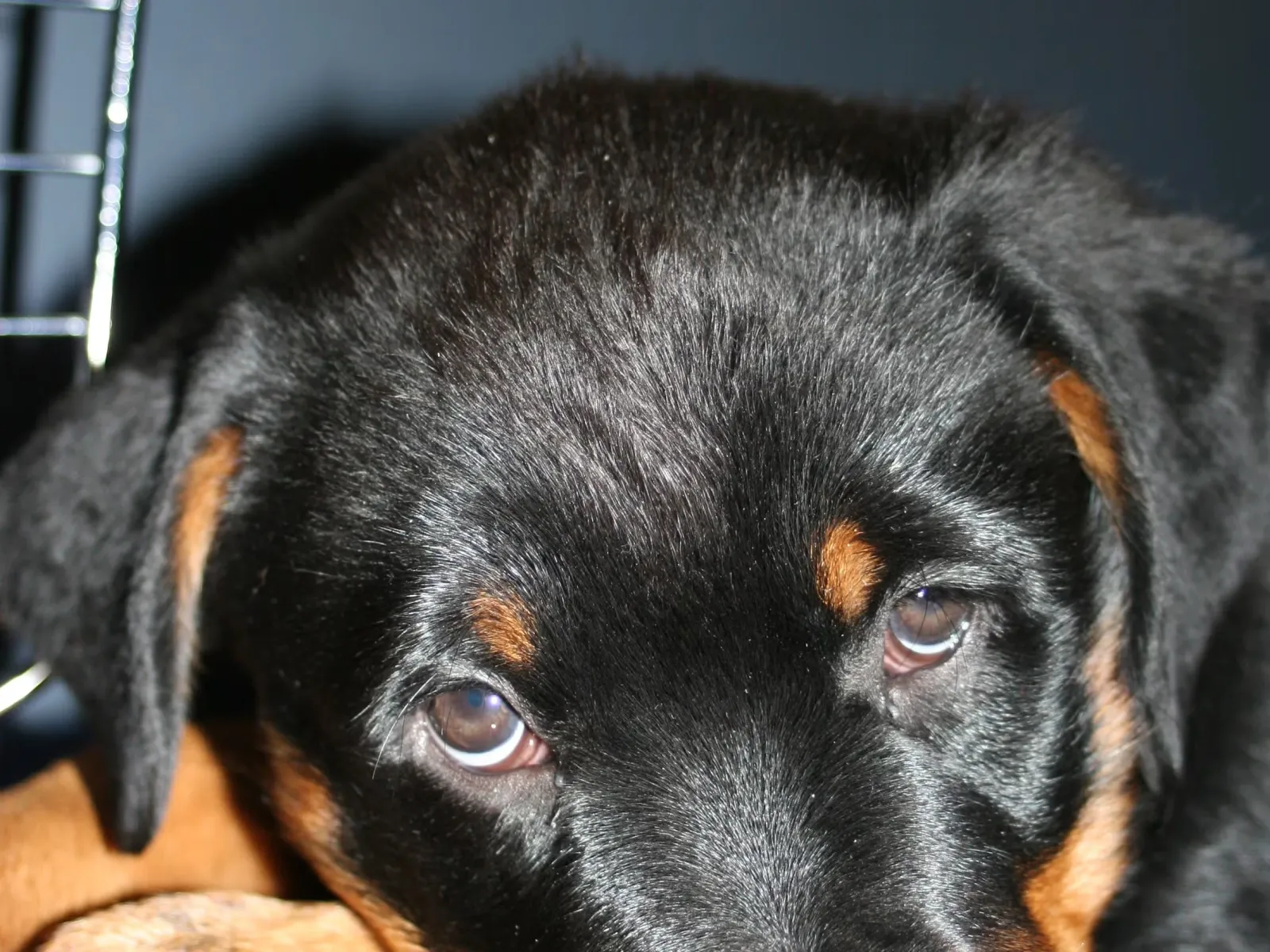
Rottweiler puppy in a crate

_Playing fetch with your dog helps get their energy out. This, in return, creates a better behaved dog.
Personal_
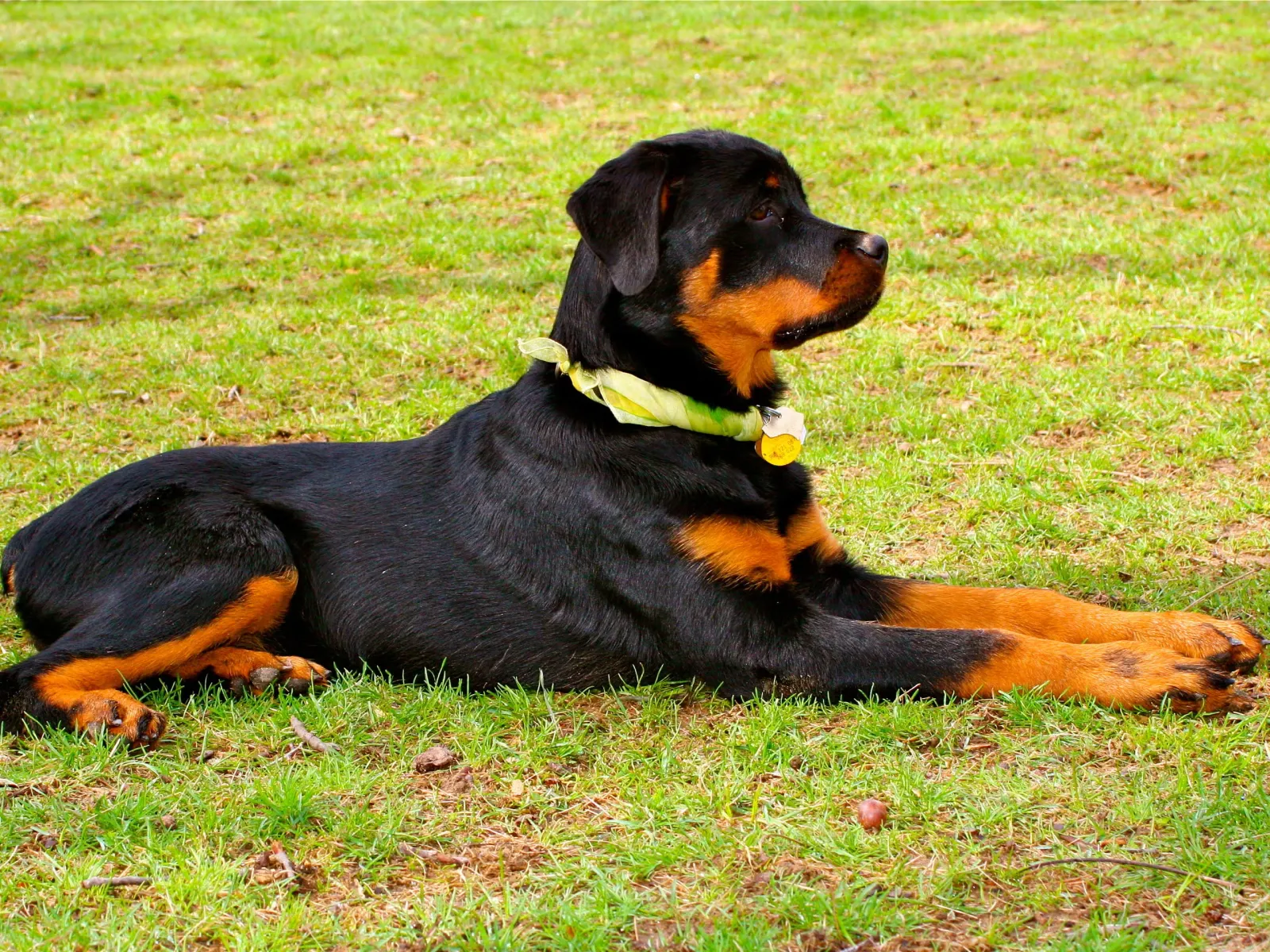
_Short training sessions provide much-needed mental exercise for your pup. This also helps to create an obedient dog that is easy to live with.
Personal_
When Is It Okay to Crate a Puppy?
- At nighttime, when the pup is very young: Young puppies tend to get into trouble. During the day, it's our job to teach them impulse control and what they can and cannot chew. These lessons can't be taught if the pup is always crated and we're always too busy to handle a restless three-month-old. It's a full-time job. Nighttime is different because both people and pets need sleep, and we can't supervise a young puppy's occasional waking.
- During naps: When your pup is ready for a nap, there's nothing wrong with that nap happening in a crate. It gives you an hour, sometimes even two, to get things done around the house.
- When you take short outings (one to two hours): While the puppy is still young, I would try to avoid leaving him home alone in a crate, unless they had a very busy and exhausting morning and you're certain they'll sleep for a while. If I had to leave, I would do my best to plan ahead and tire them out beforehand.
- As a time-out: This one fixed our pup's fascination with the comforter and laundry. Each time we'd be making the bed or folding laundry, she would jump on the comforter, make a fuss over laundry pieces, chew and bite, and get overly excited about the whole ordeal. We'd always say "no biting," redirect with a toy, and praise when she would grab onto her doggy toy. If this process had to be repeated three times in a row, we'd crate her until she quieted down (usually, no more than two to five minutes), and then let her out back into the bedroom. She caught on really quickly that biting our things meant isolation, and by the time she was four months old, you could go about your daily chores with a young Rottweiler pup chewing on her toys right by your side.
- To keep multiple dogs safe: If you have more than one dog, and if your dogs do not share treats and food well, it is wise to give them their own space away from each other while feeding or providing a special treat, like a stuffed KONG or a bully stick.
- During illness or rehabilitation: This is self-explanatory. After surgeries, or past certain traumas a dog might be required to stay in a crate.
- During emergencies: Things happen. Not everyday things, but outstanding, out-of-the-ordinary things, and your pup might have to spend more time in a crate than usual for a day or two.
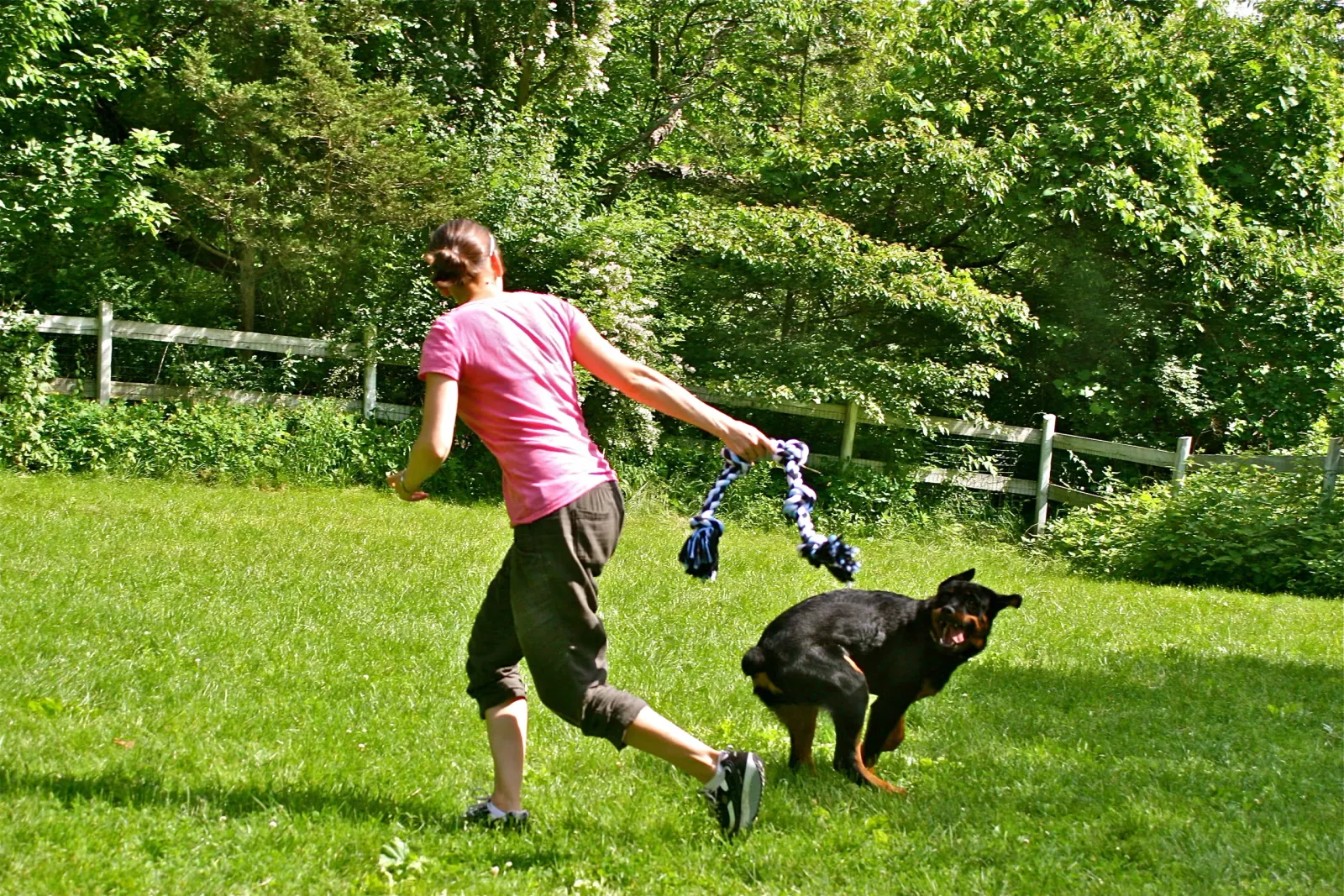
Raising a dog requires work on your part. It is your responsibility. Use a crate as a tool, not a crutch.
Personal
How to Raise a Puppy Without Overusing a Crate
What do you do with a silly pup that won't calm down?
- Take her outside.
- Throw a ball with her.
- Take her for a walk.
- Give her a chewy treat that will keep her busy.
- Spend time with her.
- Train! Short training sessions provide mental exercise for the dogs, and tire them out in a healthy, productive way.
This is the work they are talking about when they say "raising a dog takes a lot of time and effort."
What if you work full time?
- Separate a puppy-proof room (kitchen?) with baby gates, and leave safe toys and long-lasting treats for your pup to play with while you are gone.
- Arrange for doggy daycare.
- Find out if one of your relatives will look after your pup during the day.
- Hire a dog sitter. It's a bill you must be willing to take on if you want to provide a good quality of life for your new pet.
How do you make sure they are safe and don't destroy things?
- You don't let your pup out of your sight, until they know how to behave on their own. As simple as that.
Is It Easy to Raise a Puppy Without a Crate?
Are these things easy to do? No, they are not. It's a job. It's work. It's an effort. You will be tired, and your finances will be affected. In the end you will be rewarded with a pet who didn't just "love their crate", but lived 8 hours of every day interacting with the outside world. This may sound harsh and judgmental to some, but in humble opinion, this is what it takes to provide a quality life to a new pet dog. This is what new dog owners should be prepared to deal with. Crate is just a training tool, not a solution to every puppy problem.
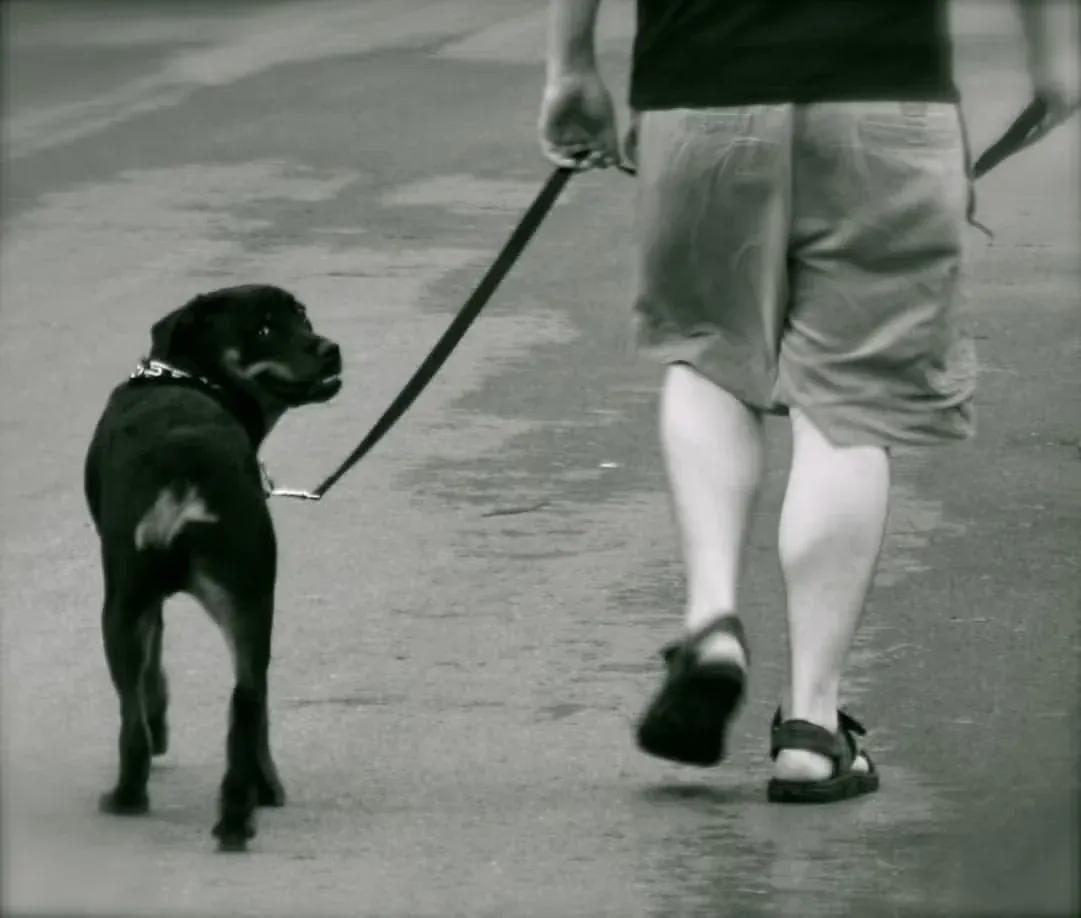
Taking the dog for a walk on a regular basis will help your pup behave better in the house.
Personal
Sources
- Rethinking Puppy Raising: Life Beyond the Crate — pethelpful