Training Your Feline Friend to Enjoy Leash Walks
Sage Lewis
Training Your Feline Friend to Enjoy Leash Walks
Cats are adored by many, and some consider them among the most intelligent creatures on Earth. Yet, others claim that training them is a hassle and not worth the effort. However, I'm here to share that with patience and a bit of understanding of how their minds work, training them is actually quite straightforward.
Leash Training in Half a Year
I've got some advice to help you train your cat, regardless of age, to walk on a leash within six months or even less. Why six months? Cats are fully trainable, much like dogs, but they are also far more stubborn than your typical easygoing dog. They often resist doing what you want them to do. That's the key insight you need if you aim to train them to walk on a leash similar to a dog.

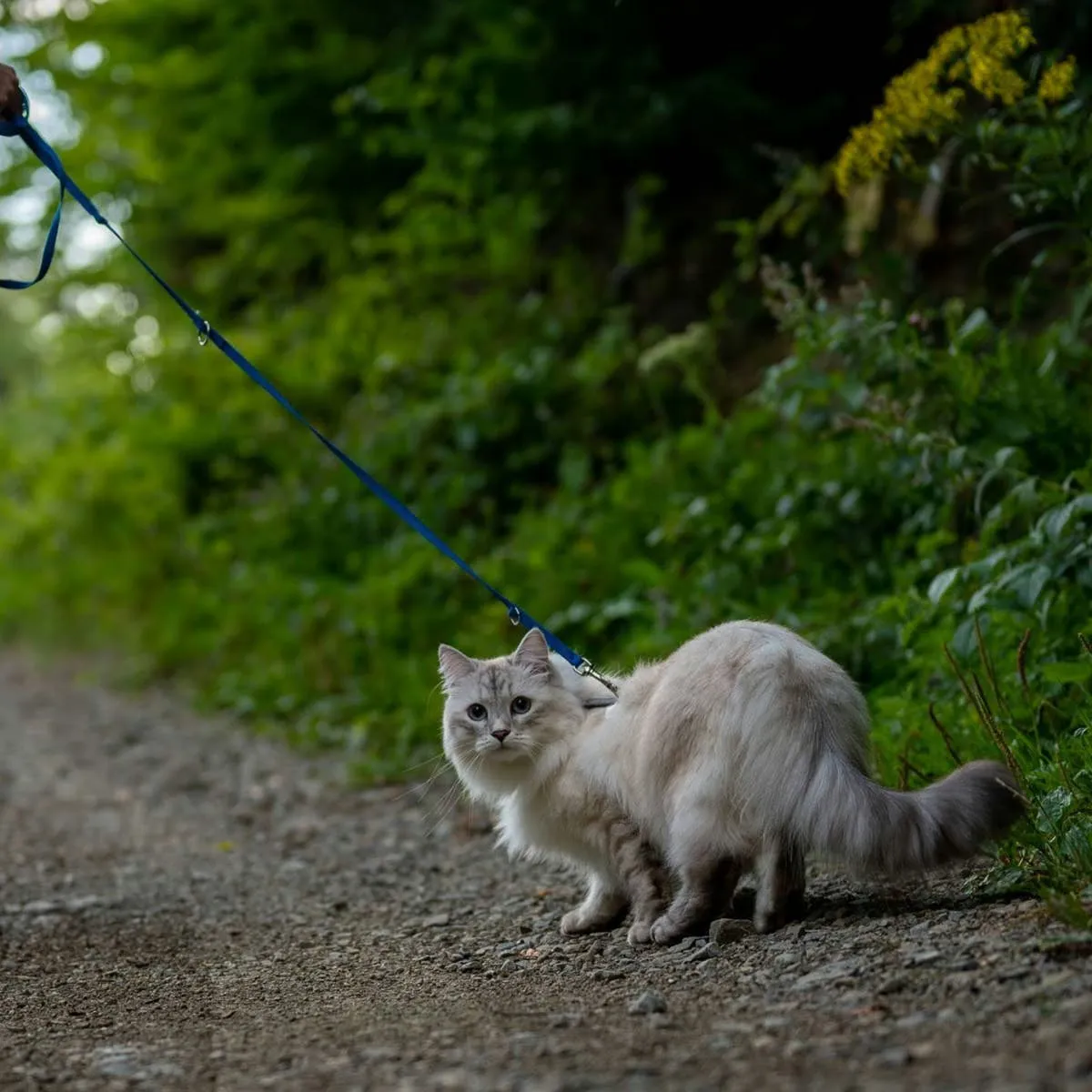
Here I am walking my indoor cat, Layla, in the woods. I started training her when she was almost 9-years-old.
personal photo
1. You Need to Get a Good Harness
Many people will recommend an "H-style" harness. You can find these for both dogs and cats at pet stores or online. The advantage is that they are secure if properly fitted.
Avoid using a dog's "H-style" harness on your cat because their body shapes differ, and it won't work well. Cats can wriggle out of them, so getting a harness designed for cats is crucial.
The downside is that putting this type of harness on your cat can be challenging. As mentioned, they may resist, so when you're trying to get their head through the opening and adjust it around their legs and body, there will be a struggle, and your pet won't be pleased. I discovered a fantastic harness on Amazon (Mynwood Cat Jackets) that is safe, secure, and more comfortable for your cat, and it's effortless to put on.
How to Get Your Cat Used to the Harness
- Place the harness next to or on your cat.
- Put a few treats on the harness and let your cat eat them off it.
- Pet them with the harness.
- Put the harness around their neck (use treats to guide their head through the head hole if using a standard H harness).
- Strap your cat into the harness and let them wear it around the house for a few days before going outside.
2. Have Patience
When you first take your cat outside, keep them close to home in a familiar area. (Is there a spot they like to watch from the window? Take them there!)
Initially, they'll likely be timid and uncertain. Sit with them outside and offer a treat. If they lie down, just sit patiently and let them feel scared. Pet and comfort them, telling them they're doing well, so they learn they're safe with you. I strongly believe in using words and phrases to train your cat.
You should be saying:
- "Good boy/good girl" while petting them and using the right tone.
- "No" in a stern voice if they try to go somewhere they shouldn't.
- "Walk" or "Outside"
- "Treat" and "home"
- "Come" "Stop" and "Stay"
All these steps will take several weeks, so don't be discouraged if after a week you're still sitting on the front porch with your cat.
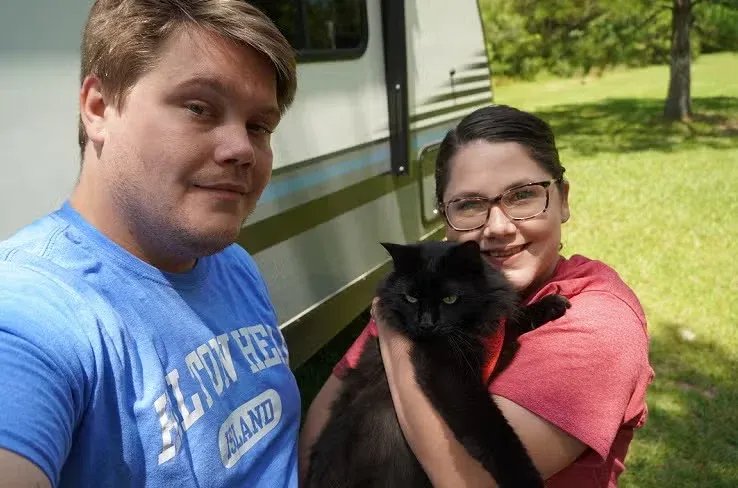
We live in a 24-foot travel trailer, so we have to take our cat outside for exercise.
personal photo
3. Your Cat Should Explore First
Yes, you are in charge, but your cat is new to the outdoors. Don't pick them up and carry them across the yard to set them down—that's terrifying for such timid and observant animals.
In the beginning, let your cat explore the area first. The smoothest training happens at their pace. If they head toward something dangerous, protect them with a light tug and a "no." But they need to start where they feel comfortable and safe.
4. Keep Your Cat up and Walking
The main benefit of walking your cat is exercise. Yes, you want them to explore, have fun, and live well, but indoor cats are known for being lazy and often become overweight. If exercise is your main reason, keeping them moving outside is key.
After several weeks or months, your cat will likely get better at wearing the harness and going outside. However, your cat will probably stop frequently during walks, and you'll think, "This is definitely not like walking a dog."
When I first started walking Layla, she would stop every few feet to sniff a leaf, stare, or just stand still, which was problematic because she needed to walk and exercise. What helped was letting the leash tug the harness just slightly while I stood still and kept the foot motion and walking sounds going. This tricked her into thinking I was moving on without her, and the walk continued.
Another issue cats have when starting leash walks is occasionally deciding to lie down, which is problematic for cats needing continuous exercise. When this happened, I used the tip of my foot to give her a very gentle tap on her bottom. She would pop up and start walking again after a hiss or two. But honestly, if someone forced me to work out, I'd hiss too.
Tip
When your cat is introduced to the outdoors, they may express a desire to go out more (waiting and meowing by the door). So it's crucial to watch your doors so your cat doesn't run out. They depend on you, and as they get comfortable, they might forget that without you, they could get hurt or lost.
5. The Last Steps
Eventually, your cat will stop walking. They'll lie down, ignore commands, and hiss. Maybe they're tired or just done listening, but either way, they're finished.
In these situations, I tell my cat we're going home, then pick her up and carry her home. Hold their base (legs and butt) securely and keep their chest close to you so they feel safe. Tell them "time to go home" and "you are a good boy/girl." When you get home, give them a treat or two, praise them, pet them, and love on them. They need to know home is where love and treats are, so they don't want to be outside forever.
© 2020 Alura Price
Sources
- Training Your Feline Friend to Enjoy Leash Walks — pethelpful