Why Dog Waste Isn't a Lawn Fertilizer: Six Key Reasons
Taylor Mitchell
Is Dog Poop Beneficial for Grass?
A common online myth suggests that dog poop can serve as a fertilizer for lawns, helping grass grow. This myth likely arises because people mix up dog poop with cow manure, a common crop fertilizer. However, despite both being animal waste, their chemical compositions are quite different. In short, not all poop is the same.
This article will outline six main reasons why dog poop is not a good fertilizer and can actually harm the grass in your neighborhood. It can also pose health risks to your family and community, making it important to pick it up.
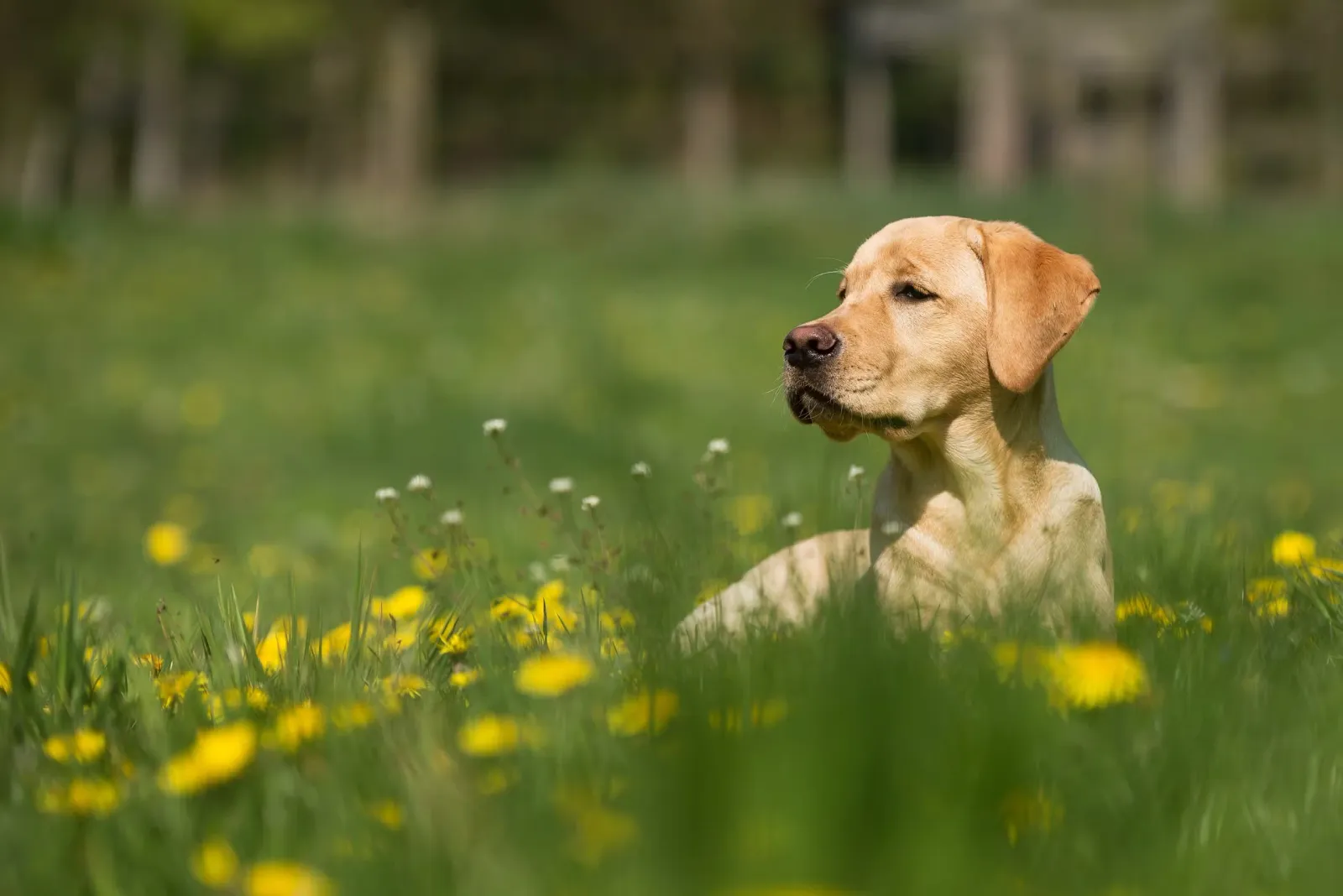
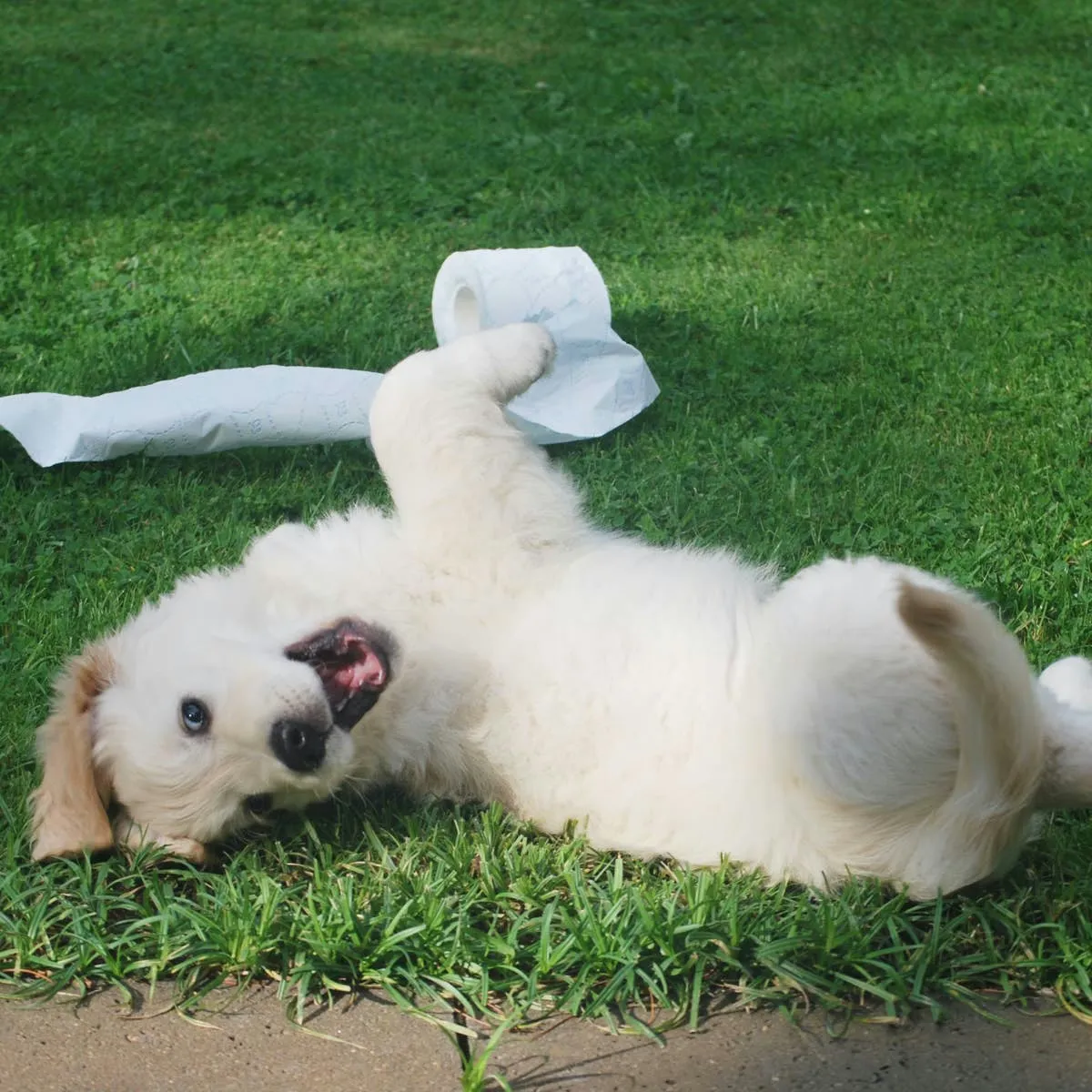
Unlike cow manure, your dog’s poop does not act as a fertilizer.
Vincent van Zalinge on Unsplash
Six Reasons to Avoid Using Dog Poop as Fertilizer
A healthy dog absorbs nutrients from its high-protein diet. What remains is smelly waste that is acidic, decomposes slowly, and is laden with bacteria and parasites. As you might expect, this doesn't make for good fertilizer. Let's examine the chemical details to understand why.
1. It Contains Numerous Bacteria
Dogs have plenty of bacteria in their digestive systems, but their bodies usually manage to keep it in check. It's estimated that a single gram of dog poop can contain 23 million bacteria. Obviously, such bacteria hinder plant growth, so you wouldn't want it in your soil or near a vegetable garden.
2. It Can Harbor Dangerous Parasites and Diseases
Beyond bacteria, dog poop may carry parasites and diseases such as:
- Parvo virus
- Hookworms
- Giardia
- Roundworms
- Trichinosis
- Campylobacteriosis
- Cryptosporidiosis
- Echinococcosis
- Salmonella
Like bacteria, these parasites and diseases can easily spread to humans. Simply sitting on the grass for a moment can lead to unknowing contamination of hands or tracking particles indoors.
3. It Is Overly Acidic and High in Nitrogen
A major misunderstanding about cow manure versus dog poop involves the animals' microbiomes, diets, and digestive chemicals. First, consider a cow's diet, which is mostly plant-based: grass, grain, hay, soy meal, cottonseed, corn silage, etc. The resulting waste is low in nitrogen and rich in undigested plant fibers, making it an effective crop fertilizer.
Dogs, however, eat a protein-heavy diet, making their poop very acidic and nitrogen-rich. While grass needs some nitrogen, dog poop provides far too much; after it decomposes for a while, the grass will die from the excess nitrogen and require reseeding. Interestingly, the nitrogen is released slowly into the soil, which can initially make grass look tall and dark green (likely another source of the fertilizer myth). Eventually, though, after up to a year of decomposition, the same grass will turn yellow and then brown as it dies.
4. It Decomposes Very Slowly
As mentioned, dog poop takes a long time to break down. How long? It varies with environmental conditions and the dog's diet. On average, dog poop takes about nine weeks to decompose. But in colder climates, it can take up to a year. After the first two or three weeks, any bacteria present become risky; by week four, parasitic eggs or larvae start hatching; and by week six or seven, mold begins to spread.
5. It Smells Terrible
No poop smells good—at least to humans—but dog poop is especially foul. This is largely due to the high-nitrogen, acidic waste we discussed. However, the smell can also be influenced by certain kibble products containing lots of fiber and other nutrients, like grains and starches, that dogs' bodies aren't meant to absorb and which release particularly smelly gases when digested.
In any case, manure, which is great for fertilizing, is bad enough—dog poop is not something you want filling the air around your garden or yard.
6. You Could Face Fines
Most states and cities have laws—known as "pooper scooper laws"—that impose hefty fines on dog owners who don't clean up after their pets. This is because pet waste pollution is a genuine public health issue. Rain carries dog and other animal feces into local water sources, leading to algae blooms and weeds that can be toxic.
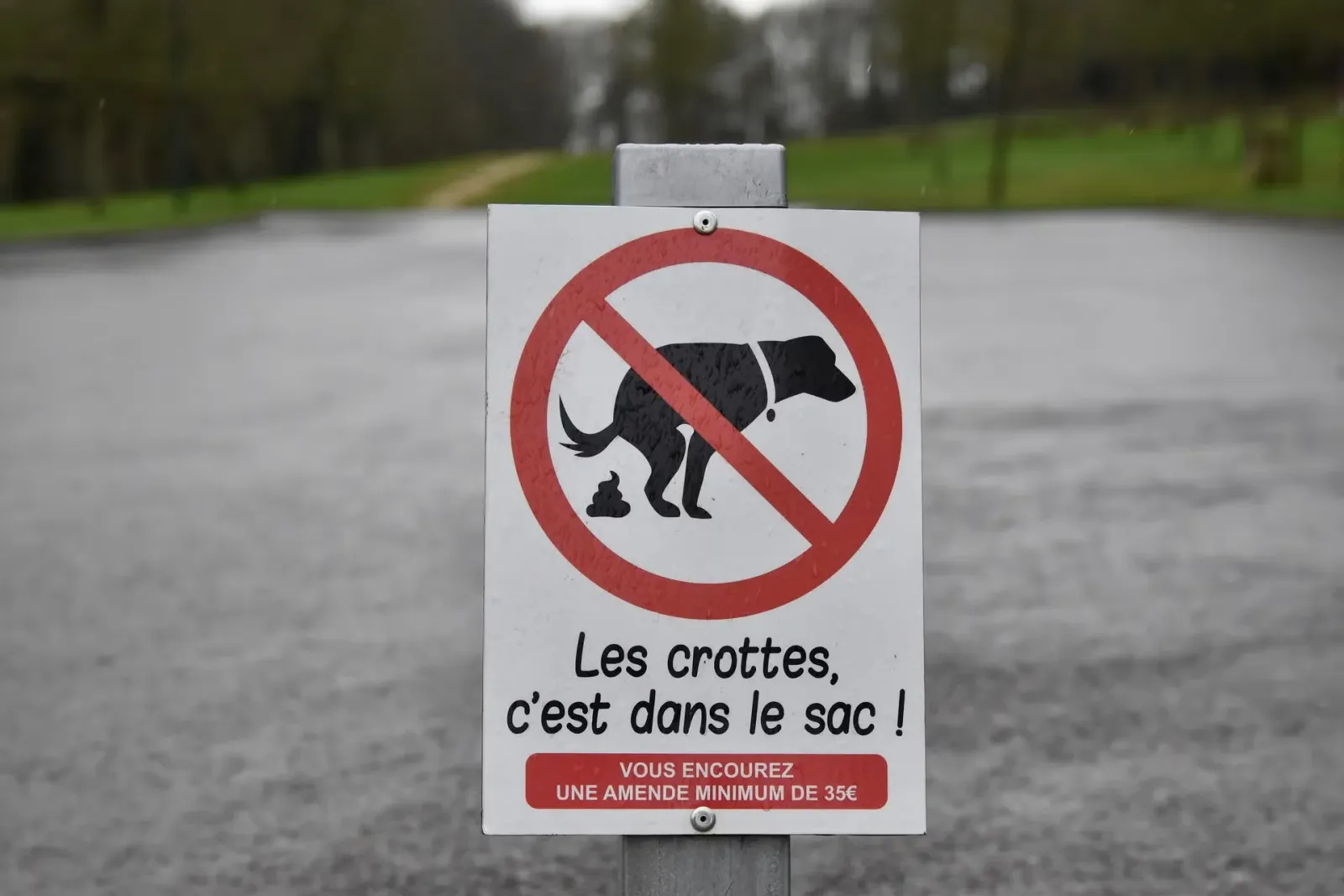
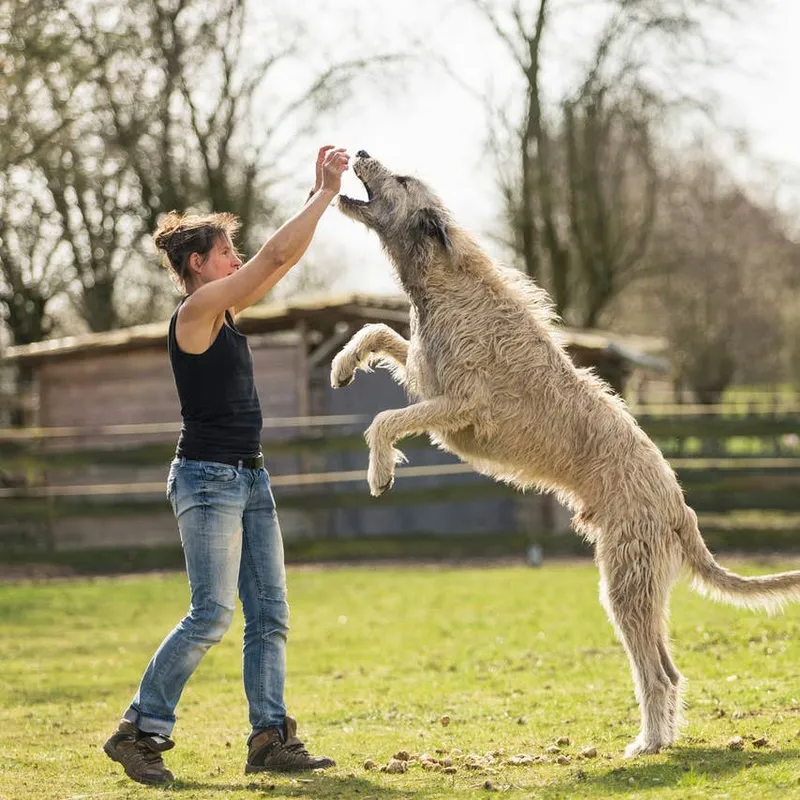
There are “pooper scooper” laws in provinces and countries around the world.
JackieLou DL from Pixabay
Is Composting Dog Poop Possible?
While it's widely agreed that dog poop makes poor lawn fertilizer, there's debate over whether it can be composted. Dr. Mark, a veterinarian with over 40 years of experience with dogs, traces the confusion to Steve Solomon's influential book Organic Gardeners Composting, which advised against composting dog poop.
But Dr. Mark says dog poop can be composted—if proper precautions are taken. According to research from the University of Minnesota and the University of Oregon, heating it to 130-165 degrees destroys any pathogens. While composting requires effort, Dr. Mark notes several benefits:
- It provides organic nutrients for your trees or lawn (once properly composted).
- You avoid adding to the tons of waste in overburdened landfills and sewer systems.
- You reduce plastic waste from daily bag use.