The Misunderstood Turkey Vulture: Nature's Cleanup Crew
Toby Howard
Neither Buzzard nor Vulture: The Turkey Vulture's True Identity
The turkey vulture belongs to its own distinct species. Although it goes by several colloquial names and shares certain physical traits with buzzards and vultures, it is not closely related to either. Early American settlers gave it these misleading labels after noticing superficial similarities.
Its scientific designation is Cathartes aura, yet it answers to a variety of informal titles.
- Turkey buzzard, turkey vulture
- John Crow
- Carrion crow
- Buzzard, vulture
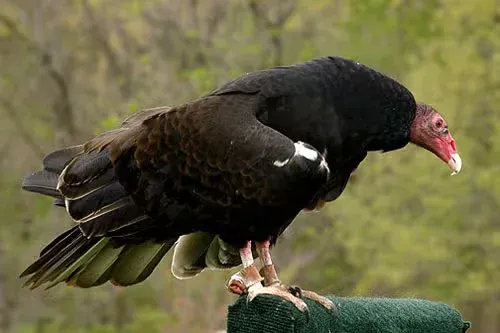
Turkey vultures have a face only a mother could love.
Attis public domain via wiki commons
A Reputation Redeemed by Grace
Turkey vultures have a poor image that is largely justified. They are not attractive, they feed on dead flesh, and they frequently gather near roadkill. Even so, these birds play an essential role in the environment, performing a service that benefits the natural world. They help clear away animals that die in the wild. As part of the food chain, they assist in returning important nutrients to the ecosystem.
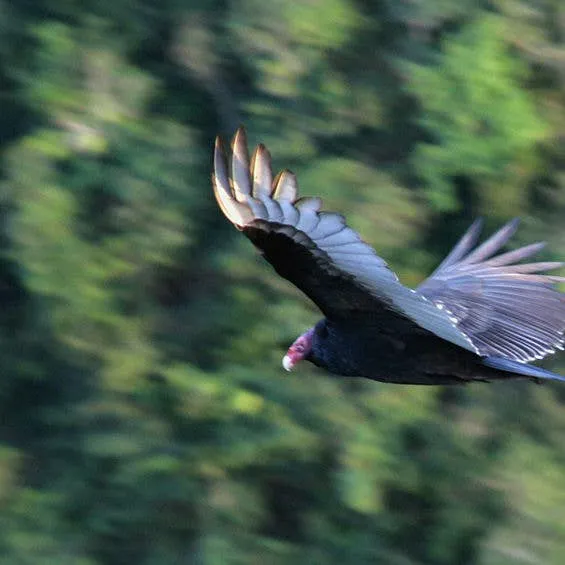
There is also a stunning aspect to them. Turkey vultures rank among the most elegant fliers anywhere. On the ground they appear heavy and awkward, but once airborne they transform into proficient, seemingly tireless gliders. Anyone who has never watched a turkey vulture dive, soar, and ride rising thermals has missed a truly beautiful spectacle. These birds can stay aloft for hours with only infrequent wingbeats. Their wide wings and extensive wingspan allow them to take advantage of upward air currents known as thermals.
Size and Range of the Turkey Vulture
Turkey vultures are large, roughly the size of a turkey. Their wingspan can stretch to 6 feet, and they can weigh as much as 5 pounds. They are the most widely distributed of all New World vultures, inhabiting areas from Canada down to the southern tip of South America. Five subspecies are recognized within this range, though they all look quite similar. Turkey vultures are classified as New World vultures alongside seven other birds that are only distantly related to one another. The prevailing view is that these birds have no kinship with Old World vultures, but that question remains under discussion.
Convergent Evolution Explained
The resemblance among turkey vultures, condors, and true vultures is attributed to a process called "convergent evolution." This means these birds developed under comparable conditions and with similar ways of life, which produced similar physical forms. All of them feed on carrion—dead and decomposing animals they come across—which explains their characteristic bald heads and long necks.
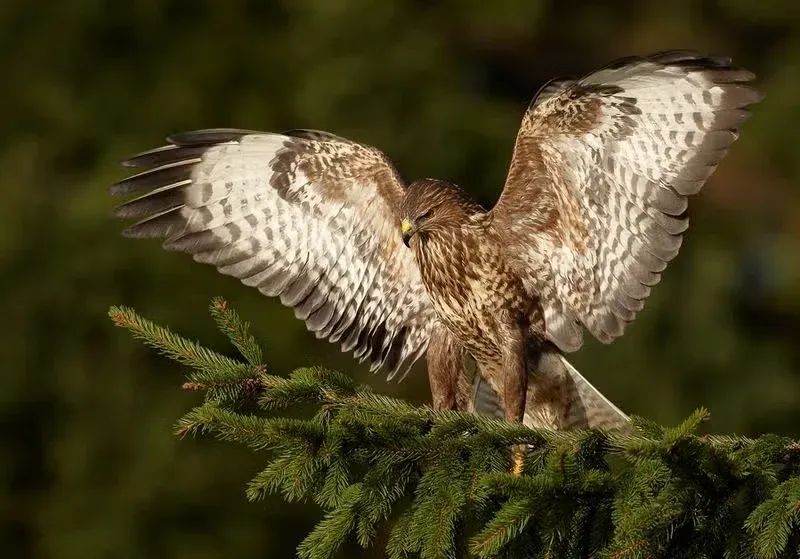
True buzzards are actually hawks. Turkey vultures are not hawks or buzzards.
Martin Mecnarowski CC ASA 3.0 via wiki commons
What Exactly Is a Buzzard?
People often refer to turkey vultures as buzzards, but that label is incorrect. Buzzards are actually a type of Old World (European) hawk. In Europe, the buzzard is regarded as a pest because it regularly preys on farm animals such as chickens, rabbits, and other small mammals. Over time, the word buzzard has been applied to any nuisance bird and is frequently used for turkey vultures and condors.
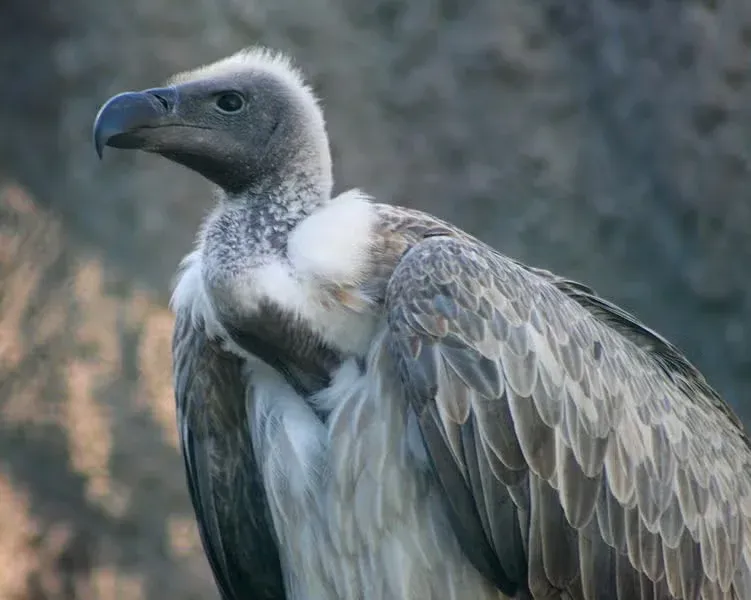
True vultures live in Africa and Asia. Turkey vultures live in the Americas.
John Haslam CC ASA 2.0 via wiki commons
What Exactly Is a Vulture?
Turkey vultures are not vultures either. True vultures are confined to Africa and Asia and do not occur in North America outside of zoos. Another bird of the Americas commonly confused with vultures is the condor. Several condor species exist, ranging from the southern tip of South America up to the Pacific Northwest.
Turkey vultures acquired the name vulture because they look like true vultures. One shared feature in particular is the bald head. Vultures and turkey vultures both have bald heads because they consume carrion. Carrion consists of dead and decaying animals. A bald, featherless head is far easier to keep clean and is a result of evolution.
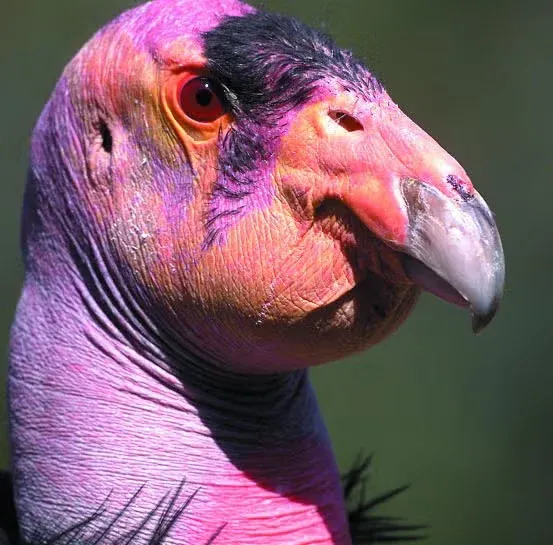
This picture of a California Condor shows its distinctive bald head.
US Fish And Wildlife, Public Domain Via Wiki Commons
Condors of the Americas
The condor is a very large bird of prey found from South America to the Pacific Northwest. These birds also share some characteristics with African buzzards and are often mistaken for them. Science currently recognizes two condor species: the California condor and the Andean condor.
The California condor's range extends from the Baja Peninsula to the Pacific Northwest. They have faced severe challenges and were once near extinction. California turkey vultures are frequently mistaken for condors. The Andean condor inhabits the Andes Mountains of South America and can be found along their entire length.
Turkey Vulture Facts for Kids
Did you know that turkey vultures gather in flocks, particularly during the colder months? They come together in large groups called rookeries to wait out winter weather. Rookeries are typically located in wooded areas near good scavenging grounds and can contain hundreds of birds. In the morning, the birds can be seen warming their wings by holding them outstretched in the sun. This is also thought to help dry the wings and eliminate any bacteria they may have picked up. During the day, the birds either sit to conserve energy or fly out in search of food. In the evening, they return to the rookery. As they gather back, they can form enormous squadrons of circling gliders visible from miles away.
Turkey vultures have sharp eyesight and a strong sense of smell. They can spot dead or dying animals from miles off and can also track the odor of carrion. By flying low, turkey vultures can detect the stench of decaying animals and follow it to its source. Larger animals that smell the worst can draw dozens of turkey vultures before they are fully consumed.