Living Alongside Bears: Practical Steps to Protect Your Home and Yard
Parker Adams

When a Bear Shows Up on the Deck
Seeing a bear up close is equal parts astonishing and alarming. A bear on your deck, or anywhere near your house or cottage, is a situation worth preventing rather than experiencing. Bears may look charming, but that charm is far safer to admire from a considerable distance.
I speak from experience: a bear once wandered onto my deck, and I found myself both frightened and fascinated. These animals are remarkable to observe, yet they can also be lethal. It was a night I will not forget.
My husband and I had recently purchased a small house in the woods—rather like a Little House on the Prairie scenario—and we live among bears, deer, ravens, and plenty of other wildlife. One night, a bear made its way onto our deck. The many windows I love were the only barrier between me and that powerful animal, had it chosen to push further.
Fortunately, I came through it unharmed. The episode taught me a great deal, hopefully enough to keep it from recurring. What follows covers how to keep bears from getting too close to your home or cottage.

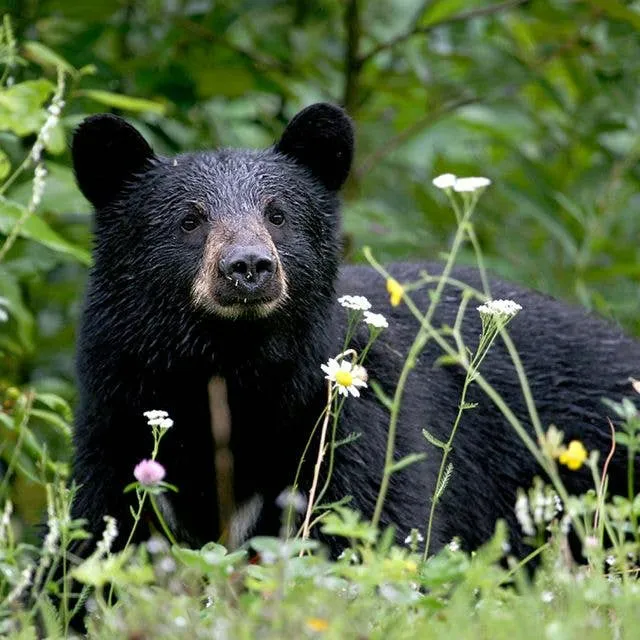
Bears can pick up the scent of food from 18 miles away, so you can assume they smell your barbecue. Cleaning up after yourself is the most effective deterrent. Do not leave food out, particularly meat, and bring your grilling equipment indoors.
Tambako the Jaguar, via Flickr, CC BY-ND 2.0
The Core Rule: Remove Food Attractants
Bears have the keenest noses among land animals, and that is the first thing to keep in mind. They have been documented detecting food from as far as 18 miles off. With a sense of smell that powerful, you need to work hard to keep food odors to an absolute minimum. A few key reminders:
- Never leave garbage sitting out. Anyone heading into bear country learns right away that garbage must never be left unattended. Bears are drawn to it and will travel long distances for a smell that repels us but delights them. If a neighbor leaves trash out in the open, it is reasonable to point out that they are putting the whole street at risk.
- Keep pet food indoors. If you have outdoor cats or dogs, do not leave their food outside. A dog may enjoy those kibbles, but a bear likely will too. When you must feed animals outdoors, give them time to finish and then clean up.

Wash your barbecue grill after each use. The drippings, fat, and burnt meat scraps are exactly what draws bears in.
Helen Penjam, via Flickr, CC BY 2.0
Dining Outside
Eating outdoors feels romantic and enjoyable, and who does not enjoy a good barbecue or picnic? Just remember that in bear country, bears would happily join the picnic—and you do not want to end up catering it. When you eat outdoors, keep these points in mind.
- If you barbecue on the deck, make plenty of noise and never leave meat unattended. You do not want a bear to treat your deck as a newly discovered feeding station. Noise helps keep bears far enough away that they are not tempted.
- Clean your grill and yourself thoroughly after eating. Drippings, fat, and burnt bits are reliable bear bait.
- Clean the grill after the snow melts even if you have not used it for a couple of seasons. As noted, a bear's nose is extremely sensitive. Ours had gone unused for a couple of years, but after the bear visited, I cleaned it anyway in case that was what had drawn the animal.
- If you eat in a gazebo, wipe up spills and wash dishes right away. A dirty plate or spilled food can attract bears. I will admit to leaving a plate outside over the summer, and that may be what drew the bear a couple of months later.
- Cooking indoors can still attract bears when windows are open. I usually keep windows open in summer, but in fall it may be wise to close the window nearest the stove.
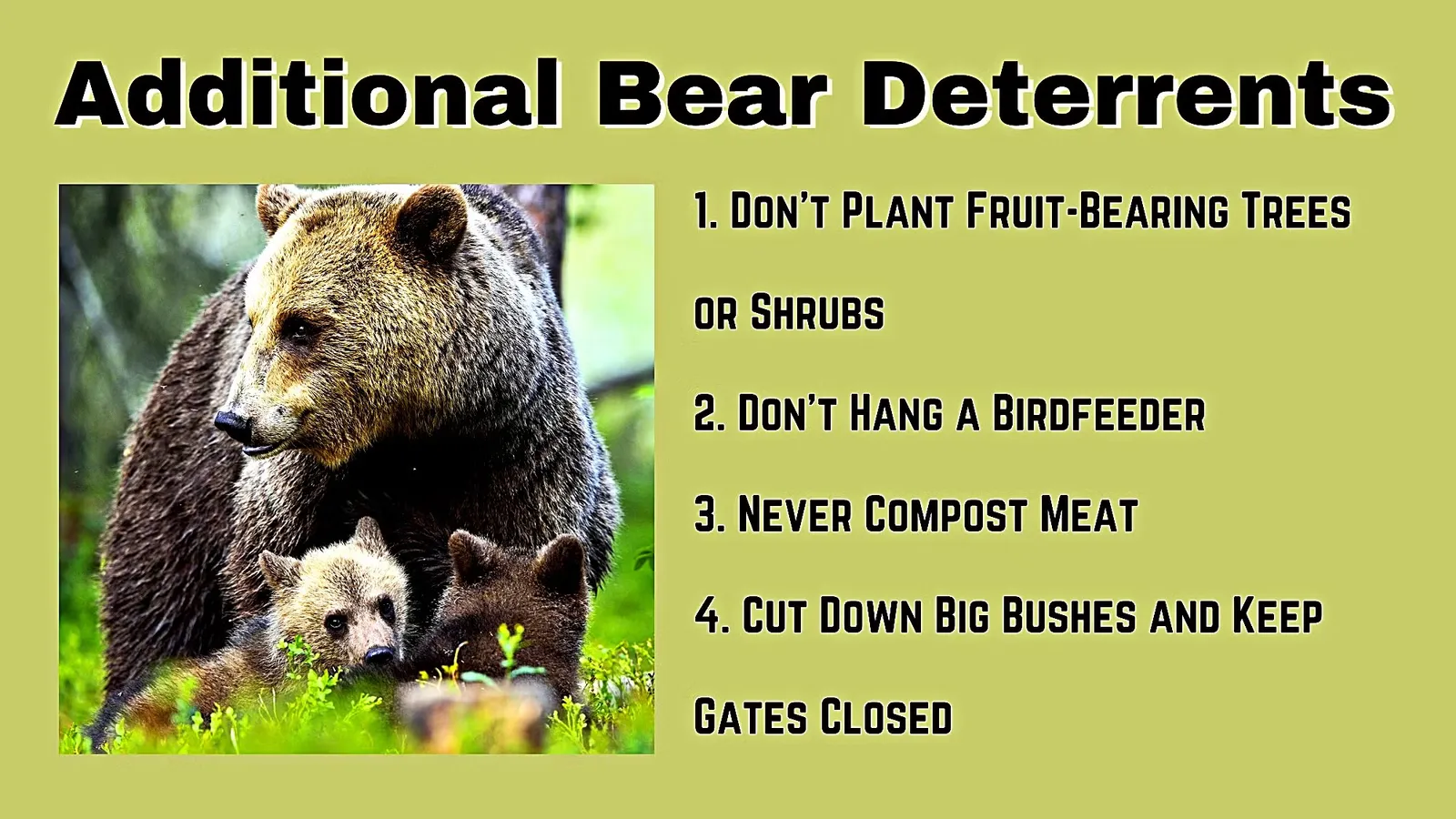
Keeping food unavailable is the biggest deterrent, but there are four other points to keep in mind.
Other Ways to Discourage Bears
So you store garbage securely, clean the barbecue every time, and watch food odors, especially in fall. What else can you do?
Even your yard can function as a bear magnet if you are not careful. Keen gardeners also need to take precautions when they share a neighborhood with bears.
1. Avoid Planting Fruit-Bearing Trees and Shrubs
Guidance from Bearsmart, a nonprofit focused on reducing human-bear encounters in Alberta, Canada, advises against planting trees or shrubs that bear fruit. Fresh strawberries in the yard may be appealing, but they raise the risk of drawing in large animals in search of a snack.
2. Skip the Birdfeeder
Birdfeeders attract bears. This summer I met a neighbor who had feeders in her yard when she first moved to the area. She had heard feeders were risky but did not take it seriously—until one afternoon she looked up and saw a large black bear heading straight for her feeder. She shooed it off and took the feeder down as soon as the bear left.
I have also heard of bears pursuing birdseed even when it was secured and hung dozens of feet above the ground. They seem to like the seed more than the birds do. If you cannot imagine going without a feeder, at least keep it indoors until winter and put it away again before spring.
3. Keep Meat Out of the Compost
For gardeners, composting offers real benefits: it adds nutrients and beneficial microbes, holds moisture in the soil to save water, supports healthy root structures, and can reduce or even eliminate the need for fertilizer.
Still, some things should never go into compost—meat and bones among them. Meat does not break down the way plant material does. It rots, drawing rats, raccoons, and bears, which not only eat it but further foul the pile with urine and feces.
4. Trim Large Bushes and Close Gates
Bearsmart also recommends that homeowners cut back brush on their property to interrupt the natural routes bears travel. In other words, make your home or cottage stand out as distinct from the surrounding forest.
Along the same lines, close any gate on your deck. Ours was open, which made it easy for the bear to walk in. Bears can climb fences, but there is no reason to make access simpler. If they are not strongly motivated by smells, a little extra difficulty may discourage them—bears are known for being fairly lazy.
For a fence that truly keeps them out, consider an electric fence.
Be Noisy and Keep Lights On
One more piece of advice for avoiding bears: act like a human and make some noise. Being noisy and active in your yard goes a long way toward preventing bear encounters.
From everything I have heard and read since moving to bear country, bears want to avoid us as much as we want to avoid them. If we manage the smells, bears will generally try to stay out of our way. So keep lights on around your property, make noise, and let bears know this is human territory to be avoided.
To be noisy and visibly human, you can also use devices known as deterrents in your yard to discourage bears from approaching. Anything that produces light or sound can help.
Motion-sensitive lights can be very useful for keeping bears at a distance. Noisy objects placed outside, such as a string of tin cans, can rattle and make noise that encourages bears to avoid your place. A large barking dog is, of course, always an effective deterrent to bears, which tend to avoid conflict.