Managing Shedding in Silkback Bearded Dragons
Toby Howard
Meeting the Needs of a Shedding Silkie
Silkback bearded dragons require the same enclosure size, lighting setup, heating, and diet as other bearded dragons.
Unique Skin Challenges for Silkbacks
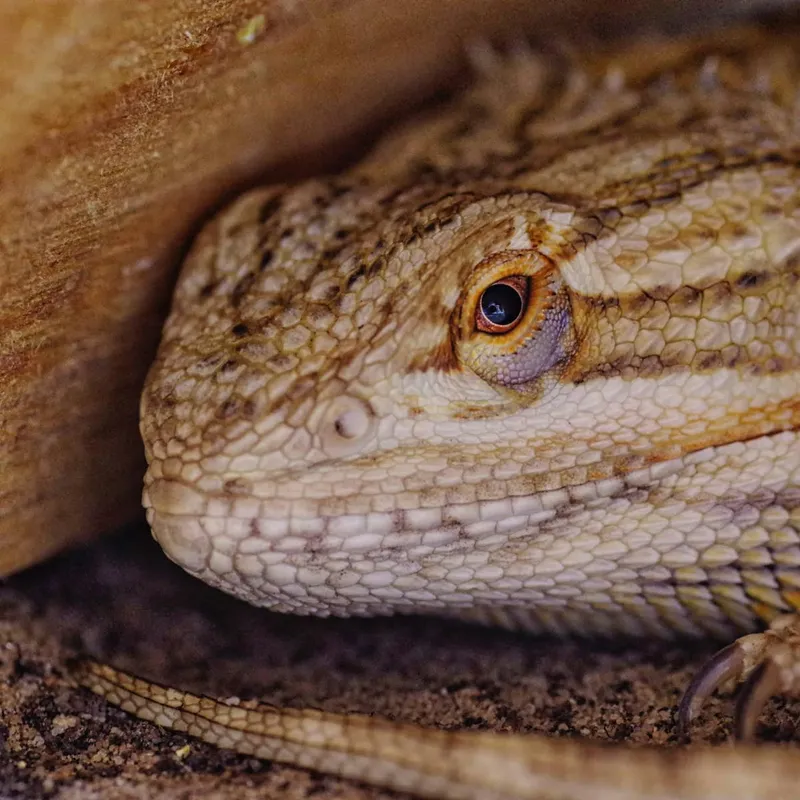
Their skin, however, presents a completely different situation. Silkbacks lack scales from birth, which gives them a smooth feel similar to a leopard gecko's skin. Because of this absence of scales, silkbacks are well-known for struggling with shedding. They not only find it harder to shed but also shed more frequently than typical bearded dragons.
Supporting a Silkback During Shedding
Three key items are essential for a shedding silkback:
1. A Shedding Aid
If you are buying or have just bought a silkback, your first step should be to pick up a shedding aid from a local pet shop. These generally come in two forms: one that is added to bathwater or mixed with water for spraying, and a ready-to-use spray. In my experience, combining both types helps my silkback shed with less difficulty.
2. Spraying Daily with Shed Ease
We apply the spray shed ease once a day, massaging it into his skin. This maintains moisture and suppleness in his skin, so if shedding begins while we are away during the day, it causes him less discomfort. It also discourages him from scratching at dead skin, as it cuts down on the dryness that leads to itching.
3. Giving Baths
During heavy shedding periods, he needs a bath. For this, we use the liquid shed ease, placing warm water in a plastic Tupperware container and adding the product to it.
Bathing Your Bearded Dragon
- First mix the shed ease into the water before placing your silkback inside.
- Some dragons enjoy bath time while others do not, so you might want to drape a towel over your shirt to protect against splashes.
- After the dragon is in the water, gently rub the areas that are shedding.
- Never pull on dead skin. You could tear off skin that is not ready to shed, causing injury to your dragon. If this happens, usually by accident, you will see that the skin there is shiny and a bit sticky. That is the raw skin underneath. Avoid touching it—it is like touching a scrape on your own skin; it hurts. Additionally, bacteria and oils from our fingers can harm the exposed skin.
- Bathe your silkback at least 2–3 times a week to help maintain their body water levels, as they require more humidity than regular bearded dragons.
Important Note
When your dragon's face is about to shed, watch the eyes closely. Your silkback's eyelids will shed, but they cannot remove the skin themselves. This will leave them blind and requires immediate attention. If possible, gently peel off the skin in that area during bath time if it appears to be reaching that point.
Establishing a Routine
Initially, it might feel like a lot of effort, but with time, it becomes very simple and routine. While bathing your silkback, cup your hand so they can drink some of the water. Check that they are shedding without difficulty and that their eyes are fine. Beyond that, they are affectionate, easy-to-care-for pets, just like other bearded dragons.
This article is accurate and true to the best of the author's knowledge. It is not meant to substitute for diagnosis, prognosis, treatment, prescription, or formal and individualized advice from a veterinary medical professional. Animals exhibiting signs and symptoms of distress should be seen by a veterinarian immediately.
Sources
- Managing Shedding in Silkback Bearded Dragons — pethelpful