DIY Cichlid Cuisine: Why Making Your Own Fish Food Beats Store-Bought
Elliot Campbell
What's the Best Diet for Your Cichlids?
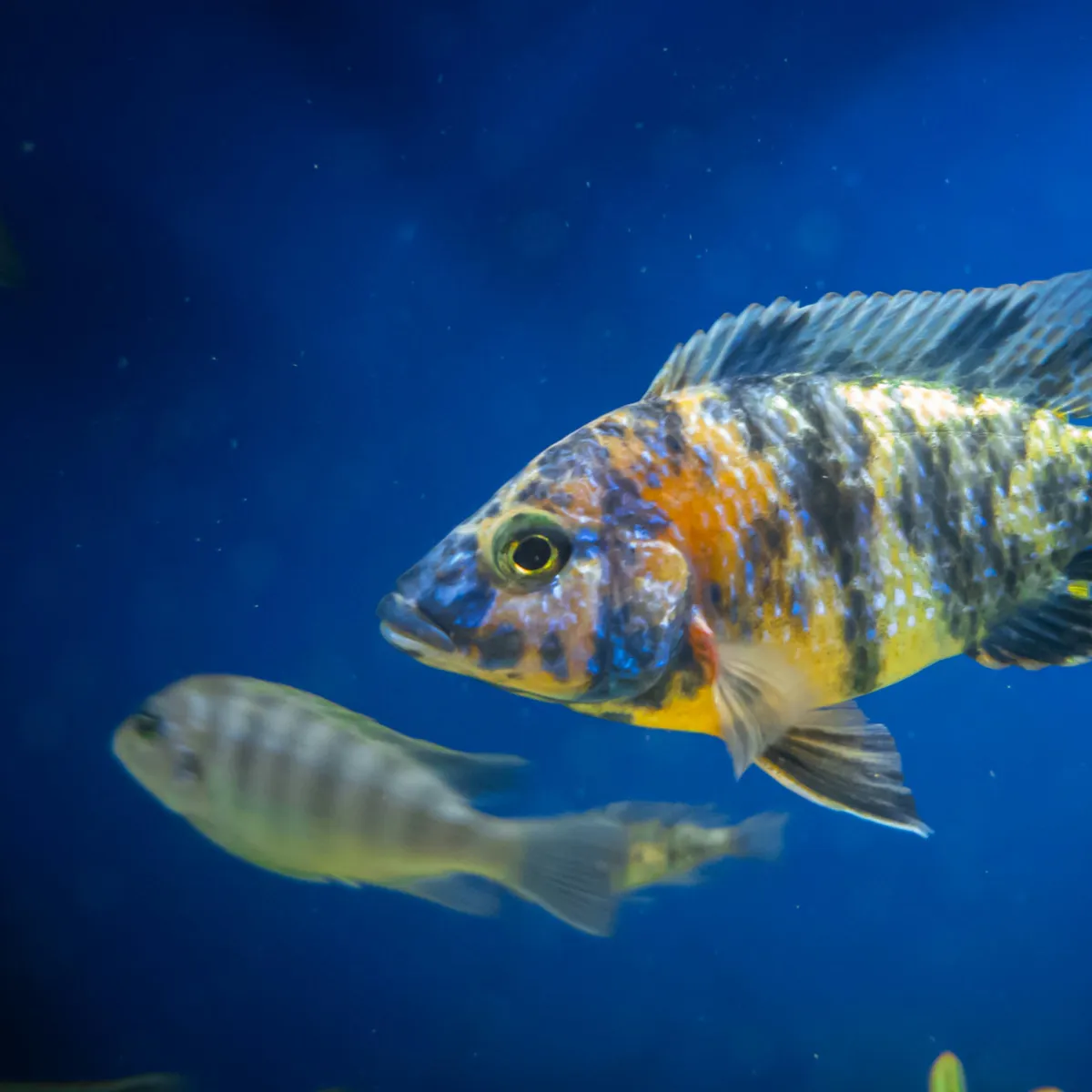
Anyone who has kept cichlids knows they are intelligent, lively, and full of personality. As someone who has worked in a tropical fish store and kept various cichlids, I can confirm they are fascinating pets. However, one part of cichlid care has always bothered me: the food.
Why Homemade Beats "Premium" Commercial Foods
Commercial fish foods often carry labels like "premium" or "complete nutrition," leading owners to think they are giving their fish the best. In reality, people spend a lot of money on these products when a cheaper, high-quality homemade option is available. This article will discuss the problems with commercial foods, explain what cichlids actually need, and share recipes for making your own cichlid food.
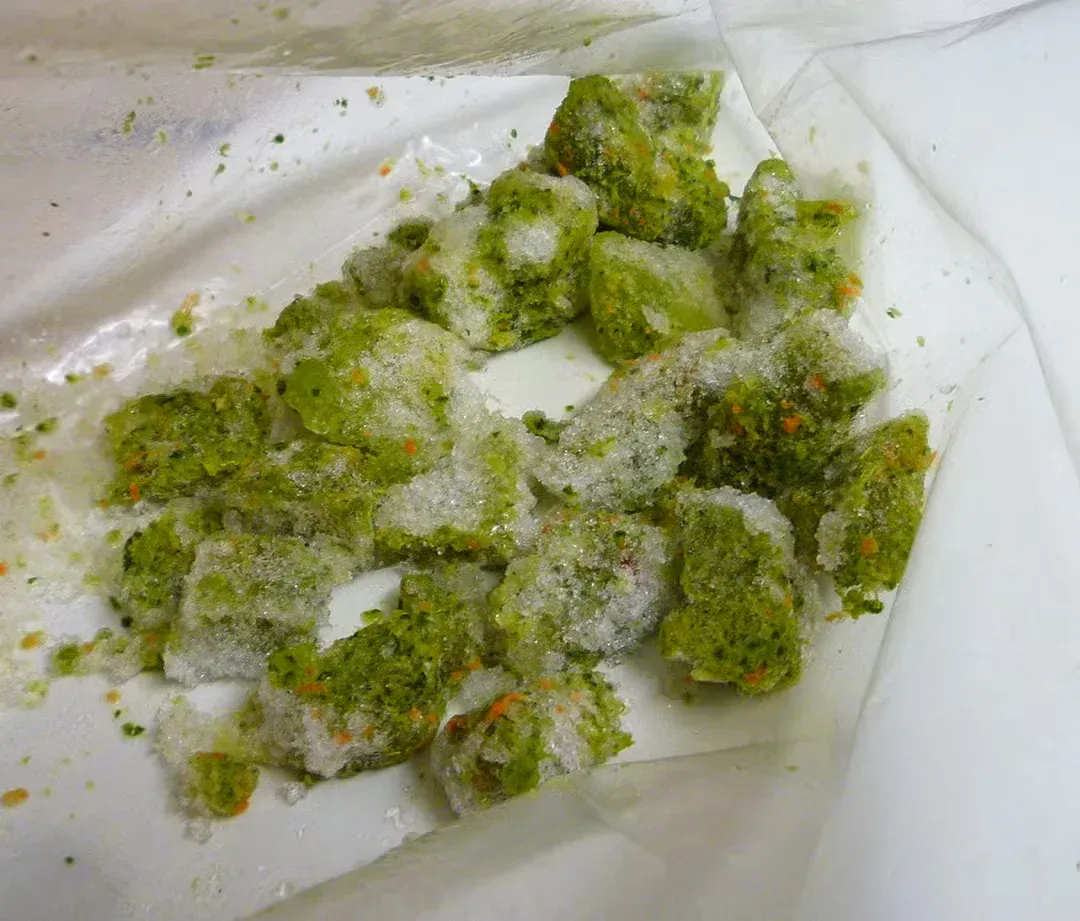
Frozen homemade Cichlid food
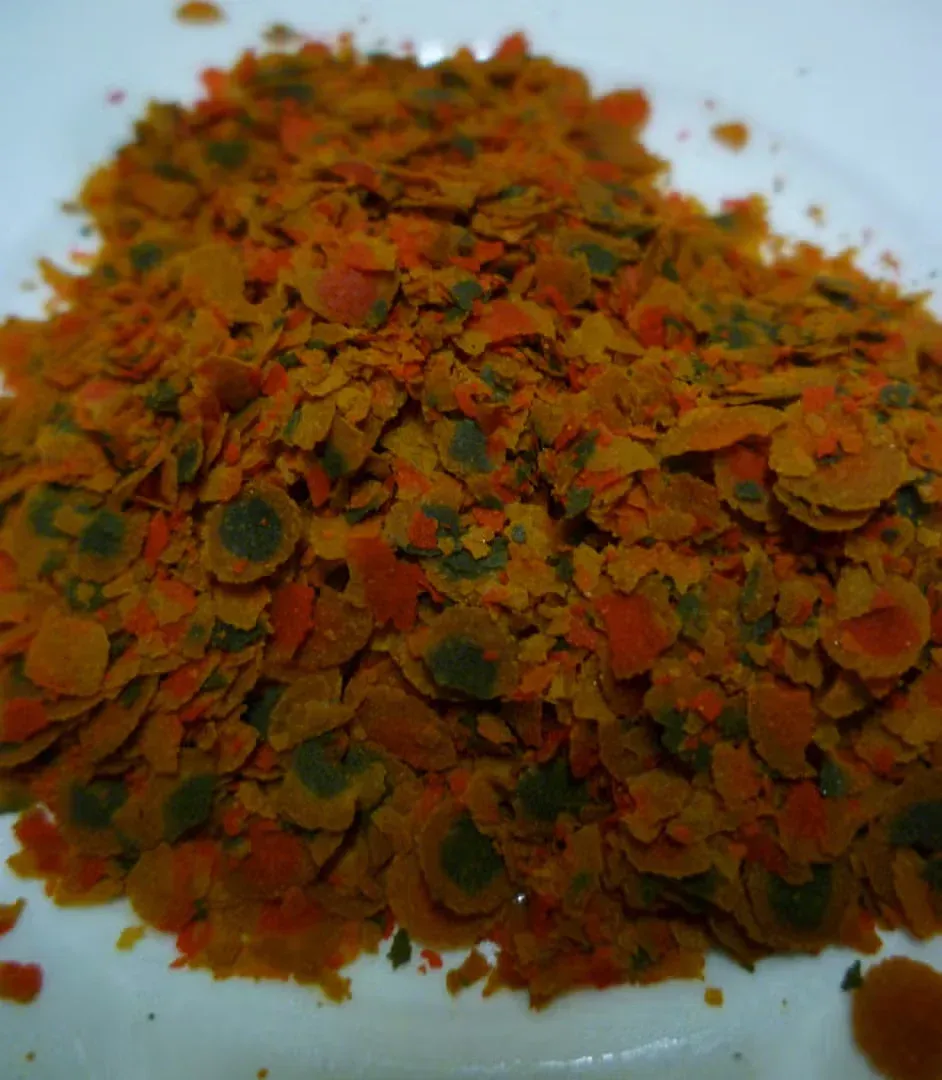
Commercial flake fish food
Unwanted Ingredients in Commercial Fish Food
Most cichlid flakes and pellets claim to be "premium," "complete nutrition," "color-enhancing," or "gold formula." These are mainly marketing terms to make you think you're getting a top product. In truth, these foods often contain plants and plant proteins that provide little to no nutrition. Examples include:
- Corn
- Wheat
- Rice
- Soy
- Potato
Aside from algae, aquatic plants, and some leafy greens, cichlids generally cannot digest plant proteins. So, these agricultural ingredients are just fillers—you're paying for something your fish will simply excrete.
Secondary Ingredients Can Be Harmful
Even worse are the secondary ingredients that appear in smaller amounts. There are too many to name all, but common ones include:
- Manganese sulfate
- Copper sulfate
- Zinc sulfate
- Ferrous chloride
- Cobalt sulfate
- Aluminum sulfate
- Plus various artificial colors and preservatives
What's alarming is that sulfates, chlorides, copper, and aluminum are known to be toxic to aquatic life. So why are they in fish food?
Ash: A Surprising Ingredient
If that hasn't already made you angry, consider this: ash! Yes, ash. Most commercial cichlid foods list a maximum ash content, usually between 10% and 20%. Ash is the burned remains of animal bones, carcasses, plant material, and other waste not fit for human consumption. Why is it in fish food? It's another filler.
Time to Switch to Homemade Food?
If you're like me and shocked by these facts, it's time to make a change. Homemade cichlid food is the only way to control and ensure the quality of what you feed your fish.
Recipes Vary by Cichlid Type
Before choosing a recipe, it's crucial to understand the dietary differences between the two main groups of cichlids.
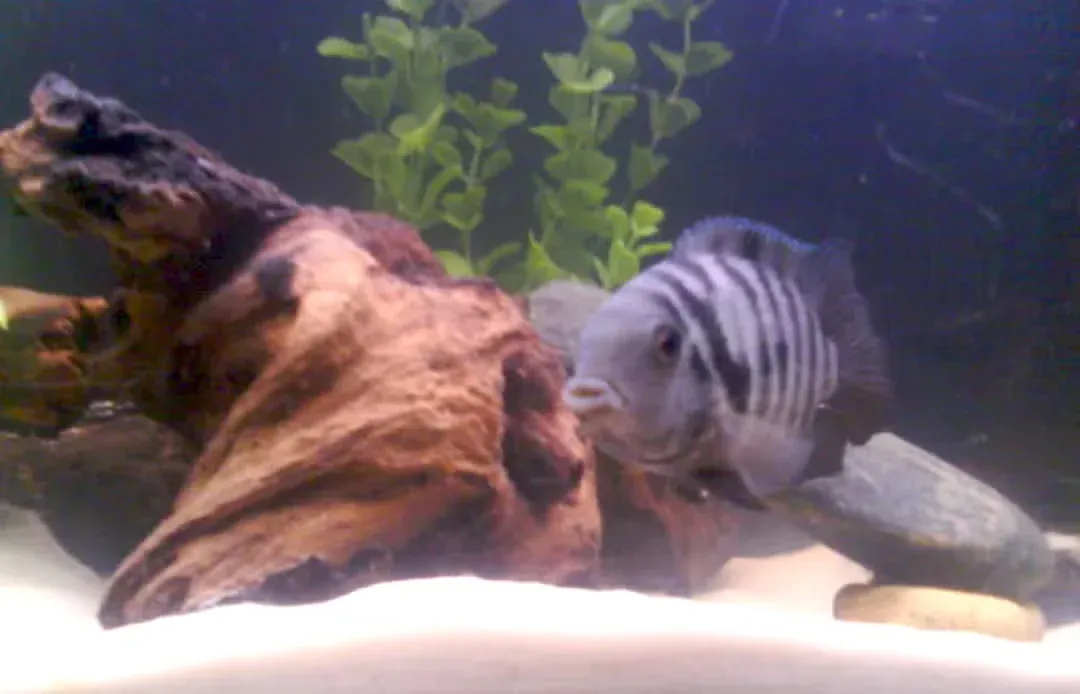
Central American Convict Cichlid (Amatitlania nigrofasciata)
North, Central, and South American Cichlids
These cichlids generally eat more animal proteins. Invertebrates, insects, and smaller fish make up a large part of their diet. They also need plant material, though less of it. In the wild, they get this from algae and aquatic plants.
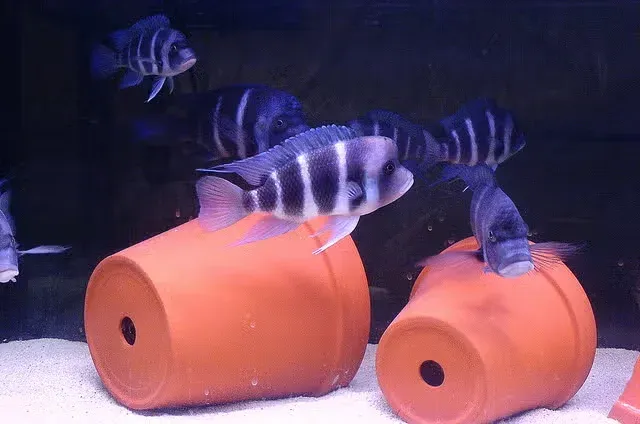
African Frontosa Cichlids
brian.ch on Flickr
African Cichlids
African cichlids typically eat far fewer animal proteins than American cichlids. Some, like Mbuna cichlids, are herbivores and eat no animal proteins at all. Their diet consists mainly of spirulina, other algae, and aquatic plants, with invertebrates and insects as a secondary source.
Homemade Cichlid Food Recipes
African Cichlid Food Ingredients
- 1 pound whole prawns (omit for herbivores)
- 1/2 pound spinach
- 1/2 pound shelled peas
- 9 oz (100 sheets) nori seaweed
- Juice and pulp of large orange
- 1 clove garlic
- 2 teaspoons spirulina powder
- 1/2 oz food grade agar agar
American Cichlid Food Ingredients
- 1 pound whole prawns
- 1/2 pound catfish fillets
- 1/2 pound frozen shelled peas
- 4.5 oz (50 sheets) nori seaweed
- Juice and pulp of medium orange
- 1 clove garlic
- 2 teaspoons spirulina powder
- 1/2 oz food grade agar agar
Directions
Both recipes use the same process.
- Add all ingredients except agar agar to a blender. Pulse until well incorporated and you get a smooth paste.
- Bring four cups of water to a simmer in a large pot. Dissolve agar agar completely.
- Add the blended mixture in small spoonfuls to the simmering agar agar. (If you add too much at once, the agar will set too quickly!)
- Stir well until all the mixture is added. You may need to add more water if the agar sets too fast. I always start with less water to keep the finished food more concentrated.
- Once the mixture is fully added and there are no visible chunks of set agar, pour the liquid food onto shallow baking trays.
- Refrigerate for a couple of hours to cool.
- Slice the set food into dime-sized pieces and place them in a large freezer bag.
- Store in the freezer.
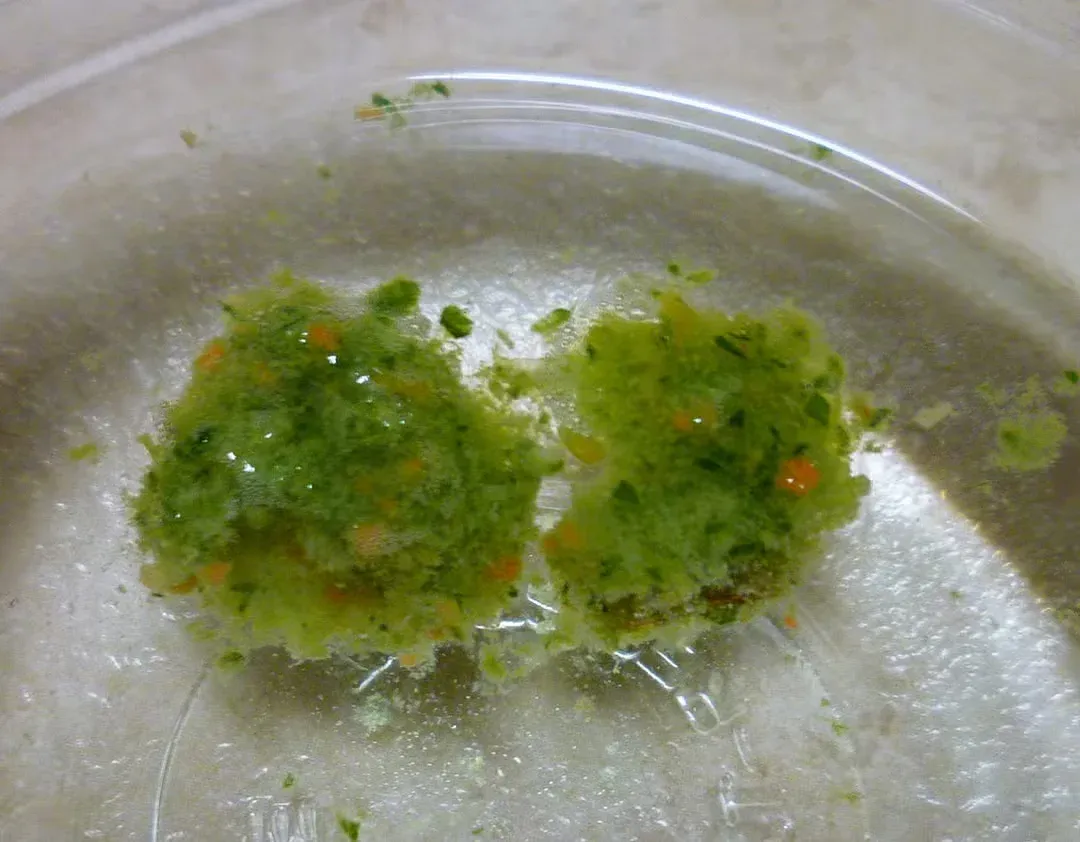
Homemade Cichlid food thawing for feeding
How to Use Your Homemade Food
- Take out as many cubes as your fish can completely eat in 1–2 minutes.
- Place in a cup and add room temperature water. Let the food thaw for 1 hour before adding to the tank.
- Remove any uneaten food from the tank after 2 minutes.
- Because of the high nutritional value, feed only once a day, four times a week.
Fasting Your Cichlids
Fasting one day a week gives the cichlid's digestive tract time to process and purge.
- For African cichlids, supplement with fresh lettuce, spinach, or zucchini on the other two days, and fast for one day.
- For American cichlids, feed frozen blood worms or daphnia on the other two days, and fast for one day as well.
The Results Speak for Themselves
After switching your fish to a homemade diet, you'll notice results almost immediately:
- Cichlids are generally less aggressive because they get the proper nutrients.
- Colors become much more vibrant! Fresh food provides higher pigment levels, leading to more color.
- A more complete diet helps your fish live a happier, healthier life.
Still not convinced? Look at the benefits of each ingredient:
- Whole Prawns: Adult whole prawns are a high-nutrition animal protein. The shells are left on and blended in because they contain chitin. Chitin isn't digested by the fish; instead, it provides digestive stability and prevents constipation.
- Catfish: For American cichlids, catfish provides another source of animal protein. Varying proteins is good, and catfish is a perfect non-oily fish for this.
- Shelled Peas: Frozen peas are a great choice. They offer green proteins and help prevent bloat and constipation.
- Spinach: As a leafy green, spinach is easier for fish to digest than plants like corn, soy, or potato. Spinach is high in vitamins and antioxidants, most of which benefit cichlids directly.
- Nori Seaweed: An ocean seaweed full of minerals and nutrients. It's essential for plant proteins.
- Spirulina Powder: A freshwater algae that African cichlids eat in the wild. It's high in plant proteins and valuable for ongoing cichlid health.
- Orange: It may sound odd, but cichlids actually like citrus fruits. The juice and pulp aid digestion (due to the acids) and provide vitamins, including vitamin C.
- Garlic: Even stranger than orange, perhaps, but garlic stimulates a fish's appetite and acts as a preventative against internal parasites.
- Agar Agar: This natural gelatin from red algae binds everything together, making it easier for fish to eat and for you to handle. I avoid regular gelatin because it's made from warm-blooded animal proteins that fish find hard to digest.
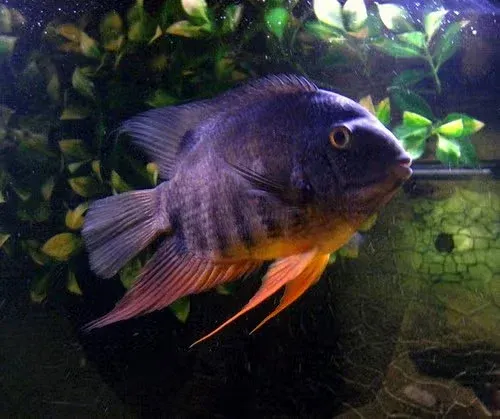
The initial costs are going to be higher than just going to the store and buying your regular pellet food, but it will pay off in the long run.
ickr.com/photos/pardee/
What's the Cost of Homemade Cichlid Food?
You might wonder about the cost. The initial expense is higher than buying regular pellets, but it pays off over time. For example, I spent $30 to make the American Cichlid recipe. It seems like a lot, but the food lasted 9 months. In that time, I would have spent nearly double on pellet/flake food. So, it's a good deal.
Thank you for reading my homemade cichlid food recipes. I wish you the best in your aquarium adventures. Please check out these other cichlid articles:
- Convict Cichlid Breeding
- Freshwater Bumblebee Goby
If you're also interested in making all-natural flake food, see Making Flake Fish Food.
This article is accurate and true to the best of the author's knowledge. It is not meant to substitute for diagnosis, prognosis, treatment, prescription, or formal and individualized advice from a veterinary medical professional. Animals exhibiting signs and symptoms of distress should be seen by a veterinarian immediately.
© 2011 Zach