A Kid's Guide to Keeping Earthworms as Pets
Harper Kelly
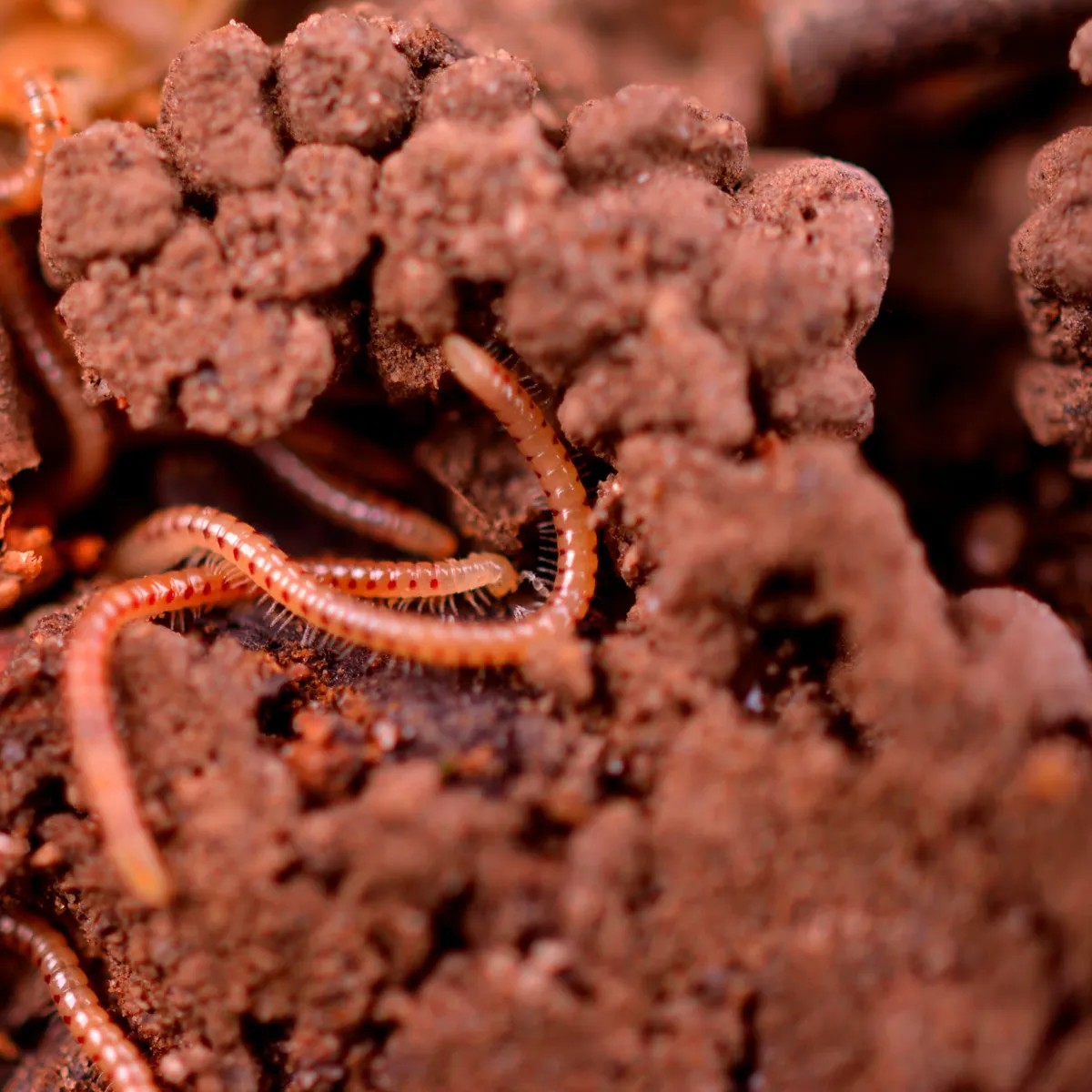
Looking After a Pet Earthworm
Since earthworms spend their lives beneath the soil, they may not strike you as a thrilling animal to keep. But once you understand how low-maintenance and hidden they can be, you might change your mind—a pet worm is one of the easiest and most secretive companions a child could ask for. You can house your worm underground in a worm box, a window box, a potted plant, or even right out in the garden.
If you'd like to observe your worm more closely, worm farms are a great option—they let you watch your pet worm go about its daily activities. One important thing to remember: a worm kept in a small worm farm with only dirt and nothing to eat won't survive for long, because worms need food just like any other creature.
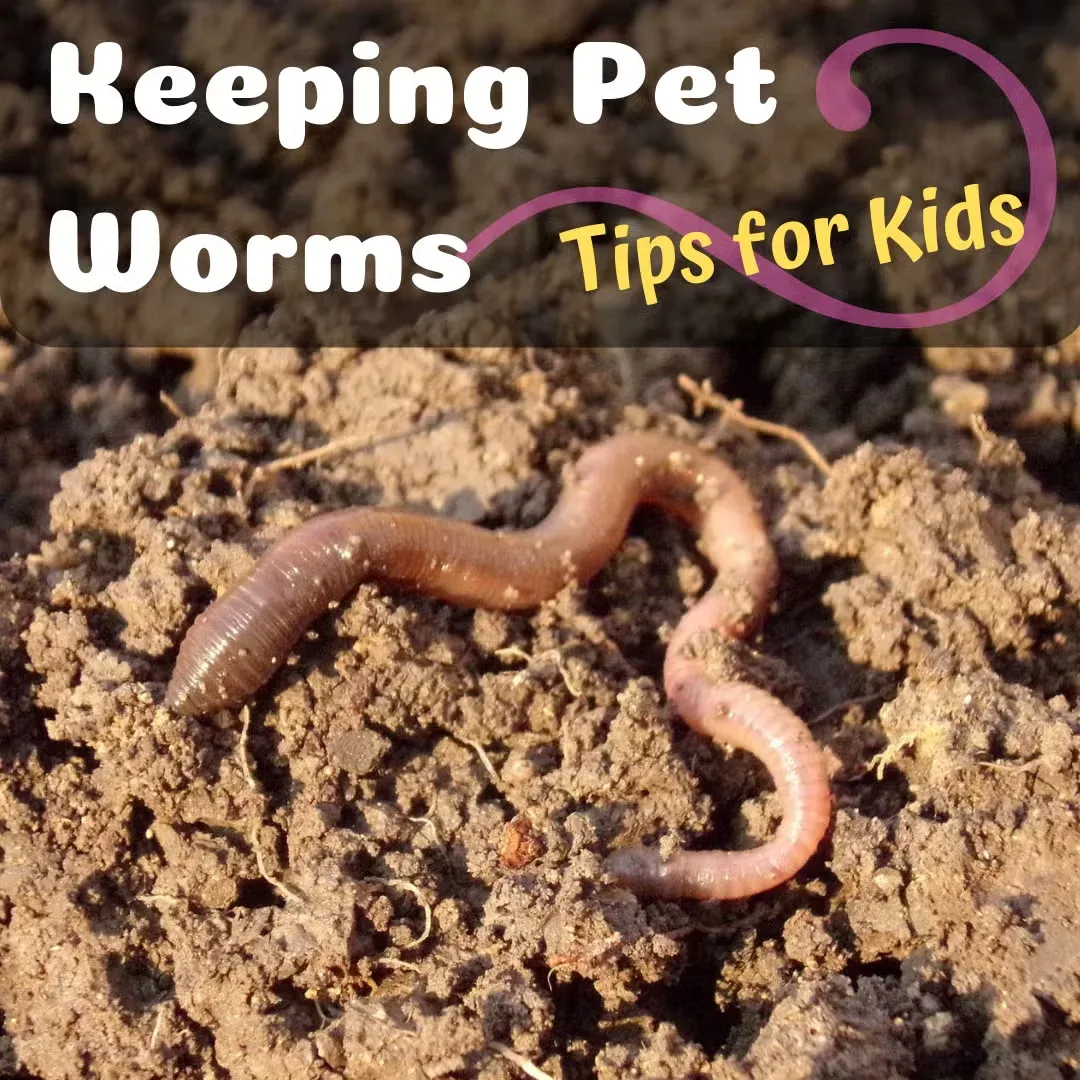
Learn how to keep an earthworm as a pet!
Image by Natfot from Pixabay
The Worm Diet
Worms consume decomposing material—in other words, rotting food and plant leftovers. If you have scraps from your kitchen, you can place them in a worm bin. The worms will break down those scraps and produce a soil-like waste that is highly nutritious for plants. In a way, worms act as nature's own recycling crew for food scraps.
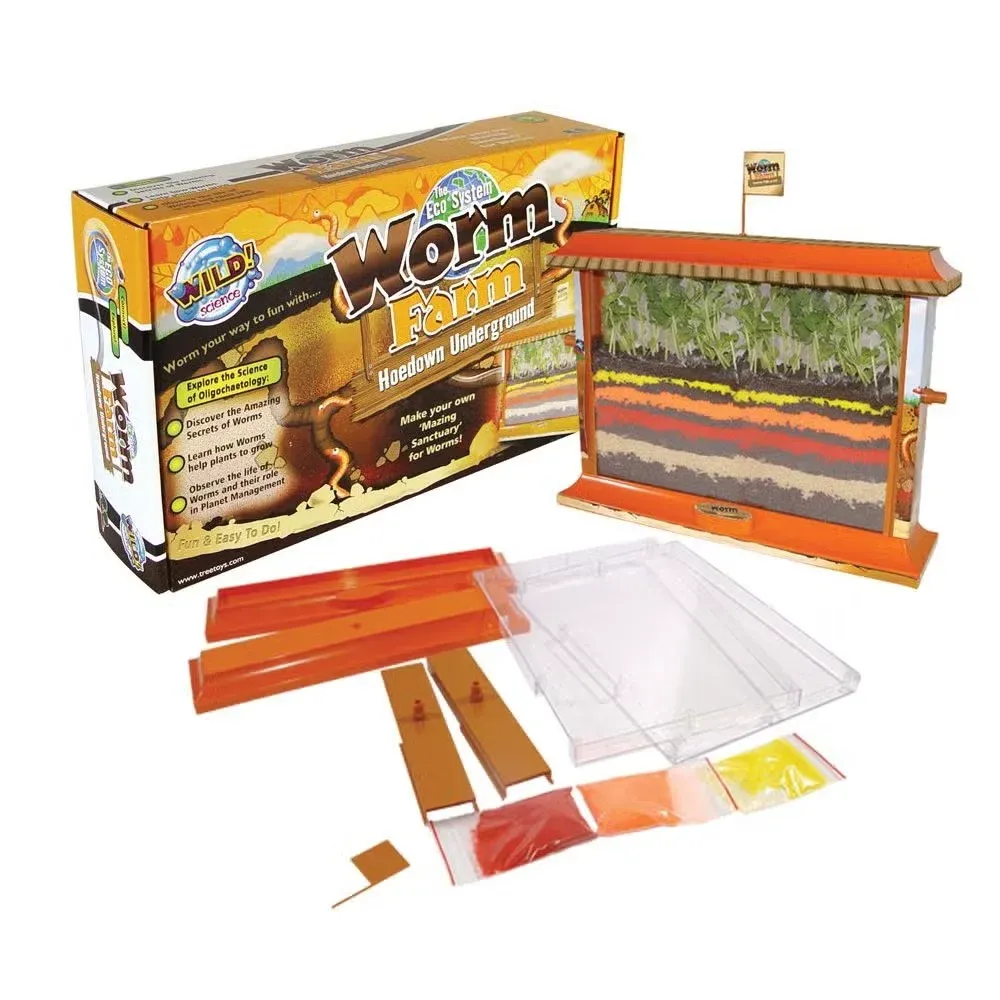
A worm farm is a clear-sided tank where you can see your worm as it slides through the soil.
Tips for Worm Care
Earthworms come in many varieties, and each type has its own care needs. The guidance below applies to the common pink earthworm often found in gardens.
- Don't pick them up. Pet worms are meant to be observed rather than handled or played with. Touching a worm with your hands can harm it, since its body is built for life in the soil. If you must relocate your worm, do it very carefully and try to keep some soil around it so your hands don't come into direct contact with its body.
- Keep them out of the sun. While people enjoy a sunny day, worms are made for life underground. Sunlight can give them a painful sunburn in a short amount of time, and it can also dry them out and kill them. Always make sure your worm has a gentle covering of earth.
- Moisture, not puddles. The soil your worm lives in can be damp or moist, but it should never be completely soaked. Have you ever seen worms stranded on sidewalks and roads after a heavy rain? They're trying to avoid drowning in the water.
- Feeding your worm. You can offer your worm a variety of organic scraps, such as potato peels, apple skins, carrot peelings, and other plant matter. These scraps can start to smell, so it's often best to keep your pet worm outdoors where the odor won't be a problem for anyone.
Worms Belong in the Wild
The ideal approach to having a pet worm is to keep it for just a few days and then release it back into nature. Letting your worm go might feel sad, but it's important to remember that worms are wild creatures that cannot truly be domesticated. They will enjoy longer and healthier lives if you only keep them briefly and then return them to the wild in good condition.
This article is accurate and true to the best of the author's knowledge. It is not meant to substitute for diagnosis, prognosis, treatment, prescription, or formal and individualized advice from a veterinary medical professional. Animals exhibiting signs and symptoms of distress should be seen by a veterinarian immediately.
Sources
- A Kid's Guide to Keeping Earthworms as Pets — pethelpful