German Shepherd Pup Delivers a Stuffed-Duck 'Greeting' to Her Owner
Jamie Evans
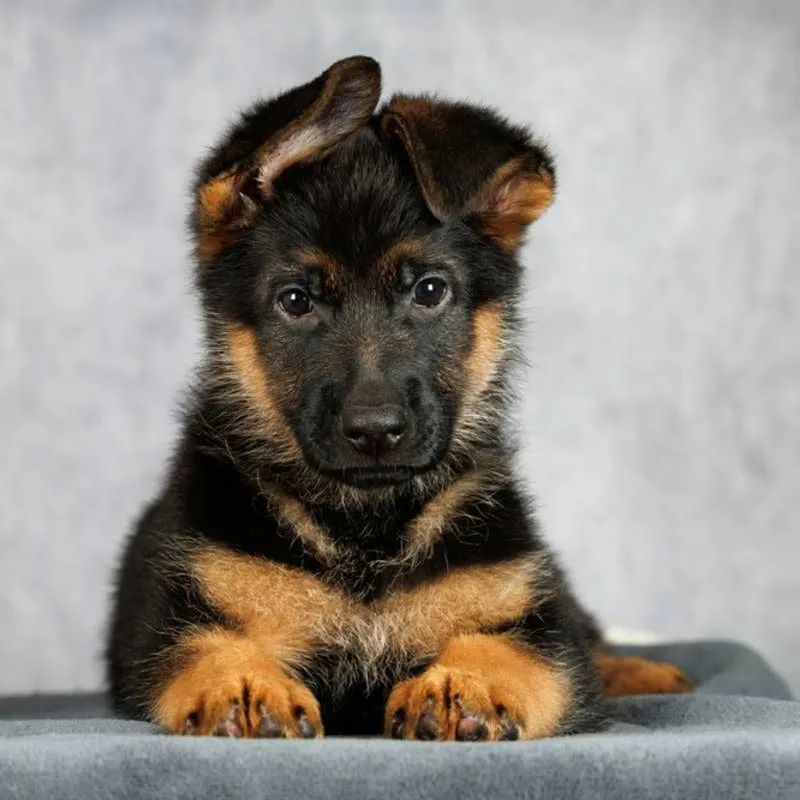
After a long shift, many folks have a personal routine they follow once they walk through the door. It might be swapping work clothes for something loose and flopping down in front of the TV, or heading to the fridge for a favorite treat. Either way, it's the payoff for getting through the day with their composure more or less intact.
One dog owner, however, had no way of knowing that his reward for a long day on the job would be a full-on pummeling—administered with a stuffed duck, no less—by the very creature he calls his best friend: a German Shepherd puppy named Willow. She waits until dad has made it to the couch for the wind-down portion of the evening, and that's when her "savage" (and completely endearing) attack unfolds.
Having raised a number of Shepherds over the years, I think I can decode this rather intricate puppy conduct for Willow's dad. A duck planted on the head is the universal canine signal for "playtime!" As for the beating? That came right after a standard four-second grace period. That's the window you have to respond in a positive, playful way before the "you didn't play with me the instant I asked" offensive begins.
What the 'Juvenile Period' Looks Like in German Shepherds
Shutterstock/Happy monkey
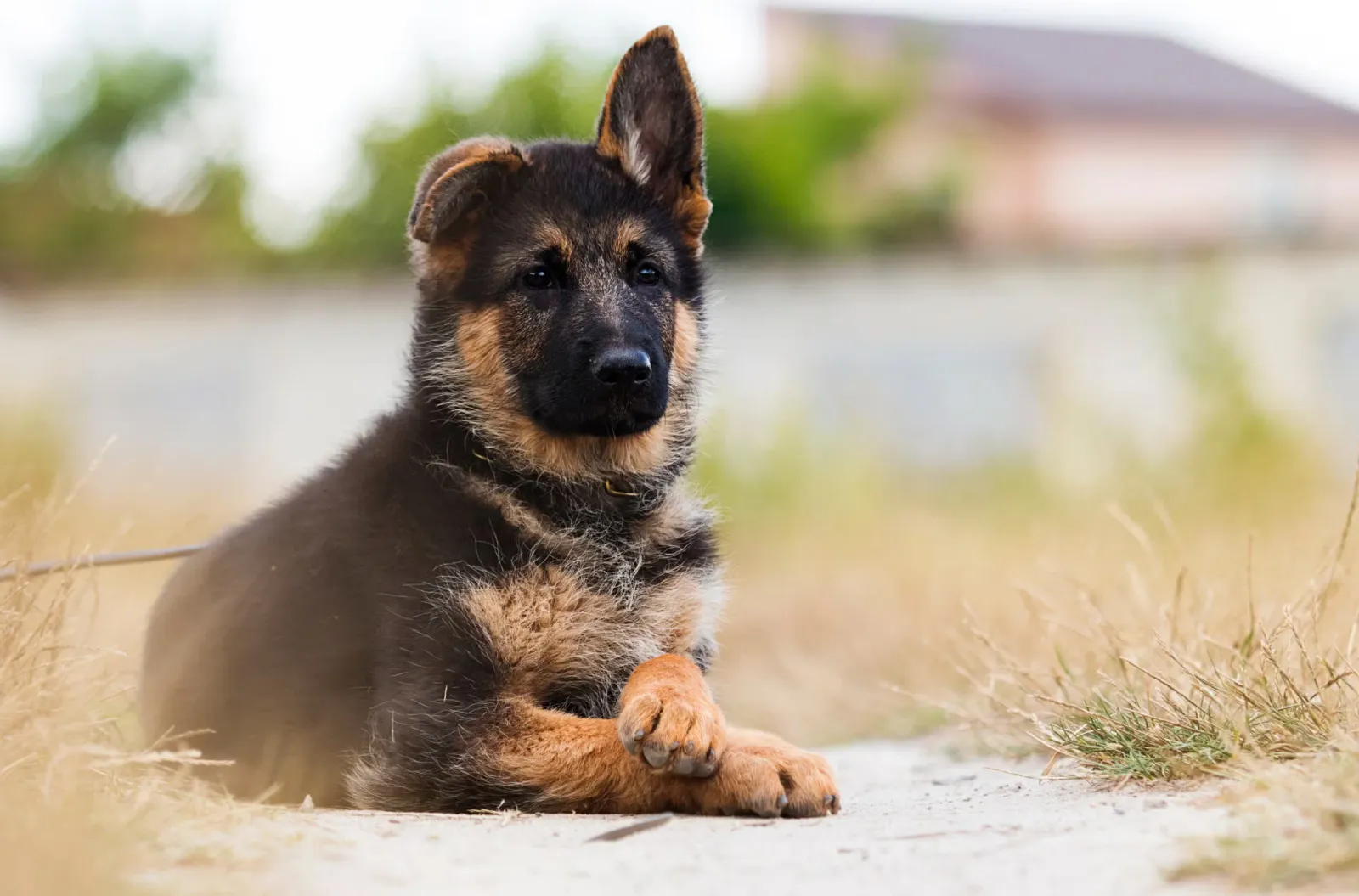
Owners of puppies going through this specific life stage often find themselves asking how much longer their cherished companion will keep pushing plush toys into their faces, gnawing on fingers, furniture and other people, and generally acting rambunctious.
For German Shepherds (GSDs), the "juvenile" phase runs from 4 to 6 months old. During this stretch, puppies acquire their adult teeth, complete house training, sharpen their motor abilities, and require ongoing socialization and training.
From 6 months up to about 2 years, the dog is considered to be in its "adolescent" period. In this window, a GSD sheds its puppy look and attains sexual maturity. Ongoing training and socialization remain essential. Setting clear boundaries is equally important at this point.
Somewhere around years 2 to 3—depending on the individual dog—a GSD reaches full size and is regarded as an adult.
That doesn't mean the wild behavior ends. It simply becomes easier to handle by then, and the puppy that was once tiny will come to grasp what is acceptable and when it is acceptable. Do they always act on that understanding? No. But they make the effort.
Willow is a sweetheart, and even her "assault" is charming. Puppies grow up so quickly—blink and the phase has passed. I currently have a 5-year-old Shepherd, and while my love for him and our connection deepen by the day, I'd still jump at the chance to revisit one of his carefree puppy days.
My advice to Willow's dad? Savor this chapter while it lasts!