A Groomer's Guide to Picking the Right Shampoo for Your Dog
Kai Lee
Choosing the Right Shampoo for Your Dog
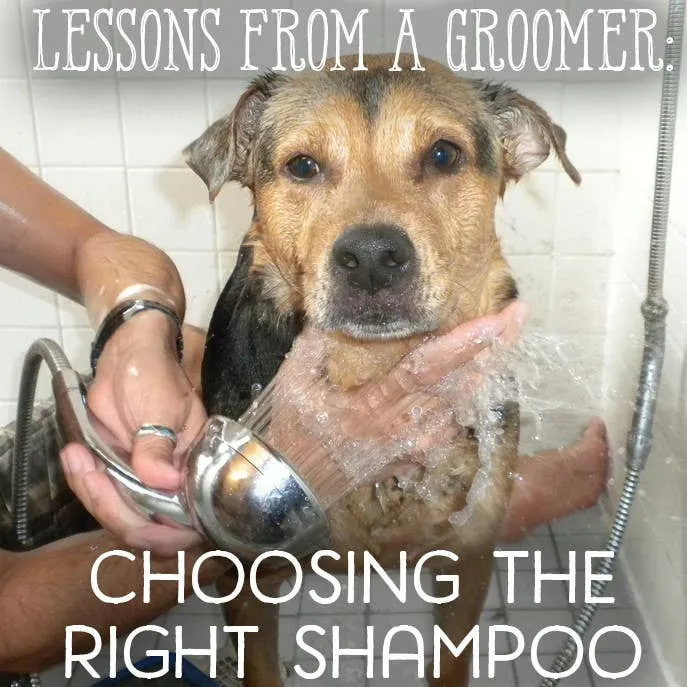
When it comes to washing your dog, the options can be overwhelming. What kinds of shampoos are available, and when should you use each one? This guide will help you navigate the choices. The key takeaway is to always use a shampoo designed for dogs, not for humans. While some people use their own shampoo on their dogs without issues, it's generally not recommended. Dog shampoos are pH-balanced specifically for pets, making them the safer choice.
The main categories of pet shampoos include:
- Oatmeal
- Medicated
- Whitening
- Puppy
- Super-cleaning
- Hypoallergenic
- Flea shampoo
- Conditioners
The American Kennel Club suggests opting for dog shampoos with natural ingredients made in the U.S. Soap-free formulas are ideal because they won't dry out your dog's skin.
Types of Dog Shampoo
Oatmeal-based shampoo is a solid everyday choice. It helps with dry, itchy skin, allergies, and soothes skin after flea treatments.
Medicated shampoo is for more serious skin issues like seborrhea. Those from pet stores often contain coal tar, sulfur, or hydrocortisone. They can improve certain conditions and hot spots. However, if your dog has an infection, yeast, or mites, consult a vet for the right shampoo.
Whitening shampoo brightens white coats and can also clarify other colors. There are also formulas for black coats. These shampoos clean deeply but may strip oils, so consider using a conditioner if you bathe your dog often.
Puppy shampoo is gentle for young puppies (under four months) and for old or fragile dogs. It's tearless, making it safe for the face and around the eyes. Human baby shampoo can also work for this.
Hypoallergenic shampoo is tearless and designed for pets with sensitivities. It's also good for owners with sensitive skin. But don't assume your dog needs it just because they itch after a bath. Often, itching is due to inadequate rinsing, dry skin, or a shampoo that's too harsh. Hypoallergenic shampoo is not a strong cleaner; it won't help with odors or oily fur, and it doesn't lather well. Before switching to hypoallergenic, try other options like oatmeal or conditioning shampoos.
Conditioners target either the skin or the coat. If your dog has dry, itchy skin, choose a skin conditioner. If the coat is dry, brittle, or dull, use a coat conditioner.
Using Flea Shampoo
Flea shampoo kills fleas but may require multiple applications as fleas become more resistant. Protect your dog's eyes and start by applying the shampoo to the head and neck to prevent fleas from hiding in areas like ears, eyes, nose, and rectum. Then apply to the rest of the body. Leave it on for 5–10 minutes as directed. While waiting, you can kill fleas manually by popping them between your nails. Flea shampoo paralyzes the fleas' nervous system, but they may not die immediately. Rinsing too soon lets them recover. If live fleas persist, consider a topical product like Frontline Plus or a groomer dip. However, don't mix too many flea products, as they are toxic. Flea shampoo can be used with dip or topicals, but not dip and topicals together. Elderly, frail, or nursing pets may be sensitive. When unsure, ask your vet.
Protecting Your Dog's Eyes During Bathing
When using shampoo that isn't tearless, protect your dog's eyes. There are eye protectants and eyewashes available; make sure you buy a protectant, not an eyewash. One drop per eye is enough, as protectants are oily. Mineral oil can also be used. To apply, tilt your dog's nose up slightly, pull back the upper eyelid, and drop the solution onto the eye from above. Your dog won't see it coming. Natural tears will dissolve the protectant in 20–30 minutes.
Avoid Using Human Soaps and Shampoos
It's not healthy to use human products on your dog. For example, human dandruff shampoo like Head & Shoulders is unsafe for dogs. Dawn dish soap, often used on wildlife, is not safe for regular use on pets. Consult your vet for dandruff-specific pet shampoos.
Additional Dog Grooming Resources
- How to Use Scissors and Clippers Learn about different types of scissors and clippers, how to choose the correct tools for your pet, and what is worth your money.
- How to Clip Nails and Properly Bathe Your Pet In this lesson, I will describe clipping the nails, cleaning the ears, and giving the bath. Nail clipping is hard to describe, but I will do my best.
- Clipper Tips and Tricks Learn the basics of clipper handling and how to cut hair so that you use your tools safely and effectively.
This article is accurate and true to the best of the author’s knowledge. It is not meant to substitute for diagnosis, prognosis, treatment, prescription, or formal and individualized advice from a veterinary medical professional. Animals exhibiting signs and symptoms of distress should be seen by a veterinarian immediately.
© 2009 Willow Mattox