Dog Chews and Snacks: Hidden Risks You Should Know About
Jordan Gray
Are Some Dog Treats Risky for Your Pet?
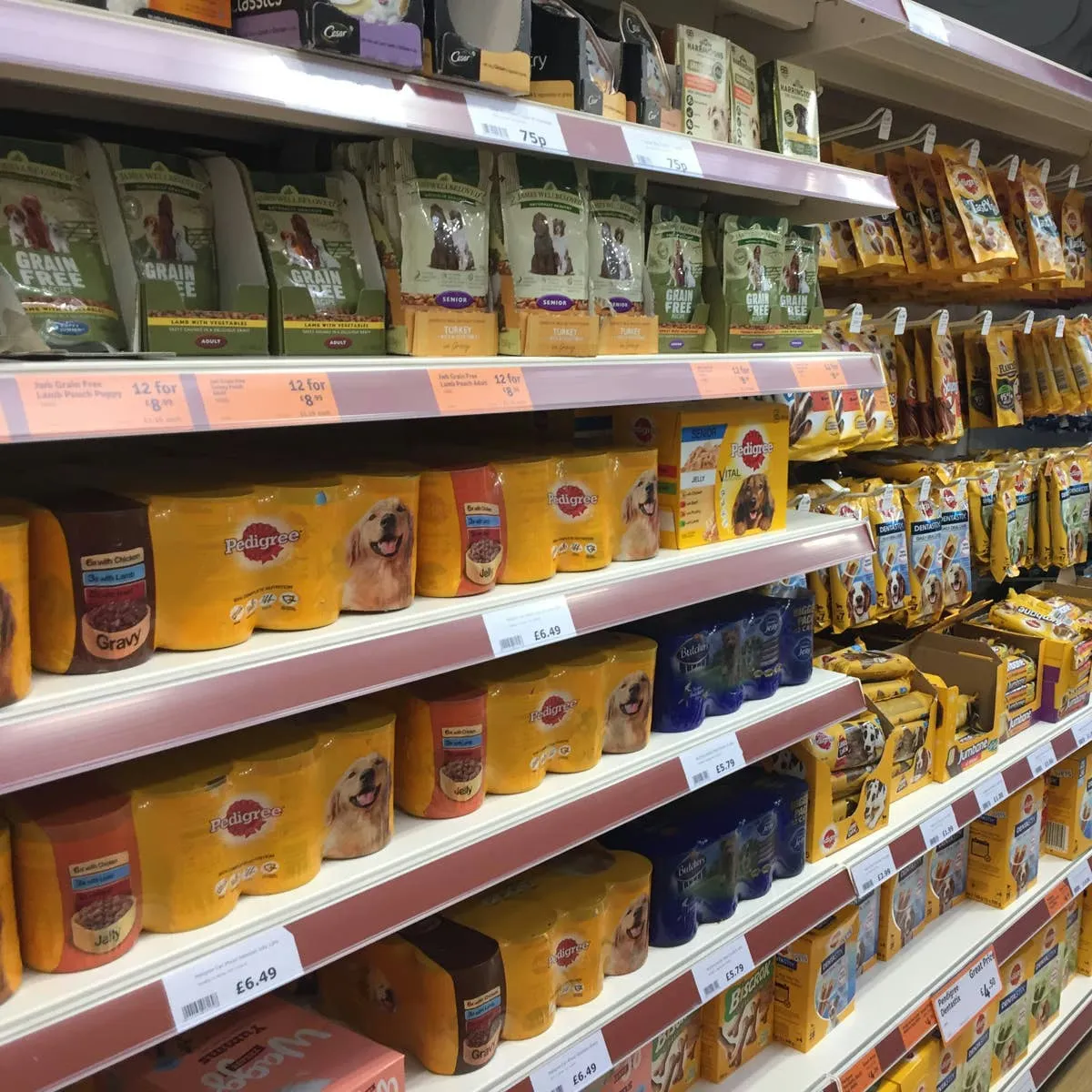
In 2018, dog treats generated £462 million in UK sales alone. Supermarkets, discount stores, and pet shops fill their shelves with tempting snacks for dogs. These products often sport cute names and packaging designed to catch the eye of pet owners, and some are marketed with health claims like promoting dental hygiene, being grain-free, or aiding digestion.
But behind the appealing images of happy dogs, there may be hidden hazards: additives that can make dogs ill, processing techniques that could be harmful, or ingredients that are less safe or digestible than advertised.
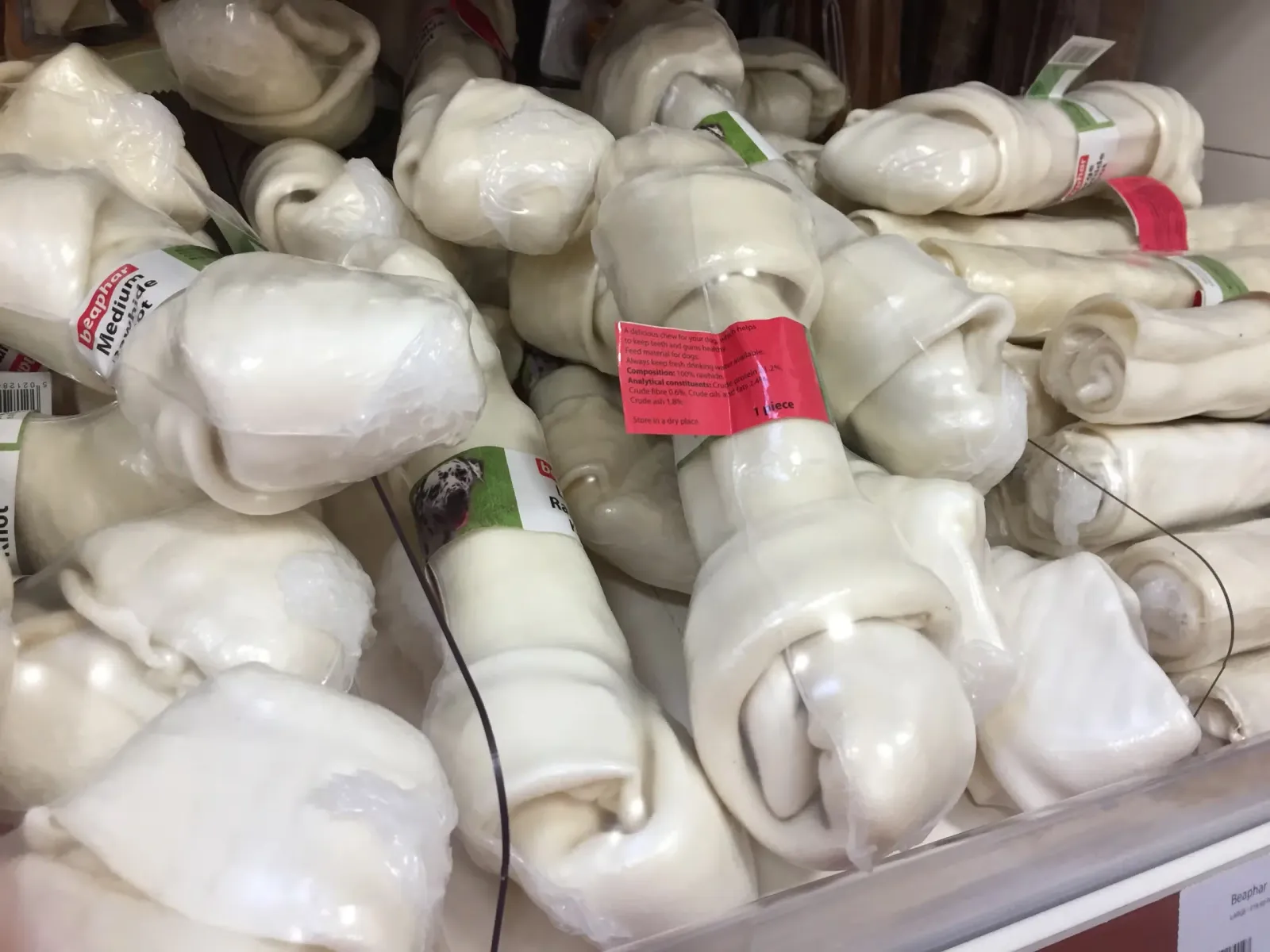
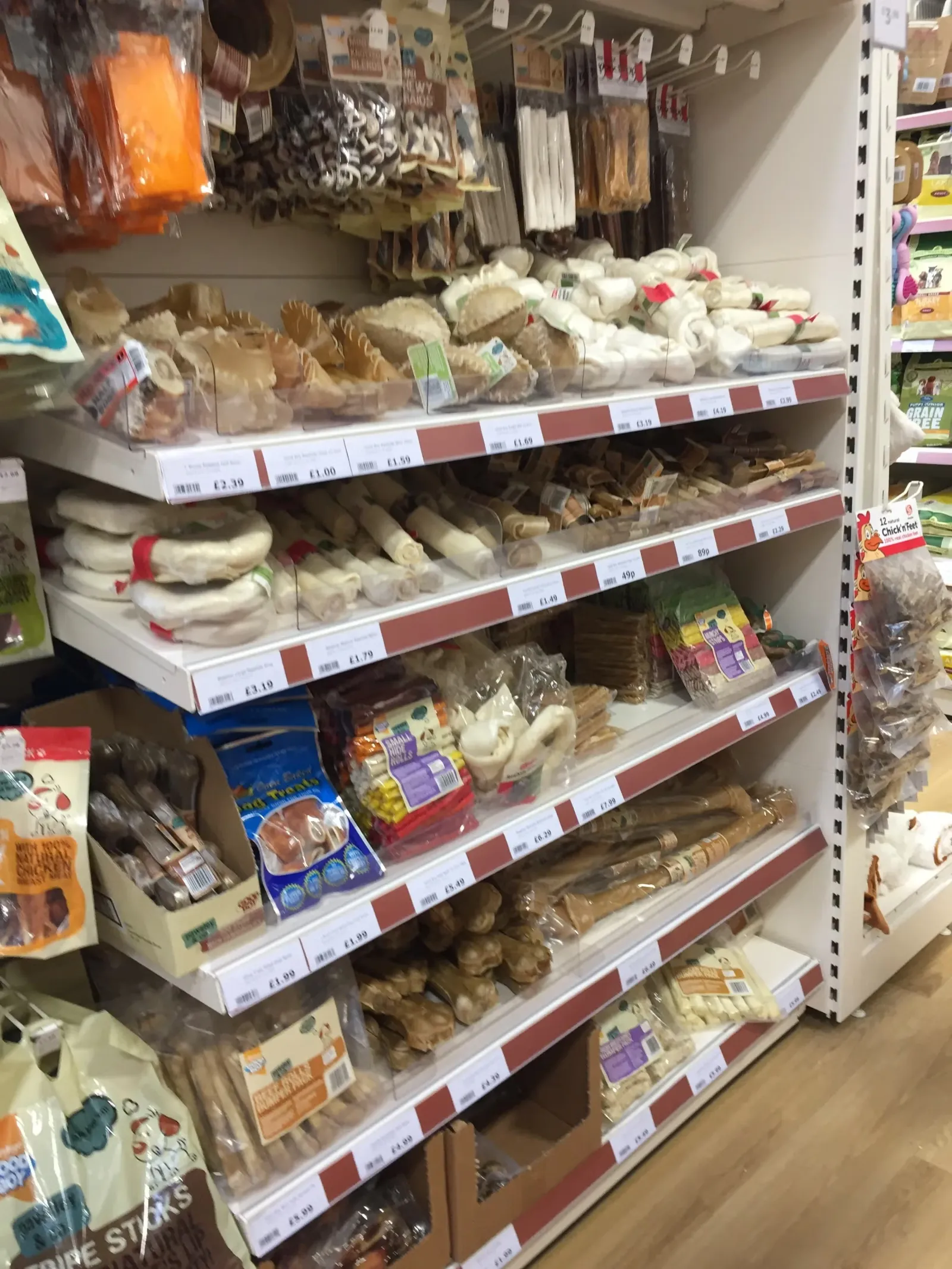
Rawhide is a hugely popular treat choice, found in a range of shapes, forms and colours.
Author's Photo
Rawhide: A Popular but Potentially Harmful Chew
Rawhide remains one of the best-selling dog treats because it is inexpensive and most dogs find it appealing. It is available in various forms, from flat sheets and shaped bones, balls, or rings, to ground and pressed shapes like stars, hearts, or flat bones.
Marketed as a long-lasting chew that promotes healthy chewing habits (protecting furniture) and helps clean teeth by reducing tartar, rawhide is a staple for many owners.
Its main selling point is also its biggest danger: it is tough and designed to last, making it hard to break into small pieces. If a dog swallows a large chunk, it can cause an internal blockage.
A 2014 study examined the digestibility of different dog treats. Using test tubes to simulate stomachs and intestines, researchers observed how treats moved through the digestive system. The first step was to place them in an artificial stomach and monitor digestion before moving them to simulated intestines. Most rawhide was hardly digested before leaving the stomach. How well it was processed depended on the type of rawhide (beef or pigskin, and which part of the animal was used). However, the majority of rawhide bones tested passed into the gut almost undigested.
The researchers concluded that rawhide chews "should be discouraged for dogs that tend to consume large pieces of food without much [chewing] prior to swallowing, as it could pose a risk for gastric blockage." While blockages are the primary concern, other dangers exist when purchasing these chews.
Rawhide undergoes heavy processing before sale. The animal hide (usually cattle) is split, with the top layer going to leather production and the inner layer (hypodermic interstitial tissue) used for rawhide. This inner layer is high in collagen and has little nutritional value.
To convert skin into rawhide, it is washed with degreasers and detergents, cleaned, sterilised, and bleached in hydrogen peroxide. Artificial colours and flavours are then added to make it more appealing. Products from certain countries may also contain preservatives to prevent rotting during transport.
During this process, the supposedly healthy treat is exposed to various chemicals, some highly toxic. These may include:
- Sodium sulphide and lime to remove hair and fat. Ingesting sodium sulphide can cause mouth and throat burns, nausea, vomiting, and diarrhoea, though large amounts would be needed.
- Hydrogen peroxide or bleach to whiten the rawhide. Hydrogen peroxide can lead to vomiting and diarrhoea.
- Titanium oxide (titanium dioxide) possibly used for further whitening. Animal studies have shown titanium dioxide to have a carcinogenic effect.
- Formaldehyde, mercury, lead and arsenic have been detected in rawhide products in the US.
- Glue is often used to manufacture rawhides. The final shapes are glued together, and some of these glues are toxic.
Products from China are often considered the worst for containing dangerous chemicals that could cause health complications; however, even in products made in the US and the UK, chemical processes are required to transform the rawhide into a chew. It is, therefore, easy to see how the dangers of rawhide outweigh its limited benefits.
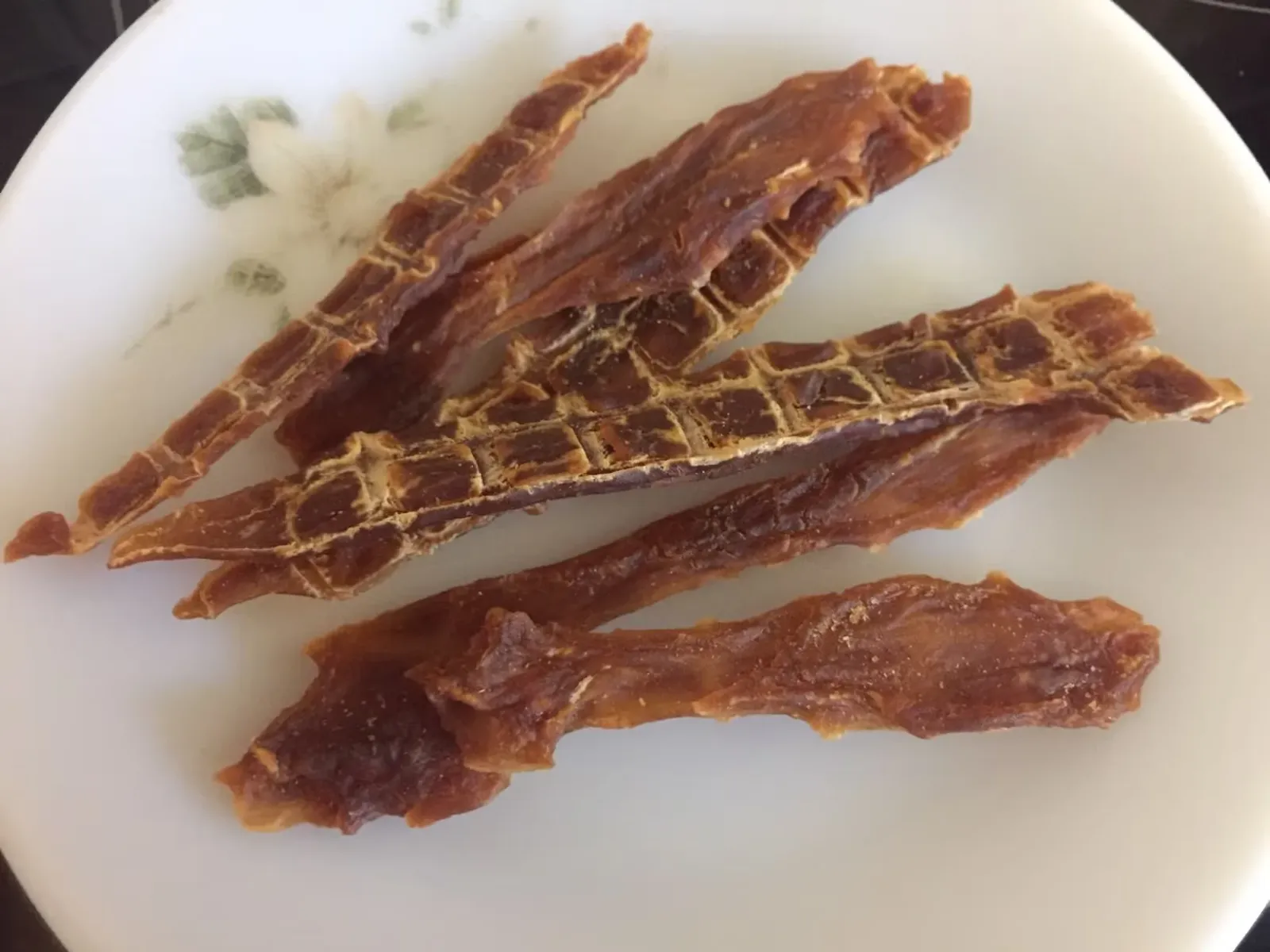
This duck jerky was made in China and sold in the UK.
Author's Photo
Jerky Treats from China: A Red Flag
Since 2007, the FDA has received thousands of reports of pets becoming ill after eating jerky dog treats made in China. In most cases, the animals showed signs of Fanconi Syndrome (sometimes called Fanconi-Like Syndrome or FLS), a rare, hereditary condition affecting the kidneys.
The kidneys filter waste from the body while retaining essential nutrients. Waste leaves via urine. In dogs with FLS, the kidneys malfunction, and important nutrients are lost in urine instead of being retained. Affected dogs drink and urinate more than usual, may be lethargic, and lose interest in food. Fortunately, many improve with veterinary treatment and by removing China-made jerky from their diet.
So far, the FDA has not determined why these jerky treats cause illness, despite extensive testing for various toxic substances. While a clear link exists between eating these treats and developing FLS, the cause remains unknown.
In 2013, some jerky products from a well-known brand were withdrawn in the US after tests found residual antibiotics. These treats were reformulated and returned to market in 2014. However, antibiotics are not thought to trigger FLS.
In 2014, the FDA tested more jerky treats and found several contained amantadine, a drug used in Parkinson's disease to ease tremors and involuntary movements. It has also been used as an antiviral for certain flu types. It should not be in pet treats, yet amantadine's known side effects do not include kidney problems. Therefore, it is not the trigger of FLS.
While uncertainty remains about why jerky treats from China could cause FLS, what is clear from FDA testing is that these treats are liable to contain additives that should not be there, raising questions about what else they might contain that is potentially illegal and dangerous to dog health.
The simple answer would seem to avoid treats made in China, but is it that easy? Manufacturers sometimes import meat from China and then produce their products in the UK and the US; thus, they are labelled as being made in the country they are being sold in. The best solution is to opt for homemade jerky—it is not hard to do, and you will know exactly what your dog is consuming.
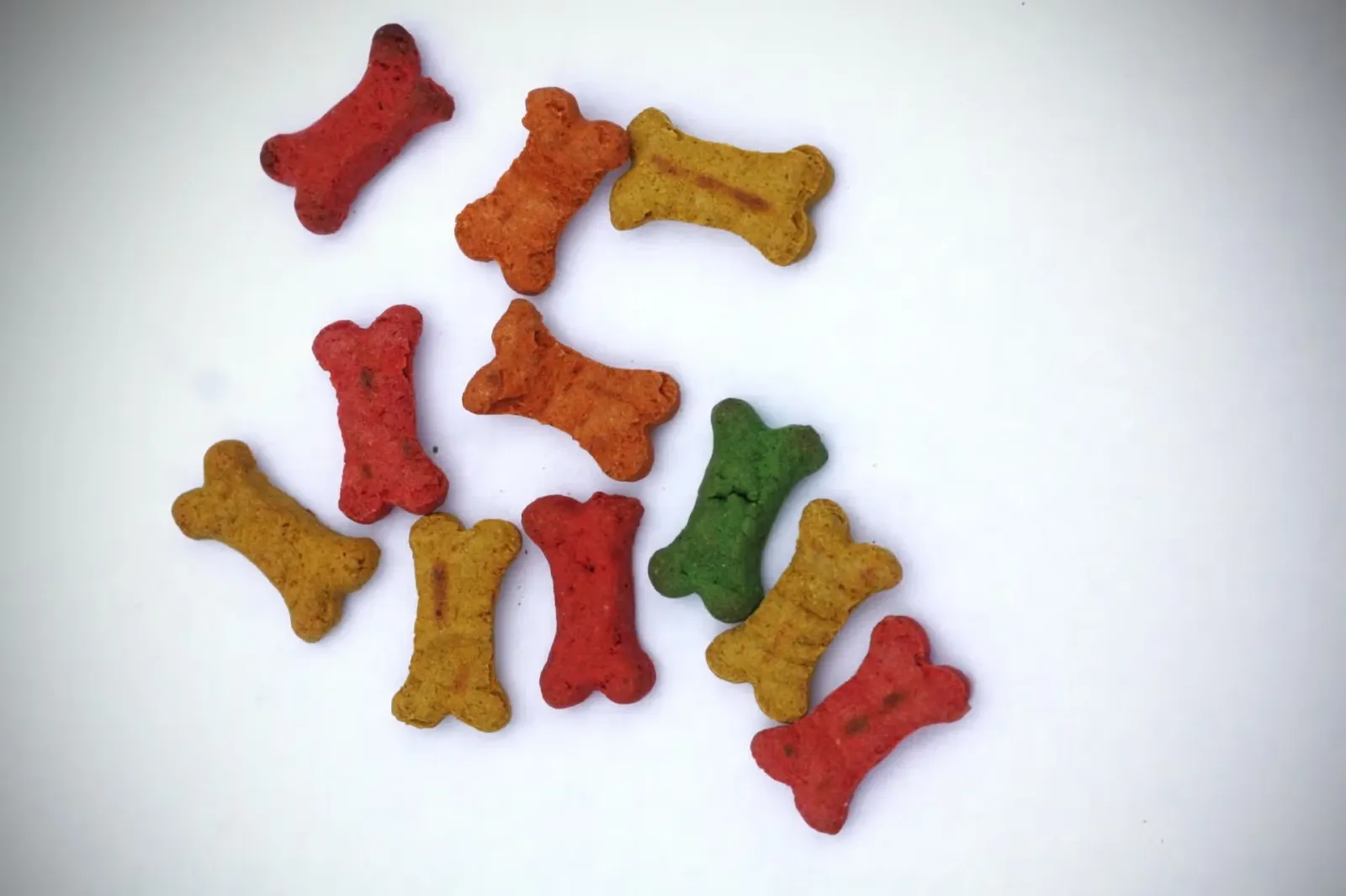
Many dog treats are artificially coloured.
Public Domain
Colorful Treats Can Be Hazardous
Dog treats are often dyed with bright, vivid artificial colours to make them look appealing. Evidence suggests these additives could be harmful to pets.
In the UK, these are labelled as 'EC permitted additives,' while in the US, companies specify the exact artificial colour used. These can include:
- E102 or Tartrazine (known in the US as Yellow#5)
- E110 or Sunset Yellow (known in the US as Yellow#6)
- E132 Indigotine (known in the US as Blue#2)
- E129 Allura Red (known in the US as Red#40)
Research by the UK's Food Standards Agency found that colours E102, E110, and E129 were linked to mood swings, and hyperactivity could cause ADHD in children. They called for these colours to be banned in 2008, but they remain legal additives in both human and animal food. In human products, packaging must carry a warning about potential side effects. Also in 2008, vets commented that 'bad' behaviour in dogs could be linked to food and treats containing artificial colours, just as in children.
While these behaviour changes usually disappear when artificially coloured food or treats are no longer given, more worrying is that E129 (Red#40) has been linked to cancer in animals and is now banned in several European countries (but not the UK or the US). UK veterinarian Joe Inglis, who spearheads the Campaign for Real Pet Food, commented in 2008:
Over the 12 years I've been a practising vet, I have seen a substantial rise in cases of problems caused by poor diet, including allergies and intolerances, and behavioural issues linked to artificial additives in food.
While dog treat manufacturers are slowly removing artificial colours from their products, many are still on the market and fed to pets by owners unaware of the potential side effects. As pretty as these treats look, they are best avoided.
Preservatives found in dog treats could have a negative effect on our pets’ health.
Author's Photo
Dog Treats and Cancer: The BHA Connection
In recent years, controversy has arisen over the food additive E320 or Butylated Hydroxyanisole (BHA). BHA is a synthetic antioxidant often used as a food preservative. It is not always easy to know if a dog treat contains BHA; some, like Milk-Bones, list it on the ingredients, while other packaging simply states that a product contains antioxidants and preservatives without specifying BHA (though it is very likely present).
Various experiments over the years have shown that in large doses BHA causes cancer. Japan has banned its use in human food, the U.S. National Institutes of Health and the state of California have listed BHA as carcinogenic, yet it is still a legal food additive in the UK and US.
Studies on rats, mice, and hamsters showed a link between consumption of BHA at high levels and stomach cancer. Other studies on fish linked it with liver cancer. However, uncertainty remains about how dangerous it is at lower levels, so it has not been banned.
Many popular brands of dog treat contain BHA to extend shelf-life, making it tricky to avoid. Yet with the rise in cancer in dogs, owners are growing more aware of potential carcinogens. To stay clear of BHA you have to cut out any product that contains artificial preservatives—these will usually be biscuits and processed chew bars.
Buying natural treats, like rabbit ears, dried fish, or products from companies that do not use artificial preservatives, will help you keep BHA out of your dog's life. When in doubt, ask the manufacturer for a full ingredients list; if they can't provide one, that is a product to avoid.
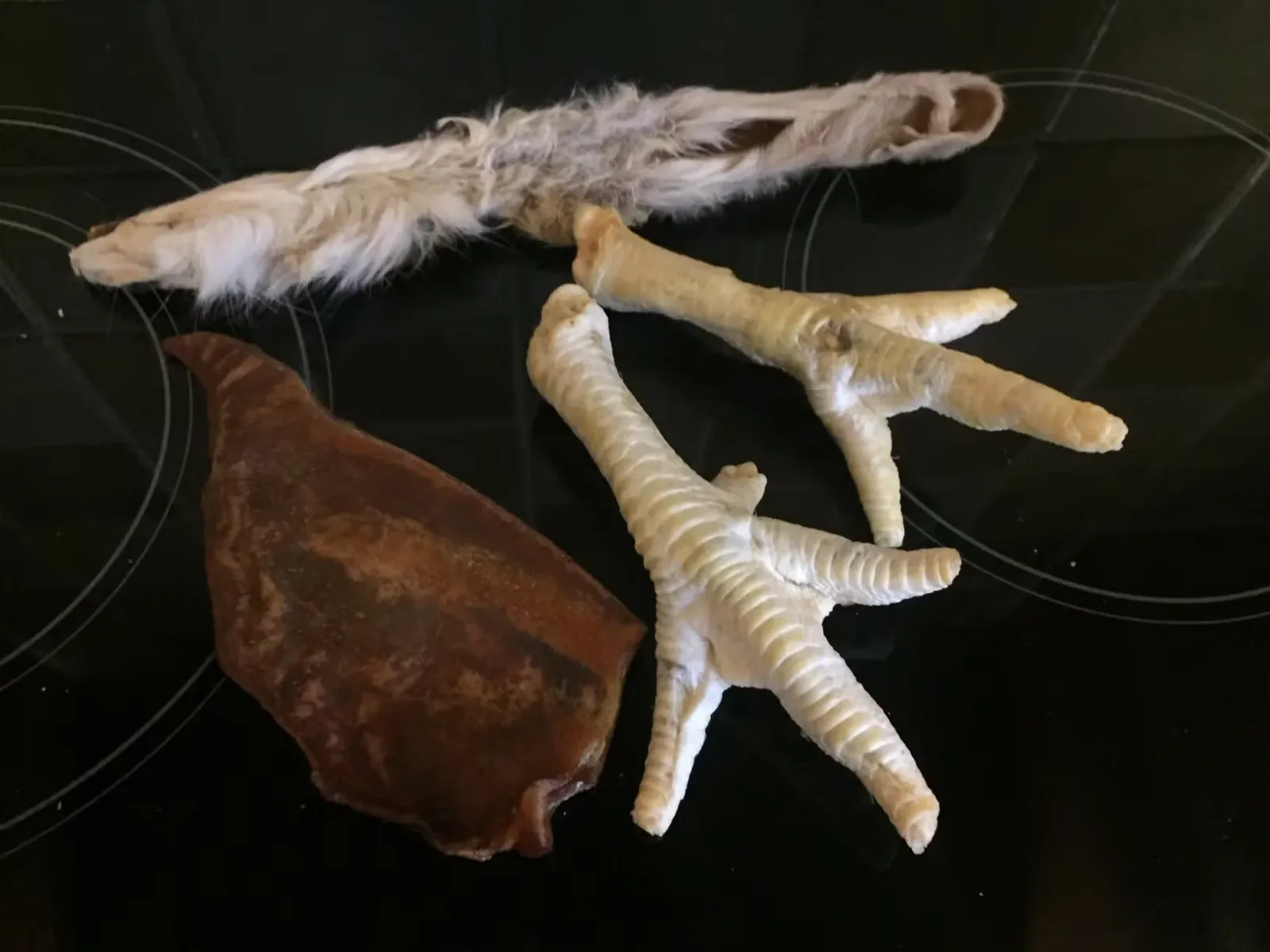
Natural treats – rabbit ear, puffed chicken feet and a pig’s ear.
Author's Photo
Sweeteners in Treats: A Hidden Concern
For many years, dog treat makers added sugar to improve palatability, often to compensate for low-quality ingredients. With growing concerns about sugar in pet foods, manufacturers had to change.
Rather than improve the ingredients so sugar was no longer needed, they switched to an artificial sweetener—sorbitol. As a bonus, sweeteners are cheaper than sugar, so manufacturers could increase profits. Sugar should not be part of a dog's diet, and replacing it with sorbitol to make a product seem sugar-free simply makes the problem worse.
Sorbitol (E420) is a sugar alcohol found naturally in small quantities in fruit, but for commercial purposes, it is created through chemical processes. While the source material is natural (potato starch or corn syrup are common starting points), the manufacturing method is far from natural. One form requires nickel or the rare metal ruthenium as a catalyst. Nickel, when ingested, can cause stomach ache and issues with red blood cells and kidneys, while ruthenium is considered highly toxic and carcinogenic. Though these metals are filtered out before purification, the concern remains that such toxic metals were used in its creation.
Even without these worries, sorbitol has well-known side effects. Medical sorbitol has been used as a diuretic and laxative. Consuming too much can cause stomach cramps, diarrhoea, and weight loss (if the source of stomach troubles is not recognised). For dogs with sensitive stomachs, sorbitol could easily trigger further problems.
Another, more controversial concern is sorbitol's impact on appetite and obesity. Various studies have linked artificial sweeteners to weight gain (and increased risk of diabetes and heart disease in humans). One theory why sweeteners cause obesity is that they are empty calories and cause the body to become hungrier. In dogs, it has been suggested they make food taste sweeter and more appealing, so they crave more and eat more, while avoiding healthier foods that do not contain sorbitol.
However, the biggest concern with sorbitol remains its potential for causing stomach problems and severe weight loss. The short answer is that dogs do not require sugar in their diets, and therefore do not require a sugar replacement. If a product needs sorbitol to make it palatable, then it is clearly not of good quality to begin with.
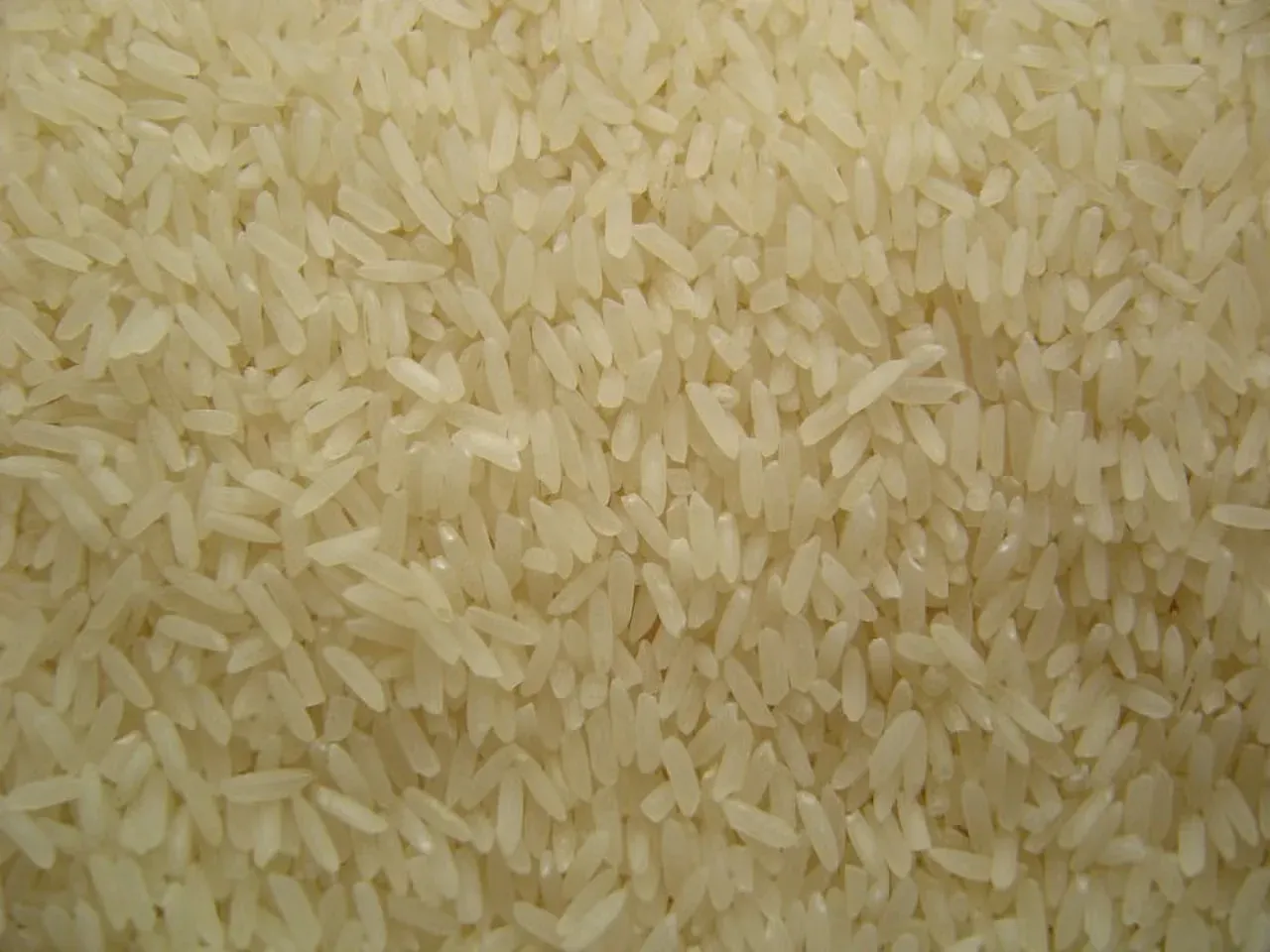
Rice, though a grain, is gluten-free and many ‘grain-free’ dogs can eat it
Public Domain
Grain and Gluten: What to Consider
When it comes to grain in dog food (wheat, corn, or rice), there is much debate about whether it has benefits or should be removed entirely. Pet food manufacturers have used grain in kibble, treats, and some wet foods for years to bulk out the diet, keep it low fat, and, in baked products, bind items together. To make a hard biscuit, flour is essential.
With the rising number of dogs with allergies, grain, or more specifically gluten, has been blamed as a major trigger. Gluten is found in certain grains including wheat, rye, and oats. An intolerance to gluten is blamed by many for stomach troubles and feeling unwell. In dogs, it seems to contribute to itchy skin, ear infections, and possibly flatulence.
A gluten-free diet is not the same as a grain-free diet since rice and corn are grains but do not contain gluten and are safe even for those with coeliac disease, a serious auto-immune condition worsened by gluten. So, if you think your dog may be intolerant to gluten, that does not automatically mean they have to go grain-free.
Equally, going grain-free might not be as healthy as it seems. As of 2019, there have been mounting concerns that certain grain-free dog foods could be responsible for causing dilated cardiomyopathy (DCM), a serious and potentially deadly heart disease. The FDA is investigating, with concerns that the use of peas, lentils, pulses, and potato in grain-free products could be putting pets at risk.
While the investigation is still at an early stage, and it is not entirely clear why certain foods could cause DCM, some vets are telling owners to ditch grain-free. New York veterinarian Lisa Lippman has concerns about grain-free products:
It's extremely, extremely rare for dogs to have a grain sensitivity. Even though I think [DCM] uncommon and unlikely to happen to your dog, it's so unnecessary to be feeding grain-free. DCM is just not a disease you want to mess with, and as a pet parent, to think that you could have caused it, even inadvertently, is really devastating.
Veterinary medicine professor Christopher Lea, director of the Auburn University Veterinary Clinic, is of a similar opinion: "I don't feed grain-free diets to my pets, and I'd certainly be cautious after what I've read and what I've seen from our cardiologist."
So where does that leave us? The simple answer is that just because a dog treat is labelled 'grain-free' does not make it a healthier alternative. If your dog has never had an issue eating treats containing grain, then there is no reason to change. If your dog does show sensitivities, try switching to gluten-free treats, instead of grain-free. These could include rice bones or treats containing corn.
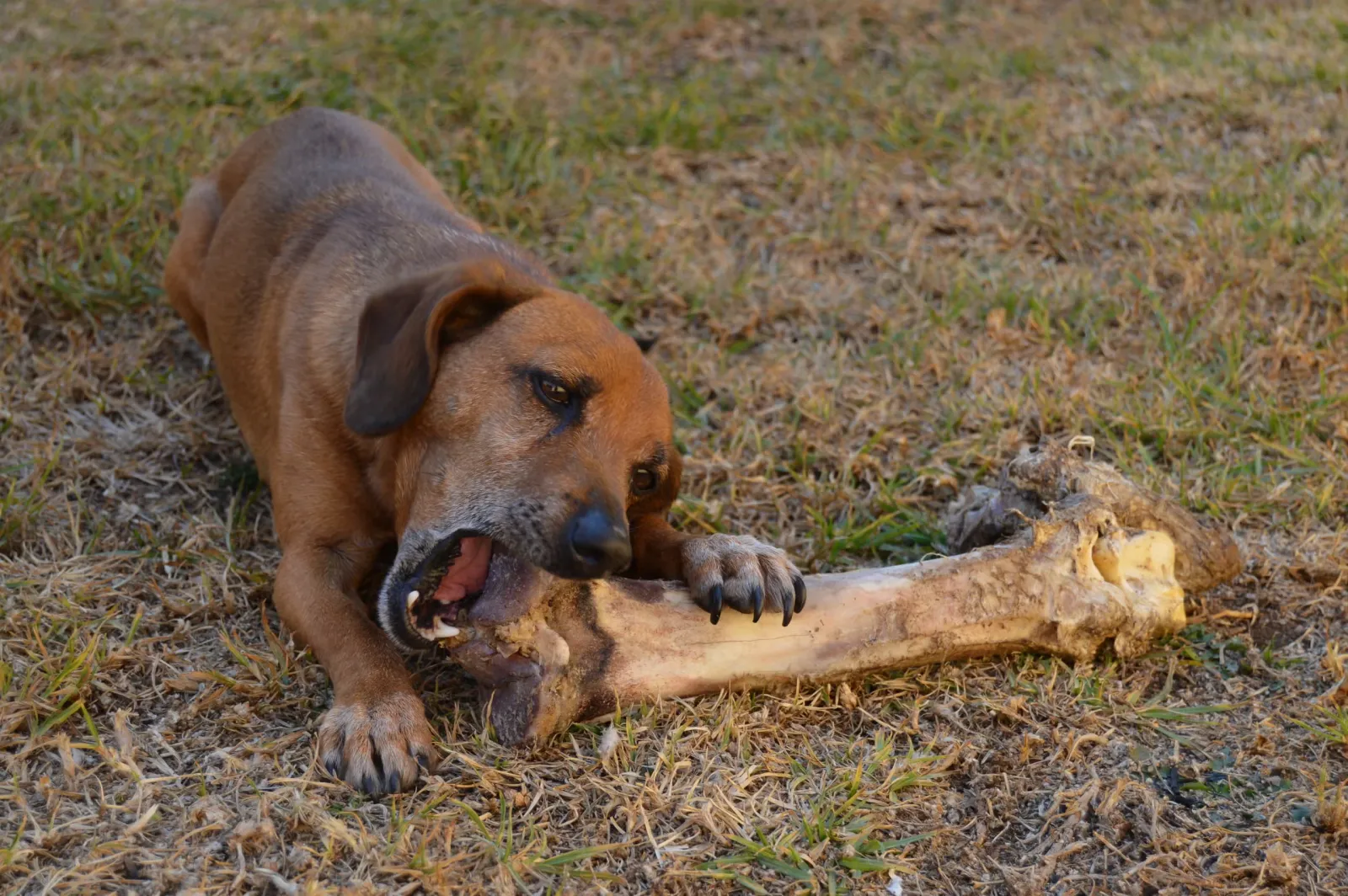
Bones are a good chew, but the wrong sort can be hazardous
Public Domain
Bone Treats: Handle with Care
In any pet shop, next to rawhide, you'll find bones: flavoured, filled, roasted. They are a cheap, long-lasting treat that keeps teeth clean—what's not to love?
First, let's clarify what we mean by bone treats. These are the sort you buy in a pet shop that have been cooked (usually dried) and may have added flavours or be stuffed with a filling. They might look deep brown and feel greasy, or be bleached white and appear dry. These bones have been processed and are not the same as raw bones bought from a butcher or raw food pet shop.
Raw bones are a great way to satisfy your dog's chewing needs and aid in teeth cleaning. Dogs will crunch on smaller bones, breaking them down before consuming, but bigger bones, such as raw knuckle bones, will usually just be chewed on. Dogs should always be supervised when eating bones, and care taken to ensure they don't swallow large lumps. Fortunately, the stomach is very good at dealing with raw bones; though it does not break them down, it will round off sharp edges so they pass through the gut safely.
Of course, there is a slight risk of choking or blockage if a dog fails to chew even a raw bone. This leads us back to bone treats, or rather processed bones. There are many reasons why processed bones can be hazardous. Part of the problem is that these bones have been dried, making them very hard, but also brittle at the edges. Raw bones are soft, easy for a dog to break down with chewing, and easier to digest—completely different from processed bones.
Dog owners know that feeding cooked bones from the dinner table could lead to problems, as they are more likely to splinter when crunched, producing sharp shards. Unfortunately, many do not realise the same risks apply to shop-bought treat bones.
Treat bones can cut the mouth or tongue if they splinter or develop rough edges. They also wear down teeth because they are so hard. Instead of improving your dog's dental health, you could be making it worse. Dogs may even break teeth if they chew too hard on treat bones.
Another risk comes from filled bones. These are attractive to consumers because they are clean and don't smell. They are usually filled with something tasty that dogs love to lick out. However, as the filling is consumed, the bone becomes hollow, and dogs will tend to slip their upper or lower jaw into the middle as they chew on the edges. Dogs may then get the bone stuck around their jaw, requiring a vet visit to cut it free.
The most worrying risk from treat bones is the danger of them causing a blockage inside the dog. Naturally, this depends on whether the dog likes to consume pieces of the bone, but for dogs that do, large pieces can be swallowed and get stuck. Some dogs are lucky and emergency surgery will remove the bone; others cannot be saved.
One final concern is that many of these bones are treated with artificial preservatives, colours, and flavourings which, as mentioned above, could have a negative effect on a dog's health. So, if you are going to feed bones, feed raw ones and supervise your dog's consumption of them.
This article is accurate and true to the best of the author's knowledge. It is not meant to substitute for diagnosis, prognosis, treatment, prescription, or formal and individualized advice from a veterinary medical professional. Animals exhibiting signs and symptoms of distress should be seen by a veterinarian immediately.
© 2019 Sophie Jackson