Understanding Canine Fears: From Vacuum Cleaners to Fireworks
Alex Wood
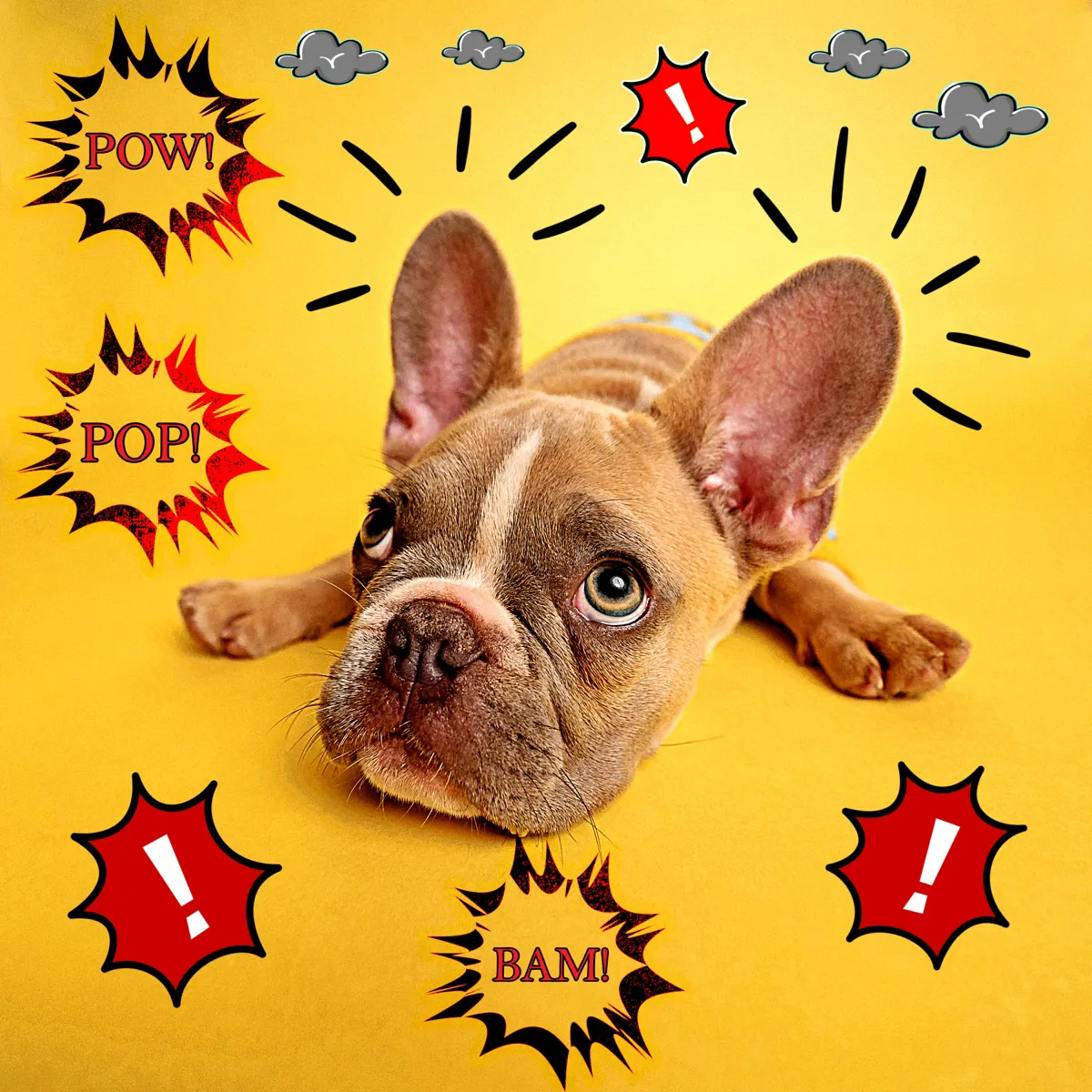
As a guardian of three dogs, I've witnessed a spectrum of fears: one panics during fireworks, another despises the vacuum, and a third is frightened by her own shadow—she also fears fireworks, by the way. On the Fourth of July, my spouse and I must sedate two of them; otherwise, they tremble and urinate while trying to burrow into us. Fortunately, relatively speaking, the third dog is so elderly and hard of hearing that he mistakes fireworks for his own flatulence.
We once had an older dog, now deceased, who was also terrified of fireworks. Using a weighted blanket actually helped her cope.
Individual Differences Matter
Every dog owner knows there is no universal approach to care. During walks, Archie pulls ahead as if he's mushing in the Iditarod, while Cindy pauses to inspect every bush with intense curiosity.
The same variability applies to fear. Archie approaches new situations with curiosity and confidence, whereas Cindy often acts as if a bear is about to attack her. The natural question is: why? Why does one dog fear typical triggers, while another is scared of balloons, hats, and lettuce?

Kids are often a source of anxiety for dogs because they’re loud and unpredictable.
Photo by Picsea on Unsplash
Reasons Behind Dogs' Fears of Unusual Things
Dogs develop fears of strange, odd, or bizarre stimuli for three primary reasons:
Insufficient Socialization
A critical socialization period occurs between 3 and 16 weeks of age. During this time, puppies encounter other dogs, humans, and various environmental scents. Proper socialization helps dogs become accustomed to their surroundings.
Traumatic Experiences
After trauma, dogs often regress socially. Triggers can include conflicts with other dogs, abusive or neglectful owners (such as leaving them alone all day), severe thunderstorms, or even a balloon popping at a child's party.
However, nothing induces as much terror in my dogs as fireworks—and the mailman. In our area, July 4th is a major celebration, and my dogs dread it; I know they're not alone.

If loud noises like fireworks trigger your puppy, counter conditioning and desensitization will help them learn to tolerate the explosions..
Photo by Karolina Grabowska
Genetic Influences
According to a 2020 Science article, "Is your dog anxious? Genes common to its breed could play a role":
"Noise sensitivity was most pronounced in lagotto Romagnolos (a large, fuzzy retriever native to Italy), wheaten terriers, and mixed breed dogs. The most fearful breeds were Spanish water dogs, Shetland dogs, and mixed breeds. And nearly one-tenth of miniature schnauzers were aggressive and fearful toward strangers, but such traits were virtually unheard of in Labrador retrievers."
Hannes Lohi, a canine geneticist at the University of Helsinki involved in the study, noted that mixed breed dogs often grow up in shelters, making their anxiety more likely due to environmental factors rather than genetics.
Typical Fears in Dogs
Vacuums | Vet visits |
Men | Groomer or blow dryer |
Children | Stairs |
Rain | Cars |
Quirky Things Dogs Dislike
Kittens | Bubbles | Their own gas |
Mice | Balloons | Dog apparel |
Spoons | Crosswalks | Hats |
Lettuce | Bridges |
Helping a Dog That Fears Everything
If your dog is easily frightened, there is hope, but it demands patience, commitment, and rewards (like treats). Consider these three approaches:
Positive Reinforcement Training
For fears of concrete objects such as strollers, balloons, or hoses, you can gradually reduce the fear. I've seen dogs bark at their owners simply because they wore a hat and the dog didn't recognize them.
As the Anti-Cruelty Society advises:
"Start off by introducing the scary thing to your dog at a distance and rewarding her with lots of treats and praise when she does not show signs of fear. This will teach her to associate yummy treats with the scary object. If at any point she starts showing signs of fear, take a break and calm her down by softly petting her. Start again from the last point when you succeeded and go even slower."
Counter Conditioning and Desensitization
For fears triggered by loud noises like fireworks, counter conditioning and desensitization are effective. The Animal Humane Society explains:
"Counter conditioning means training an animal to display a behavior that is different than his current reaction to a stimulus. Desensitization is the process of exposing the animal to a stimulus beginning at a very low intensity. Counter conditioning and desensitization need to be used together to be effective."
For instance, to desensitize your dog to fireworks, find a fireworks video on YouTube. Play it at low volume and gradually introduce the sounds of July 4th to your dog.
Building Tolerance for Fireworks Requires Patience
As fireworks play, give your dog treats, so over multiple sessions and weeks, they learn to associate the noise with treats. They aren't learning to enjoy fireworks, but to tolerate them. Monitor their behavior during training.
Also, extra treats mean more walks to prevent weight gain, which is a positive aspect of the training.

One of the best ways to get a dog to trust you is to get down on their level.
Image by Jennifer Regnier Photography from Pixabay
Three Strategies to Earn a Scared Dog's Trust
1. Respect Their Space
Trust begins with allowing the dog to feel ownership of their immediate area. Without it, they become fearful. Especially with rescue dogs, let them indicate when they're comfortable.
Many rescues have spent time in small cages or crates before coming to your home, not due to malice but circumstance. Allow them to use their travel crate as a safe haven for days or weeks, and they'll gradually adjust.
2. Make Yourself Smaller
Humans are much larger than dogs, so your height alone can seem threatening. Crouch down or sit on a bench away from the dog, and let them approach you. Treats are essential here.
3. Avoid Direct Eye Contact
Remember, a dog is a wild animal until proven otherwise, and direct eye contact signals confrontation to wild animals. Be cautious with your gaze. Watch for subtle or obvious social cues that show they're relaxing. Look away as you pet and praise her.
FAQ
Why does my dog suddenly seem scared?
Since sudden fear can stem from many causes, here are two common ones not yet mentioned:
- Pain: It could be from eating something harmful or a more complex issue. Sometimes fear-like behavior is actually pain, so a vet check is always wise.
- Neighborhood Dogs (or Worse): Strays might be around your home, and your dog has detected their scent. Where I live, coyotes roam, and when they do, the dog howls change tone.
Why are dogs scared at night?
As a senior dog caretaker, I'll answer from their view. Older dogs may develop nighttime anxiety as their sight and hearing decline, leading to mistrust of their instincts.
This is how noise phobias form, so consulting your vet is recommended.
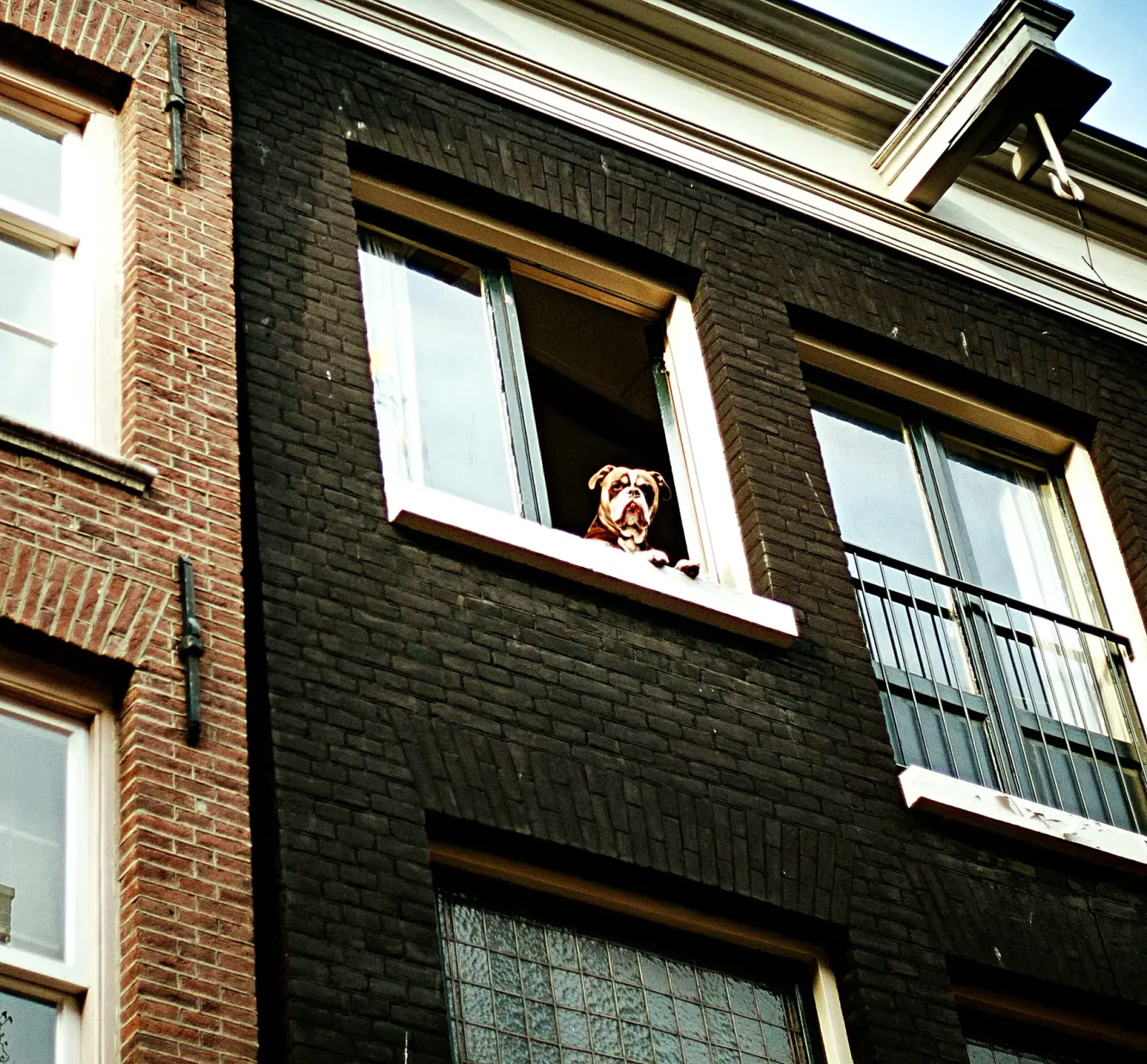
Tell me you have separation anxiety without telling me you have separation anxiety.
Photo by Ethan Sexton on Unsplash
How can I help my dog with separation anxiety?
Excluding dogs needing medication due to comorbidities, as senior dogs often have overlapping conditions, here are three effective methods, none purely psychological:
- Walk him at dawn and dusk – Good for any healthy dog. Walks are like letting him browse his TikTok feed. Once in the morning and once at night, consistently.
- Run him till he quits – Not all dogs need intense running; some do fine with walks. My dog Archie, a Jack Russell-chihuahua mix (Jackhuahua), needs to run until exhaustion.
We have a back wall where my wife and I throw rubber balls for him to chase until he brings the last one back, drops it, and lies down. It's adorable and signals we've met his needs. - Be consistent – Obvious but challenging. Excuses for skipping walks or runs are easy—sometimes valid like heat or rain.
Your dog might forgive once, but his energy WILL dissipate somehow. He could destroy cushions, defecate in shoes, or bark incessantly, annoying neighbors. It's not personal; those needs must be met.
How to overcome a fear of dogs?
Numerous mental health sites rightly suggest therapy for this fear, with cognitive behavioral therapy being ideal.
Familiar with CBT, this article by 21-year-old Rebecca ("How I learnt to cope with my dog phobia") applies basic CBT techniques practically. She writes:
"In the end, what worked best for me was actually exposing myself to my phobia in a process called 'flooding'. Flooding is when you expose yourself to something that causes you anxiety (in my case dogs), until your anxiety calms down and you see there is no real threat."
If you fear dogs and want to change, you'll eventually need to be around them. Therapy can help, but exposure like Rebecca's flooding (also exposure therapy) is often recommended.
This article is accurate and true to the best of the author's knowledge. It is not meant to substitute for diagnosis, prognosis, treatment, prescription, or formal and individualized advice from a veterinary medical professional. Animals exhibiting signs and symptoms of distress should be seen by a veterinarian immediately.