Understanding the Roots of Canine Aggression: A Look at Seven Distinct Triggers
Jordan Gray

Why Dogs Show Aggression
Aggressive behavior in animals can stem from numerous sources. In domestic dogs, aggression was once considered desirable because it enabled them to guard their owners and property. Yet these aggressive tendencies are highly unpredictable and frequently create difficulties. To grasp why canine aggression is so erratic, it helps to first examine the different categories of aggression in dogs.
Seven Categories and Their Causes
| Type of Aggression | Cause of Aggression |
|---|---|
| Predatory |
|
Hunting prey for food or sport
| |
Fear-induced
|
Fear of something, such as the vet
| |
Pain-induced
|
Injured, sick
| |
Punishment
|
Negative reinforcements
| |
Dominance
|
Alpha mentality; wanting to show that it is the one in charge
| |
Territorial
|
Desire to show something is theirs, such as food, family, or their yard
| |
Learned
|
Dog fighting, negative reinforcements
|
1. Predatory Aggression
For many dogs, hunting is an innate drive. When predatory aggression is triggered, the dog gives no warning before attacking. Sadly, children and other pets are often the targets of this behavior.
2. Fear-Induced Aggression
Veterinarians and their teams frequently encounter aggression rooted in fear. However, animal clinics are not the only setting where this occurs. Whenever an animal feels cornered and unable to flee, it will instinctively fight back as a means of survival.
Other triggers can include unexpected loud sounds and the presence of children. A frequent cause is a dog's fear of unfamiliar people. Even specific attributes of people—such as a hat, a uniform, or the sight of a rolled-up newspaper being delivered—can set off this response. Such reactions may be linked to past experiences.
3. Punishment Aggression
Punishment aggression overlaps with both fear-induced and pain-induced aggression. If an owner resorts to physical punishment, like spanking a dog's hindquarters, the dog may respond aggressively. Physical punishment is never advised for any animal, and especially not for dogs. Some owners go too far by kicking, slapping, or punching the animal. This constitutes abuse and is strongly unacceptable, if not illegal.
Even isolation methods, such as crating or confining a dog to a room, can provoke outbursts in some dogs because they resist being isolated. This is more likely when the crate used is too small and uncomfortable for the dog.
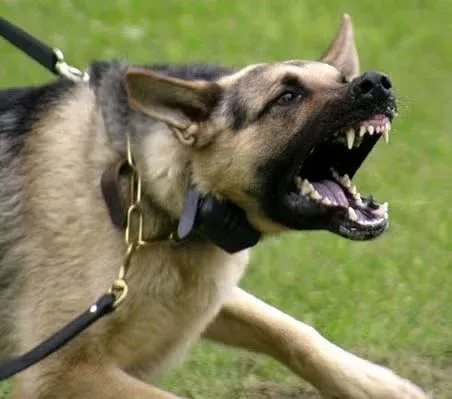
The most common body language used in animals is to show aggression or displeasure at something.
4. Pain-Induced Aggression
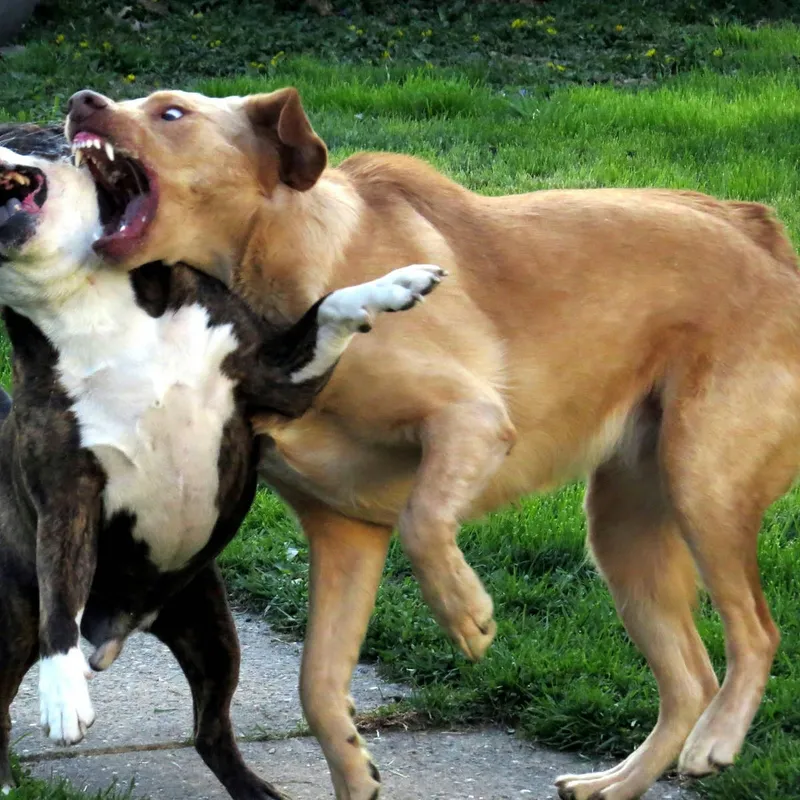
When in pain, most animals become aggressive. That is why an injured animal should always be approached with extreme caution. In fact, dogfighting exploits pain-induced aggression to prolong the fight.
Injury is not the only source of this aggression. Dogs may also suffer from painful skin irritation, an internal medical condition, or simply fear a veterinary procedure like vaccinations.
5. Dominance Aggression
Dogs naturally follow a pack hierarchy. One dog assumes a more dominant role and acts as the pack leader, while the others are subordinate and follow. In domestic settings, humans take on the dominant role of pack leader. However, dogs sometimes challenge the pack leader, whether that leader is canine or human.
Dominance aggression comes with warning signs such as growling, snapping, or biting before it escalates into a full fight. Often, this happens when a person keeps trying to assert dominance over the dog.
6. Territorial Aggression
Dogs can be highly territorial. Some may growl, bark, or bite anyone unfamiliar who comes too close to the yard, house, or their human family. Dominance aggression is frequently mistaken for territorial aggression. For example, you might assume that a dog growling when you approach its food bowl while it's eating is showing territorial aggression, but it is not.
7. Learned Aggression
Some owners inadvertently reinforce aggressive behavior. These owners give in to the dog, letting it have what it wants at the first sign of aggression. Unfortunately, some owners even teach or encourage aggressive behaviors, particularly in the context of dogfighting.
Another instance of learned aggression is responding to a dog's aggression with negative punishment techniques. This reinforces fears and creates phobias in the dog. Nevertheless, the dog's aggression issues will worsen.
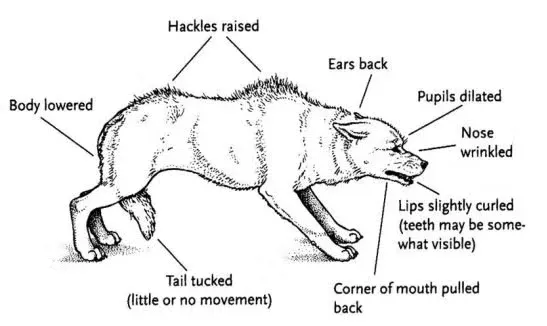
Body language that signals a dog is exhibiting hostility and aggression
Signs and Signals of a Dog's Aggressive Behavior
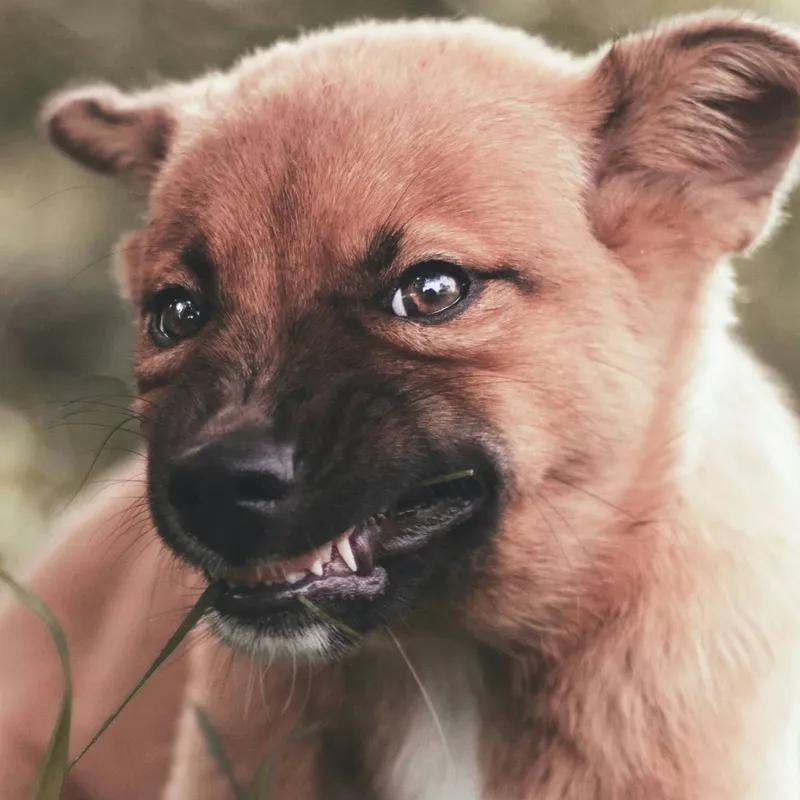
Animals often use body language to communicate. In fact, the most common body language in animals is used to show aggression or displeasure. Dogs are no exception. Dogs have many ways of giving warnings of aggression and a possible impending attack. This is called dog signaling. Although each dog has its own combination of signals depending on the breed and what is causing the aggressive behavior, here are some physical signs to watch for that indicate your dog is upset or angry.
- Growling
- Lips curled; snarling teeth
- Nose wrinkled
- Ears back
- Fur, also known as hackles, raised along their back, especially between the shoulders and right before the tailbone
- Tail tucked
- Front half of the body lowered
- Pupils dilated
By understanding the different types of aggression dogs display, you will be better equipped to correct the behavior. Many dogs will be grateful to have an understanding owner that is better equipped to help them learn and grow into loving dogs that will truly become a man's best friend.
This article is accurate and true to the best of the author's knowledge. It is not meant to substitute for diagnosis, prognosis, treatment, prescription, or formal and individualized advice from a veterinary medical professional. Animals exhibiting signs and symptoms of distress should be seen by a veterinarian immediately.
© 2014 L. Sarhan