Indoor Cats and Veterinary Visits: What the Evidence Says About Annual Exams
Hayden Scott
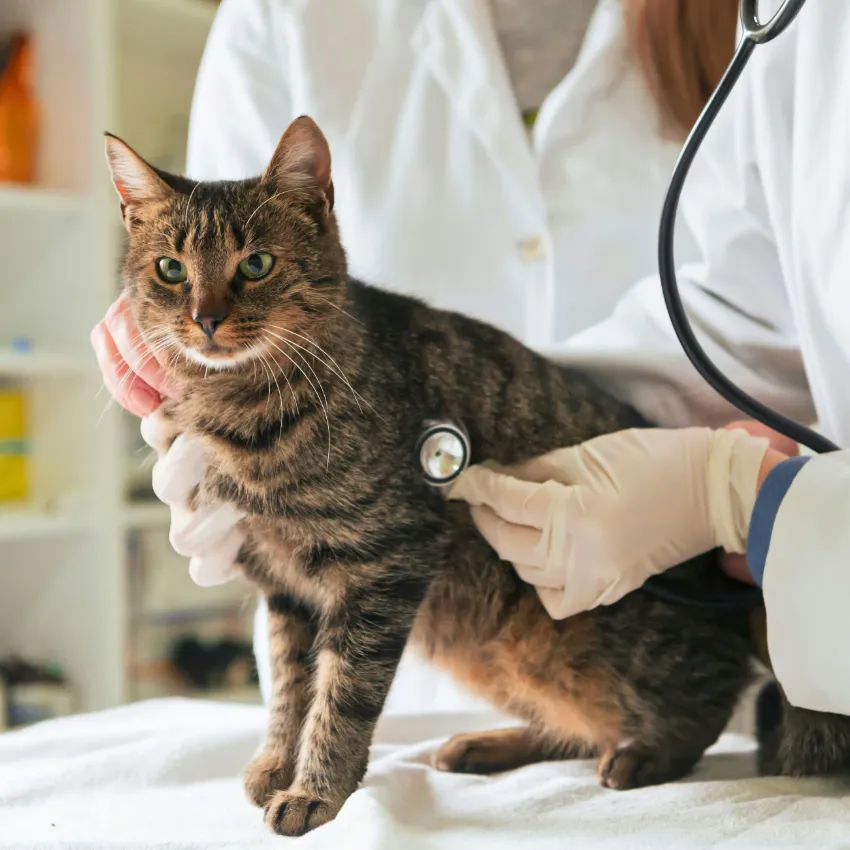
According to data, fewer than 50% of cats in the United States are brought to a veterinarian each year for wellness visits or examinations. Among cat owners who skip these visits, the primary reason given is the stress their cats experience (1). It's a common tale: anyone who has spoken with a cat owner has likely heard about the anxiety and difficulties that can arise during a veterinary trip.
Beyond the stress of the journey itself, many cats become distressed simply from being handled and examined by unfamiliar people. Some will cry out, attempt to bite or scratch, and problems may linger for days after returning home. Certain cats may start urinating outside the litter box, others may over-groom to the point of damaging their skin, and some may hide and avoid the family members who took them to the vet. These behavioral changes can last several days or even a week.
Related: When to Worry if Your Cat Stops Eating, According to a Veterinarian
Why Kittens and Older Cats Need Examinations
If your cat has previously become extremely stressed during vet visits, you can discuss with your veterinarian the option of medications to help reduce anxiety before the appointment. For kittens, the danger posed by contagious illnesses is far greater than any stress from the exam.
For senior cats, the consequences of not being screened for conditions such as diabetes and kidney failure are serious. Roughly one-third of cats over age 10 have kidney failure, and because there is no cure, only catching changes early can improve a cat's life.
A reasonable approach is to bring senior cats in for a routine exam every six months to catch problems early. While this doesn't happen in most cases, even a single annual visit can significantly extend a cat's lifespan.
Some chronic conditions, including arthritis and kidney failure, cannot be cured, but there are numerous steps you can take to enhance your cat's quality of life.
What about cats that are adults but not yet seniors?
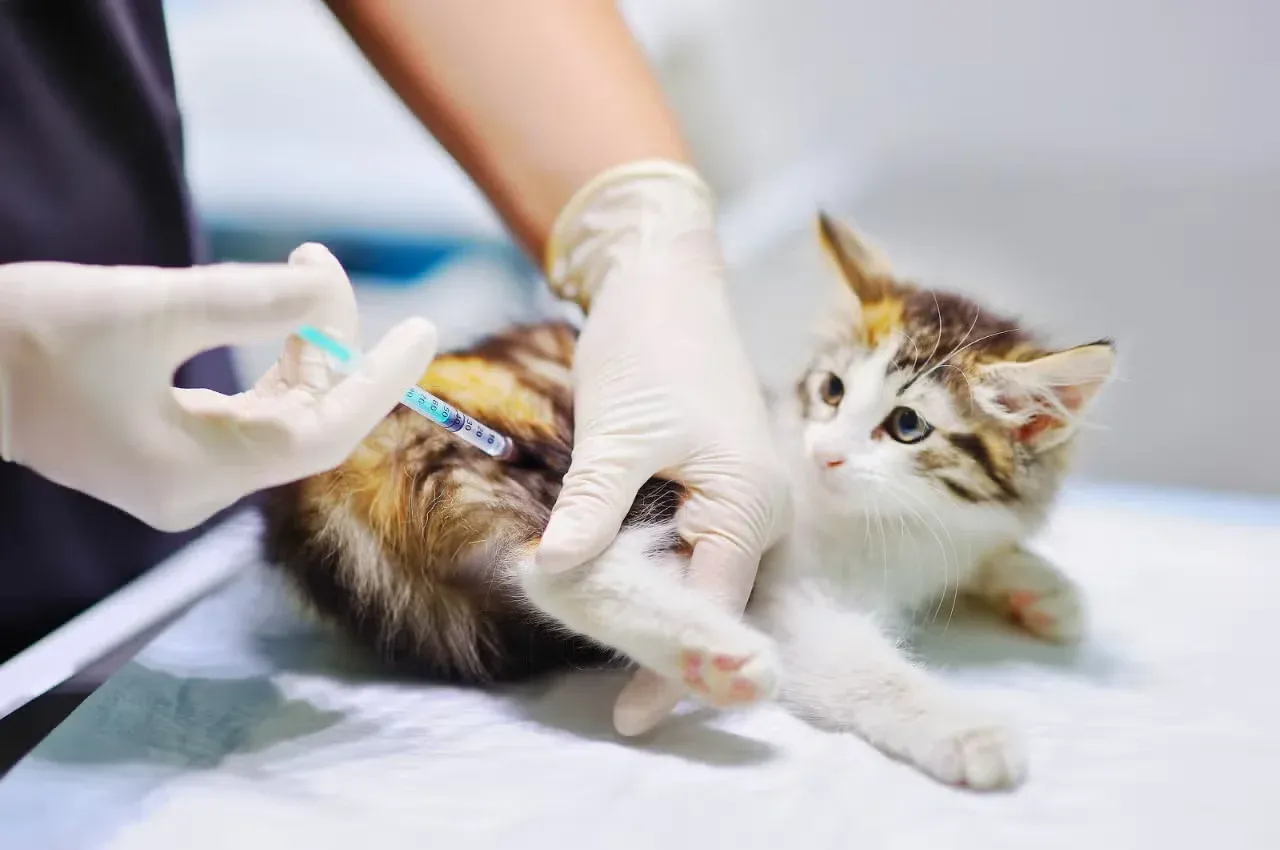
Several important health concerns can only be examined by a veterinarian in the office.
Maria Sbytova, Canva
Contagious Diseases and the Annual Exam
Even cats that live exclusively indoors can benefit from a yearly checkup. Several procedures cannot be performed at home, such as:
- Heartworm testing: During a standard physical exam, the veterinarian uses a stethoscope to listen to the heart and lungs. This helps identify heart murmurs, other cardiac issues, and lung conditions like feline asthma. In certain regions, a heartworm test is also advised, which requires drawing blood.
- Fecal examination for parasites: If your cat never goes outside, deworming may still be needed in adulthood, but periodic stool checks are useful to confirm that internal parasites are not present.
- Prescription flea prevention: Indoor cats encounter fleas less often and should not have ticks, but they can be exposed if another pet in the home goes outdoors.
- Oral examination: This exam can uncover contagious conditions such as stomatitis, which may have a viral cause, though most cases involve bacterial infections and periodontal disease.
- Blood work: As cats get older, any abnormality detected during the physical exam should prompt blood testing. Blood work is also recommended to identify internal organ problems or infections before any symptoms appear.
Do Indoor Cats Require Yearly Vaccines?
Some veterinary organizations state that cats with outdoor access and exposure to contagious diseases need annual booster shots. Vaccines do carry some risks, however. These are typically mild, but a very small proportion of cats may experience an allergic reaction or even develop a tumor at the injection site.
The guidance for indoor-only cats differs. Organizations such as the American Veterinary Medical Association and the American Association of Feline Practitioners concur that cats kept strictly indoors and not exposed to infectious agents do not require vaccinations every year.
Show cats face more exposure and do need vaccines, and even cats that live indoors full-time but are used for breeding must be vaccinated so they can pass antibodies to their kittens through milk.
If your cat has chronic illnesses or other health concerns, the decision must be made on a case-by-case basis.
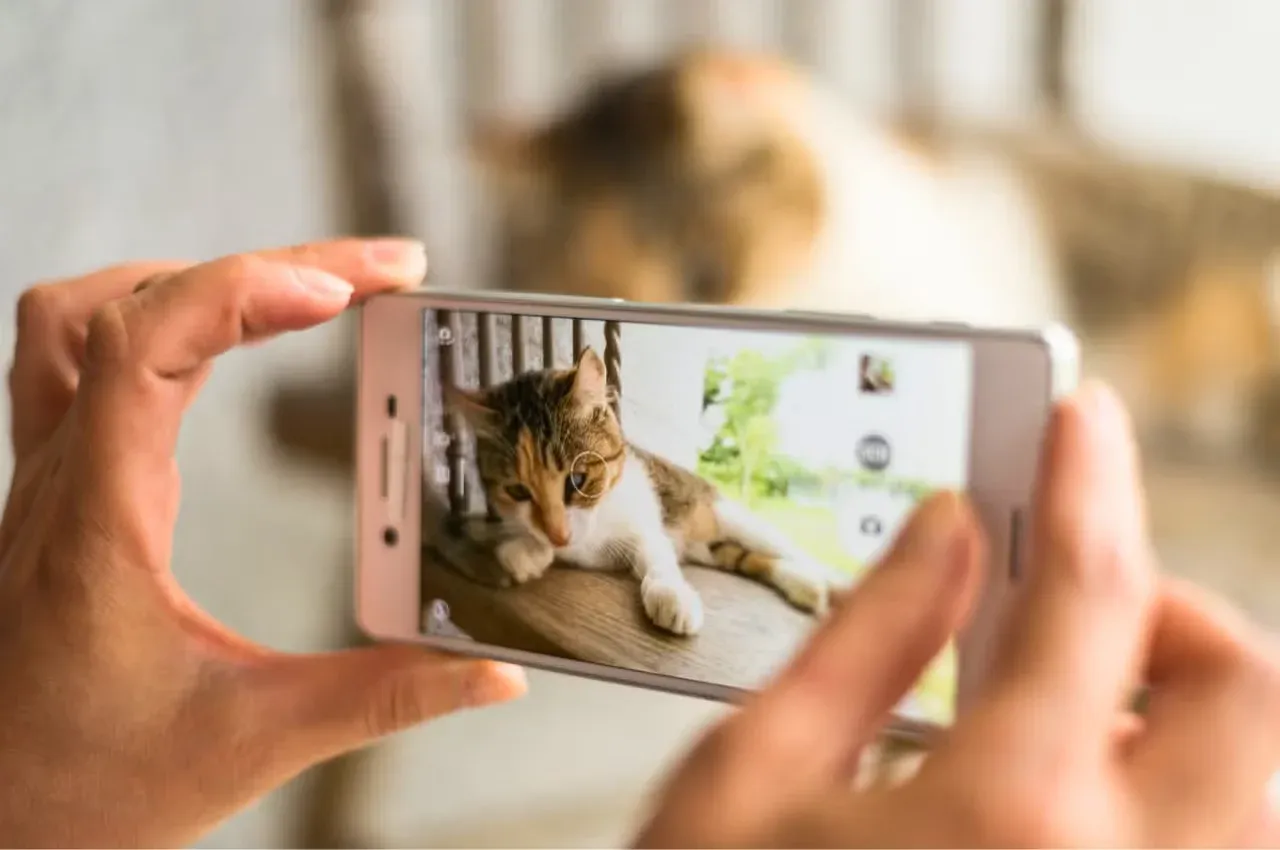
Several pet health apps and programs allow you to upload photos of your pet to be examined.
sambarfoto, Canva
What Alternatives Exist If I Can't Take My Cat to the Vet?
If you have a cat that is hard to transport and a routine checkup would only worsen his condition, a few options exist.
1. AI Pet Health Programs
The first option is the newest and may be among the best. Several AI programs are now on the market that let you photograph your cat with your phone and submit the images for AI analysis. A veterinary technician then reviews the results, and only if a problem is detected will you need to bring your cat in for an examination.
Many improvements are still needed, as AI cannot draw your cat's blood or check for conditions like kidney disease.
2. Home Veterinary Services
The second option is home veterinary services. These are not offered everywhere, but if you live in a large city and the service is available, it is excellent because cats do not have to travel in a car.
Home visits cost more than bringing your cat to the clinic, since the veterinarian must charge for driving to each home. However, some veterinarians also provide home care at a reasonable rate if it is done outside regular hours. They may not have a laboratory in the vehicle, but they can draw blood and arrange a follow-up visit.
You should get in touch with your regular veterinarian and explain your concerns about stress when inquiring about this.
3. Home Exams by the Owner
A third option is to examine your cat at home. In many cases, simply looking at your cat is sufficient, as you might spot a skin growth or other skin problem, a change in the eyes, or ear issues.
The ability to do this varies from person to person, but just performing a head-to-toe exam will be helpful in most situations.
In some instances, examining a cat while relaxed can be more informative than certain findings at the veterinary clinic, because blood pressure, heart rate, and breathing rate are better assessed at home (2).
Should Indoor Cats Have Regular Exams?
Longevity studies indicate that around 10% of cats with outdoor access die from trauma (3). There is no guarantee that an indoor cat will not fall and injure himself, but this is extremely unlikely. All cats should be kept indoors at all times.
Keeping your cat indoors does not mean they will no longer need veterinary care. In most cases, indoor cats should be seen by a veterinarian at least once a year. However, if you can only afford the visit and plan to decline any blood testing, this is not the best use of your money and may actually cause more harm than good.
Up Next:
Sources
- Volk JO, Thomas JG, Colleran EJ, Siren CW. Executive summary of phase 3 of the Bayer veterinary care usage study. J Am Vet Med Assoc. 2014 Apr 1;244(7):799-802. doi: 10.2460/javma.244.7.799. PMID: 24649990. i.nlm.nih.gov/24649990/
- Quimby JM, Smith ML, Lunn KF. Evaluation of the effects of hospital visit stress on physiologic parameters in the cat. J Feline Med Surg. 2011 Oct;13(10):733-7. doi: 10.1016/j.jfms.2011.07.003. Epub 2011 Aug 12. PMID: 21839664; PMCID: PMC10832771. i.nlm.nih.gov/articles/PMC10832771/
- Kent MS, Karchemskiy S, Culp WTN, Lejeune AT, Pesavento PA, Toedebusch C, Brady R, Rebhun R. Longevity and mortality in cats: A single institution necropsy study of 3108 cases (1989-2019). PLoS One. 2022 Dec 29;17(12):e0278199. doi: 10.1371/journal.pone.0278199. PMID: 36580443; PMCID: PMC9799304. i.nlm.nih.gov/articles/PMC9799304/