Bobcat Spotted in Your Yard? Here's How to Handle It Without Panic
Sage Lewis
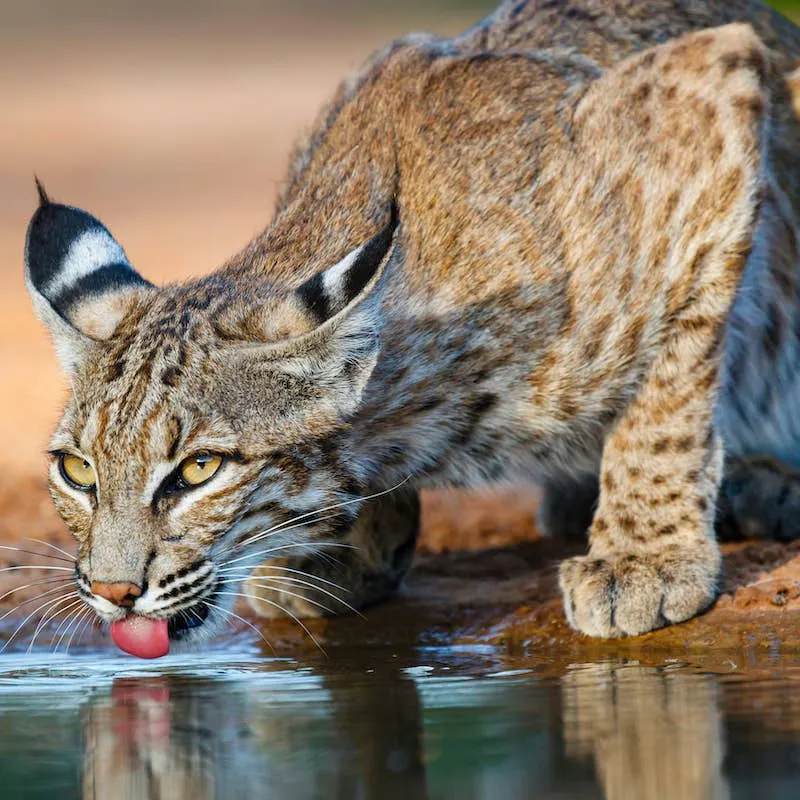
You look outside and freeze. There, moving without a sound, is a bobcat — perfectly comfortable in a space you think of as your own. If you share your home with pets, your first thoughts probably race: Is this dangerous? What about my dog or cat? And what am I actually supposed to do right now?
Such sightings have grown more familiar in suburban areas. Bobcats adapt well to changing landscapes and will sometimes cross through neighborhoods in search of food or a place to rest. Guidance from the Humane World for Animals indicates that these visits tend to be short — the animal is usually just moving through, not moving in. Fortunately, there are straightforward measures that protect both your household and the bobcat.
How Much of a Threat Are Bobcats to Pets?
 Erin Underwood / Shutterstock.com
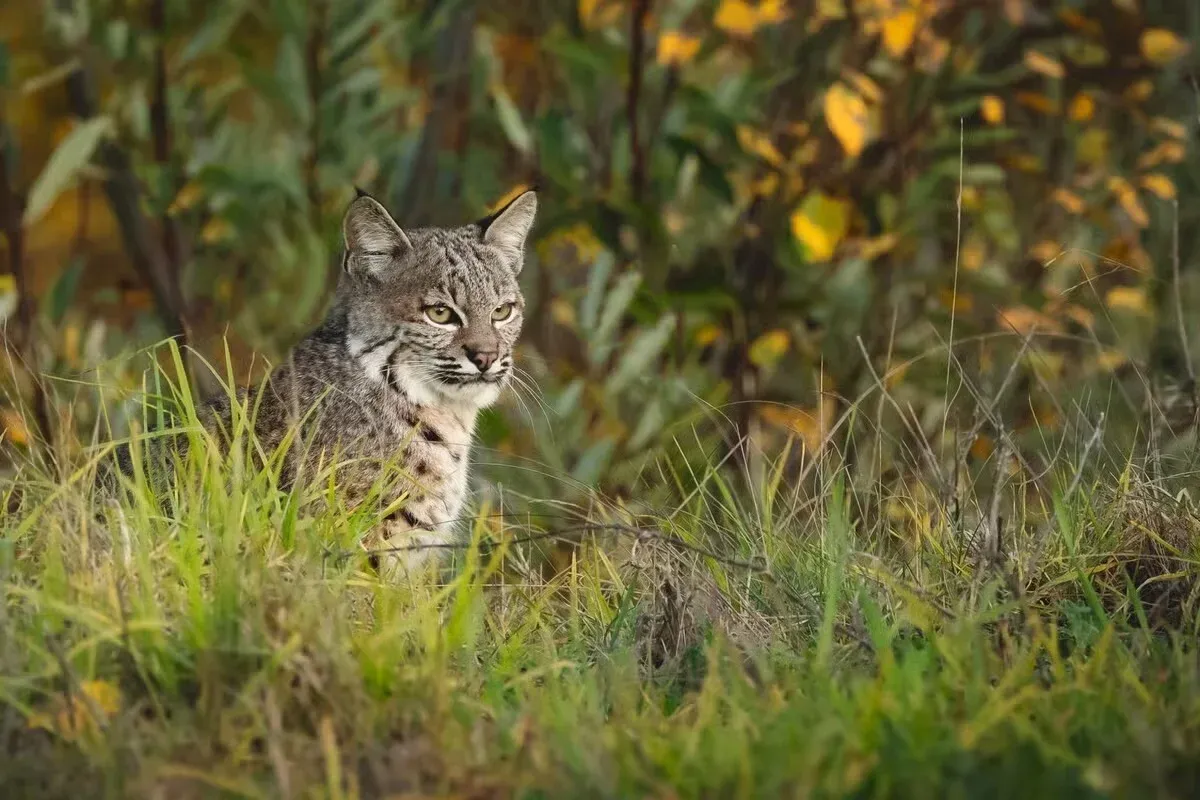
Bobcats lean toward shyness and would rather keep their distance from humans. Even so, they remain wild predators, so smaller animals may face risk in certain situations. Cats allowed outdoors, small dogs, and creatures such as rabbits or chickens are especially exposed — particularly after dark, when bobcats do most of their hunting.
Wildlife specialists point out that pet attacks are uncommon, though they can happen when animals are left outside without supervision. The Humane Society notes that bobcats typically go after natural prey unless an easier target presents itself, which is more likely in neighborhoods where food is left out and accessible.
A sighting by itself does not mean something bad will happen. Usually the bobcat is just passing through and has more interest in rabbits or rodents than in your pets. Trouble tends to surface when wildlife grows too relaxed around people — often because pet bowls are left outside or trash is not secured.
If you already take steps against other outdoor hazards, you are thinking along the right lines. Much like owners monitor seasonal issues such as mosquito exposure in dogs, staying aware of wildlife adds another layer of protection for pets.
Your Immediate Response
 William Roggero / Shutterstock.com
Should you see a bobcat on your property, keeping your composure matters most. Experts advise holding still rather than making abrupt movements, while continuing to watch the animal.
Get any pets that are outside back indoors immediately — that is the quickest way to eliminate potential danger. If the bobcat does not leave, make yourself look bigger and more threatening: stand up straight, lift your arms, and speak in a strong voice. Clapping or shouting often convinces the animal to move on.
The Humane Society and wildlife control sources such as AAA Wildlife Removal both describe this technique as “hazing.” It strengthens a bobcat's natural wariness of humans without hurting the animal. Aiming a garden hose at it can reinforce the same message.
Actions to Avoid
 Amy Lutz / Shutterstock.com
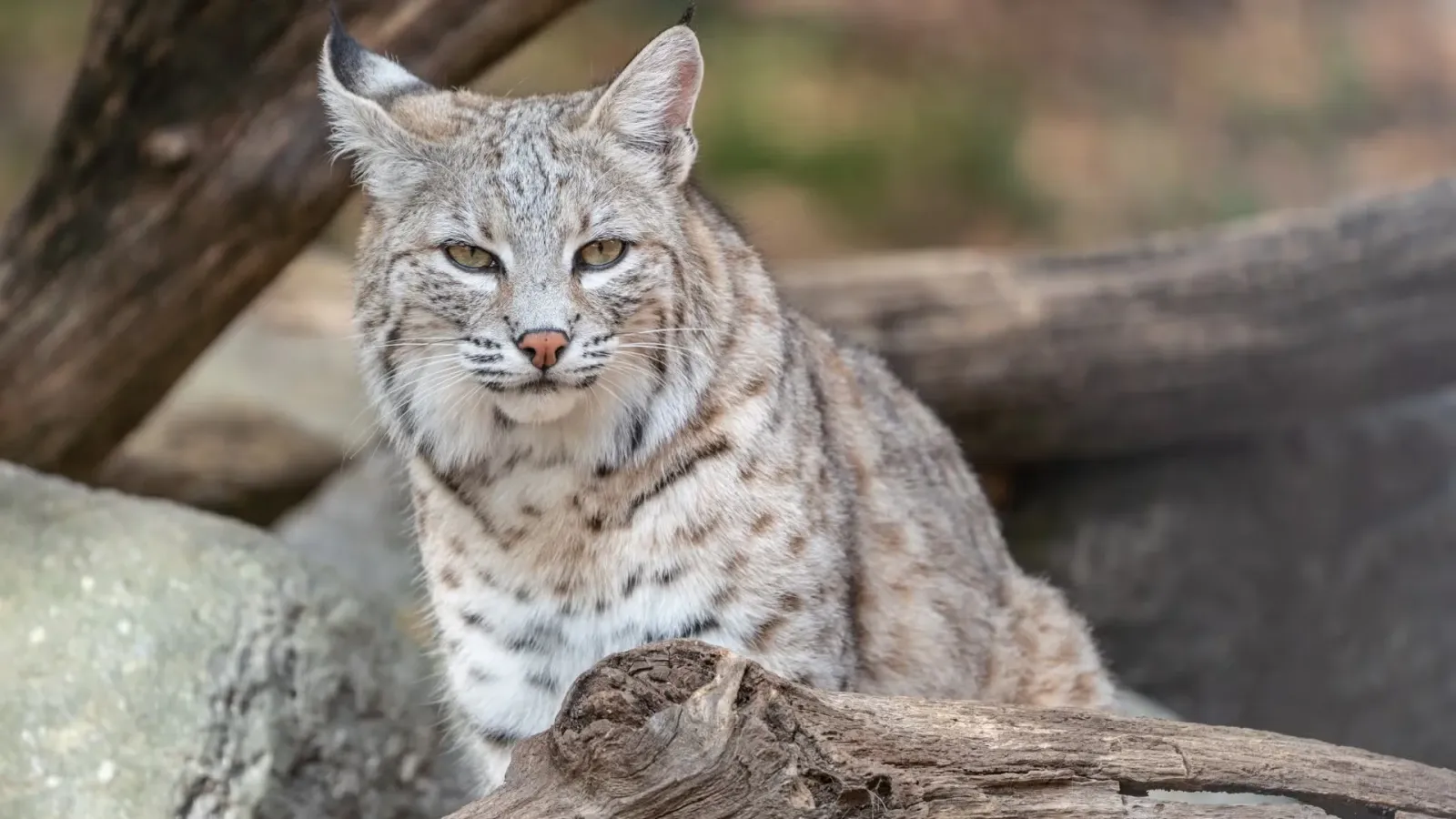
A few missteps can escalate a manageable encounter into a risky one. Do not move toward a bobcat, no matter how calm or disinterested it seems. Cornered or threatened wild animals may behave unpredictably.
Never offer food to the animal. Wildlife experts caution strongly against feeding, because it teaches animals to link people with food, resulting in repeat visits and increasingly bold behavior over time.
Steer clear of harmful deterrents too, including chemicals or toxic substances. The Humane Society explicitly warns against these approaches, pointing out that they can injure wildlife and pets alike and create needless risk for people.
When to Involve Animal Control
 Pommer Irina / Shutterstock.com
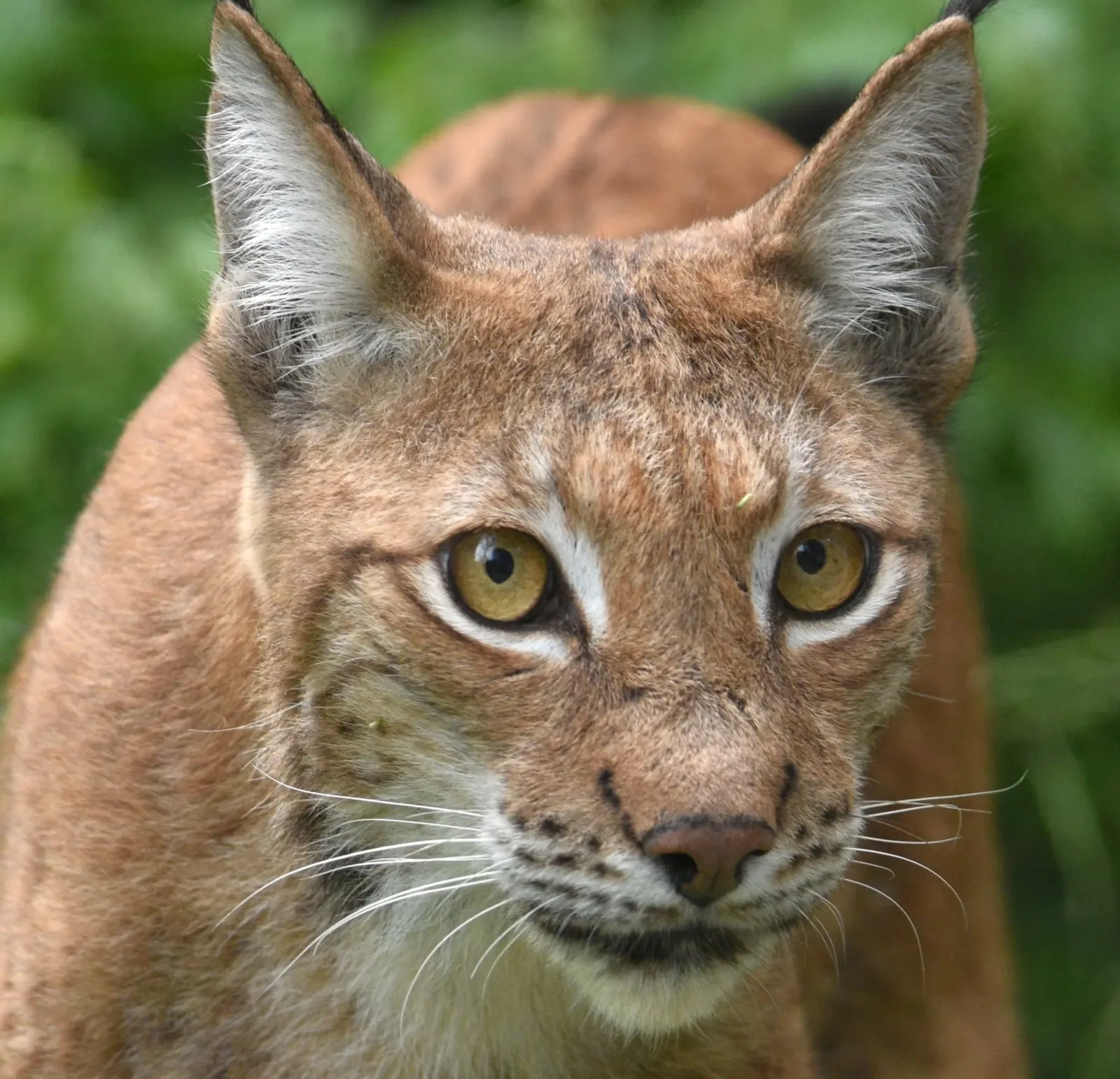
Most encounters with bobcats call for no intervention at all. Still, some circumstances warrant a call to local authorities. Municipal guidance from agencies such as the City of West Des Moines advises contacting animal control when a bobcat seems sick, hurt, or unusually aggressive.
Repeated sightings of an animal that shows little fear of people should also be reported. That behavior may indicate the bobcat has grown too accustomed to the area — frequently because of available food — and may call for professional monitoring or action.
Wildlife experts repeatedly stress that awareness and prevention outperform reactive measures. It mirrors how we handle other pet safety matters, whether tracking unusual pet behaviors or enjoying lighter subjects like the wackiest pet names of 2026.
Keeping Bobcats From Coming Back
BGSmith / Shutterstock.com
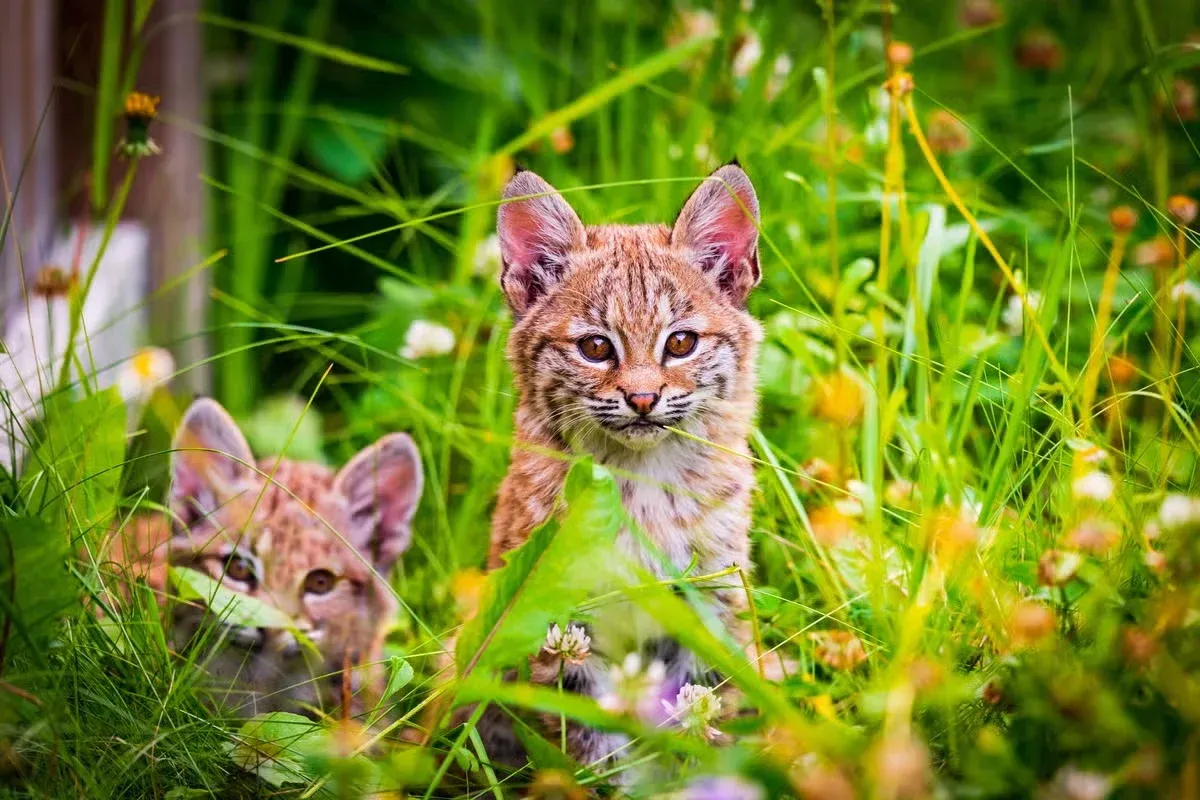
Prevention is where you gain the upper hand. Per the Humane Society, the single most effective deterrent is removing whatever attracts bobcats in the first place.
That means pet food left outside, unsealed trash bins, fruit that has fallen, and even bird feeders that draw in smaller prey. These indirect food sources are frequently what pull bobcats toward residential areas.
Property upkeep matters as well. Cut back overgrown shrubs, clear away debris, and remove hiding places where wildlife might feel safe. For small animals kept outdoors, ensure their enclosures are solid and well secured; wildlife experts generally suggest reinforced structures over flimsy materials.
Motion-activated lights, fencing, and cutting down on shelter options can make a noticeable difference. Over time, these adjustments communicate to wildlife that your yard is neither easy nor appealing to visit.
What to Take Away
mlorenz / Shutterstock.com
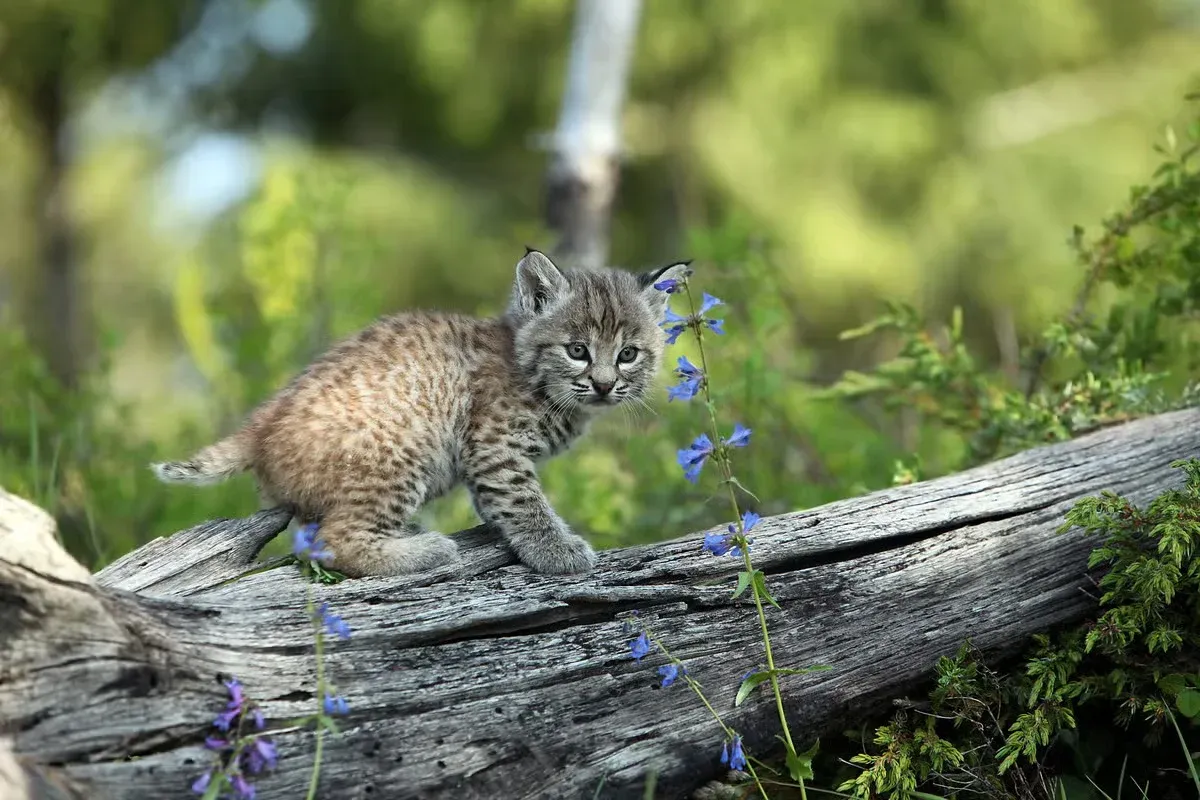
An up-close bobcat sighting can be unnerving, but it does not have to become a dangerous event. Typically, the animal is only passing through and wants nothing to do with people.
As the Humane Society observes, bobcats would rather sidestep conflict when they can. Remaining calm, keeping your distance, and bringing pets inside is generally sufficient to let the animal move along without trouble.
Armed with the right knowledge and a handful of easy precautions, coexisting safely with local wildlife while guarding your home and pets is entirely achievable.