Princess Parrots: A Comprehensive Guide to Their Care
Toby Howard
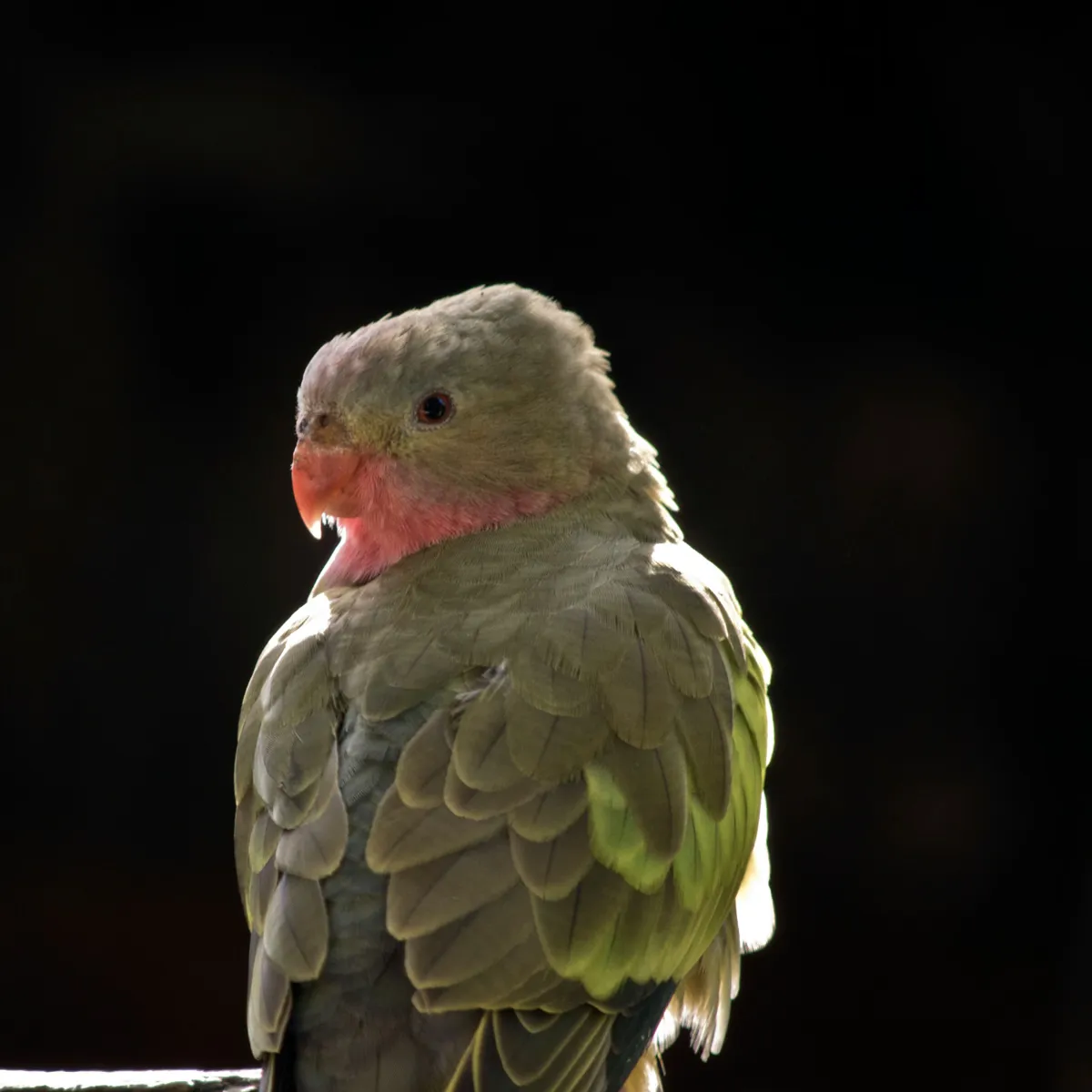
Why Is This Parrot Called "Princess"?
The Princess Parrot, scientifically named Polytelis alexandrae, is an Australian bird that earned its royal title in tribute to Princess Alexandra of Denmark (1844–1925). After she wed Edward, Prince of Wales, and he ascended to the British throne as King Edward VII on 22nd January 1901, she became Queen.
This charming bird goes by several alternative names:
- Alexandra's Parrot
- Princess of Wales Parakeet
- Princess Alexandra's Parrot
- Queen Alexandra Parakeet
- Rose-Throated Parakeet
- Spinifex Parrot
Both males and females share the "princess" moniker.
Natural Habitat
These parrots can be spotted in the wild across the inland desert regions of South Australia, and according to my understanding, they also inhabit desert and mountainous areas of Western Australia. They are nomadic, traveling in flocks, and are frequently seen—and heard—around waterholes and other water sources.
Gentle Yet Noisy Companions
One of the most striking features of these parrots, even from a distance, is their sharp, penetrating calls. As pets, they are gentle and often affectionate, but their calls can become extremely loud indoors when they demand attention.
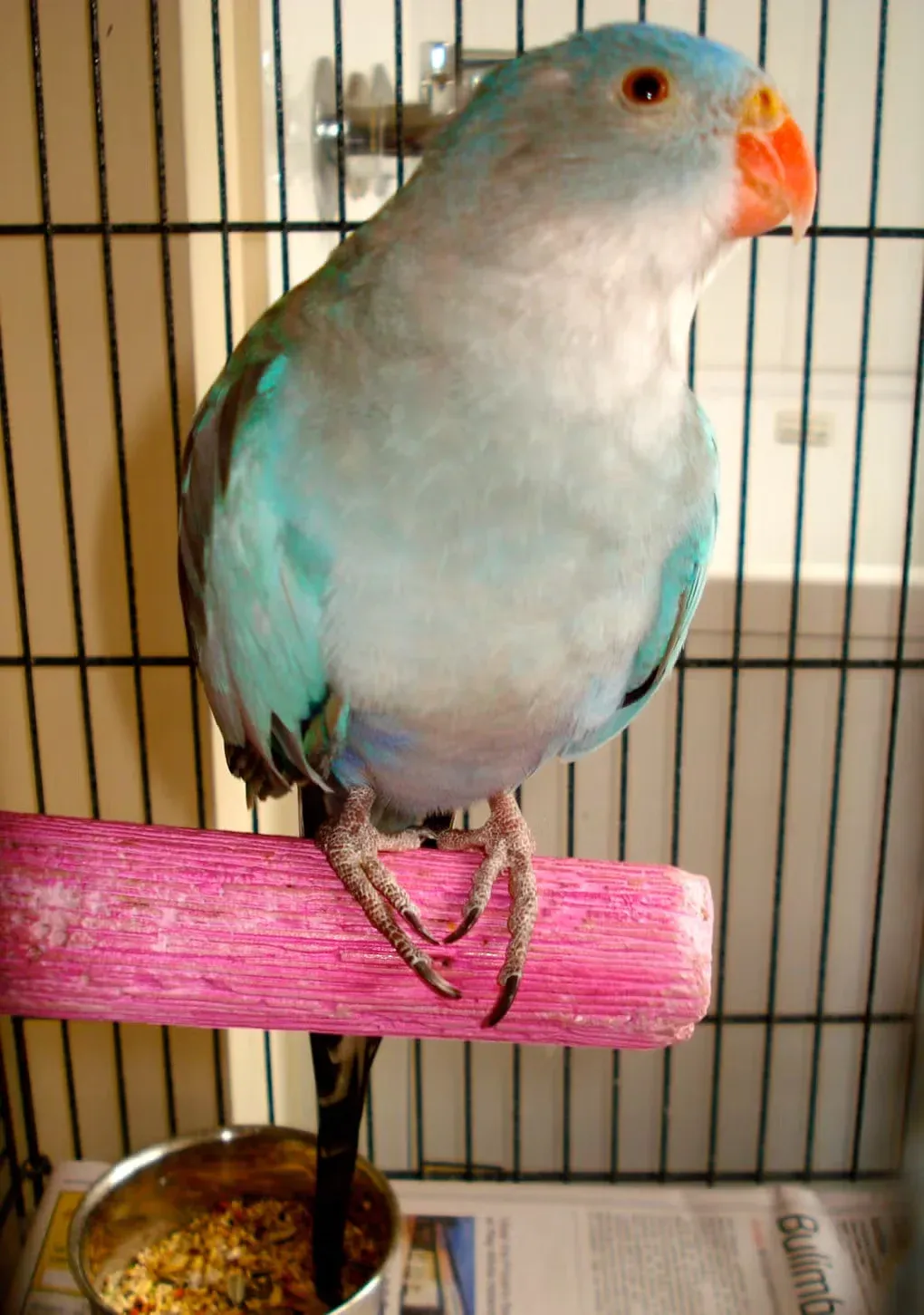
Princess Parrot inside a cage
BSB
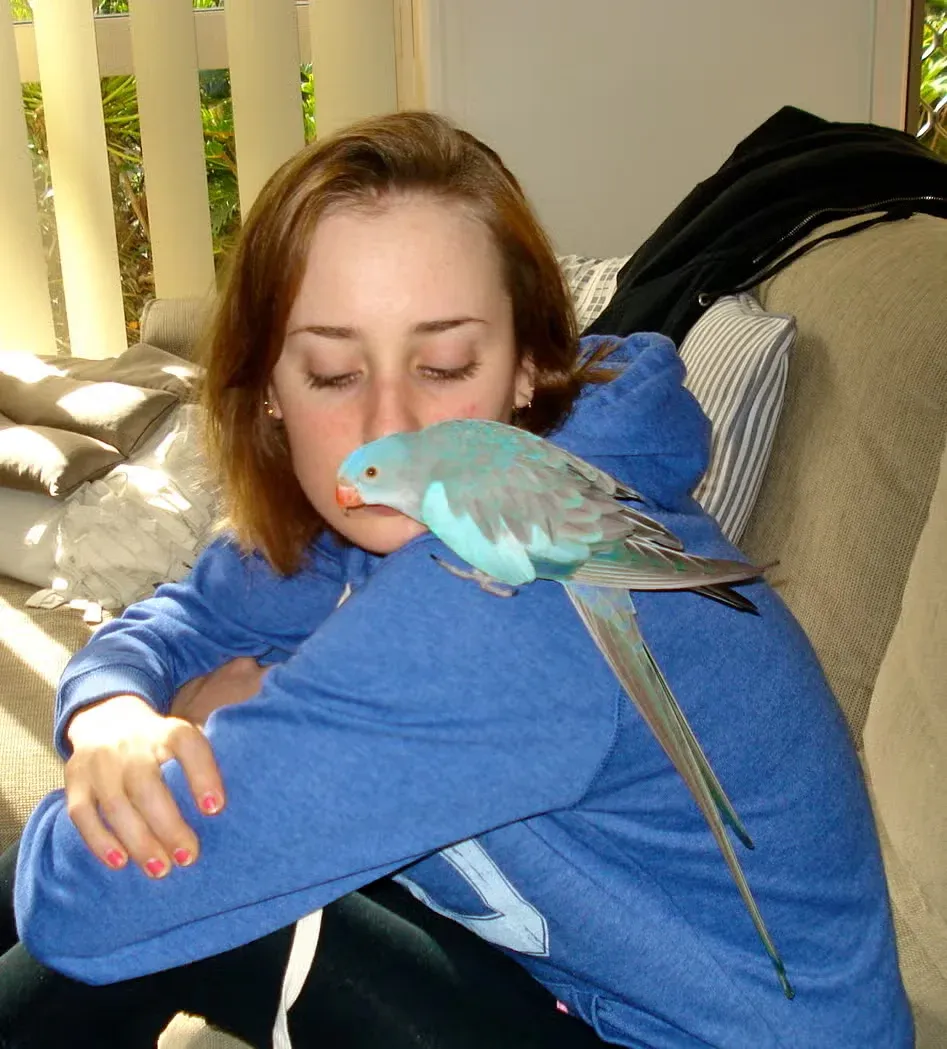
A single Princess Parrot can make a delightful pet.
BSB
Physical Characteristics
The Princess Parrot is a medium-sized parrot, often called a parakeet (archaically spelled paroquet). Other Australian parakeets include the well-known budgerigar.
Because Princess Parrots have been bred in captivity for over a century, numerous color variations have emerged or been selectively bred, especially in plumage. Some variations also occur in the wild, though they are less distinct.
- Length: Males reach about 46 cm (16 inches); females are slightly shorter.
- Weight: These birds are remarkably light, with the largest males weighing only around 120 g (4 1/4 ounces).
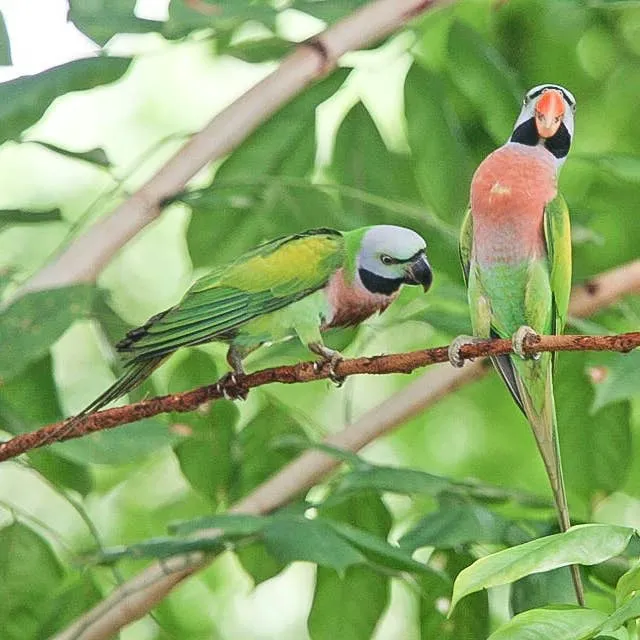
- Plumage: In the wild, the plumage is typically mostly green with a pink throat, bluish crown, bright green shoulders, and a blue rump, though blue and yellow mutations exist. The tail is long and slim, shorter in females. Females are less brightly colored, with a pale grey crown.
- Beak and Eyes: As shown in the photos, the male's beak is coral red with orange irises; the female's beak is paler and her irises are brown.
- Diet: In the wild, they are nomadic and feed primarily on spinifex and other seeds. Flocks appear suddenly in an area, feed for a time, then vanish just as quickly.
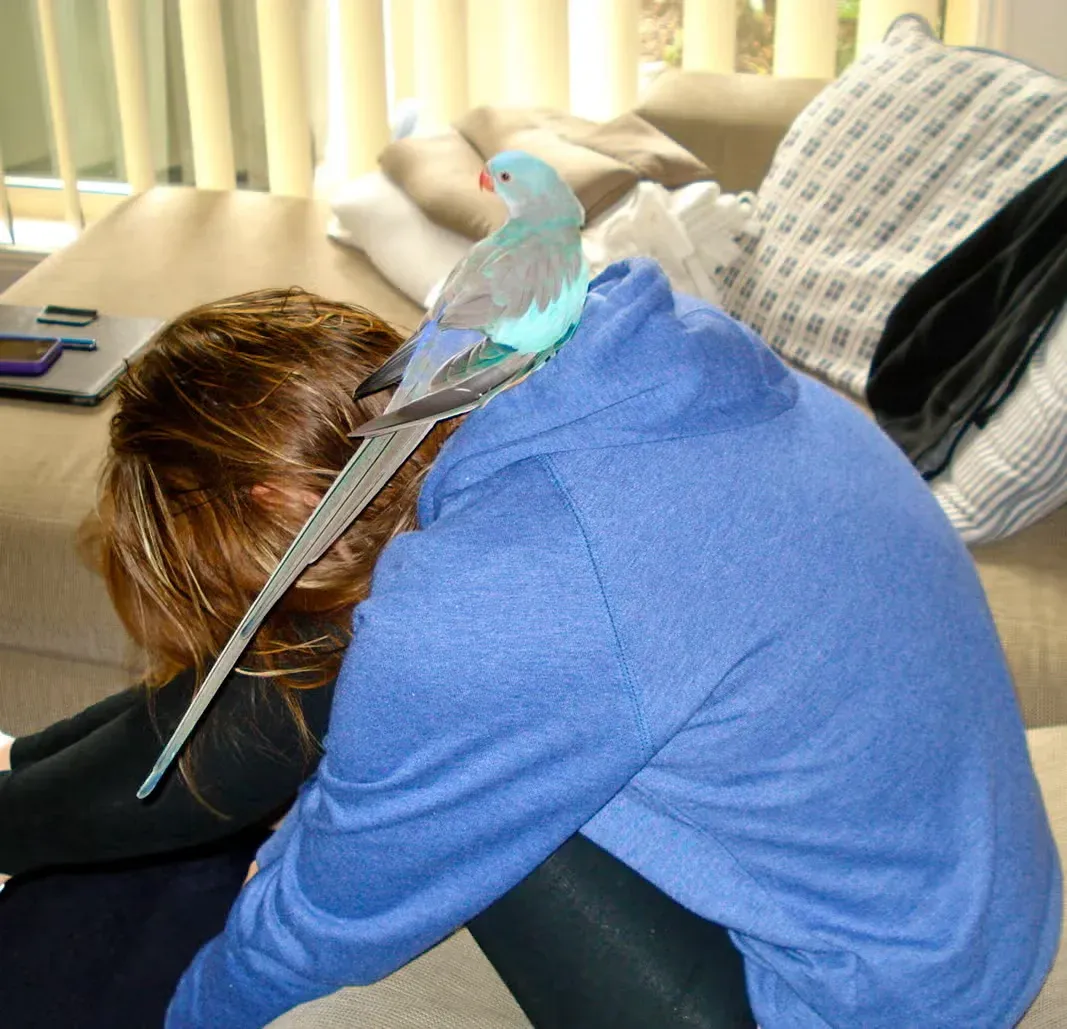
Note the beautiful long tail.
BSB
Caring for Your Pet Princess Parrot
Princess Parrots make delightful pets. Below are some notes on keeping them as companions.
Housing
They adapt well to indoor cages and can be allowed to fly freely inside a home. They also enjoy the extra space of an outdoor aviary. Due to their long tails, they need ample room when perching.
Diet
In captivity, they enjoy a parrot mix. To boost nutrition, offer vegetables (like corn, peas, or broccoli), sprouted seeds, and various fruits (such as apples and pears). They find these very tasty. During breeding season, they appreciate insect treats like mealworms, which provide extra nutrition for both chicks and parents.
Beak Maintenance
Since their beaks grow continuously, Princess Parrots need small, hard twigs and branches to chew on. Ensure these are non-toxic.
Behavior
As pets, they are charming and have distinct personalities, even showing preferences for different family members or visitors.
With patience and training from a young age, they can learn to mimic human speech quite clearly.
Lifespan
They mature around one year old and live surprisingly long; some have been known to live about 15 to 30 years.
Breeding
Like most parrots, in the wild they nest in tree hollows, favoring gumtrees (eucalypts) and wattles. As with many inland birds, breeding typically occurs after rain when sufficient food is available for chicks. They breed well in captivity, especially if provided with a hollow log, but space must be given for their long tails. They will reuse the same log year after year, so it needs cleaning of mites and disease after each use.
They prefer to breed in groups, as in the wild, and lay four to six small white eggs. The babies hatch in about nineteen days.
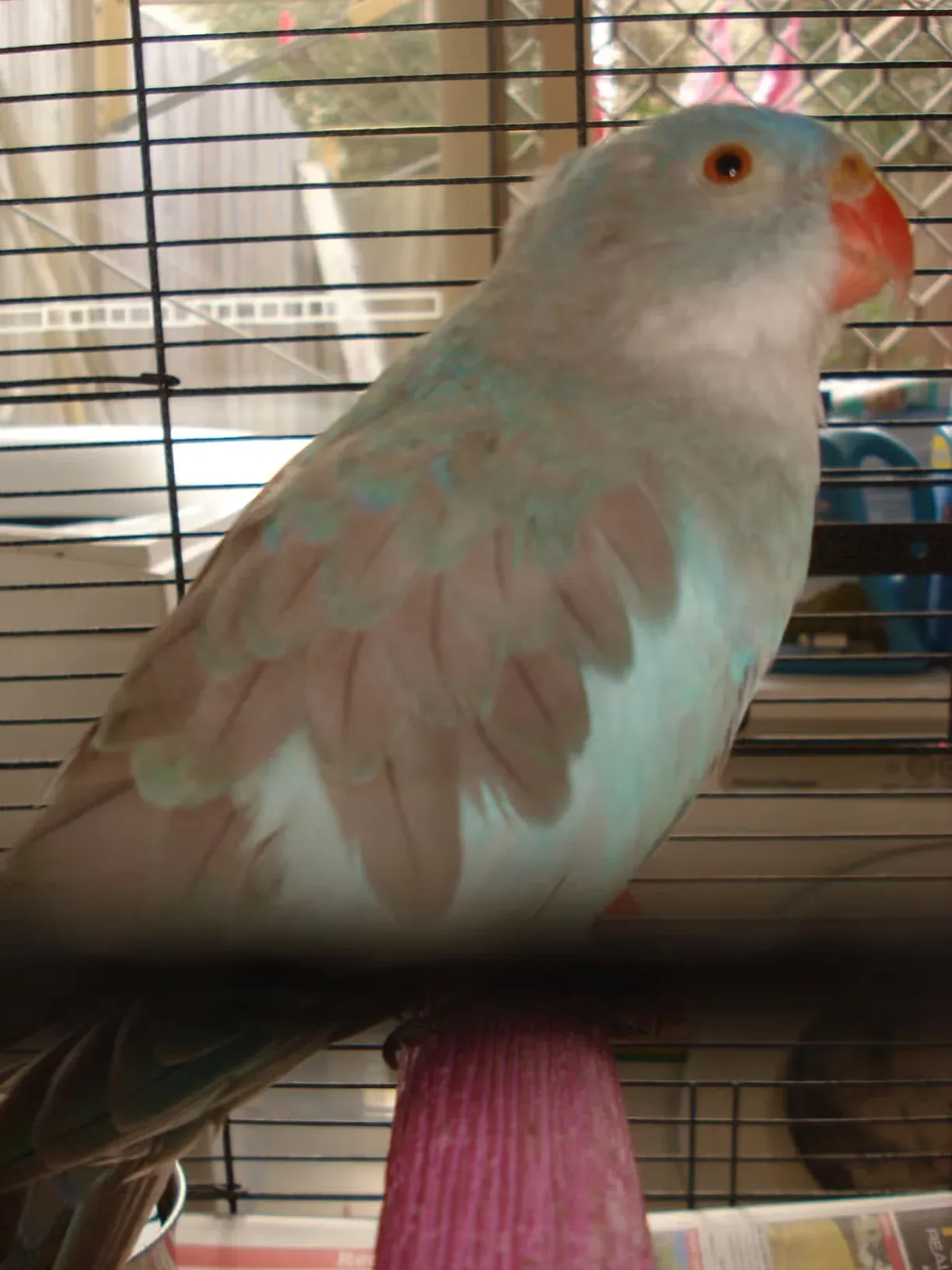
Enjoy the lovely colours and markings.
BSB
Sources and Further Information
- Princess Parrots
- How to look after a Princess Parrot
This article is accurate and true to the best of the author's knowledge. It is not meant to substitute for diagnosis, prognosis, treatment, prescription, or formal and individualized advice from a veterinary medical professional. Animals exhibiting signs and symptoms of distress should be seen by a veterinarian immediately.
Questions & Answers
Question: Are Princess Parrots particularly loud or vocal compared to a, lets say a cockatiel?
Answer: Yes, they are certainly full of the joie de vivre, and let everyone know!
Question: Can a Princess Parrot get along well with a five-year-old child?
Answer: It depends on the five-year-old. He or she would need to be quiet and gentle and to approach the bird slowly, but I imagine some five-year-olds can be quite good at this. It's more a matter of the child getting along well with the bird.
Question: What is the Princess Parrot's kingdom, class, order, genus, species, phylum and family?
Answer: Family Psittacidae (there are about 326 species in the world; 41 of these are found in Australia); Polytelis alexandrae ( this parrot's full common name is Princess Alexandra's Parrot); it is uncommon in the wild; its habit is nomadic; it is an endemic race, recorded only in Australia. You can find more, with illustrations in Simpson & Day's 'Field Guide to the Birds of Australia: the most comprehensive one-volume book of identification', obtainable from in.com.au
Question: My 9-week old princess parrot bites when I cuff him, how do I stop him?
Answer: What do you mean by 'cuff'? is it something you put on him, or do you actually hit him? Either way, it is not a good idea. We need to treat our pets with gentleness and be kind to them. They're sizeable birds and need space to fly free in a safe room each day for exercise.
Question: What does the princess parrot like?
Answer: If you mean in the way of food, I have answered this previously. Otherwise, they love to have company, they like to be talked to, and if you sing or whistle to you princess parrot, you will find he will respond, often by dancing along his perch. They also like freedom, so if he is in a large aviary, he will be happy. If his cage is not big, make sure all the doors and windows are closed so he can't escape, and then set free to fly around the room. You can train him to come back to sit on your shoulder, where he will probably nibble your hair.
Question: If they are hand raised from the very start of their life, will they most likely be cuddly?
Answer: Newly hatched chicks can be very delicate, so I'd be very cautious about handling them too young, but it would be good to begin while they are still juveniles.
Question: Is it possible to borrow a mate for my female POW?
Answer: That sounds like a great idea, but the one I write about belongs to a granddaughter in another State, I'm so sorry. I hope you have success in your quest.
Question: Can princess parrots fly?
Answer: Yes. they certainly can! They love the freedom of being able to fly around a room, but do be sure that all windows and doors are closed before you try this one or you may lose your pet.
Question: What do you do to gain a Princess Parrot's trust?
Answer: To be gentle with your Princess and handle often would probably help, but they are usually very sociable creatures.
© 2013 Bronwen Scott-Branagan