African Grey Parrots: A Guide to Ownership
Sam Cooper
Is an African Grey the Right Pet for You?
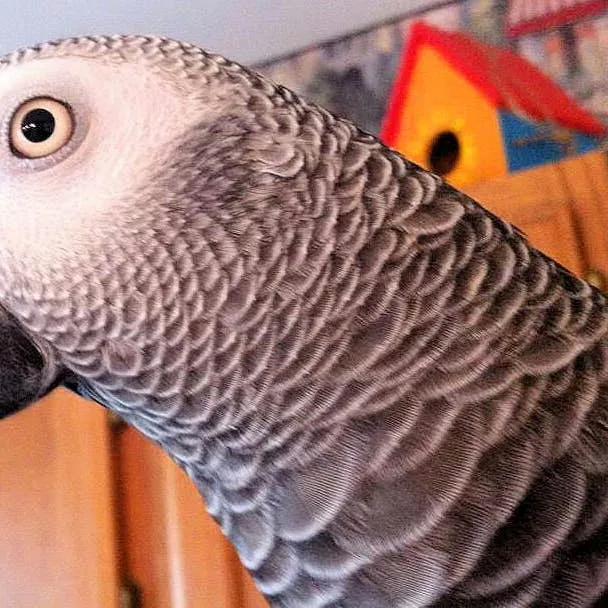
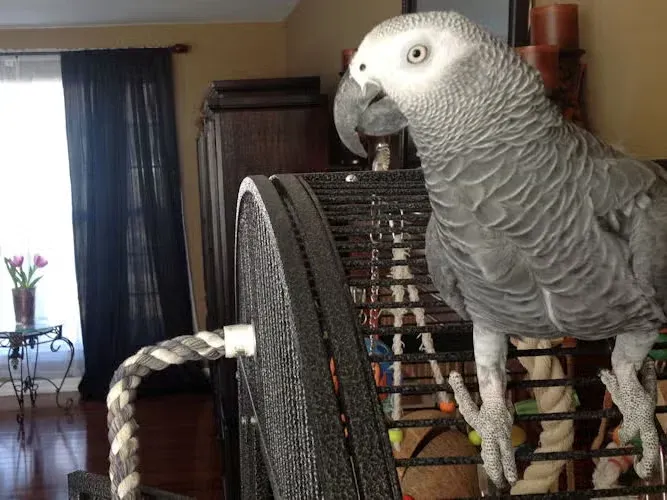
The African Grey Parrot, known scientifically as Psittacus Eridanus, comes from the rainforests of West and Central Africa. These birds are often ranked among the most intelligent parrots globally. Their gentle disposition makes them appealing companions.
Size and Suitability as a House Pet
African Greys are medium-sized birds, measuring between 10 and 14 inches long. This size makes them well-suited for life indoors. Their cages can be large enough to serve as both a decorative piece and a comfortable living space for an engaging friend.
Distinguishing Males from Females
In most parrot species, males are larger than females, but among African Greys the difference is slight. Females generally have a smaller head and a narrower neck.
Noise Levels and Talking Ability
African Greys are known for their love of chatter and play. Their mimicry skills are remarkable—if you talk to them often, they can sound just like you. They also pick up speech patterns from other family members and may even imitate other pets.
Are They Good with Families?
Parrots enjoy interacting with the whole family. They particularly like having their heads stroked, but they generally dislike having their bodies handled extensively. Because parrots can become bored and may harm themselves, daily playtime with someone is important. At minimum, leaving a TV on when you are away can help.
Featured Gallery
1 / 1
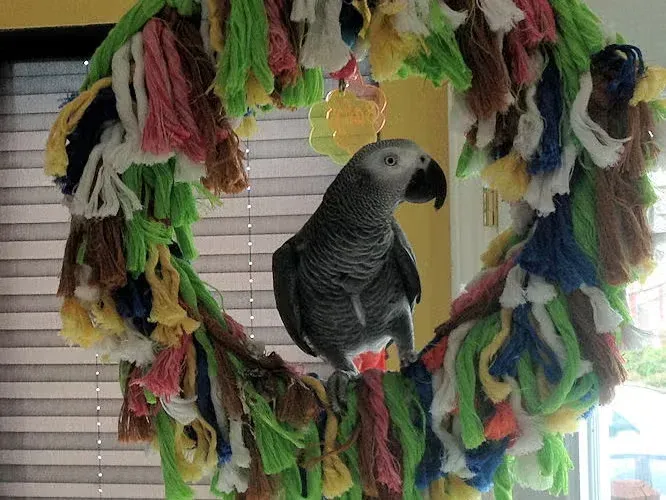
RealHousewife - Used with permission
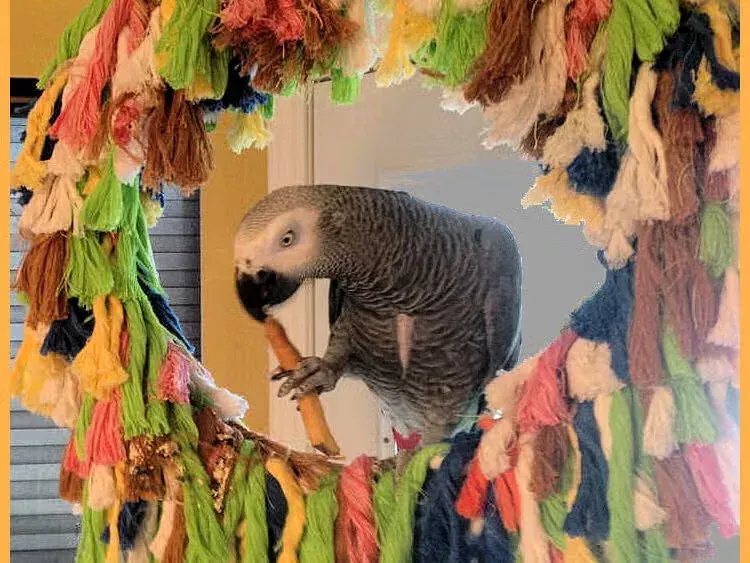
RealHousewife - Used with permission
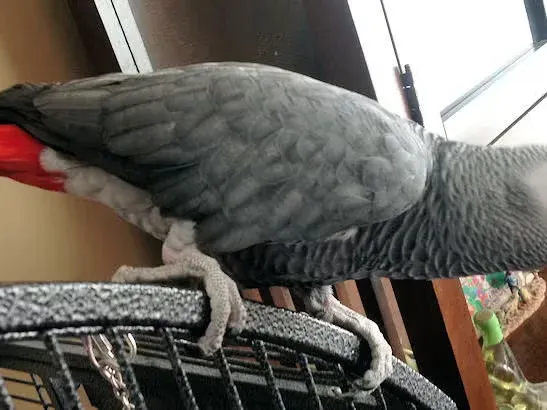
RealHousewife - Used with permission
RealHousewife - Used with permission
Key Considerations Before Getting a Parrot
As noted in Information on Parrots as Pets for Beginners, thorough research is essential to choose the right parrot for your home. This is a major decision because parrots live a long time—some species can easily outlive their owners.
- Research thoroughly. There are many parrot species, and some are far better pets than others.
- Begin with smaller birds. Parakeets or lovebirds are good starters. Larger birds demand more complex care.
- Parrots need proper care, significant attention, and plenty of affection.
- Owning a parrot requires a serious, long-term commitment.
- Ensure your home has enough space for the type of parrot you want. Some parrots need a great deal of room.
- Parrots are not suitable pets for young children.
- Parrots can create a lot of mess.
- They can be very noisy.
- Some parrots do not get along with other pets.
- African Greys are especially easy to train.
Advantages and Disadvantages of Parrot Ownership
| Pro | Con |
|---|---|
| They make wonderful companions. |
|
They may outlive their owners.
| |
They eat commonly available foods.
|
They can consume a large amount of food.
| |
Small parrots kept in pairs are quite self-reliant.
|
Medium to large parrots can get bored and injure themselves.
| |
Most are excellent pets.
|
Some do not make good pets.
| |
They rarely get sick.
|
Veterinary costs can be high in certain cases.
| |
They enjoy “kissing.”
|
Birds can catch human germs when they kiss you.
| |
Birds whistle, sing, and talk.
|
They can be very loud at times.
| |
They need a fair amount of interaction and love to play.
|
Birds are not ideal if you are frequently away from home.
| |
Birds are relatively easy to train.
|
Medium and large parrots play roughly and may bite.
|
Cage Requirements for an African Grey
The cage size must suit the bird's size. Cages come in small, medium, and large, and owners must ensure the cage is optimal for their bird.
A typical cage setup for an African Grey includes:
- A permanent, reasonable space in a low-traffic area of the home, away from doors that are frequently opened and closed. Parrots need a secure spot with minimal surprises. Without a flock to defend them, frequent startling can raise their stress levels.
- A draft-free location, as birds dislike cold.
- African Greys need more horizontal space than vertical, so a horizontal cage is better. It should be 36 to 48 inches wide and at least 30 to 36 inches deep. Height should be at least 30 inches.
- Parrots need to feel like “part of the flock,” so a separate parrot room is not advisable. They should see and interact with the family, but not with strangers who might frighten them. Living rooms (away from windows) are usually best.
- Ideally, place the cage near the family room, living room, and/or kitchen, or closest to the primary caregiver's favorite room.
- Install a sturdy perch inside that allows the African Grey to hang upside down and play with toys.
- Provide at least one horizontal perch for routine use.
- Add toys based on your bird's preferences. Trial and error is the only way to learn what toys your bird likes.
- The cage floor should be flat (not grates) and lined with white paper. White paper lets you visually check droppings for signs of illness.
- Perches can be angled to encourage climbing.
- African Greys like to sit on open cage doors, so place something under the entire open cage to catch mess.
- Perches—1/4 inch to 4 inches in diameter. They can be made of metal, wood, rope, acrylic, stainless-steel chain, coconut, high-impact plastic, and bird-safe rubber.
Diet for African Grey Parrots
Commercial parrot food pellets are available and are good for your bird. Choose organic pellets without fillers or artificial ingredients. Limit seeds because they are high in fat. Birds naturally love seeds and should eat some, but not as the main food source.
Water is important, but do not give distilled water. Offer bottled spring water or tap water. To remove chlorine from tap water, let a bowl sit out overnight and then use it to refill the bird's drinking dish.
Safe Foods for African Greys:
- Carrots
- Squashes
- Sweet potato chunks
- Collard greens
- Broccoli
- Kale
- Green or red peppers
- Celery
- Zucchini
- Green beans
- Cucumbers
- Snow peas
- Butter lettuce
- Melon balls
- Kiwi
- Apples
- Grapes
- Oranges
- Berries
Foods to Never Feed an African Grey
Never feed these foods to African Grey parrots (or any other parrots):
- Avocados
- Peanuts
- Chocolate
- Tomato leaves (nightshade plants) (tomatoes themselves are ok for parrots to eat)
- Coffee or caffeinated beverages
- Alcohol
- Dried beans
- Fruit pits of any kind
- Rhubarb
- Junk food – high fat, high sugar, salty or fried foods
- Mushrooms
- Onions
- Nutmeg
- Any kind of processed foods, unless it is specific food made for parrots
RealHousewife - Used with permission
Emergency Kit for Parrots
Another essential for parrot owners is an emergency kit. Birds are usually healthy, but when they become sick or injured, they can die quickly. A responsible owner must watch for any changes in a bird's behavior or condition.
- Cornstarch can quickly stop bleeding from a torn talon or injured feather. Styptic pens can sting or burn, so plain cornstarch works best.
- Pedialyte™ can replace needed electrolytes (sodium and potassium) in a dehydrated bird. Consult a vet for recommendations.
- Tweezers can remove a 'blood feather' or a feather that has broken and left a bruise.
- Scissors and sterile gauze are for minor injuries.
- A clean towel should be handy to wrap and immobilize your parrot.
- Sterile saline can flush out foreign objects in a bird's eyes.
- Betadine and swabs are used to disinfect cuts or other injuries.
- A heating pad may be needed to keep a bird warm (not hot). Tropical birds do not do well in cold climates. Keeping a bird warm may save its life.
- A small bird carrier will be needed if your parrot must be rushed to an animal emergency clinic or veterinary hospital.
- Your pet's medical records and the names and numbers of nearby emergency centers and vets should be kept near the cage at all times.
Do not delay—set up an emergency kit right away. You never know when something may happen that requires swift action.
This article is accurate and true to the best of the author's knowledge. It is not meant to substitute for diagnosis, prognosis, treatment, prescription, or formal and individualized advice from a veterinary medical professional. Animals exhibiting signs and symptoms of distress should be seen by a veterinarian immediately.
Questions & Answers
Question: How do I stop an African Grey from chewing on walls and carpet when I have blocked most of these areas?
Answer: Have you provided plenty of chew toys of his own? Parrots chew out of frustration. Make sure your parrot participates fully in family life. They do not like to be alone. They are highly social and get bored easily. Boredom will cause them to chew everything.
© 2013 Lela Cargill
Sources
- African Grey Parrots: A Guide to Ownership — pethelpful