Bringing a Parakeet Home: What Families Should Know
Logan Walker
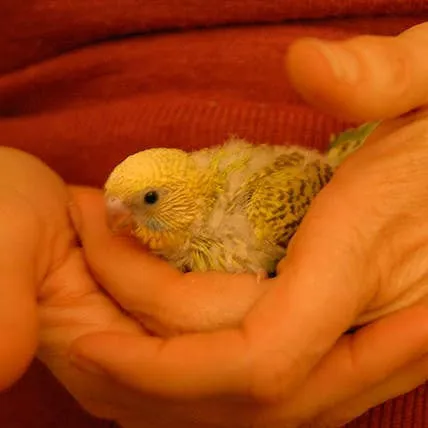
Why a Parakeet Might Be the Right Choice
When my 10-year-old son received birthday and Christmas money, he declared himself “rich” and wanted to spend it all—starting with a bird, not a bike or a video game. That led me to explore what kind of bird would suit our family, what cage it would need, and how much it would all cost. We ultimately chose a parakeet, and it turned out to be a great decision for us. I'd like to explain why.
Getting to Know Parakeets
Parakeets belong to the parrot family and are native to Australia, where they are known as budgerigars or “budgies.” The exact origin of the name budgie is unclear, though it is rooted in Australian culture. These birds are small and lightweight, bred in a variety of colors, and are most recognizable by their long tails.
Parakeets are social creatures that enjoy interacting with other beings, including people. They chirp, show affection, and need exercise. Some can learn to mimic sounds; there have been reports of pet parakeets repeating over 100 different sounds made by their owners. While there's no guarantee your parakeet will talk, few other pet birds offer the same potential for this entertaining behavior.
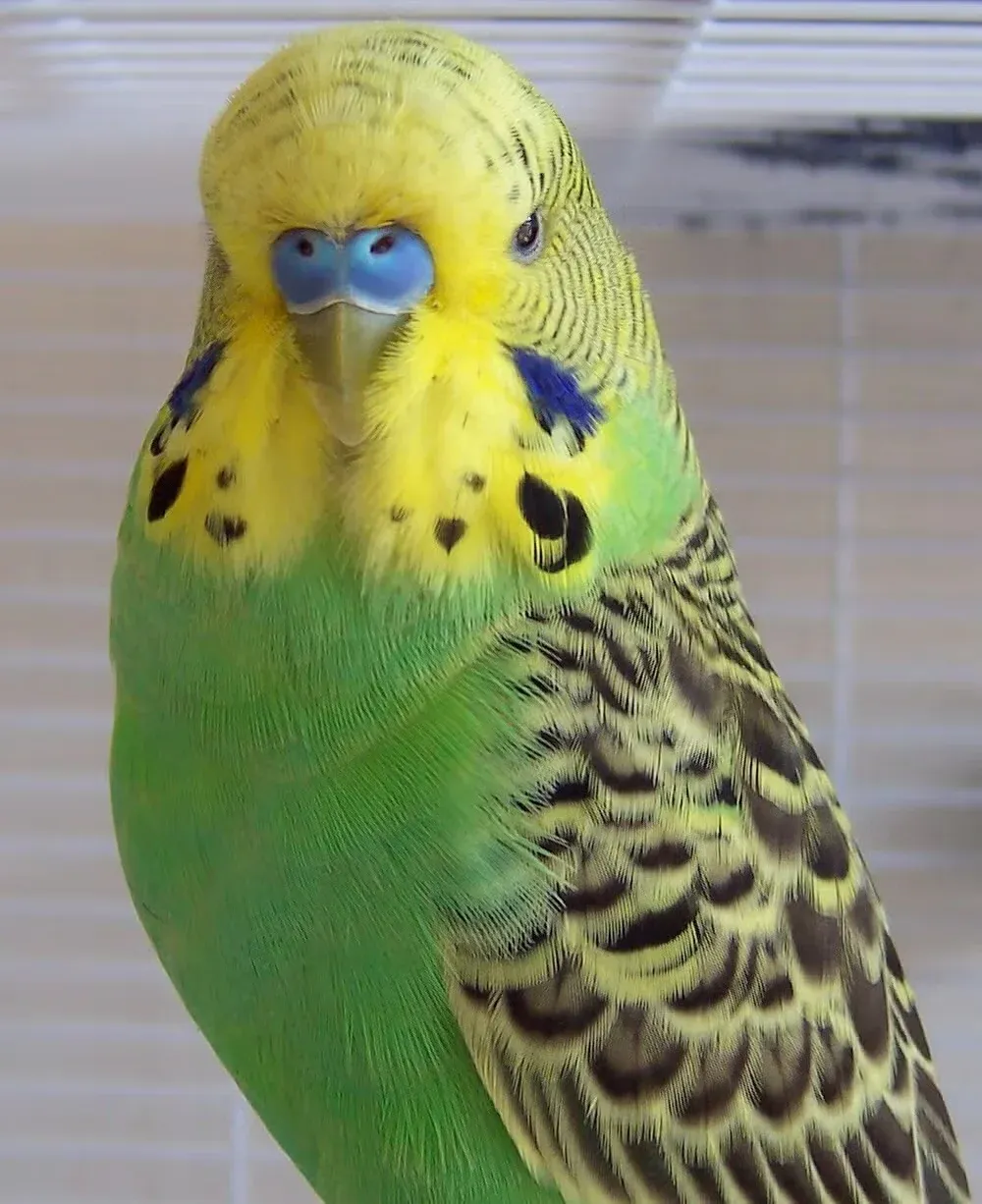
“Budgies” come in all different colors.
Althepal, via Wikimedia Commons
Key Considerations Before You Buy
There are several factors to think through before bringing a parakeet into your home.
Time and Attention
Because parakeets are social, they need regular interaction. If you can't commit to spending time with your bird—letting it out to fly, whistling to it, and keeping it company—a parakeet may not be the right pet. Neglecting these needs can harm its mental and physical well-being. In that case, consider getting two birds instead.
If you can dedicate an hour or more each day, one bird may be sufficient. A male is often a better choice: males tend to be more social and less aggressive, are more likely to perch on your finger or shoulder (or, as my son says, “on my guitar”), and have a better chance at mimicking sounds.
Cleaning
Birds can be messy—hence the term “dirty bird”—but compared to many pets, they are relatively clean. They shed a little and leave the occasional dropping, but a few minutes of daily cleanup usually suffices. If you don't keep up with it, things can get messy.
Expenses
Parakeets typically cost between $15 and $25. A cage, food, and toys round out the initial purchase. For under $100, you can have a pet you'll enjoy for years. Ongoing costs are limited to occasional bird food and cage bedding (ground corn cobs are one option). These expenses are modest compared to other pets.
Make Time for Your Bird
Parakeets are social and want to be out of their cage and near you, whether perched on your finger or shoulder. Make sure you have enough time to meet their needs!
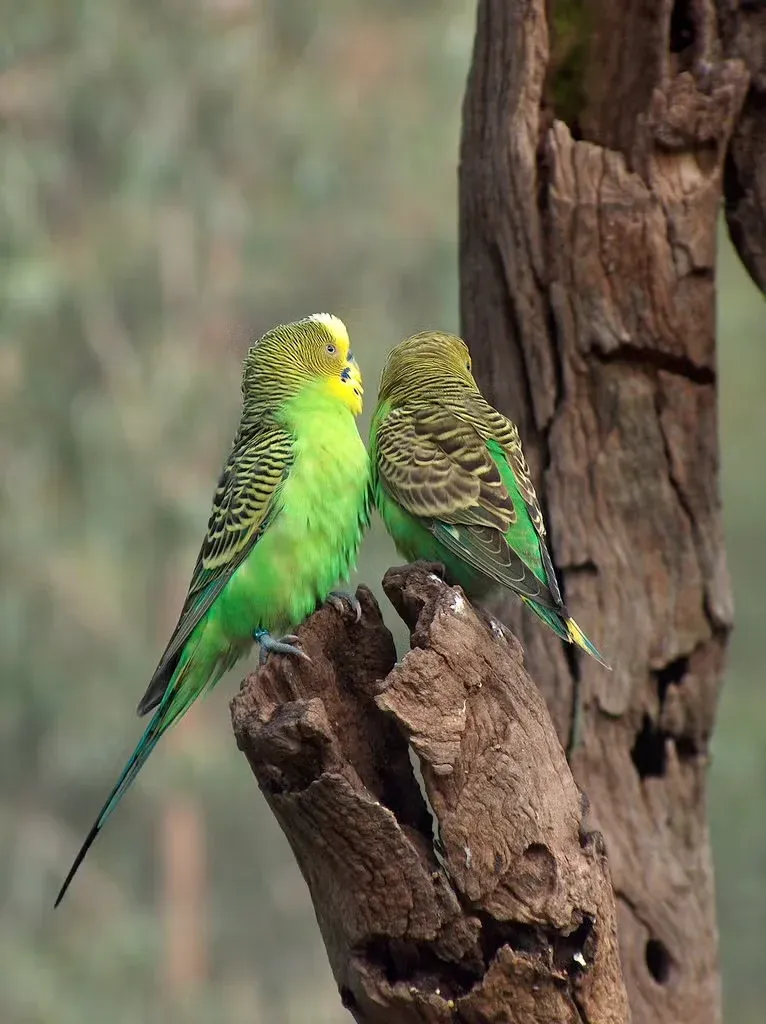
Parakeets or “budgies” are native to Australia.
By Guillume PILLET, via Wikimedia Commons
Tips for Buying Your Parakeet
Follow a few simple guidelines when selecting your bird.
Choose Carefully
Observe the birds for a few minutes before deciding. Don't pick based on color alone. Look for one that is healthy, active, and social. Avoid a bird that is immobile or isolated from the flock. If you want an interactive pet, choose a male, preferably young—shaping behavior is easier at a young age. Birds over 5 months old may be too set in their ways.
Get a Roomy Cage
The cage and accessories are central to your bird's life, so aim for the best you can afford. Parakeets like to fly, so a larger cage is better. If space or budget limits you, spend a little extra to get the biggest cage possible.
Add Toys and Perches
How you furnish the cage matters just as much. Parakeets are intelligent and need mental stimulation. Multiple perches, bells, and ladders can keep your bird active and happy.
If you plan to socialize extensively with your bird, think twice about adding a mirror. Parakeets are smart, but not that smart—they may think their reflection is another bird and become less interested in you.
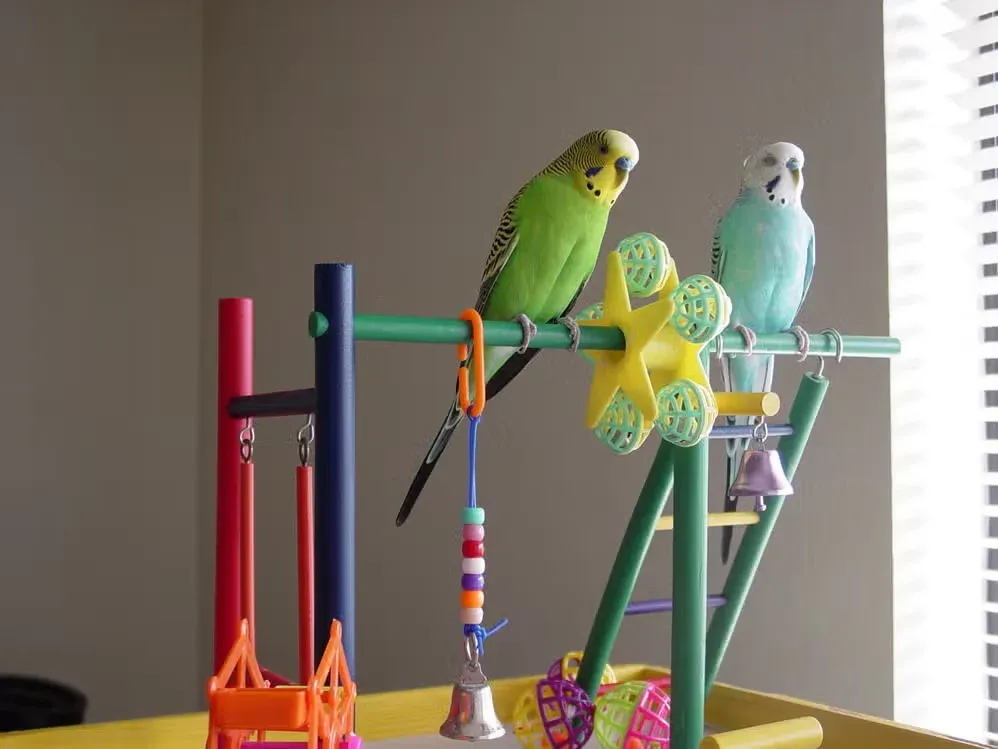
Parakeets need stimulation: Be sure to purchase some items for them to climb on and peck.
By Anna Sacherri, via Wikimedia Commons
Enjoy Your Budgie
Having a budgie in our home has brought us a lot of joy. With patience, a bit of cleaning, and a small financial commitment, you can enjoy this wonderful species too. If you decide to get one, consider reading up on how to train them.
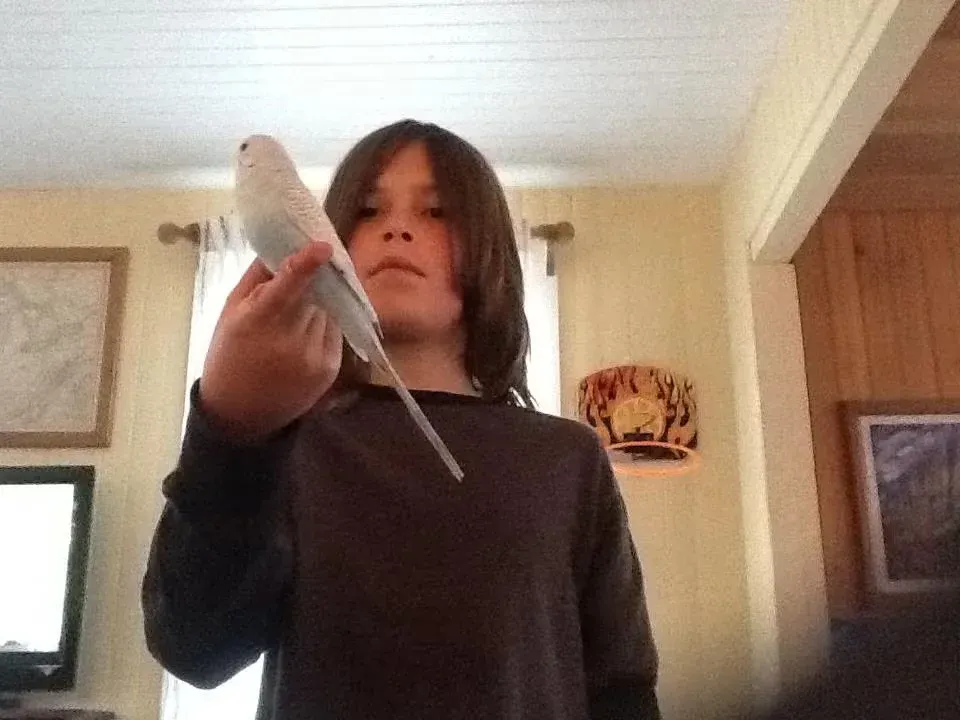
My boy and his bird
By P. Bouley
Sources
- Bringing a Parakeet Home: What Families Should Know — pethelpful