Care · Birds
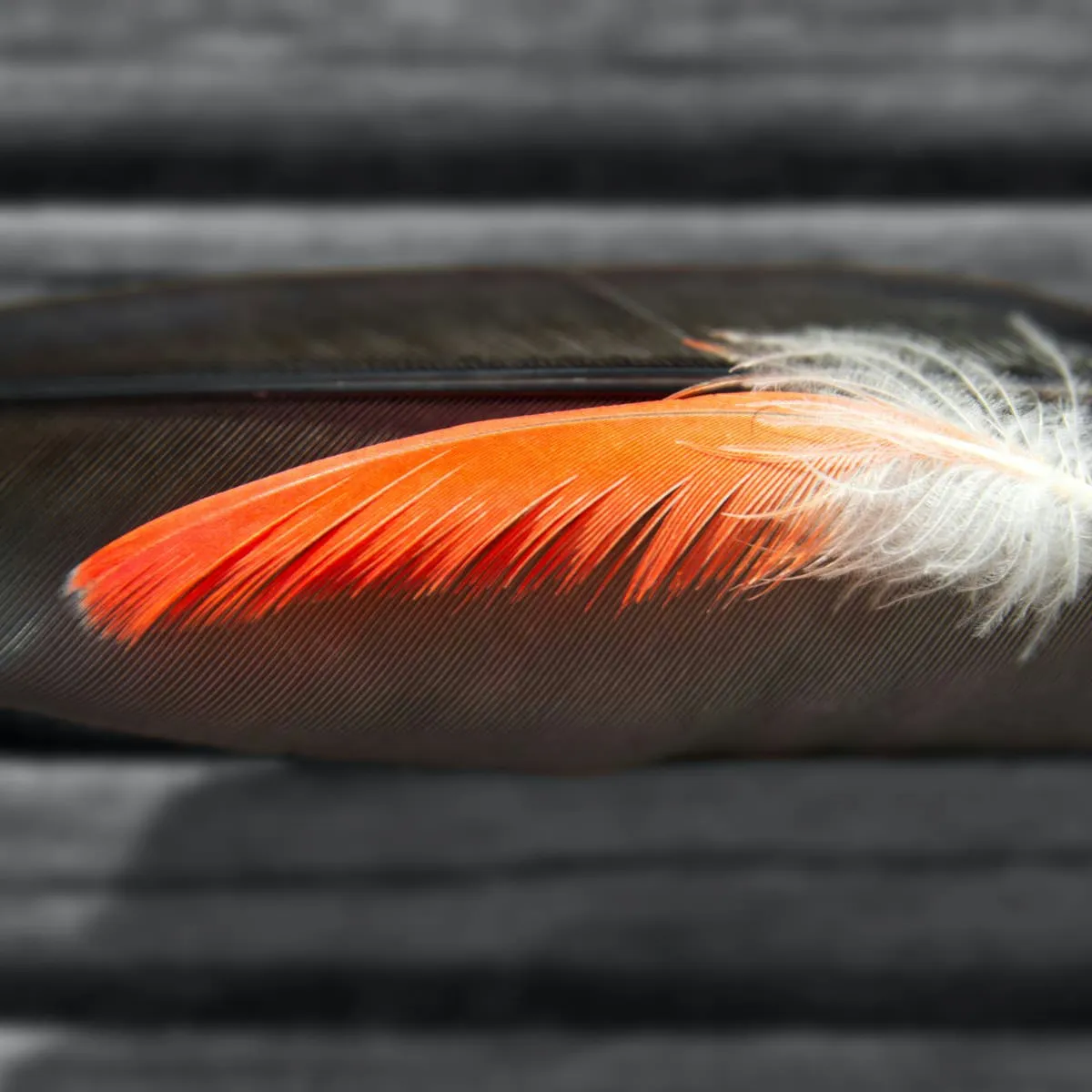
Managing Broken Blood Feathers: Plucking Versus Styptic Powder
A look at what blood feathers are, why they pose a risk, and how two common approaches—pulling the feather or using a clotting agent—compare when bleeding occurs.
56 articles
A look at what blood feathers are, why they pose a risk, and how two common approaches—pulling the feather or using a clotting agent—compare when bleeding occurs.
Dr. Crystal Heath, executive director of Our Honor, explains how to draw hummingbirds with the right nectar, flowers, and habitat—and why hand-feeding and captivity do more harm than good.
Patellar luxation, often called 'trick knee,' occurs when a dog's kneecap moves out of its normal groove. This condition can be painful, but early detection and treatment can manage it effectively. Learn about the grades, symptoms, treatment options, and prevention strategies.
This guide covers common canary diseases, how to tell a healthy bird from a sick one, and treatment approaches for contagious, parasitic, and organic conditions.
If you are considering your first pet snake, the decision deserves careful thought. This overview covers three commonly kept species—corn snakes, ball pythons, and red-tailed boas—with details on their pros, cons, and care requirements. The goal is to help you make an informed choice.
Many cases of feline conjunctivitis are mild and respond to simple at-home treatments, but others signal a deeper problem. Learn how to tell the difference and when veterinary care is necessary.
A follow-up to my 2014 article, addressing common inquiries about training an Australian Cattle Dog.
Mange is a skin condition caused by mites that affects dogs. This guide covers symptoms, types of mange, and home care strategies, emphasizing the need for veterinary guidance.
A guide covering the behavioral fallout when one dog is mauled by another, including warning indicators, professional-guided behavior modification, and managing attacks that take place within the same home.
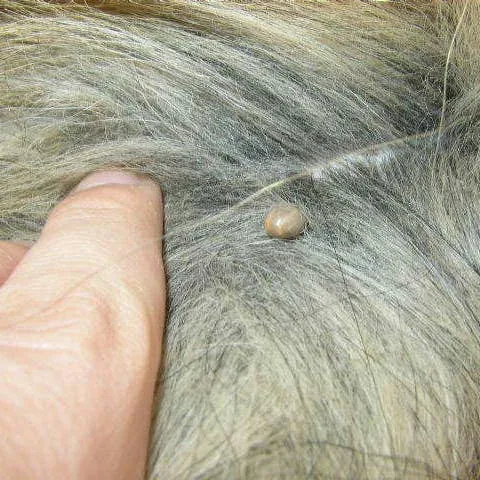
Ticks can transmit serious diseases to dogs, so prompt and proper removal of an embedded tick is crucial. This guide explains what not to do, the tools you need, how to remove a tick safely, what to do if the head stays behind, and how to prevent future tick encounters.
Explore the AKC breed standard for Siberian Huskies and understand the key physical and temperamental traits that distinguish quality show dogs from ordinary pets.
This guide explains how to spot jealousy in dogs and cats and offers practical strategies to handle your pet's jealous reactions.
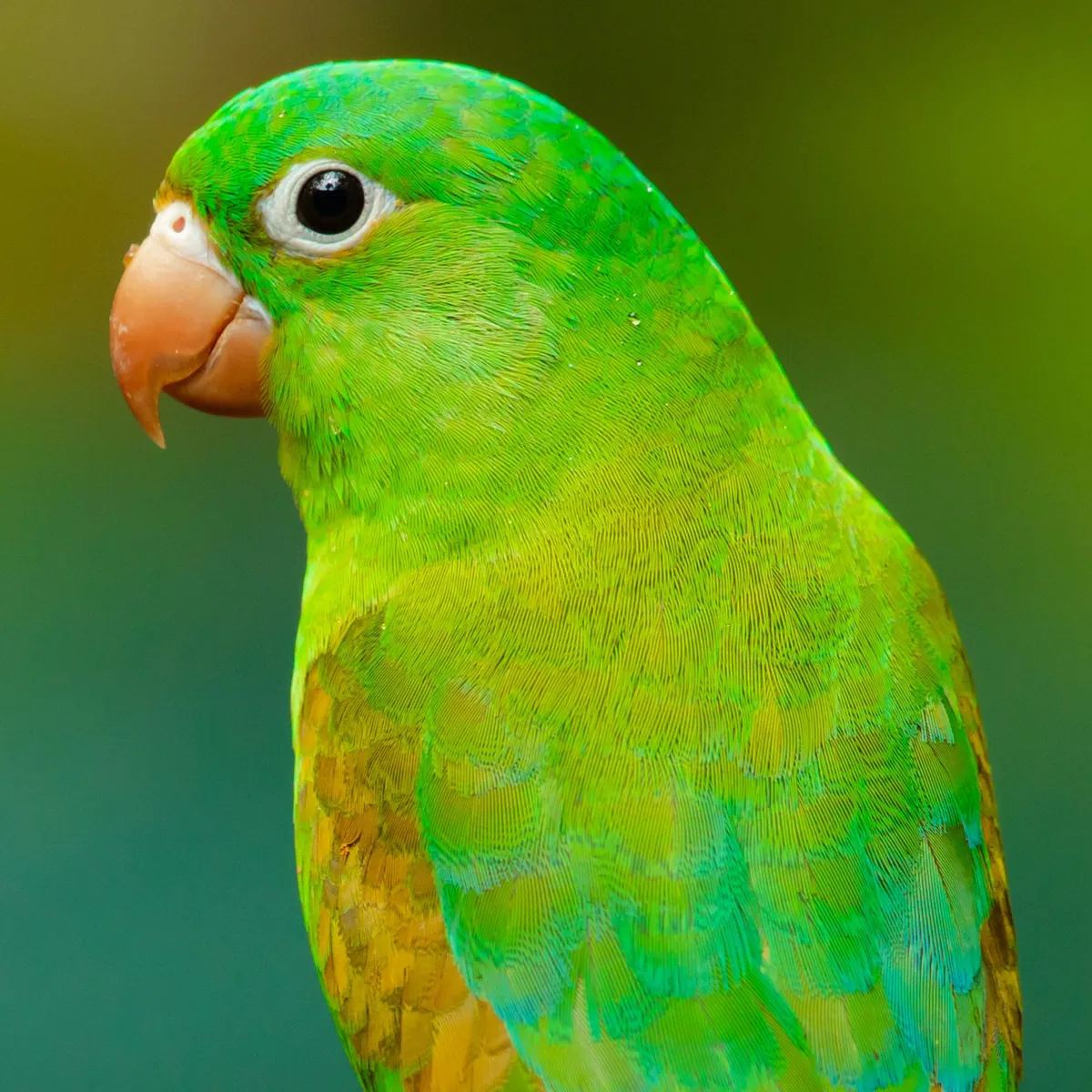
If you want to add variety to your parakeet's meals, here are some safe options to consider, along with important feeding tips.
If you're searching for a distinctive name for your new dog or puppy, Cherokee names offer a rich and meaningful option. These Native American names carry deep significance that can strengthen your bond with your pet.
Puppies that lack self-restraint can be challenging to live with, and those not taught self-control may develop rough behaviors such as biting. Dogs without early training might even be surrendered to shelters. This article explains how to teach a dog to control its impulses so it becomes a well-mannered companion.
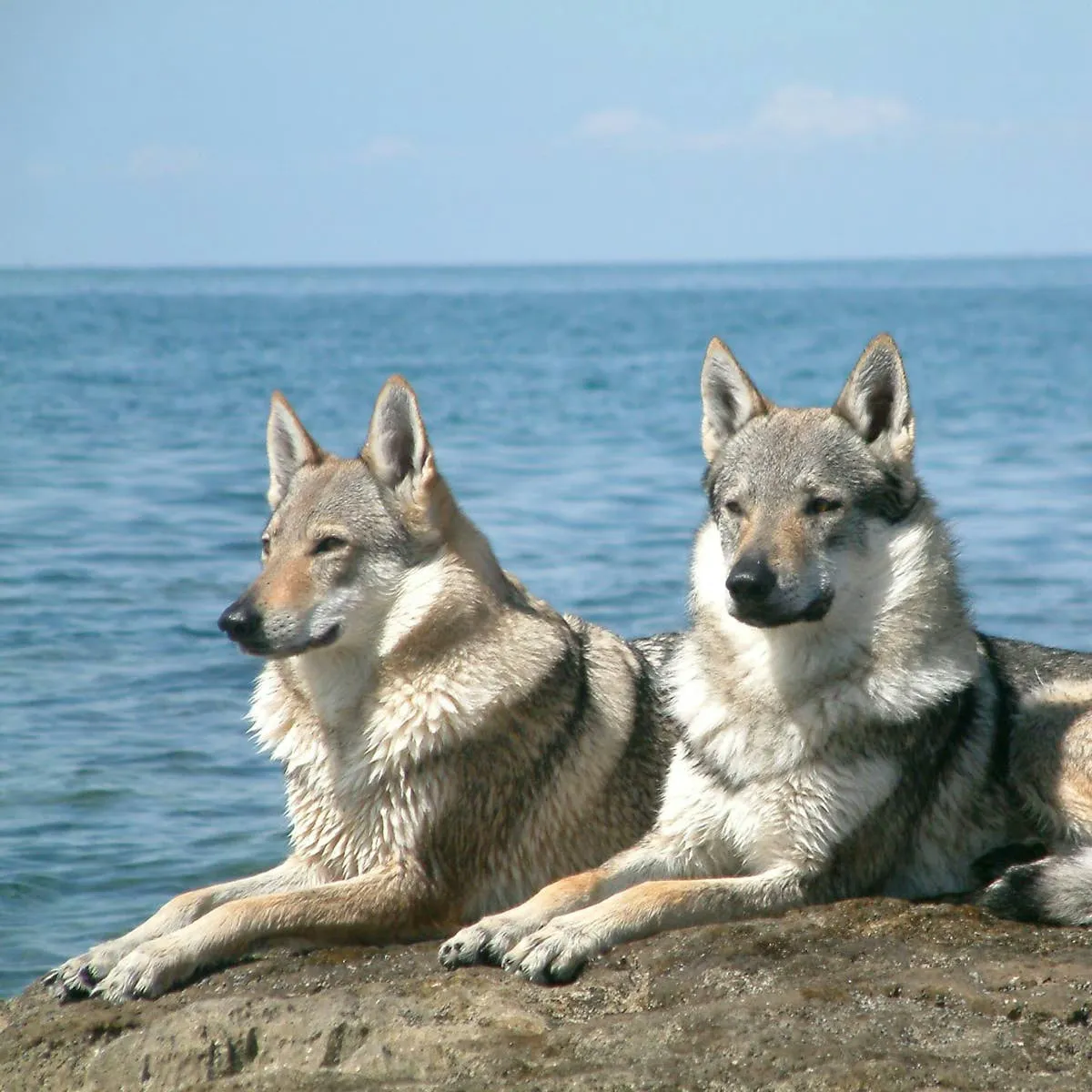
Wolf-dog crosses spark debate in many regions, with some areas prohibiting them outright. This overview covers their background, the recognized breeds that exist, behavioral considerations, and how certain jurisdictions—such as Wisconsin—approach regulation.
Buster, a retired racing Greyhound, deals with grand mal seizures regularly. His owner explains what adopting and caring for an epileptic dog involves, from recognizing seizure signs to managing medications and costs.
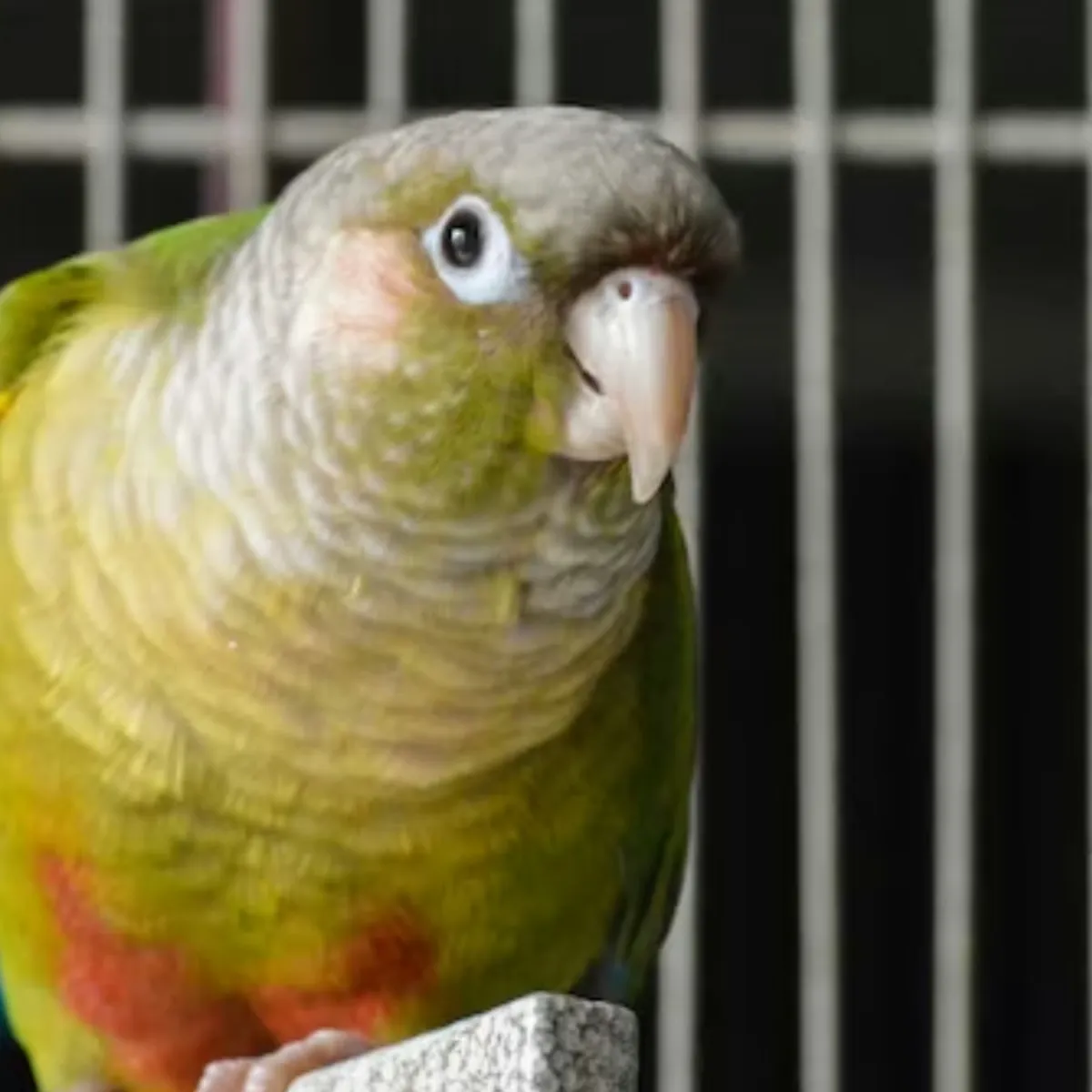
What it truly takes to keep a green-cheeked conure as a pet, from their intense bonding tendencies to the everyday hazards they face, based on one owner's experience with a bird named Tikko.