When Your Cat Refuses to Eat: Causes and What to Do
Emerson Wood
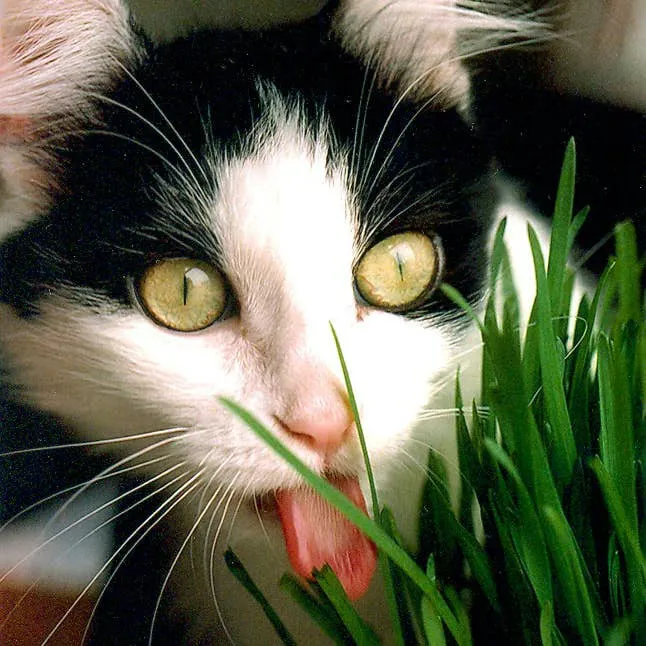
When Your Cat Refuses to Eat: Causes and What to Do
Cats are notorious for being picky eaters, and most owners have witnessed this at some point. However, if a cat that was previously healthy starts eating significantly less—or stops eating altogether—it can be a frightening situation. The first priority is to determine whether an emergency vet visit is necessary.
Take a few hours to observe whether the cat is genuinely not eating or simply displaying typical finicky behavior. In some cases, they may prioritize sleeping or playing over eating at that moment, but will come back to their food later.
Keep a Close Watch
If the cat is panting, lethargic, or has not consumed any food or liquids for more than 24 hours, contact your veterinarian right away.
Cats Are Not Fans of Change
Start by evaluating whether anything in the cat's surroundings has changed. Did you buy new furniture? Bring home a new pet? Have a baby? Is a friend or relative staying for a few days?
Cats thrive on routine and consistency, and changes like these can cause stress or upset. If the cat is hiding due to a household change, consider placing their food and water dishes near their hiding spot—at least until they feel more at ease and are willing to move around.
Is the New Food the Problem?
When switching a cat's diet, gradual transition is key. Begin by mixing a small amount of the new food into their regular food. Then, over about a week, increase the new food and reduce the old until the cat is eating only the new food.
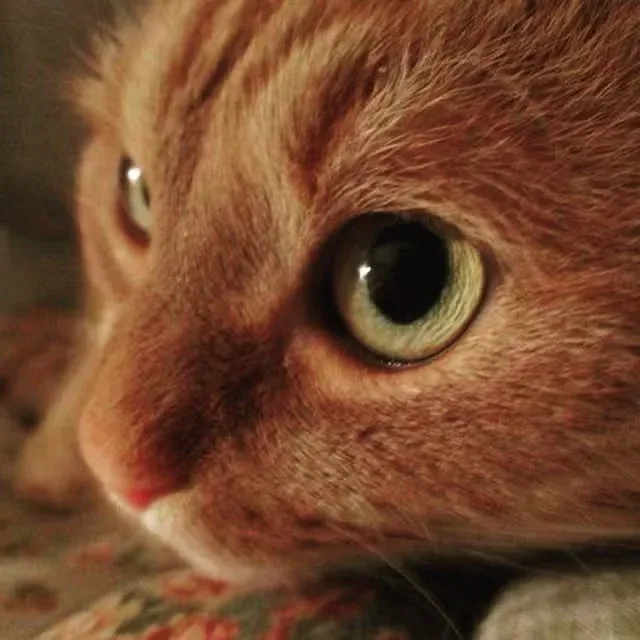
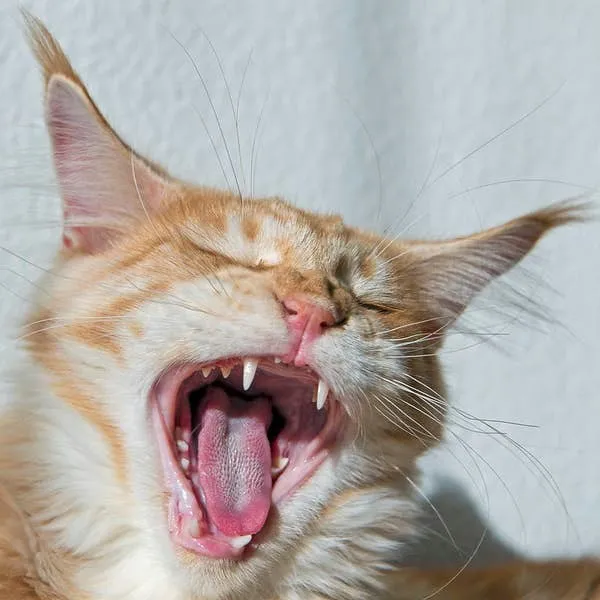
Your cat might not be eating because of dental issues.
Health Issues and Appetite Loss
- A reduced appetite can signal various serious illnesses in cats.
- If no changes in the home or food can be identified as the cause, consider potential health problems.
- Possible issues include dental problems, urinary tract problems (common in cats), constipation or bowel obstruction, kidney disease, or an upper respiratory infection. Watch for other signs: drooling (often linked to dental issues), runny nose and sneezing (upper respiratory), or not using the litter box (constipation or bowel obstruction). If you suspect any of these, contact your vet without delay.
Weight Alone Isn't the Whole Story
Even an overweight cat that stops eating faces immediate risk. In fact, overweight cats are more prone to Hepatic Lipidosis, or fatty liver disease, which can lead to liver failure and even death if they suddenly stop eating.
Additional Factors to Check
- Is the food bowl clean and in a clean location? Cats are particular about cleanliness.
- Is another cat or something the cat fears positioned between them and their food dish?
- Is there construction noise or other sounds frightening the cat?
- Is the dish deep and irritating the cat's whiskers? Research suggests that bowls with sides that constantly touch whiskers can cause overstimulation, known as whisker fatigue. A shallow bowl or plate can help cats with this issue.
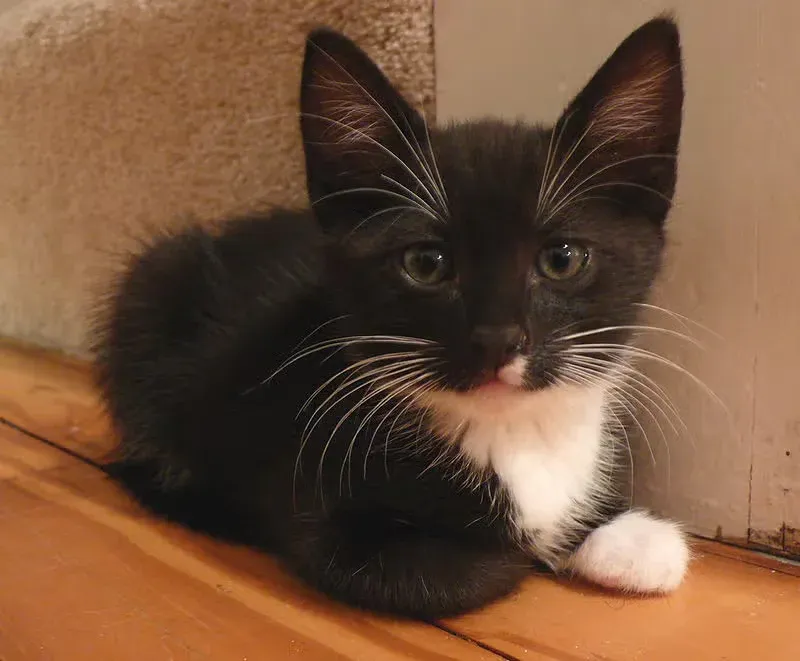
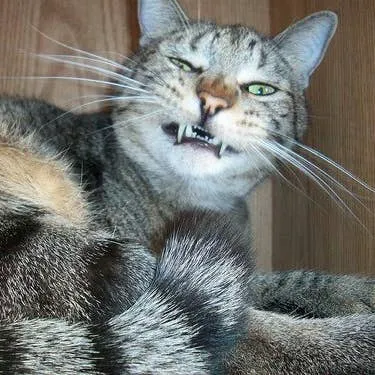
Don’t force-feed your cat.
Never Force-Feed
Do not attempt to force-feed your cat. This can create a negative or scary association with food, potentially making the problem worse.
Feeding Suggestions
To make wet food more appealing, try warming it slightly. Be careful not to overheat it. Most cats enjoy warm wet food.
Most importantly, if your cat has skipped more than 1–2 meals, call your vet.
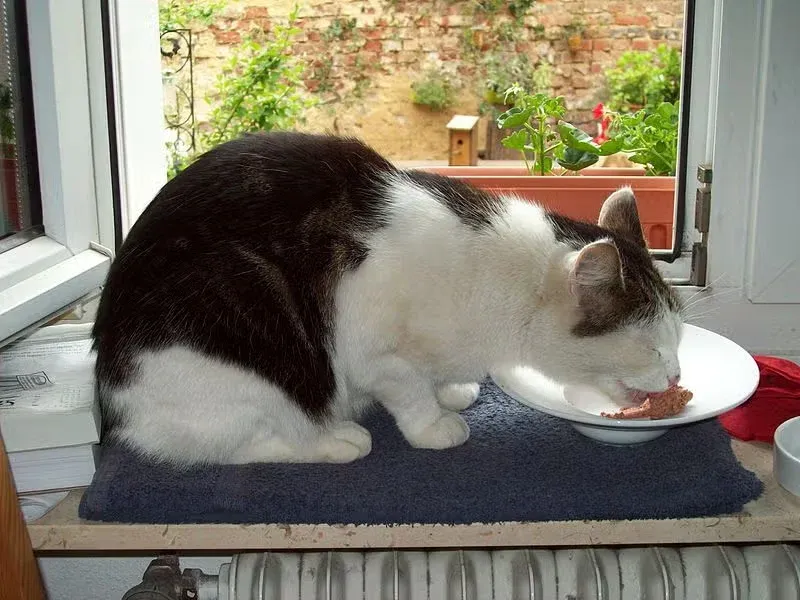
Make your cat’s food more appetizing.
This article is accurate and true to the best of the author's knowledge. It is not meant to substitute for diagnosis, prognosis, treatment, prescription, or formal and individualized advice from a veterinary medical professional. Animals exhibiting signs and symptoms of distress should be seen by a veterinarian immediately.
© 2019 Bridget F
Sources
- When Your Cat Refuses to Eat: Causes and What to Do — pethelpful