Feline Motion Sickness: What Worked for My Cat (and What Didn't)
Hayden Scott
Discovering Lindemann's Motion Sickness
I adopted Lindemann from the Boulder Animal Shelter, and on the drive home, I caught sight of him vomiting in his carrier out of the corner of my eye. I felt just as helpless when the smell hit me—he had also defecated in there.
At first, I figured it was just stress from being in a car with a stranger. After all, I had gotten lost in traffic and turned what should have been a one-hour trip into more than two hours.
But when I took him to Southern Colorado a couple of weeks later to meet my family, the same thing happened. I had to admit it: my cat had motion sickness.
Here are some tips to improve your cat’s travel experience.
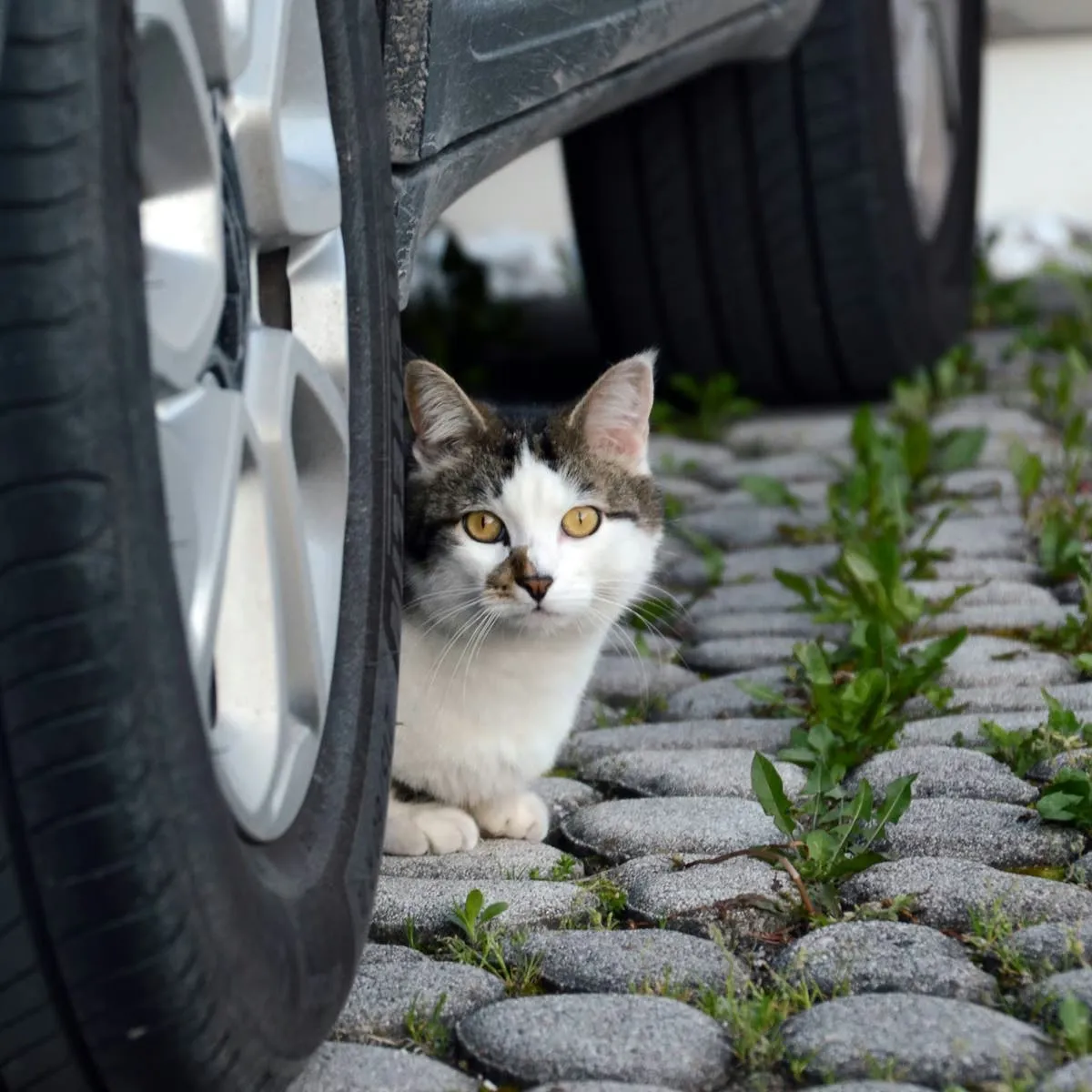
Photo by Li Lin on Unsplash
Non-Drug Approaches to Feline Motion Sickness
The best option is usually to leave your cat at home. That way, both of you stay happy. But when you do have to travel together, there are some non-drug techniques you can try.
- Skip food in the morning. This helps prevent the smelly bowel movement in the carrier. I never realized how much cat litter covers up odors until I smelled feces without it. Lindemann even sat in it once, smearing it into his thin fur. My mother had to give him what was almost an enema to get the caked-on mess off.
- For short trips—about two hours—a small amount of dry food is okay. Yes, if he throws up, it's a bigger cleanup. But having something dry in his stomach to absorb acid can reduce nausea. I know this from my own experience with a queasy stomach during travel.
- Open a window on the cat's side. Fresh, cool air can ease nausea. Again, this is based on my own experience, and it seems to help. But if the highway is busy, the noise from outside—especially large trucks—might scare the cat even more.
- Stop halfway through the trip. Pull over, take the carrier out, and let the cat get some fresh air. In my experience, having solid ground underfoot—or under the carrier—lets the nausea subside a bit. The break should be at least 10 minutes.
- Use a hard-sided carrier. Plastic carriers are easier to clean when accidents happen.
- Pack supplies: water, baby wipes (these have saved my trips many times!), and a trash bag. Line the carrier with something soft you can throw away, like an old towel or torn sheet. Some messes I don't even want to try cleaning.

I’ve used pill pockets like these to get Lindemann to swallow his pills.
ies.com/cats.aspx#/products/cat-pill-pockets
Medication Options for Feline Motion Sickness
Not all over-the-counter drugs are safe for pets. I'm not a vet, but I did ask one about Lindemann's motion sickness. The vet said my 12-pound cat (he's not just fluffy—he's a big cat) could safely take up to 20 mg of Dramamine. That's more than most websites suggest, but my vet checked the textbook for that recommendation. Even getting 10–12 mg into a cat is tricky; if you've ever let a Dramamine tablet sit on your tongue while you unscrew a water bottle, you know why: it's very bitter.
Unfortunately, Lindemann is not a dumb cat, and after one successful dosing, he caught on to every method I tried. Some methods worked at least once.
How I've Given Pills to My Cat
- Crushed into his favorite canned food
- Dissolved in milk and squirted into his mouth with a syringe
- Hidden in a pill pocket (available at any pet food store)
- Hidden in a pill pocket rolled in crumbs from his favorite treat
- Dissolved in tuna fish oil and mixed into his favorite canned food (I was desperate)
- Hidden in a pill pocket lubricated with tuna fish oil and given to a cat loosely wrapped in a towel (not ideal, but what I resorted to when nothing else worked)
Drug Warning
Always check with your vet before giving your pet any drugs or medications.
How Lindemann Reacted
Lindemann often drools after I give him Dramamine. My vet said this is because the taste is so bitter he's trying to wash it off his tongue. Of course, Lindemann also drools when he's carsick, so it's hard to tell how much the Dramamine helped. But the few times I managed to give him a full dose, he drooled but didn't vomit. He was also calm because I used the regular formula, not the non-drowsy one. For best results, start trying to dose at least an hour before you leave.
Important Note: Again, I want to emphasize that you should consult your vet before giving your pet any drugs. I consulted mine, and I'm just sharing the advice I got.
If I destroy her backpack, Mama can’t make me travel, right?
nArchuleta
Final Thoughts
Traveling with a pet that gets motion sickness can be rough. But there are ways to make it less uncomfortable. If you've found other methods—especially for giving pills—please share!
Happy Traveling!
This article is accurate and true to the best of the author's knowledge. It is not meant to substitute for diagnosis, prognosis, treatment, prescription, or formal and individualized advice from a veterinary medical professional. Animals exhibiting signs and symptoms of distress should be seen by a veterinarian immediately.