Feline Sneezing: Common Triggers and When to Seek Veterinary Care
Emerson Wood
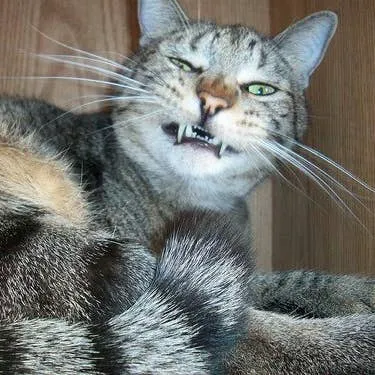
Understanding Feline Sneezing
Sneezing in cats can happen for many reasons, much like in people. Most of the time, it's not a cause for concern. This article will explore the typical and atypical causes of sneezing in cats, and when you should consult a veterinarian.
I want to clarify that I am not a veterinarian. My knowledge comes from many years of living with cats and volunteering at a no-kill shelter. If your cat's symptoms continue, it's always best to get professional veterinary advice.
What Causes Cats to Sneeze?
As mentioned, there are numerous reasons why cats sneeze. Often, the sneezing is short-lived and resolves without treatment. The most frequent causes are:
- Upper respiratory infections
- Allergies to environmental substances, known as allergic rhinitis
- Dental issues
Less common causes are:
- A foreign object lodged in the nose, which is uncommon due to cats' small nostrils
- "Reverse sneezing," which happens when laryngeal muscles spasm due to mucus buildup at the back of the throat. It can sound alarming and produce a snorting noise, but it's generally harmless.
- More severe infections such as Feline Leukemia or Feline Immunodeficiency Virus
Rare but serious causes include:
- Oral cancer
- Feline Infectious Peritonitis (FIP)
- Nasopharyngeal polyps
Identifying the Underlying Cause
If your cat is lethargic, has a decreased appetite, fever, nasal or eye discharge, mouth sores, or drooling, an upper respiratory infection (URI) is likely. You might notice your cat pawing at its face or rubbing its nose.
If your cat is pawing at its nose or face but shows no other URI signs, it could be reacting to an allergen or have a foreign object in its nose. These cats might also shake their heads and seem mildly uncomfortable. If you also see itching, scratching, biting, or if the sneezing occurs at predictable times of year, allergies are a probable cause.
If sneezing happens over a few hours and comes and goes, it's likely due to some nasal irritation from an allergen or airborne irritant like a cleaning product.
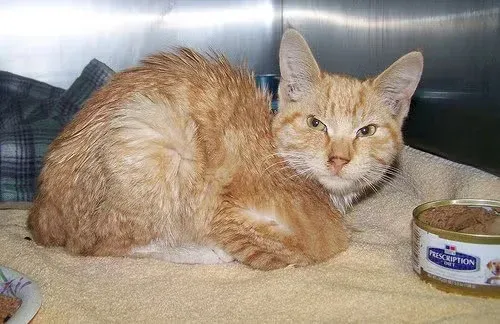
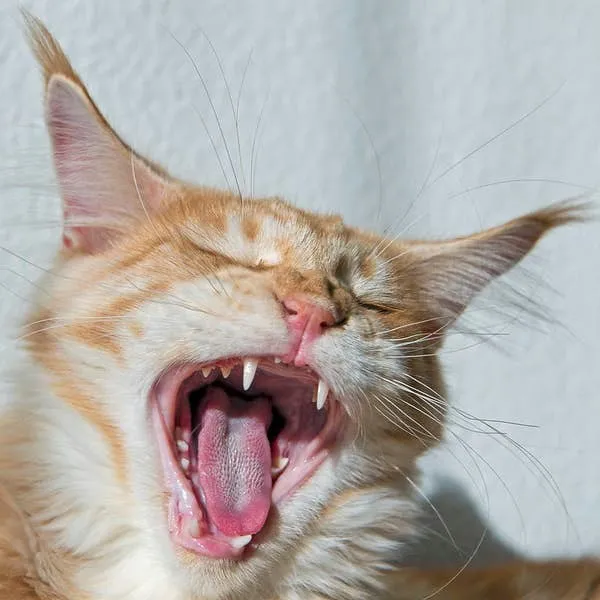
Cat sneezing can be a sign of a more serious illness.
Rocky Mountain Feline Rescue, CC BY 2.0, via Flickr
When to Be Concerned
You know your cat best, so trusting your instincts is key. If you're worried, it's always best to check with your veterinarian. That said, here's a guide to help you decide if your cat's sneezing needs medical attention.
- Persistent sneezing with bloody discharge. Bloody discharge always needs investigation; it could be due to a fungal infection, bacterial infection, or tumor.
- Persistent sneezing with bad breath, eating difficulties, drooling, lethargy, fever, or a swollen face. You might also see your cat pawing at its nose and mouth. Dental problems or tooth abscesses may need treatment. A more serious cause of these symptoms is oral cancer. Sadly, I recently lost my cat to this devastating cancer. We all thought (including my vet) it was a tooth abscess.
- Sneezing with loss of appetite. If your cat stops eating, you need to find out why.
Helping Your Sneezy Cat
The last cat I adopted from a no-kill shelter began sneezing after arriving home. I was worried about illness since she'd been exposed to many feline respiratory infections, so I monitored her closely. She showed no infection signs, though. She seemed fine, ate well, was energetic, and appeared healthy overall. I realized we weren't using the same cat litter she'd had at the shelter. She'd used pine pellets, and I was using clumping clay litter. The sneezing stopped when I switched litters.
Sometimes, cats suddenly become sensitive to a litter you've used for a long time. Occasionally it's due to subtle formula changes, but sometimes it's just a developed sensitivity. So, my first suggestion is to change cat litter brands and observe. It may take some trial and error to find one that doesn't irritate her. Avoid dusty litter. Try a corn-based litter; these have no dust and clump well.
Consider these possible sources of nasal irritation for your cat:
- Cat litter (as mentioned above)
- New cleaning products you're using
- A smoker in the environment
- Air fresheners, including candles
- Any home construction can produce a lot of dust
- Improperly venting fireplace—smoke can be very irritating for cats.
Tips for Reducing Allergens in Your Home
- It may be time to get your air ducts cleaned. It's alarming how much dirt and dust can recirculate through your house. It's not good for you either! Check how well your fireplace is venting, too. It may be time for chimney maintenance.
- Consider getting a HEPA vacuum. Having a vacuum with a HEPA filter can greatly reduce the number of allergens being pumped out each time you vacuum. A cyclone-type vacuum is another great choice, as they literally spin the dirt out of the air.
- Be very careful when you're dusting; you can unwittingly deposit an enormous amount of dust into your air unless you take certain precautions. Use a damp cloth or one that's treated to attract dust for the job instead of feather dusters or dry cloths.
- Use green cleaning products. They aren't filled with artificial fragrances and chemicals that can irritate your cat.
- Consider running a humidifier for your kitty. Bring him or her into your bedroom and run it for a while. Or bring the cat into the bathroom with you when you shower. The hot steam can help open up the nasal passages.
This article is accurate and true to the best of the author's knowledge. It is not meant to substitute for diagnosis, prognosis, treatment, prescription, or formal and individualized advice from a veterinary medical professional. Animals exhibiting signs and symptoms of distress should be seen by a veterinarian immediately.
© 2011 Elsie Nelson