Managing Cat Conjunctivitis: When Home Care Works and When It Doesn't
Hayden Scott
What Is Feline Pink Eye?
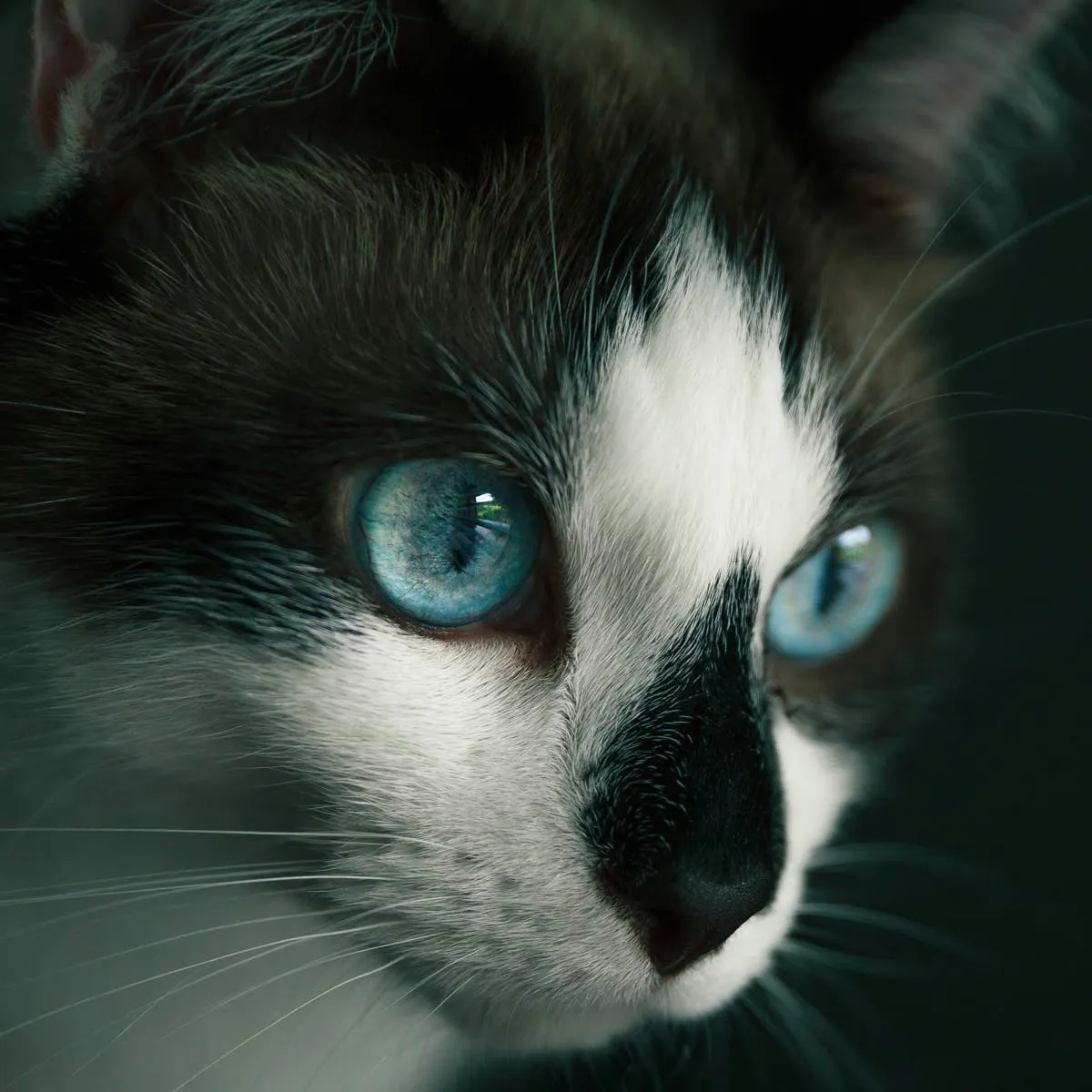
Conjunctivitis in cats—commonly called pink eye—refers to inflammation of the membrane lining the inner surface of the eyelid and the outer layer of the eye. A variety of factors can trigger this condition, with allergens and environmental irritants like dust or dirt being frequent culprits. It's crucial to recognize that not all forms of pink eye are alike. While some cases can be managed at home, the majority require professional veterinary treatment.
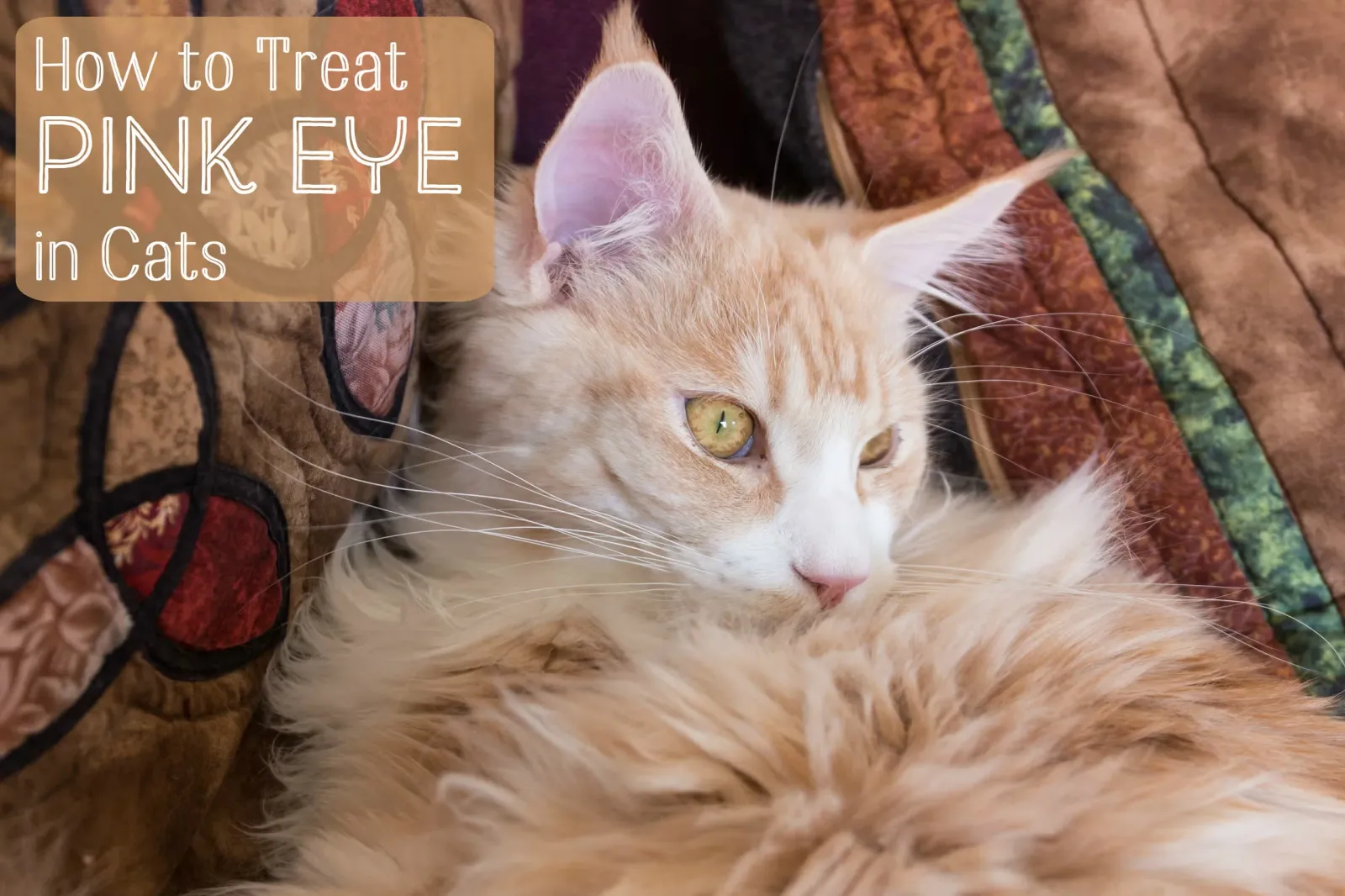
Conjunctivitus is an inflammation of the membrane that covers a cat’s inner eyelids and the surface of the eyeball.
How Serious Is Conjunctivitis in Cats?
On its own, conjunctivitis is not typically life-threatening. However, certain rare forms can eventually lead to blindness if left untreated. In kittens, conjunctivitis often appears as a symptom of an upper respiratory condition, which can be fatal—particularly when it spreads among a litter.
Mild Conjunctivitis
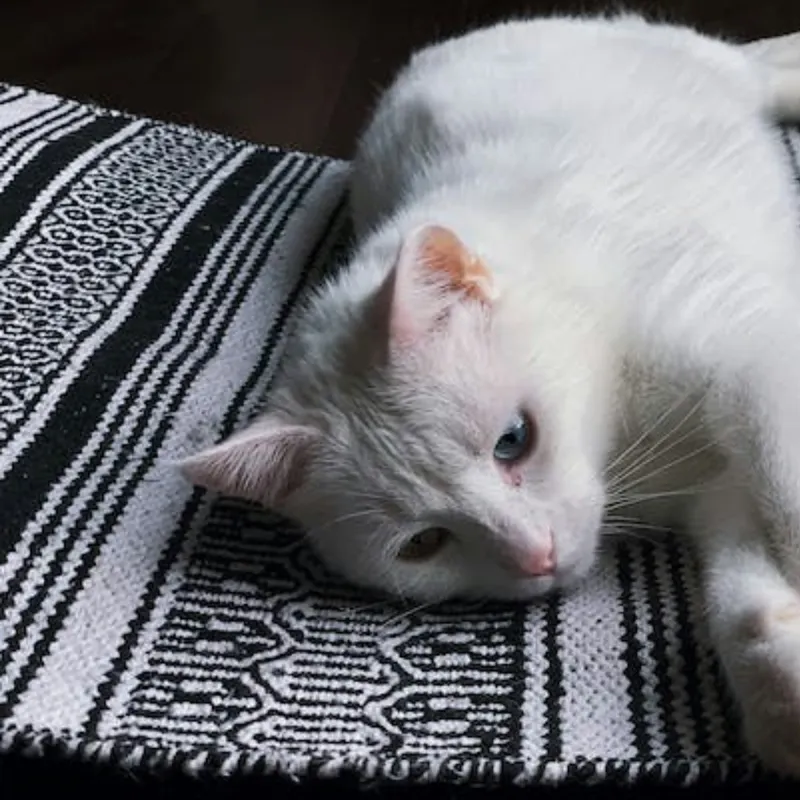
With mild conjunctivitis, the affected membrane takes on a pink, slightly swollen appearance, and the eye produces a clear, watery discharge. This type of inflammation may be a response to irritants such as wind, cold air, dust, or allergens. It can also be an early indicator of feline viral respiratory disease.
Home treatment is often sufficient for mild cases. The eye should be flushed with a diluted boric acid solution intended for ophthalmic use, available at pharmacies and used according to the label instructions. Improvement should be noticeable within a day. If the eye does not improve within 24 hours, a veterinarian should examine your cat.
Severe Pink Eye
More serious cases are classified as purulent conjunctivitis, which involves a secondary bacterial infection. The eye produces a thick discharge or pus that dries and forms crusts along the eyelid. When both eyes are affected in this way, a viral respiratory illness may be the underlying cause.
Two types of bacteria are responsible for purulent conjunctivitis: chlamydia and mycoplasma (though the role of mycoplasmas in the infection is debated). These organisms can be identified by examining samples taken from the conjunctival membrane under a microscope. Treatment requires specific antibiotics applied multiple times daily, so a veterinary examination and prescription are necessary.
Follicular Conjunctivitis
Follicular conjunctivitis develops when the nictitating membrane—commonly known as the third eyelid—becomes inflamed. This can occur when simple irritants become trapped beneath the membrane. The eye responds by producing extra tears to flush the area. In some cases, a foreign object in the eye may be the cause. Because of this, a veterinarian should examine the eye to determine whether it can clear the irritant on its own.
Complex eye infections of this kind can be challenging to treat. The tear ducts themselves may become infected. If you suspect the infection is complicated, schedule an appointment for your cat.
Is It Safe to Use Humans Eye Drops on a Cat?
Pink eye often resolves once feline-specific eye drops are administered.
A common question pet owners ask is: "Can I give my cat eye drops that were made for humans?" While certain eye drops are suitable for both people and cats, it is possible to administer an incorrect dose or use drops containing preservatives that harm a cat's eyes. The concentration and dosage can differ. Before using any eye drops, bring the bottle to your veterinarian and ask whether the product is appropriate for your cat.
How Do You Treat Conjunctivitis in Cats at Home?
Taking a cat to the veterinarian for conjunctivitis can be costly. Causes vary—it might stem from an infection or an allergic reaction to something in your cat's food.
To manage conjunctivitis at home, begin by addressing your cat's eye discomfort. The eyes should be clear and bright. You can try applying a small amount of dark alcohol to a cotton ball and gently wiping it over the eye, which may ease the irritation. Another option is a product called Kneaded Comfort, a specialized eye liniment for cats.
If your cat's eye is tearing excessively, consult an eye doctor. You may be able to obtain a prescription from your veterinarian containing medication you can give at home. The vet might provide medication for the eye issue along with instructions for home use if conjunctivitis is diagnosed. Options include an antibiotic injection to clear the infection, or treating inflammation with eye liniments and possibly cortisone eye drops. Should these measures fail, the vet may recommend a topical ointment for the eye.
Many people worry that their cat will dislike eye ointment or medicine and become fearful of its own eyes. In such cases, bring your cat to the vet monthly for an eye examination. This ensures the treatment is not causing harm.
Keep in mind that some cats can run very high temperatures. A veterinarian is the right person to check whether your cat's temperature exceeds 104°F. If your cat receives medication for its eye problem and it doesn't help, taking your cat to the vet is always the better choice. If a respiratory infection is present, the vet will take a few readings and prescribe medication.
You might wonder what can be done to treat eye irritation and inflammation. A product called DermCaps can be applied to your cat's eyes and the surrounding areas to help reduce discomfort and swelling.
Cats are known for being fastidious groomers—they lick their fur and frequently lick their eyes. It's normal for a cat's eye to itch occasionally. If the itching is persistent, however, it may indicate inflammation. Products like DermaForm eye gel or DermaForm eye balm can help reduce irritation and inflammation. These drops or gels are applied to the eye. The drops are safe and cause no side effects. The balm is a good option for animals unaccustomed to eye drops. These products are typically applied once or twice daily. Keeping the eye clean and moist is essential. Cleaning an eye that has become dirty is difficult and may require additional derma-gel or eye balm. The product may initially irritate your cat's eye, but it will help relieve some of the irritation and inflammation.
If your cat has significant inflammation, drops alone may not be sufficient—medication will likely be needed as well. The primary goal of using drops or medicine in your cat's eyes is to relieve irritation. A cat's eyes can be irritated even if vision is clear. These medicines are effective for treating most eye infections in cats and are easy to administer. Remember that after giving medication, it's important to clean the eyes thoroughly with a saline solution. Medicines will only be partially effective if the eyes are not clean. Povidone-iodine ophthalmic ointment can also be used.
In summary, if you suspect a serious health problem such as excessive tearing, weight loss, or an upper respiratory infection, take your cat to the vet for an eye exam and testing. It is better to be safe than sorry.
My Cat Phoebe hates this but it works great for relieving dust and watery eye irritations that she somehow gets at least once a week. I can not do without this eye ointment
This article is accurate and true to the best of the author's knowledge. It is not meant to substitute for diagnosis, prognosis, treatment, prescription, or formal and individualized advice from a veterinary medical professional. Animals exhibiting signs and symptoms of distress should be seen by a veterinarian immediately.