Understanding Why Female Dogs Whine While Holding Toys
Taylor Mitchell
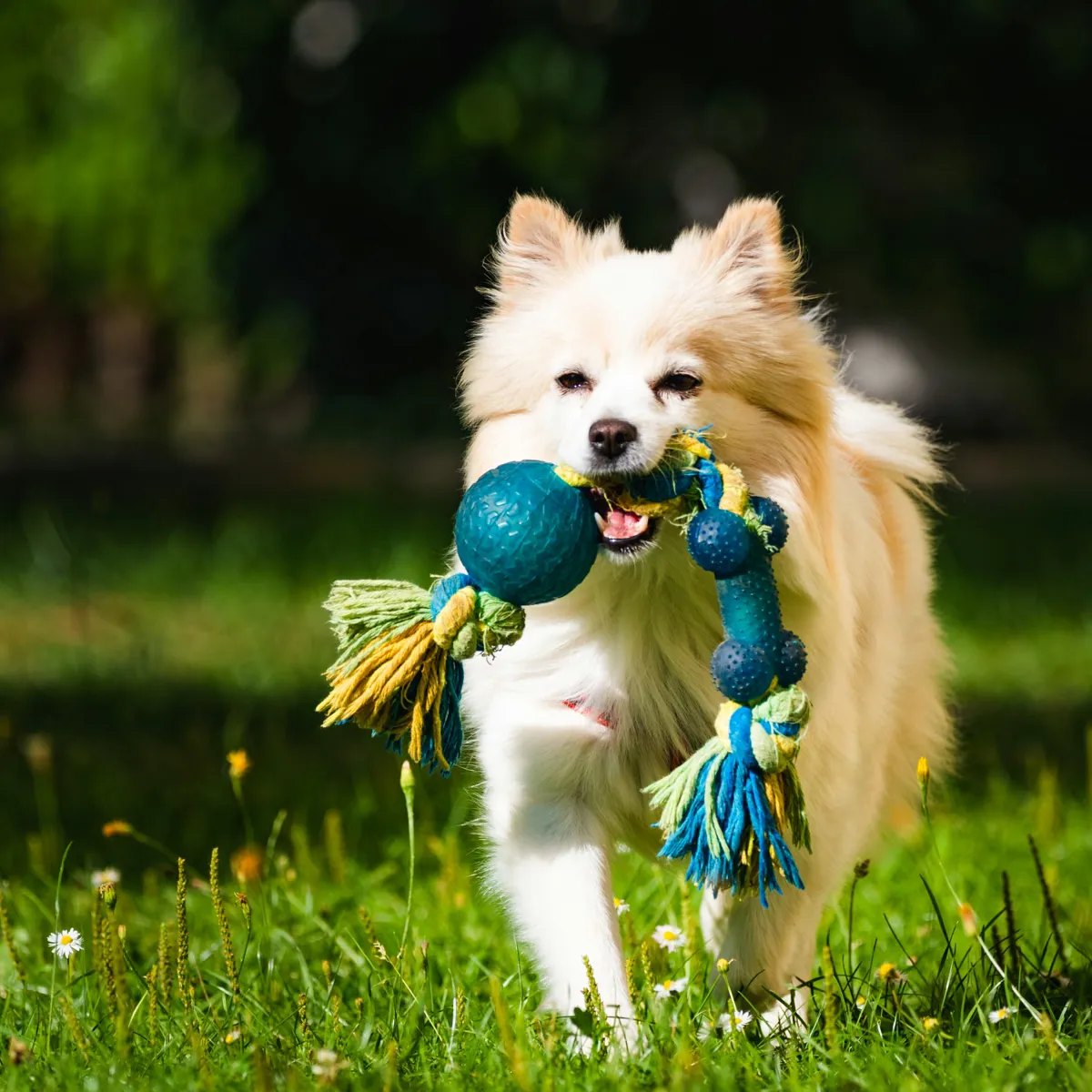
Why Do Dogs Whine While Carrying Toys?
When a dog has a favorite toy, he usually does one of two things: he either takes it to a comfortable spot to chew on it, or he paces around with it in his mouth, whining continuously. If your dog does the latter, there are several possible reasons for this behavior, but it's definitely not just because he wants a different toy.
Since dogs can't speak, we can only make educated guesses. The dog's age, sex, and breed might be important factors to consider when examining specific behaviors. Here are six possible reasons why a dog might carry a toy and whine.
6 Reasons Dogs Cry With a Toy in Their Mouth
- False Pregnancy
- Perception of the Toy as High-Value
- Instinct to Bury
- Desire to Play
- Sign of Excitement
- Self-Soothing Mechanism
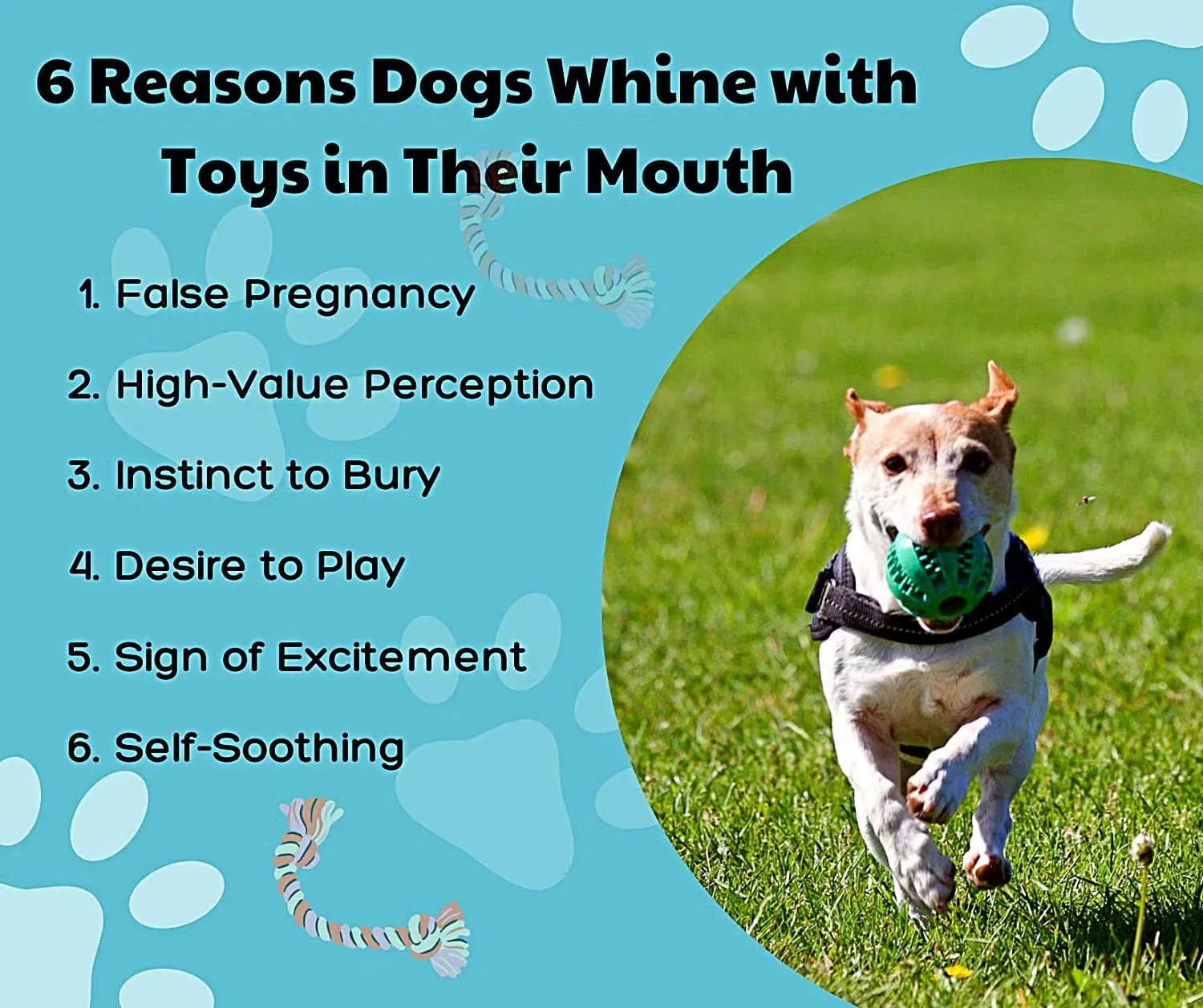
Six reasons female dogs (or male dogs) whine with toys in their mouths: False pregnancy, perception of toy being high-value, instinct to bury, desire to play, sign of excitement, and self-soothing.
1. False Pregnancy
If an unspayed, intact female dog exhibits this behavior, it might be an early sign of a false pregnancy, which occurs after a heat cycle without mating or fertilization of eggs. A female experiencing a false pregnancy may show mothering behaviors, such as carrying toys around as if they were her puppies.
She might become emotionally attached to her toys and whine while carrying them, searching for a nesting spot. However, males, spayed females, and females not going through a false pregnancy can also carry toys and whine, but for different reasons.
2. Perception of the Toy as High-Value
Some dogs, when given high-value items like bones or certain toys, will whine and walk around for a while. Eventually, they calm down and decide to chew or play with the item.
Certain breeds, especially those bred to hunt rodents like Yorkies and Rat Terriers, see squeaky toys as high-value items. Labs and Goldens, bred to retrieve waterfowl, may get excited by a squeaky toy because the sound mimics a downed bird.
3. Instinct to Bury
If your dog doesn't usually hide things in the yard or under couch pillows, he might instinctively know he should do something with his treasured toy but doesn't know what—especially if he's never seen another dog bury treasures.
So your dog might carry the toy around whining, but since there's no ground to bury it in, he'll whine in frustration, unsure of what to do.
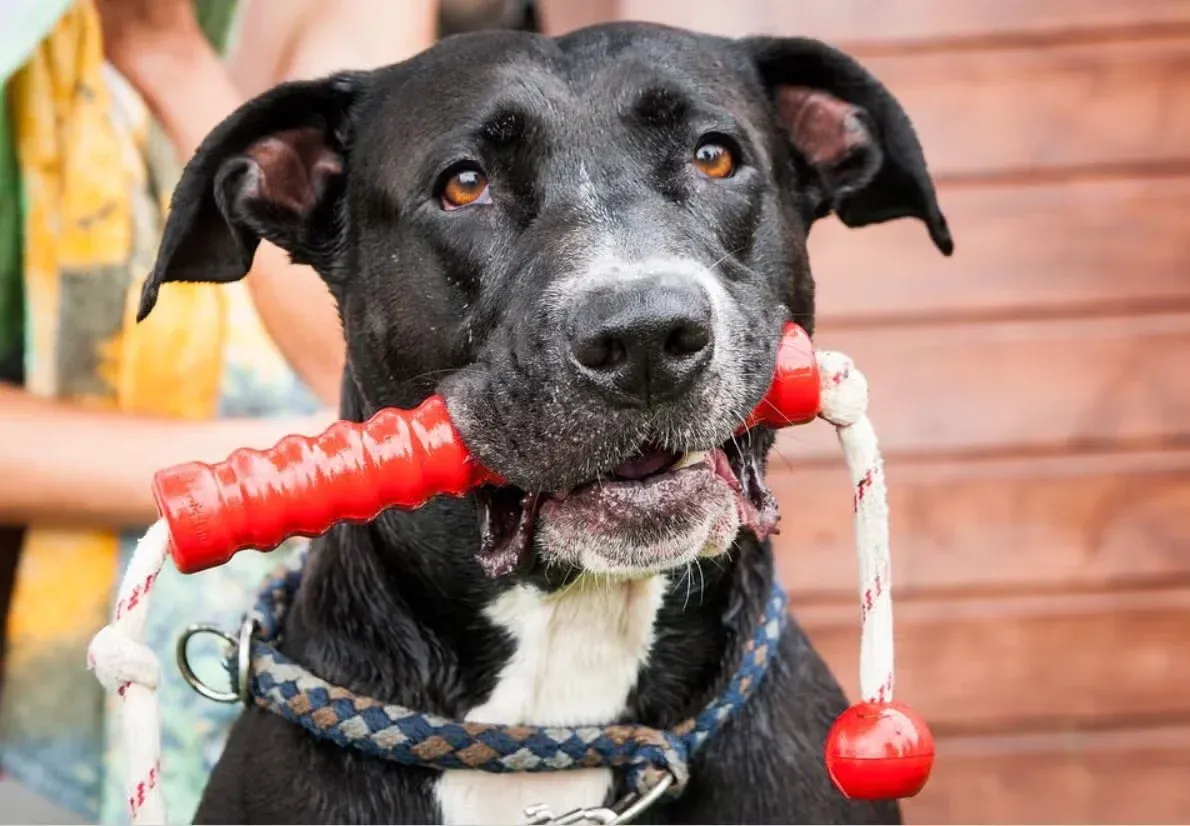
If your dog is whining with a toy in her mouth, try playing with her for 30–40 minutes. If she’s still whining afterwards, go down the list to see which symptom fits.
4. Desire to Play
The dog might want the owner to play with the toy and whining is his way of asking. For example, if you've taught your dog to play fetch, he might come with the toy in his mouth, requesting a game.
If you don't pay attention, he might whine. If the whining gets your attention and you throw the ball, the whining is reinforced and will likely happen every time the dog wants to play. However, this is different from carrying a toy around aimlessly.
5. Sign of Excitement
Some dogs seem so excited about a new toy that they don't know how to express themselves, leading to whining. The whining may stop once your dog has vented enough and calmed down.
6. Self-Soothing Mechanism
Is your dog carrying a toy in her mouth and whining when greeting you at home? This behavior might come from a dog's instinctive need to keep her mouth busy and self-soothe as her arousal levels rise—similar to how babies use pacifiers. This explains why many dogs grab a toy when excited to see you or guests.
In fact, dogs that tend to jump, nip, and act overly excited when people come over can be taught an alternative behavior, like walking around carrying a toy. Giving your dog a ball or another toy to hold during anxious or exciting times may lead these dogs to learn to get the toy themselves as a self-control aid.
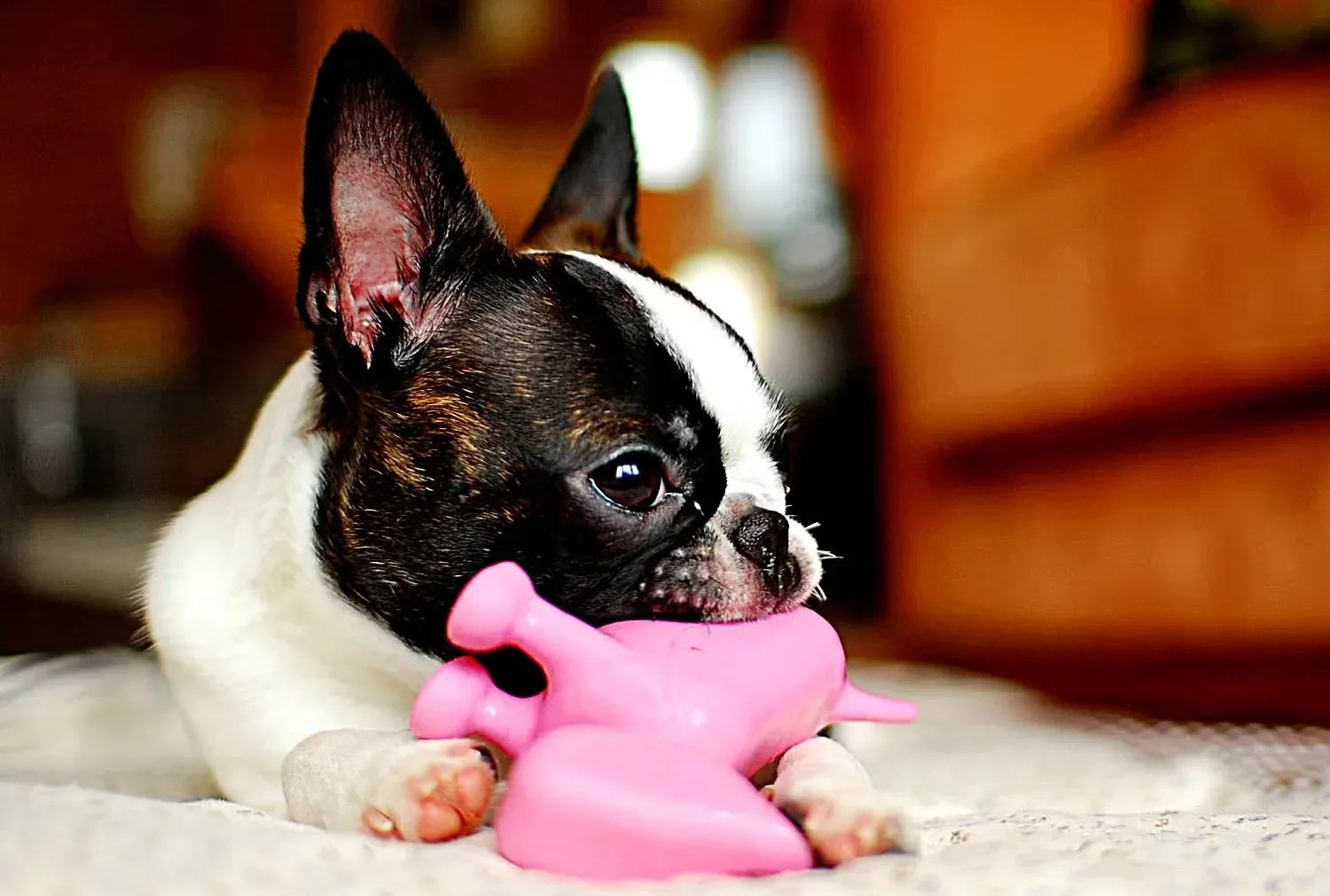
It’s possible your pup is self-soothing. Toys keep dogs’ mouths busy as their arousal levels increase, like a pacifier does with babies.
Sendai Blog, CC 2.0, via Wikimedia Commons/Photoscape
How to Reduce the Whining
As long as your dog doesn't become overly protective of the toy, whining is a fairly harmless behavior. However, it can become annoying, especially if your dog realizes it gets your attention.
If it bothers you, try investing in more interactive toys, such as Kongs. You can fill Kongs with treats, encouraging the dog to actively work on getting the contents out. This leads the dog to lie down and focus on the toy rather than carrying it around aimlessly. A win-win situation for everyone!
What About Dogs Whining When Carrying a Bone?
Dogs may whine when carrying a bone because they're happy and can't contain their excitement, are looking for a place to bury it, or are frustrated because they can't find a quiet spot to enjoy it.
Similar to dogs that whine when carrying a toy, you might find it helpful to skip the bone and offer chews or treats that can be eaten quickly instead.
Questions & Answers
Question: My dog keeps carrying a toy and whining, is she pregnant?
Answer: Not necessarily. Many dogs that do this are spayed females and males. Also, intact (not spayed) dogs carrying a toy and whining can show signs of false pregnancy. Distinguishing false pregnancy from real pregnancy in dogs can be tricky. To know if your dog is pregnant, your best bet is to have your dog see a vet.
Question: Why does my dog cry after he eats?
Answer: This warrants investigation by a vet to rule out medical problems. If the whining happens right after eating, there may be chances the dog may have painful swallowing or some type of issue in the esophagus (ulcer, structure, etc.). It may be helpful to record the behavior and then show it to a vet so the vet can see how long after eating it happens and whether your dog shows signs of pain after swallowing. Of course, this can also be just a behavior quirk, but it's always worthy ruling out medical issues.