Jack Russell Terriers: 7 Problem Behaviors and How to Address Them
Elliot Watson

Jack Russell Terrier Behavioral Problems
Anyone who shares life with a Jack Russell Terrier (JRT) knows these small dogs can bring challenges. Yet do JRT behavior issues have to be accepted as unchangeable? Many of these problems actually respond well to straightforward solutions. Below are some of the most frustrating Jack Russell habits and ways to address them.
- Barking
- Jumping
- Destructive Behavior
- Aggressive Behavior
- Biting
- Running Away
- Hyperactivity
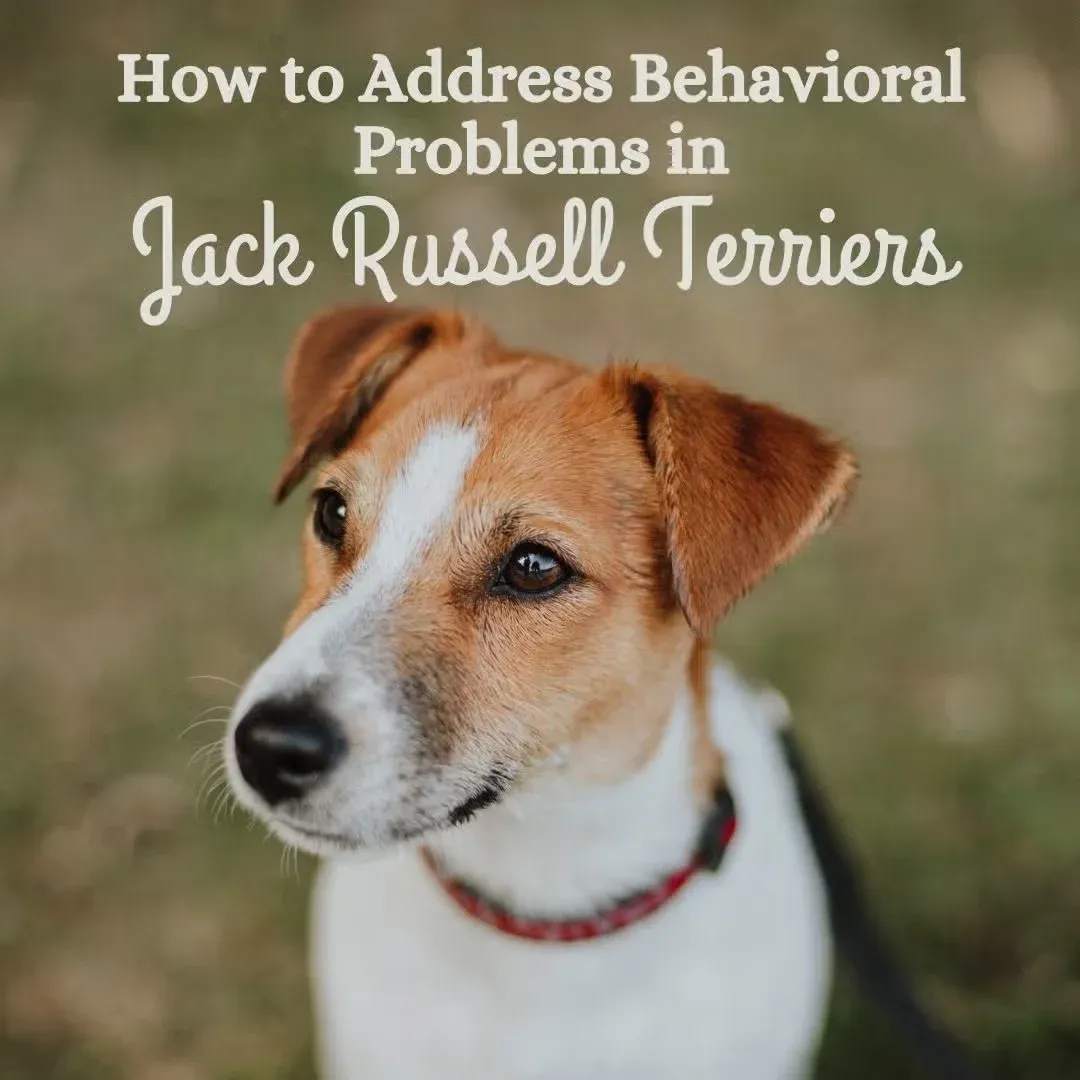
How to fix 7 common Jack Russell Terrier behavioral issues.
Juli Kosolapova via Unsplash.com
1. Barking
For a dog, barking is entirely natural, and Jack Russells often make more noise than many other breeds. However, there are moments when barking is simply not suitable, so for your own comfort and that of your neighbors, it is important to bring it under control.
Begin by figuring out why the dog is barking. For Jack Russells, the two main reasons are boredom and anxiety:
- Boredom is easy to address by providing a range of chews to keep your dog occupied. Consider hollow nylon chews that you can stuff with peanut butter, which makes an excellent treat.
- Anxiety is more challenging. If something in the surroundings frightens your dog—such as a neighbor's dog—you can block the view using curtains or fencing. When the anxiety stems from being separated from you, the right approach is to slowly accustom your dog to being alone. Start with very brief absences, then return with a reward. Gradually extend the time you leave the dog alone.
2. Jumping
Jumping can be genuinely frightening for many people, even when the dog is as small as a Jack Russell. It is also simply irritating. Jumping up typically comes from overexcitement. The fix is to ensure the dog receives enough excitement during the day through games and exercise, so it does not release all its stored energy on unsuspecting visitors.
Begin taking more walks, play games that tire your dog such as fetch, and teach the dog to sit on command.

Archie here is a Jack Russell/Chihuahua mix (Jackhuahua), but the Jack side is dominant. If he doesn’t get two walks and two play sessions per day, he’s destructive and hyperactive.
3. Destructive Behavior
This habit, much like barking, usually stems from boredom or separation anxiety. If you leave a puppy alone in your bedroom all day, you should not be shocked to return to a pair of chewed-up shoes. For a young dog, use a puppy pen when you must leave it alone. For older dogs, this is often a bad habit established in puppyhood that was never trained away.
Beginning a formal training routine with a disobedient dog will help establish boundaries. Also, address your dog's boredom—increase games and physical activity, and offer new treats and toys. Variety of toys and mental stimulation matter for an intelligent breed like the Jack Russell.
4. Aggressive Behavior
Aggression can be a genuine issue with Jack Russells, whether it is directed at certain people, strangers, other dogs, or over food and toys. It is often a sign of insufficient socialization and is common among some rescue dogs. However, a sudden shift toward aggression in a normally friendly dog can also indicate injury or illness.
If the aggression appeared suddenly, contact your vet. If it is a persistent problem, try slowly introducing the dog to environments and situations where it may act aggressively, offering treats and rewards to build a positive association.
5. Biting
Biting is especially an issue in puppies, but it can also affect older dogs. To stop play-biting, simply hold the puppy's mouth shut for a few seconds, say "No" firmly, and then place a chewy treat or toy in its mouth.
This teaches the dog what it should be chewing on instead of human skin. If you have an adult dog with biting problems, this is a serious matter that will likely need the skills of a professional trainer.
6. Running Away
Jack Russells are natural hunters and were bred to dig—so dig they will, even if it means digging under your fence. The tendency of dogs to roam is generally driven by natural urges to find a mate. This tendency can be greatly reduced by neutering and spaying.
There are many other health benefits to neutering your dog as well. In addition, you should escape-proof your house and backyard, using chicken wire where necessary to prevent your dog from digging under fences.
7. Hyperactivity
Jack Russells are naturally quite hyper, but many are excessively hyper because their owners do not help them release their energy. If your dog is excessively hyper, it very likely needs more exercise.
Add an extra walk to your routine, make walks longer and more challenging, teach your dog to swim, and start playing lots of games. Perhaps invest in a tennis ball launcher to help you throw a ball farther during fetch. This is about the only way your Jack Russell will get tired before you do.
This article is accurate and true to the best of the author's knowledge. It is not meant to substitute for diagnosis, prognosis, treatment, prescription, or formal and individualized advice from a veterinary medical professional. Animals exhibiting signs and symptoms of distress should be seen by a veterinarian immediately.