Standard Schnauzer: A Complete Look at This Spirited and Devoted Breed
Dakota Reed
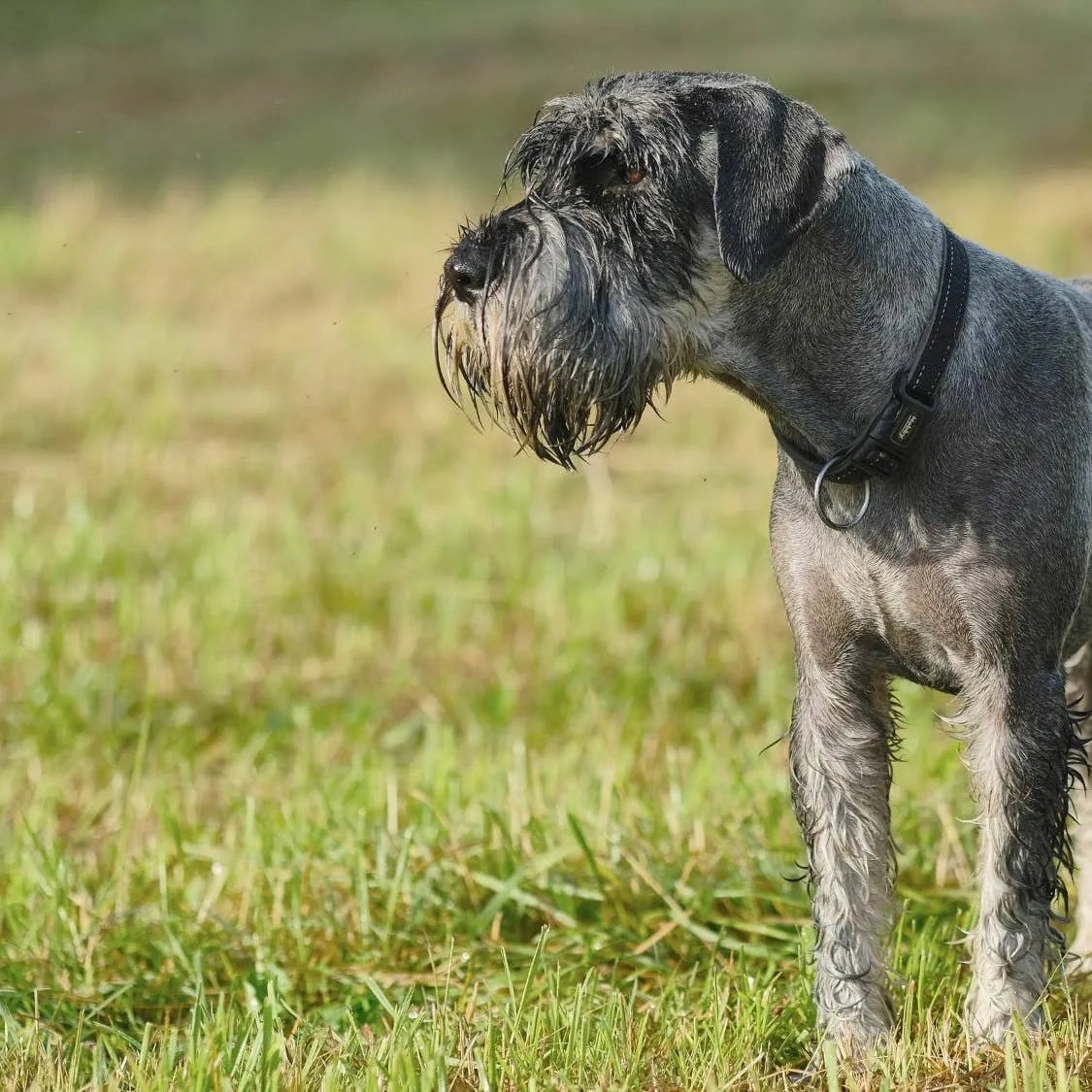
Getting to Know the Standard Schnauzer
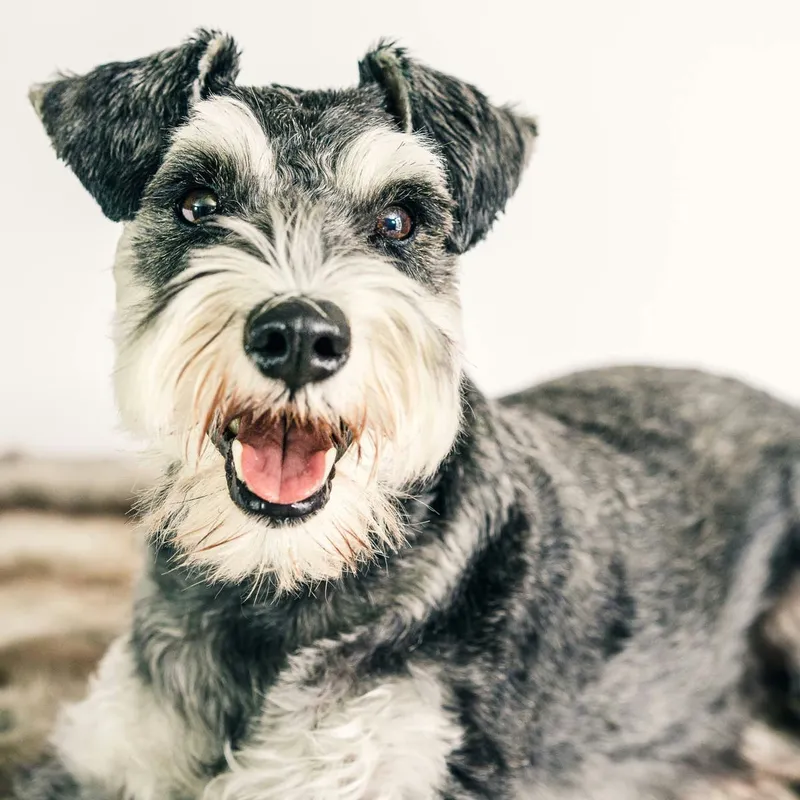
With its trademark beard and bristly eyebrows, the Standard Schnauzer is a breed celebrated for its natural appeal, sharp intellect, and unwavering loyalty. These dogs are also valued for their adaptability, lively temperament, and deep attachment to their families, which makes them a strong fit for many different households. Owners often describe the Standard Schnauzer's abundant energy and quick mind as assets that turn the dog into a great playmate and workout buddy, supporting an active life for both pet and person.
That said, Standard Schnauzers do need proper training and socialization. These bright dogs do best with clear structure and direction, which helps them develop into polite and socially comfortable pets. When adequate training is missing, their spirited nature can become difficult to handle.
Below, we'll cover the breed's origins, characteristics, and care requirements, followed by answers to some frequently asked questions. Ready to learn more? Let's begin.
What's Covered
- History and Traits of the Standard Schnauzer
- Caring for a Standard Schnauzer
- Training and Socialization
- Closing Thoughts
- FAQ
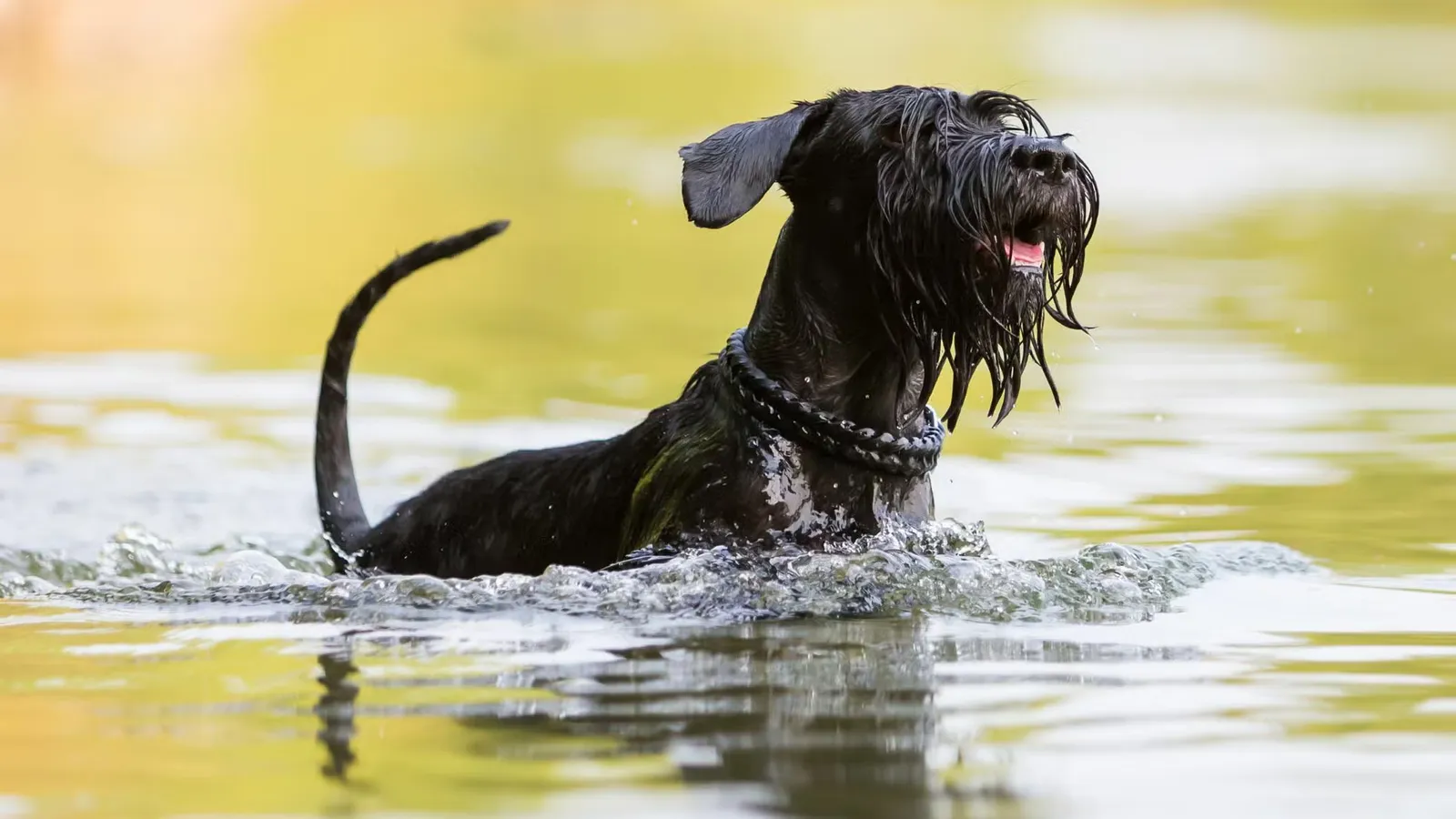
Like many breeds, the Standard Schnauzer has a distinctive history, physical makeup, and personality.
History and Traits of the Standard Schnauzer
The Standard Schnauzer stands out as one of the world's more unusual dog breeds, both in looks and temperament. This section looks at the breed's beginnings, physical features, and disposition, and it also explains how the Standard differs from the other Schnauzer varieties.
Where the Standard Schnauzer Comes From
The Standard Schnauzer was first developed in Germany, and its history stretches back to the Middle Ages. Originally, this versatile breed was used for ratting, herding various kinds of livestock, and guarding property.
Over the centuries, selective breeding further refined the breed's defining traits, including a wiry double coat and the familiar beard. Because of their intelligence and adaptability, these dogs soon became popular as working dogs in Europe. They also served at times as military and police dogs.
The Breed Today
While the Standard Schnauzer still excels in a range of roles today, the breed is now primarily treasured as a loving and loyal family companion. According to the American Kennel Club (AKC), the breed currently ranks 94th among the most popular dog breeds.
Did You Know?
Very little is actually known about the dog's earliest origins. However, the name "Schnauzer" is thought to derive from the German word "schnauze," meaning "muzzle" or "snout." Experts believe this refers to the breed's distinctive facial hair.
Physical Characteristics
With the breed's origins covered, we can turn to its most common physical features. As described below, the Standard Schnauzer is well proportioned and unusual among canines. Here is an overview of the current AKC standards for the breed:
- Size: The Standard Schnauzer is a medium-sized breed. Males typically stand 18 to 20 inches (45 to 51 cm) at the shoulder, while females are slightly smaller at about 17 to 19 inches (43 to 48 cm). The breed is known for a square-shaped body, straight back, and well-muscled chest. Its legs are straight and sturdy, supporting an agile and active nature.
- Coat: The breed has a dense, harsh double coat. The outer coat consists of wiry, straight hairs, while the undercoat is soft and dense. Coat color is usually solid black, salt and pepper (a mix of black and gray), or black and silver.
- Beard and Eyebrows: Among the breed's most distinctive features are its beard and bushy eyebrows. These facial hairs give the dog an elegant, dignified look.
- Ears: The ears are medium-sized and set high on the skull. When cropped, they generally stand erect, giving an alert appearance. However, ear cropping is a controversial practice that is becoming less common in many countries.
- Tail: The tail is typically docked in countries where the practice is still permitted. When undocked, the tail is carried erect and may be slightly curved.
- Eyes and Nose: The eyes are oval-shaped and dark brown, while the nose is usually solid black.
Personality
Standard Schnauzers are known for a spirited and alert personality. They are intelligent, confident, and lively dogs with a strong sense of loyalty and devotion to their families. They also have a protective streak, which makes them excellent watchdogs.
Most of these dogs are quite playful and enjoy interactive activities with their owners. It's important to note, though, that they also need mental stimulation to prevent boredom. While they can be independent at times, they thrive on human companionship and require socialization and training from an early age so they grow into well-behaved pets. With proper guidance, they make affectionate, energetic, and highly devoted companions.
How the Standard Compares with Other Schnauzers
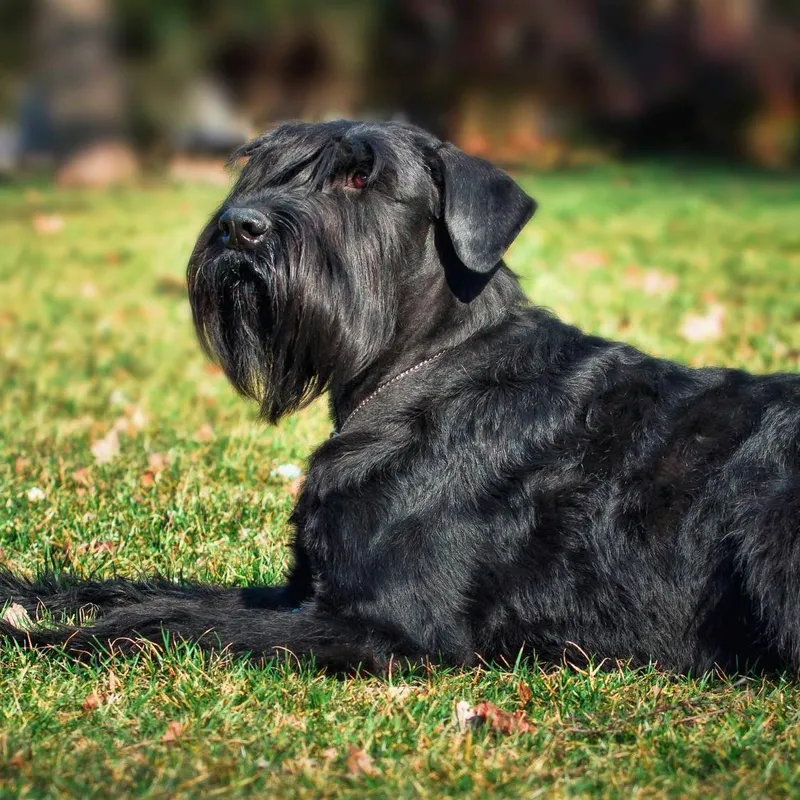
There are currently three Schnauzer varieties. The medium-sized Standard Schnauzer sits between the smaller Miniature Schnauzer and the larger Giant Schnauzer. Standards are known for a spirited and adaptable temperament, which makes them excellent family companions.
By contrast, Miniature Schnauzers are smaller in stature and share the same spirited demeanor, while Giant Schnauzers are larger and tend to be more reserved and protective.
All Schnauzer varieties have a wiry double coat and distinctive facial hair. However, the Standard Schnauzer, historically used for tasks such as rat-catching and herding, offers a versatile blend of size and temperament that suits it well both as a working dog and as an affectionate household pet.
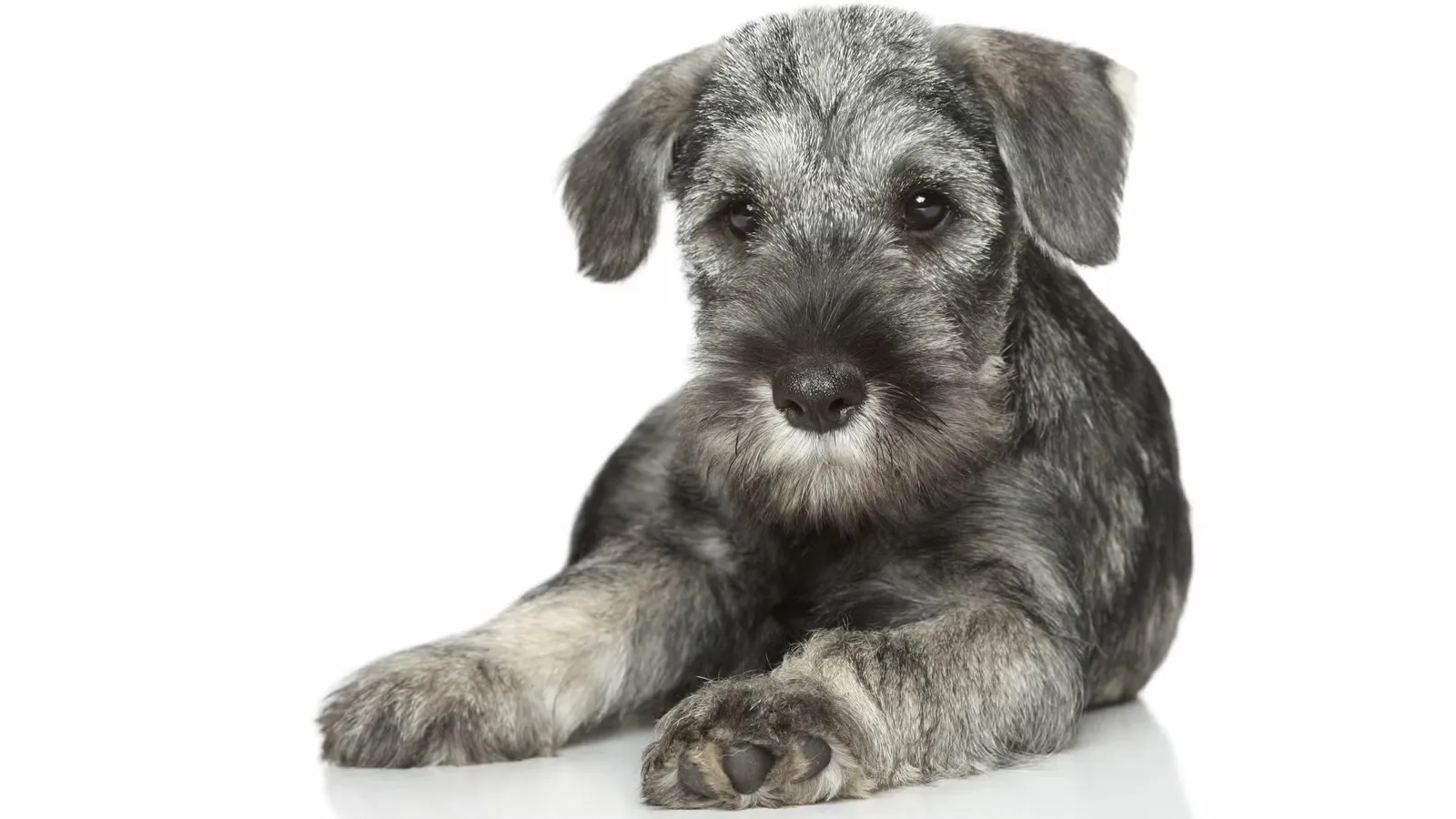
From puppyhood through adulthood, the Standard Schnauzer needs a loving and attentive owner. Here are some basic care tips.
Caring for a Standard Schnauzer
Given its size, temperament, and energy level, the Standard Schnauzer is quite unique among canines. These dogs also require a great deal of love and attention from their owners. This section provides a brief overview of the breed's exercise and dietary needs, grooming requirements, and common health concerns.
Exercise and Diet
Standard Schnauzers are energetic dogs with moderate exercise needs. They benefit from daily walks, playtime, and mental stimulation such as puzzle toys or obedience training. Regular exercise helps maintain their health and prevents boredom-related behaviors. On average, most experts agree that this breed should receive about one hour of exercise daily to live a happy and healthy life.
For diet, it's crucial to provide a high-quality, well-balanced dog food appropriate for the dog's age and activity level. Proper portion control is essential to prevent overeating, as these dogs can be prone to weight gain and obesity. Consulting a veterinarian for dietary recommendations is advisable, since individual nutritional requirements may vary. Also ensure that your pet always has access to fresh water to stay well hydrated.
Grooming and Maintenance
Because of their coat and beard, Standard Schnauzers require regular care to maintain their distinctive appearance. Here are some basic grooming tips to help keep your dog looking and feeling their best:
- Coat Care: The breed's wiry double coat needs brushing at least once a week to prevent matting and remove loose hair. Hand-stripping—plucking dead hair—helps maintain the wiry texture.
- Beard and Eyebrows: Wiping the beard and eyebrows daily is essential to keep them clean and free from food debris and staining. This is a particular issue with this breed, as the longer hair tends to collect food and various particles over time.
- Trimming: Because of the unique coat and facial hair, regular professional grooming is recommended for precise coat shaping, which also helps maintain the overall look. Many owners choose professional groomers skilled in Schnauzer cuts.
- Ear Cleaning: As with all dog breeds, owners should clean their Schnauzer's ears regularly to remove dirt, debris, and excessive earwax. This is essential for preventing sores and infections of the ear canal.
- Nail Trimming: Owners should generally keep their dog's nails trimmed to a comfortable length. This can be done at home with a dog-specific trimmer or grinder. For those uncomfortable with the procedure, veterinarians and professional groomers offer nail trimming for a nominal fee.
- Dental Health: Owners should plan to brush their dog's teeth regularly to maintain oral health. Failure to do so can result in cavities, gum disease, bad breath, and painful infections.
By following these grooming tips and maintaining a consistent routine, you can keep your Standard Schnauzer looking and feeling their best.
Did You Know?
Breeders intentionally developed the Standard Schnauzer's beard as a defense mechanism. The longer hairs were designed to protect the dog from being bitten by rats and other vermin.
Common Health Concerns and Prevention
Although the Standard Schnauzer is a relatively healthy breed, it is prone to several health problems over its lifetime. Some of these are serious and potentially life-threatening in some instances. This section discusses some of the more common medical issues associated with the breed:
- Hip Dysplasia: This is a genetic condition affecting the dog's hip joints. Over time, it can lead to arthritis and mobility problems, limiting the ability to walk, run, or play. Regular exercise and weight maintenance can help prevent this joint condition.
- Eye Issues: The breed is prone to several eye issues, including progressive retinal atrophy (PRA), cataracts, and retinal dysplasia. Regular eye exams can fortunately catch retinal problems early, which is essential for treatment.
- Skin Allergies: Schnauzers are unfortunately prone to developing sebaceous adenitis and follicular dermatitis in their lifetime. Proper grooming and a well-balanced diet can minimize skin irritations and allergies.
- Bloat: This is a potentially life-threatening condition in which the stomach fills with gas and twists, constricting blood flow to nearby organs. Without treatment, it can be fatal in as little as one hour. Feeding multiple small meals and avoiding vigorous exercise after meals can reduce the risk.
- Pancreatitis: This refers to inflammation of the pancreas, often triggered by dietary factors. Over time, it can lead to digestive issues and discomfort. A low-fat diet and avoidance of fatty foods can help prevent this condition.
Regular veterinary check-ups, a balanced diet, and maintaining an active, healthy lifestyle are key to ensuring the well-being of your Standard Schnauzer.
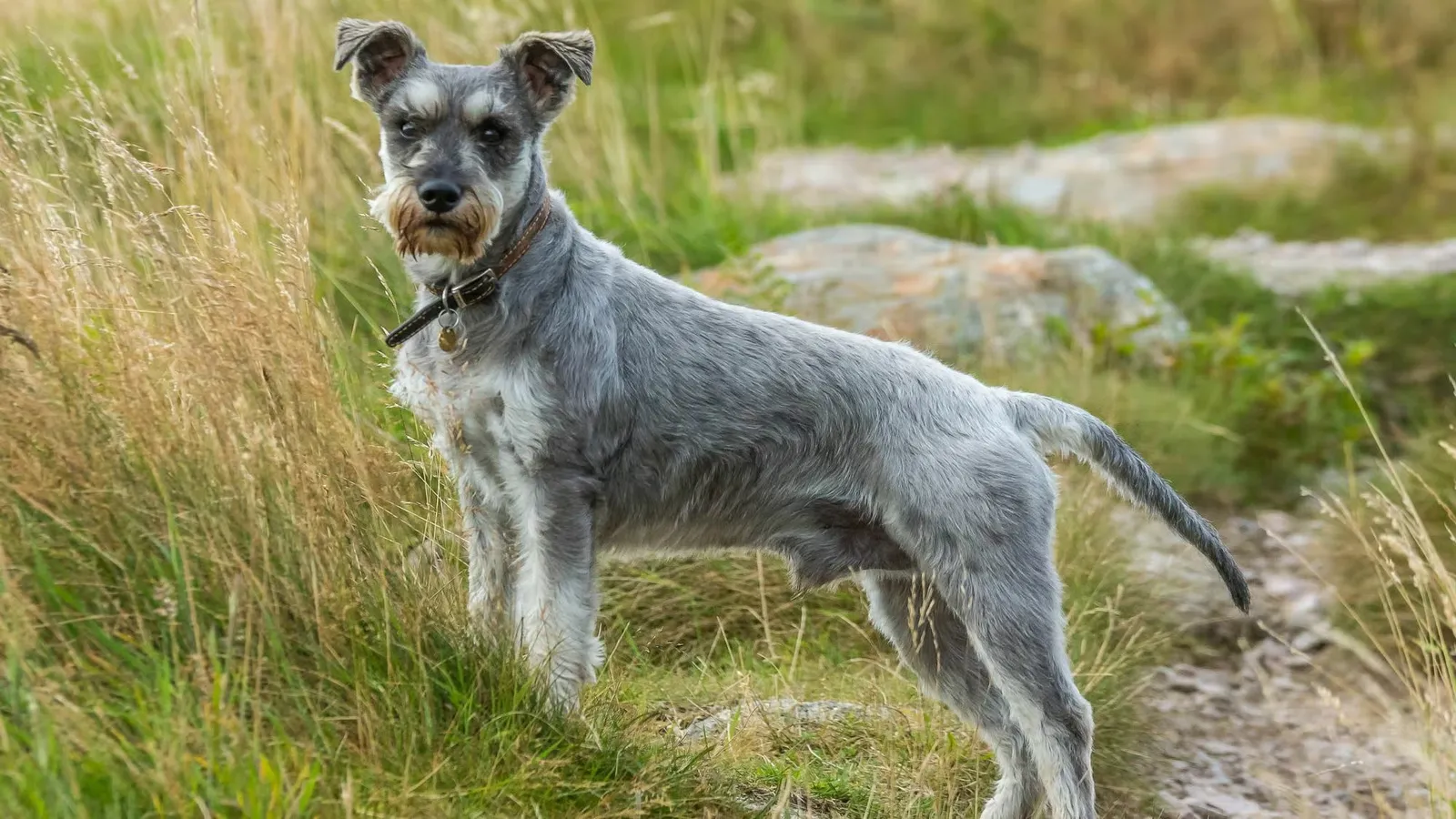
Because of their stubborn personality, early socialization and obedience training are essential for this breed.
Training and Socialization
Beyond physical traits, temperament, and health concerns, many owners want to know how to train and socialize their Standard Schnauzer. This section offers practical training tips, explains why early socialization matters, and provides specific advice for managing behavioral issues.
Why Early Training and Socialization Matter
Early training and socialization are vital for Standard Schnauzers because of their intelligence and spirited nature. Proper training establishes boundaries, encourages good behavior, and fosters a strong bond between dog and owner.
Socialization exposes your pet to various people, sounds, animals, and environments, helping prevent fearfulness and aggression. Without early socialization, a Schnauzer may become reserved or wary of new situations.
For best results, training and socialization should begin during the puppy stage and continue throughout the dog's life. This helps ensure they grow into well-adjusted, well-behaved companions. With the proper foundation, Standard Schnauzers can thrive as loving and obedient family pets.
Training Techniques That Work
Effective training for Standard Schnauzers relies on positive reinforcement, where rewards such as treats, praise, or one-on-one playtime encourage desired behaviors. As with most dogs, consistency is key: establish clear rules and commands, and make sure everyone in the household follows the same training routine to avoid confusion.
As noted earlier, early socialization is also crucial because it introduces your pet to a wide array of people, animals, and environments, fostering greater confidence. Patience and gentle correction are essential as well, since these intelligent dogs respond well to a firm yet positive approach. If training difficulties arise, obedience classes or professional trainers can be extremely beneficial.
Addressing Behavioral Issues
Common behavioral issues in Standard Schnauzers may include excessive barking, stubbornness, and territorial behavior. To address these problems, start with consistent training using positive reinforcement techniques. Socialize your Schnauzer early to reduce aggression or fear-based behaviors, and provide mental stimulation through puzzles and interactive toys to combat boredom.
Regular exercise is also essential to expend their energy. If behavioral problems persist, however, it may be time to consult a professional dog trainer or behaviorist for personalized guidance. In most cases, though, establishing a structured routine and offering plenty of love and attention will go a long way in addressing and preventing behavioral issues in Standard Schnauzers.
Closing Thoughts
In summary, the Standard Schnauzer—with its unique appearance and spirited personality—is an exceptional breed and a cherished companion. Its medium size, intelligence, and loyalty make it highly adaptable to various living situations, which makes it an excellent choice for elderly individuals, single adults, or family environments.
As we've seen, Standard Schnauzers thrive on the love and attention of their owners. They require consistent grooming, exercise, and a balanced diet to stay happy and healthy. In return for your kindness, they offer unwavering loyalty, playfulness, and a protective spirit that enriches the lives of those fortunate enough to share their homes. With responsible ownership, this remarkable breed can bring joy and companionship for years to come.
FAQ
What is the average lifespan of a Standard Schnauzer?
On average, most Standard Schnauzers live approximately 12–15 years. With proper care, however, some dogs may exceed this lifespan.
Are Standard Schnauzers good with children?
Yes. With proper socialization and training, the Standard Schnauzer makes an excellent family pet, as they often get along well with children. Like all dogs, though, parents should actively supervise their kids during playtime and one-on-one interactions to help ensure proper behaviors are followed.
How much exercise do Standard Schnauzers need?
The Standard Schnauzer is characterized as a highly energetic breed. For these reasons, they generally require an hour of exercise per day, sometimes more. This can include walks, running, and one-on-one playtime.
Do Standard Schnauzers shed?
Yes. Due to their longer coat, Standard Schnauzers shed from time to time. Fortunately, most of the shedding is minimal and can be managed with regular brushing.
Are Standard Schnauzers prone to any health issues?
Unfortunately, this breed is prone to several health conditions. Some of the most common issues include hip dysplasia, cataracts, skin allergies, pancreatitis, and bloat. This is why regular vet check-ups and preventive care are essential for your pet.
This article is accurate and true to the best of the author's knowledge. It is not meant to substitute for diagnosis, prognosis, treatment, prescription, or formal and individualized advice from a veterinary medical professional. Animals exhibiting signs and symptoms of distress should be seen by a veterinarian immediately.