Get to Know the Basenji: A Complete Breed Profile
Jamie Walker
An Introduction to the Basenji
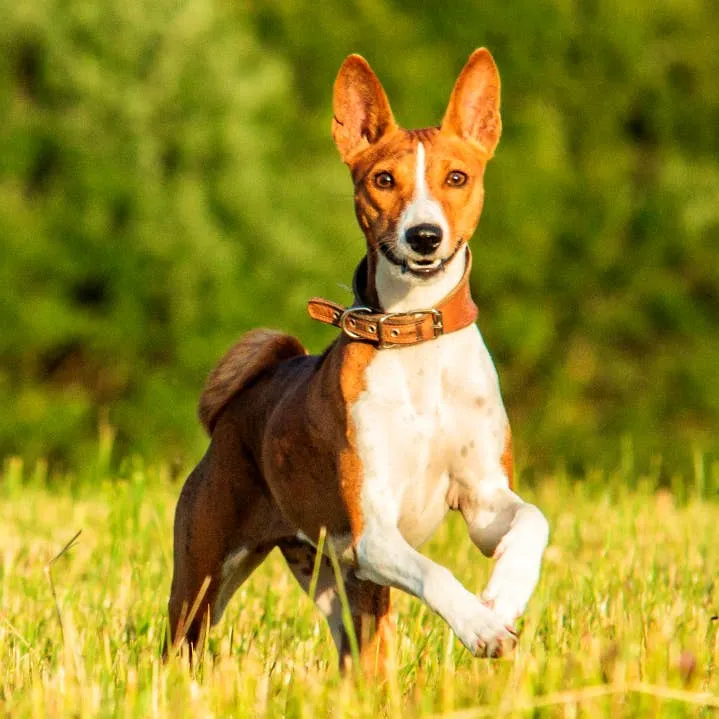
The Basenji stands out as a breed with deep roots and uncommon traits. Hailing from Africa, these dogs have a compact build, erect ears, and a watchful expression. What truly distinguishes them from most other breeds is their vocal repertoire: they yodel, howl, grumble, and groan, but they do not bark.
To train and care for a Basenji effectively, one must grasp its independent spirit, sharp intellect, and pronounced prey drive. These dogs need mental engagement and stimulating activities to stay content, and their varied sounds are a form of communication that calls for attentive interpretation.
Prospective owners who take the time to learn about the Basenji’s traits can fully appreciate the breed’s beauty and form lasting bonds with these remarkable animals.
Origins and History
With a lineage reaching back millennia to ancient Africa, the Basenji is a breed that blends age-old instincts with contemporary companionship in a compelling way.
African Beginnings
The Basenji’s past extends far back into Africa’s ancient history. The breed’s development is linked to the central regions of the continent. It is thought that Basenjis descend from dogs that lived alongside Egyptian pharaohs, and evidence of their presence dates back thousands of years.
In their native Africa, Basenjis were prized for their hunting skills and were vital companions to local tribes. Their agility, speed, and sharp senses allowed them to track and catch game in thick jungles and grasslands.
Arrival in the West
During the late 19th century, European and North American explorers and traders came across the breed on their African journeys. These travelers were struck by the Basenji’s unusual look and vocalizations, which differed from other dogs they had seen.
From Hunting to Homemaking
The breed’s hunting prowess and unique traits drew the interest of dog fanciers, and Basenjis were eventually exported from Africa to other parts of the world. This began their transition into companion animals outside their native land.
Over time, the Basenji’s primary role changed from hunter to family pet. Even so, their hunting instincts and skills remain deeply ingrained in the breed today.
Kennel Club Recognition
Recognition from kennel clubs helped cement the Basenji’s standing in the dog world. The breed has been acknowledged by various canine organizations, including the American Kennel Club (AKC) and the Kennel Club in the United Kingdom. This recognition honored the Basenji’s unique heritage and fueled its growing popularity as a distinctive and desirable breed.
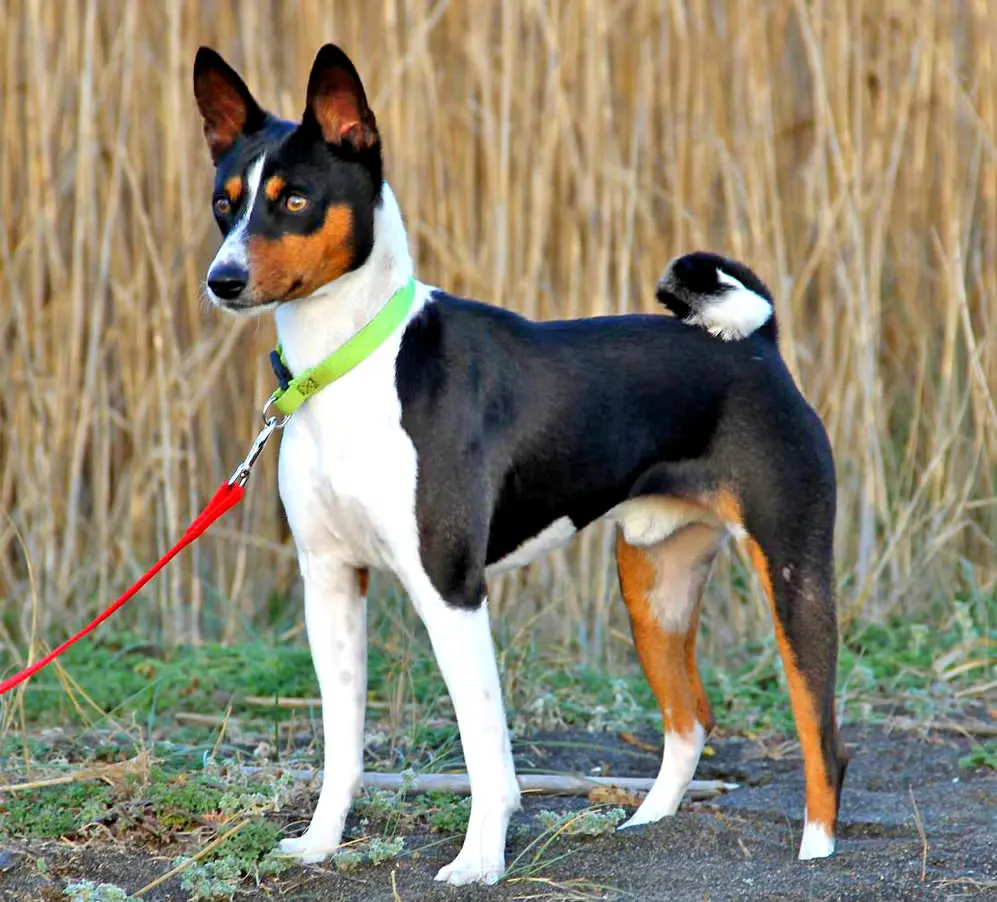
What color are Basenjis?
Photo by fugzu, CC BY 2.0, via Wikimedia Commons
Appearance and Physical Traits
Basenjis are small to medium-sized dogs with features that give them their unmistakable look and appeal.
Weight: Males usually weigh about 24 to 26 pounds (11 to 12 kg), while females are a bit smaller at roughly 22 to 24 pounds (10 to 11 kg).
Height: They typically stand 16 to 17 inches (40 to 43 cm) at the shoulder.
Coat and Coloration
Basenjis have short, fine coats that sit close to the body. The texture is smooth and soft. They shed only minimally, making coat care relatively low-effort.
Basenjis come in several colors, including red, black, tricolor (black, tan, and white), and brindle (striped). Their coats often feature white markings on the chest, feet, and tail tip.
Grooming Needs
Thanks to their short coat, Basenjis require little grooming. Brushing regularly with a soft bristle brush or grooming mitt removes loose hair and keeps the coat healthy. They do not need frequent baths unless they become especially dirty or odorous. Basic care such as dental hygiene, nail trimming, and ear cleaning should also be part of their routine.
Standout Features
A few physical traits make Basenjis easy to identify. One is their wrinkled forehead, which gives their expressive faces added character. These wrinkles often become more pronounced when the dog is alert or curious.
Another defining feature is the tightly curled tail set high on the back. This tail shape is a hallmark of the breed.
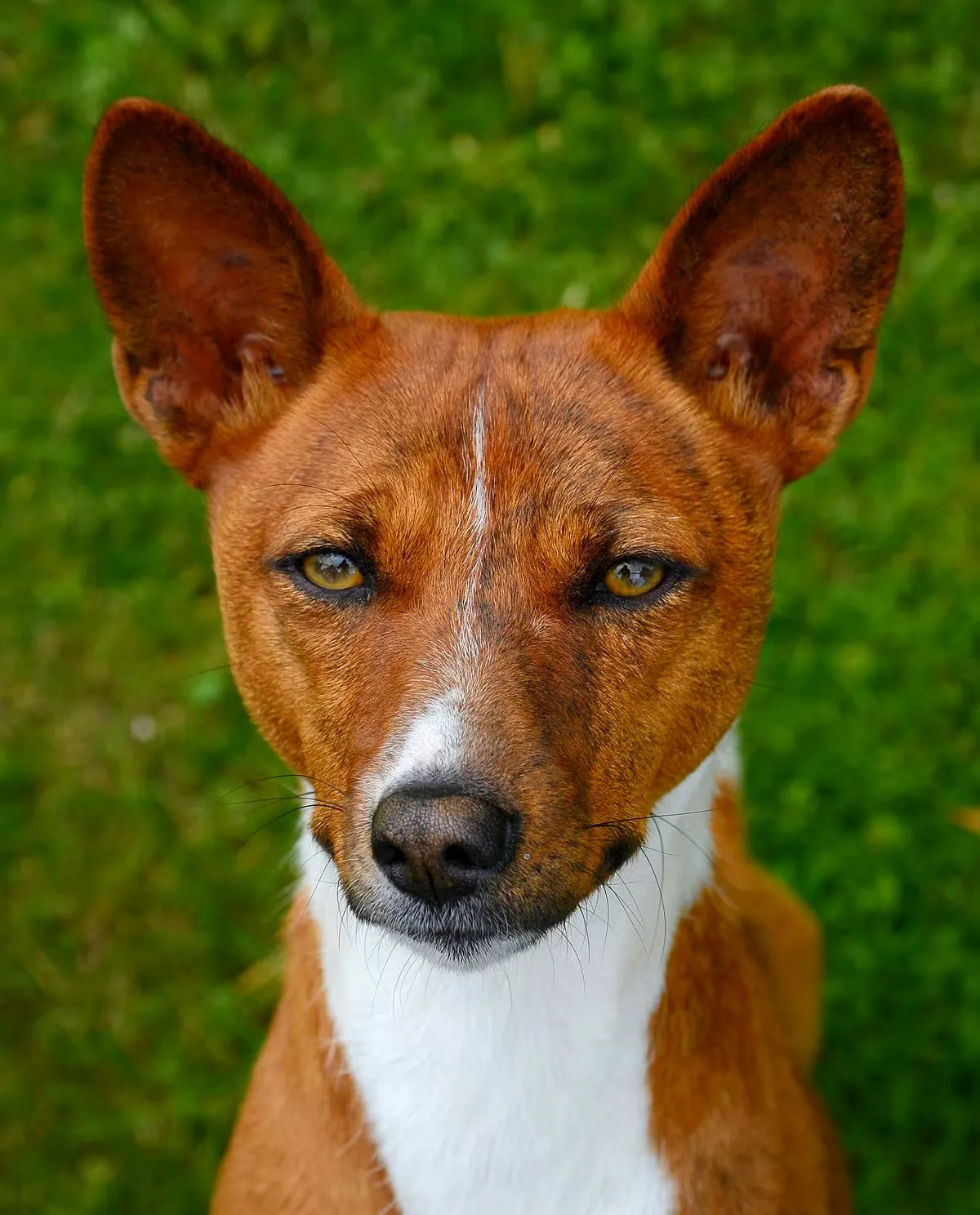
Are Basenjis standoffish with strangers?
Photo by Böhringer Friedrich, CC BY-SA 3.0 AT, via Wikimedia Commons
Temperament and Personality
Basenjis are spirited and alert by nature. They are curious, active, and constantly seeking new experiences. Despite their smaller size, they carry themselves with confidence and a strong sense of self.
Basenjis are highly intelligent. Their independent streak, however, can sometimes come across as stubbornness or aloofness. They learn quickly but may need patient, consistent training that respects their individuality.
Even with their independent nature, Basenjis can be affectionate and form deep bonds with their owners. They often show affection through physical contact, like leaning against their owners or cuddling, though they may not be as openly demonstrative as some other breeds.
Life with Family
Basenjis are typically devoted and loyal to their families. They enjoy taking part in household activities and do best when included and given attention. They can be protective of their family and may serve as good watchdogs, alerting owners to possible threats or intruders.
Basenjis are strongly loyal to their owners. Once a bond is formed, they tend to remain devoted and protective. Their independent nature may make them less clingy than some breeds.
Basenjis can get along well with children if properly socialized and introduced from a young age. They are generally tolerant and patient with kids. However, interactions between Basenjis and children should always be supervised to ensure mutual respect and to prevent rough play that could lead to accidents.
Getting Along with Other Animals
Basenjis can live with other animals when introduced and socialized properly. They may form strong bonds with other dogs and enjoy their company. Some Basenjis, though, may show dominant or territorial behavior toward unfamiliar dogs, so early socialization and careful introductions are important.
Because of their hunting heritage, Basenjis have a strong prey drive. They may instinctively chase smaller animals such as cats, rodents, or birds. Interactions between Basenjis and smaller pets should be supervised, and some individuals may not be suited to homes with small animals due to this high prey drive.
Understanding the Basenji’s temperament is key to creating a harmonious home and building a strong bond with these unique dogs. Proper training, socialization, and outlets for their energy and curiosity are essential for their well-being and happiness.
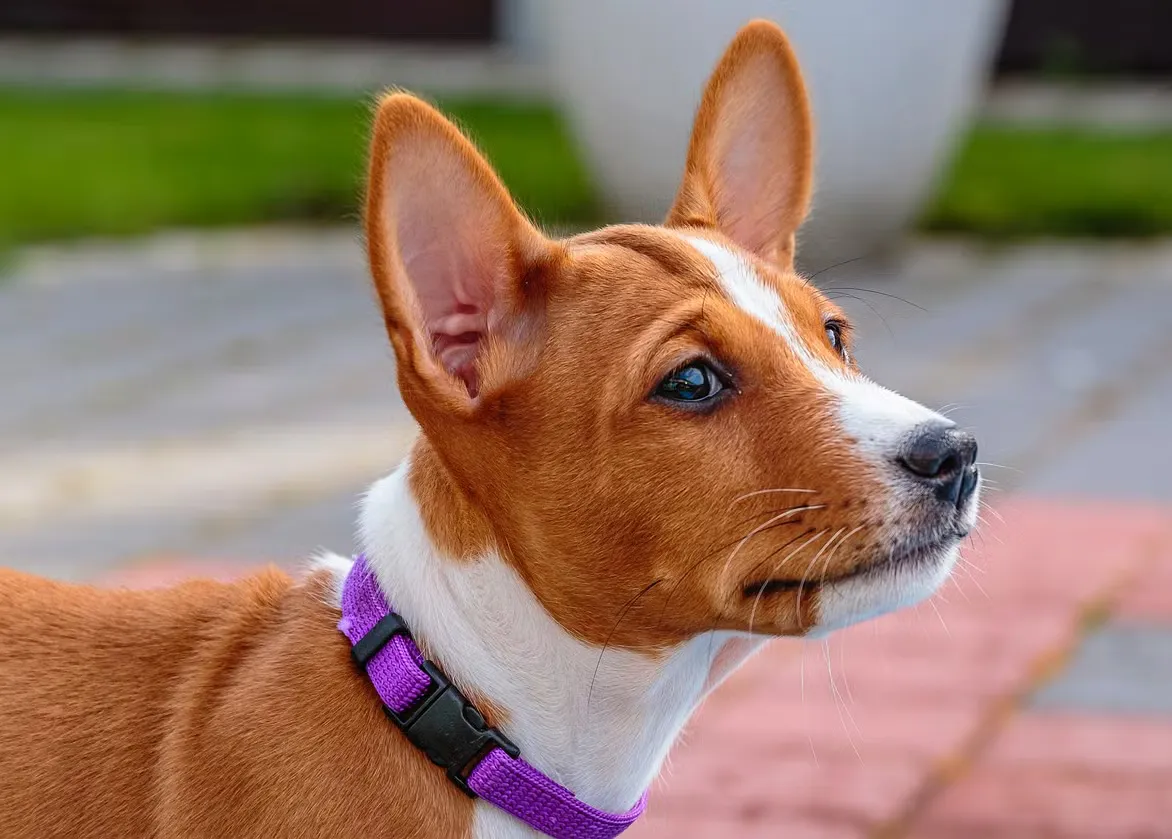
How long do Basenjis live?
Image by Aleksandr Tarlõkov from Pixabay
Health and Lifespan
Like all breeds, Basenjis are prone to certain health conditions. Awareness of these issues and appropriate preventive steps can help support a long, healthy life.
Common Health Concerns
Two health conditions that Basenjis are known to be susceptible to include:
- Fanconi Syndrome: A hereditary kidney disorder that impairs the kidneys’ ability to reabsorb essential nutrients. Early signs may include excessive thirst, frequent urination, and weight loss. Regular urine monitoring for glucose and other markers, along with a specific DNA test, can aid early detection and management.
- Progressive Retinal Atrophy (PRA): A group of inherited eye disorders that gradually cause vision loss and can eventually lead to blindness. Genetic testing is available to identify dogs carrying the PRA gene. Regular eye exams by a veterinary ophthalmologist can help detect and monitor the disease’s progression.
Preventive Care
To keep a Basenji in optimal health, prioritize these preventive measures:
- Regular Vet Check-ups: Routine veterinary visits are crucial for early detection of potential health issues. Regular exams, vaccinations, and parasite control should be part of your Basenji’s healthcare routine.
- Genetic Testing: Given the breed’s predisposition to certain hereditary conditions, genetic testing can provide valuable information about your Basenji’s health status. It helps identify carriers of specific genetic mutations and supports informed breeding decisions.
Average Lifespan
The average lifespan of a Basenji is typically between 12 and 14 years. With proper care, some Basenjis can live even longer. A balanced diet, regular exercise, mental stimulation, and a loving environment all contribute to their overall well-being and longevity.
Responsible breeding practices and regular veterinary care play significant roles in minimizing the risk of health issues. By being proactive and attentive to their healthcare needs, you can enhance their quality of life and enjoy a long, fulfilling companionship with your Basenji.
Is there a time commitment for owning a Basenji?
Image by Aleksandr Tarlõkov from Pixabay
Training and Exercise
Training and exercise are essential for the well-being and proper development of Basenjis. Here are some key points to consider:
The Importance of Early Training
Early training is crucial for Basenjis to establish good behavior patterns and develop a strong bond with their owners. Starting training and socialization from a young age helps them become well-rounded, adaptable adult dogs.
Socialization
Socializing Basenjis with various people, animals, and environments is important to ensure they grow up to be confident and well-behaved. Exposing them to different situations and positive experiences helps prevent fearfulness or aggression later in life.
Obedience
Teaching Basenjis basic obedience commands, such as sit, stay, come, and leash manners, is essential for their safety and your peace of mind. Consistent and positive reinforcement-based training methods work best with these intelligent and independent dogs.
Tips for Effective Training
- Use positive reinforcement techniques, such as treats, praise, and play, to motivate and reward your Basenji for desired behaviors.
- Be consistent in your training approach and use clear, concise commands.
- Keep training sessions short and engaging, as Basenjis can become easily bored or distracted.
- Incorporate training into daily routines, such as during mealtime or walks, to reinforce learning throughout the day.
Exercise Requirements
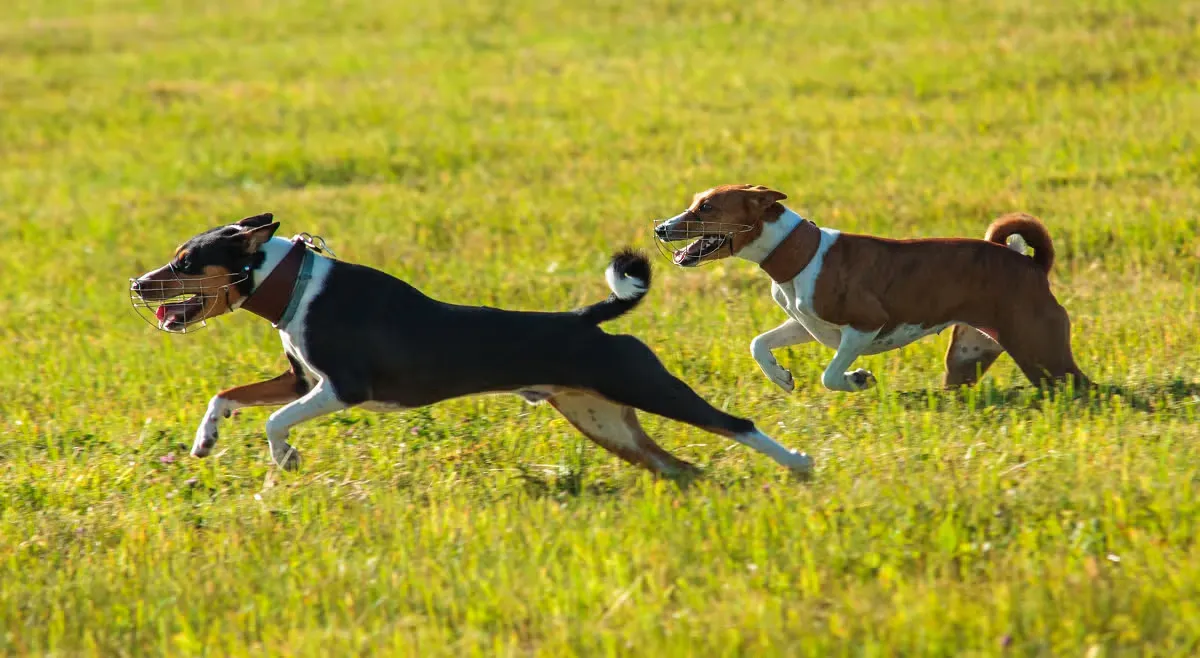
Basenjis are an active breed and require a commitment to regular exercise times for optimal maintenance of their physical and mental well-being. Here are some considerations:
- Provide your Basenji with daily opportunities for physical exercise, such as brisk walks, jogging, or playing fetch.
- Engaging in activities that allow them to burn off energy is important to prevent restlessness and unwanted behaviors.
In addition to physical exercise, Basenjis need mental stimulation to keep their minds active and prevent boredom. Interactive toys, puzzle feeders, and training sessions that challenge their intelligence can be beneficial.
Remember, every Basenji is unique, and exercise needs may vary. Observe your dog’s behavior and adjust their exercise routine accordingly. Always ensure they have access to fresh water and avoid intense exercise during extreme weather conditions.
Finding a Basenji
When searching for a Basenji, there are options available through breeders and rescue organizations. Here are some considerations for both avenues:
Breeders and Adoption Options
- Breeders: Look for reputable Basenji breeders who prioritize the health and well-being of their dogs. A responsible breeder will be knowledgeable about the breed, conduct health testing on their breeding dogs, and provide proper care and socialization for the puppies.
- Health Testing: Reputable breeders will conduct health tests on their breeding dogs to ensure they are free from genetic diseases common in the Basenji breed. Health testing may include screenings for conditions like Fanconi syndrome and Progressive Retinal Atrophy (PRA). Ask breeders about the health testing they perform and request to see the results.
- Ethical Breeding Practices: Responsible breeders will prioritize the welfare of their dogs and adhere to ethical breeding practices. They will provide proper living conditions, socialization, and support for their puppies. They should also be willing to answer any questions you have about the breed and the specific dogs they breed.
- Rescue Organizations: Consider adopting a Basenji from a rescue organization. Basenji rescue groups often have dogs of different ages available for adoption. These organizations thoroughly vet potential adopters to ensure the best match between the dog and their new home.
Remember, both breeders and rescue organizations play important roles in providing healthy and well-adjusted Basenjis. It’s crucial to do thorough research, ask questions, and choose a reputable source that aligns with your values and desires as a responsible dog owner.
Final Thoughts
The Basenji is a truly remarkable breed with a rich history, distinctive physical characteristics, and a unique temperament. From its ancient African roots to its role as a hunting dog and its recognition by kennel clubs, the Basenji holds a special place in the canine world.
With their intelligent and independent nature, affectionate demeanor, and loyalty to their owners, Basenjis offer a one-of-a-kind companionship experience. Whether obtained from reputable breeders or adopted from rescue organizations, providing them with early training, socialization, regular exercise, and proper healthcare is essential.
The Basenji’s wrinkled forehead and curled tail contribute to its appeal. Their presence brings joy and fascination to the lives of those who appreciate their unique qualities. If you are ready to embark on a journey with an extraordinary and captivating breed, the Basenji is sure to capture your heart and enrich your life with its charm and individuality.