Miniature Poodle Breed Profile: Traits, Care, and Why They Make Great Companions
Charlie Watson
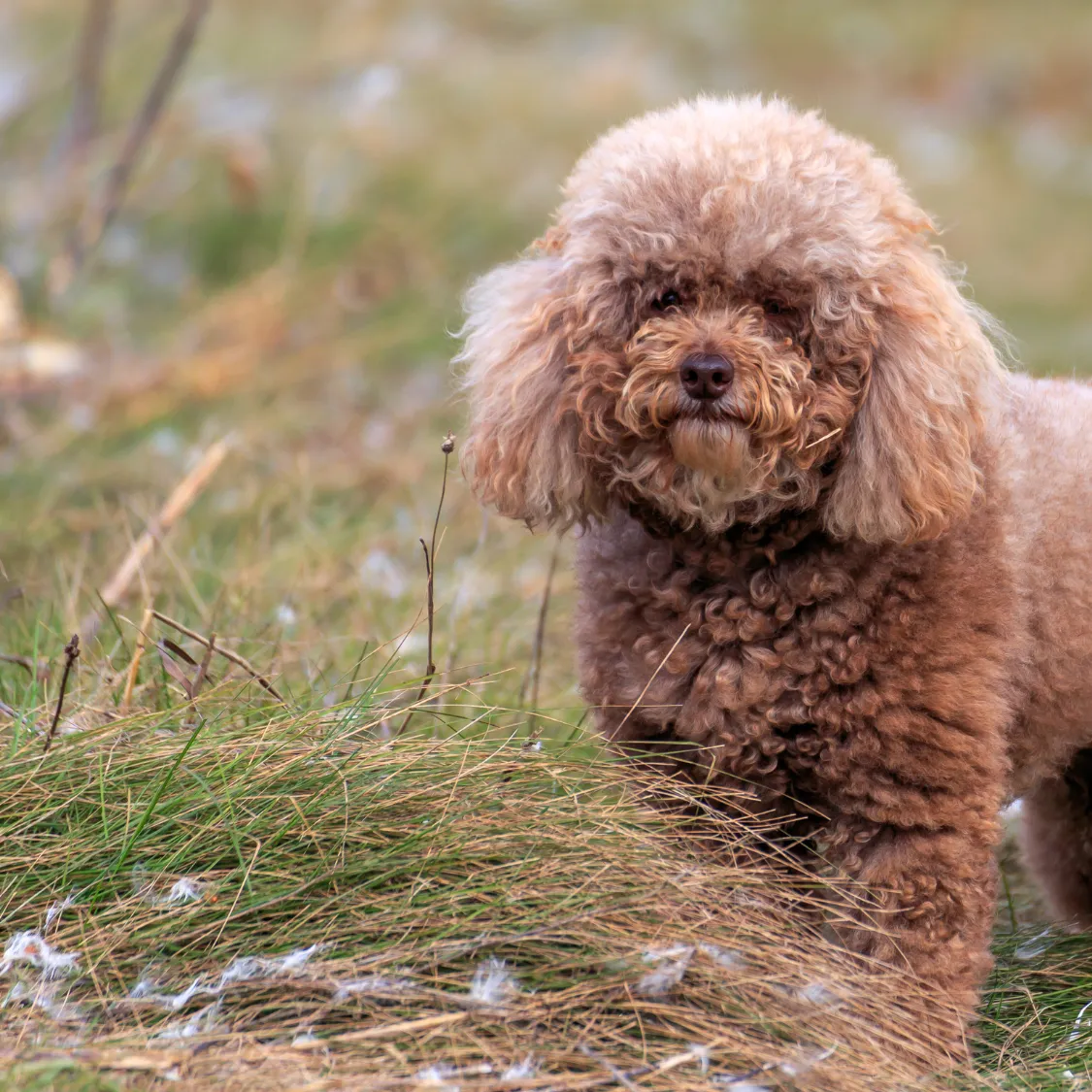
Getting to Know the Miniature Poodle
Many people picture Poodles as overly glamorous show dogs, thanks to their elaborate trims and association with French high fashion. But that image undersells them. In reality, Poodles rank among the most adaptable, clever, and athletic dog breeds. Their confident demeanor is usually justified.
The breed comes in three sizes—Standard, Miniature, and Toy—all bred to the same proportions and standard, just scaled differently. This means the Poodle family has a size to suit a wide range of households.
Here, we focus on the Miniature Poodle: where this smaller variety came from, what kind of care it requires, and why it often makes an excellent family pet.

Poodles were originally developed to retrieve waterfowl, but the Miniature Poodle in particular was bred to perform in the circus.
Origins of the Miniature Poodle
To trace the Miniature Poodle's history, you have to start with the Standard Poodle. Although it's considered the national dog of France, the Poodle likely originated in Germany more than 400 years ago, where it was used to retrieve waterfowl and arrows. The German word for the breed is “Pudel,” which is related to the English word “puddle”—a nod to these dogs' long history of working in water. Their keen sense of smell also made them successful truffle hunters.
Because Poodles are extremely smart and trainable—often rated second in intelligence only to the Border Collie—they eventually became popular as entertainer dogs, especially in circuses. The Miniature Poodle is thought to have been developed from the Standard Poodle sometime during the 1700s or 1800s, making travel with a troupe easier.
From 1960 to 1982, Poodles of all sizes together were the most popular dog breed in America—the longest continuous popularity streak any breed has achieved. Among the three varieties, the Miniature is the most popular, thanks to its combination of portability and hardiness.
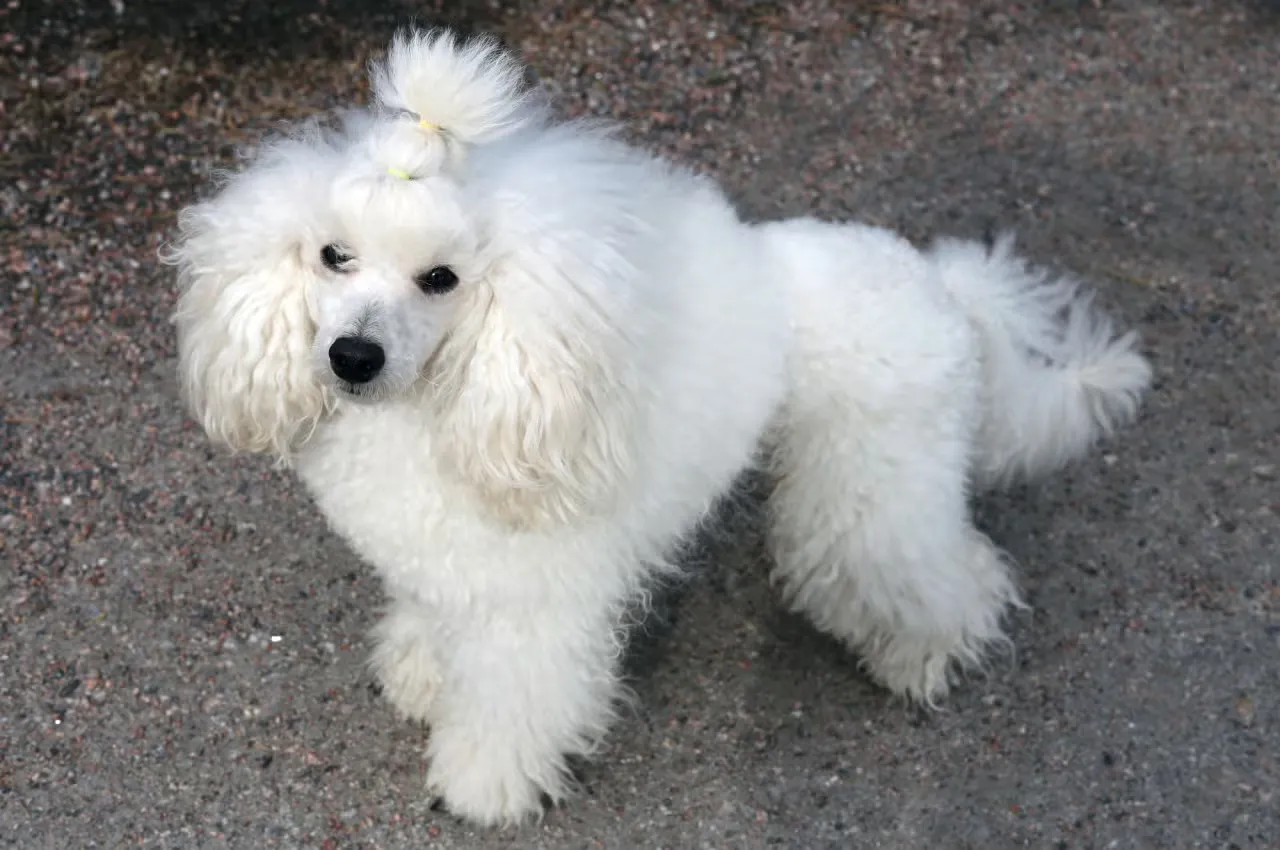
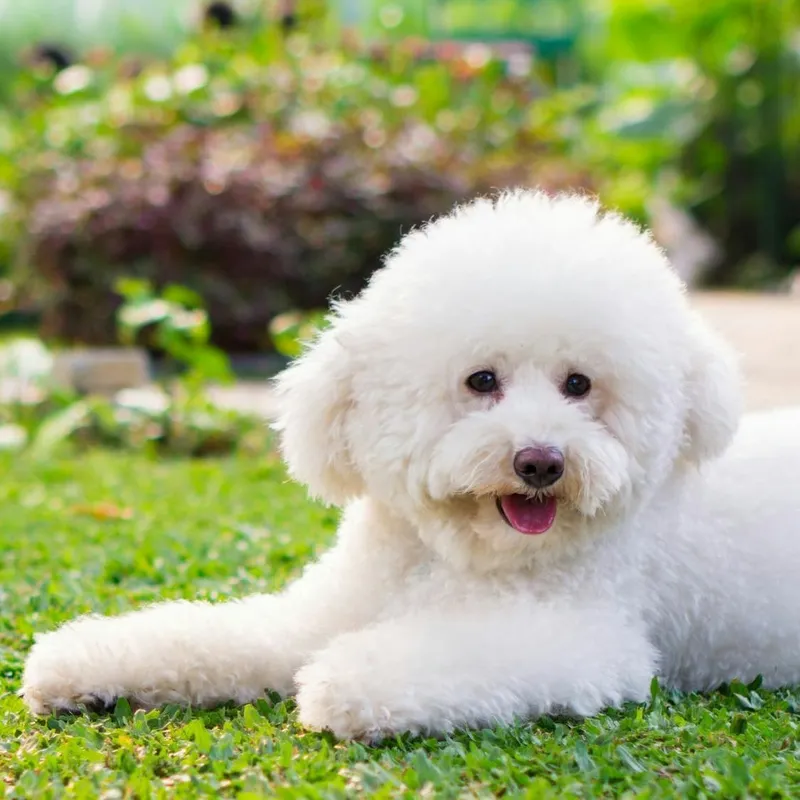
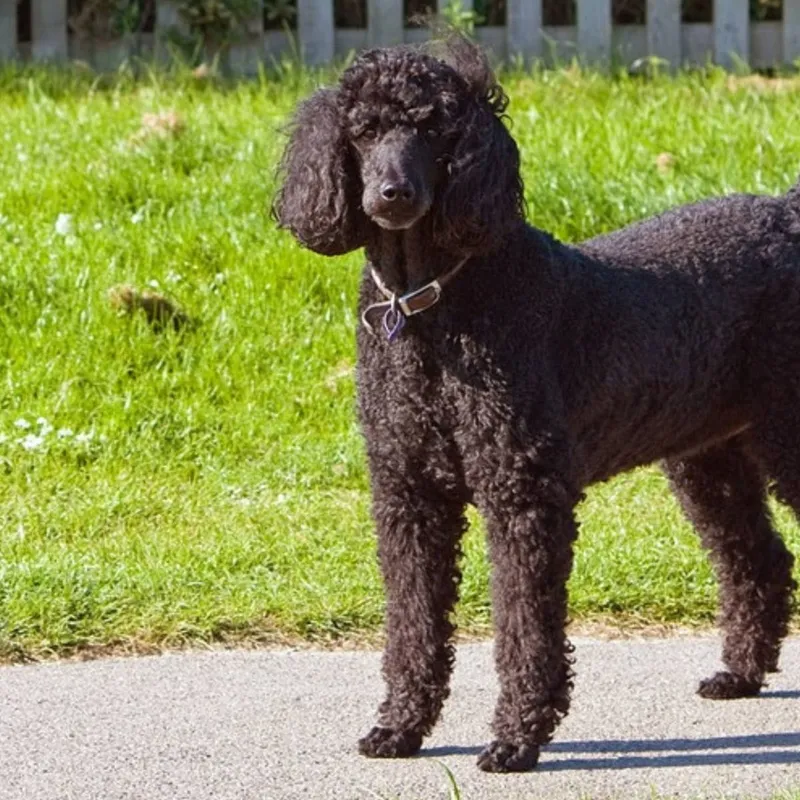
This Miniature Poodle's naturally curly hair has been blown out and styled, making it look like a different breed from the Poodles in the pictures above.
Physical Characteristics
Weight: 10–15 pounds
Height: 10–15 inches at the shoulder
Coat: Curly; minimal-shedding
Colors: Many, including black, blue, brown, cream, red, silver, white, and more
Distinctive Features
- Dark, intelligent eyes
- Slender snout
- Long, hanging ears
- Curly hair often straightened and clipped into pompons
Understanding the Poodle Coat
The way you choose to cut your Miniature Poodle's coat can make your dog look like a completely different breed. And contrary to popular belief, Poodles do not naturally grow those fluffy pompons—those are created through grooming.
A Poodle's coat is naturally very curly, and if left untrimmed, some Poodles will even develop corded coats similar to a Puli's. This happens because Poodle hair grows continuously, which makes grooming especially important for this breed. You can learn more about Poodle coats in the Feeding and Grooming section below.
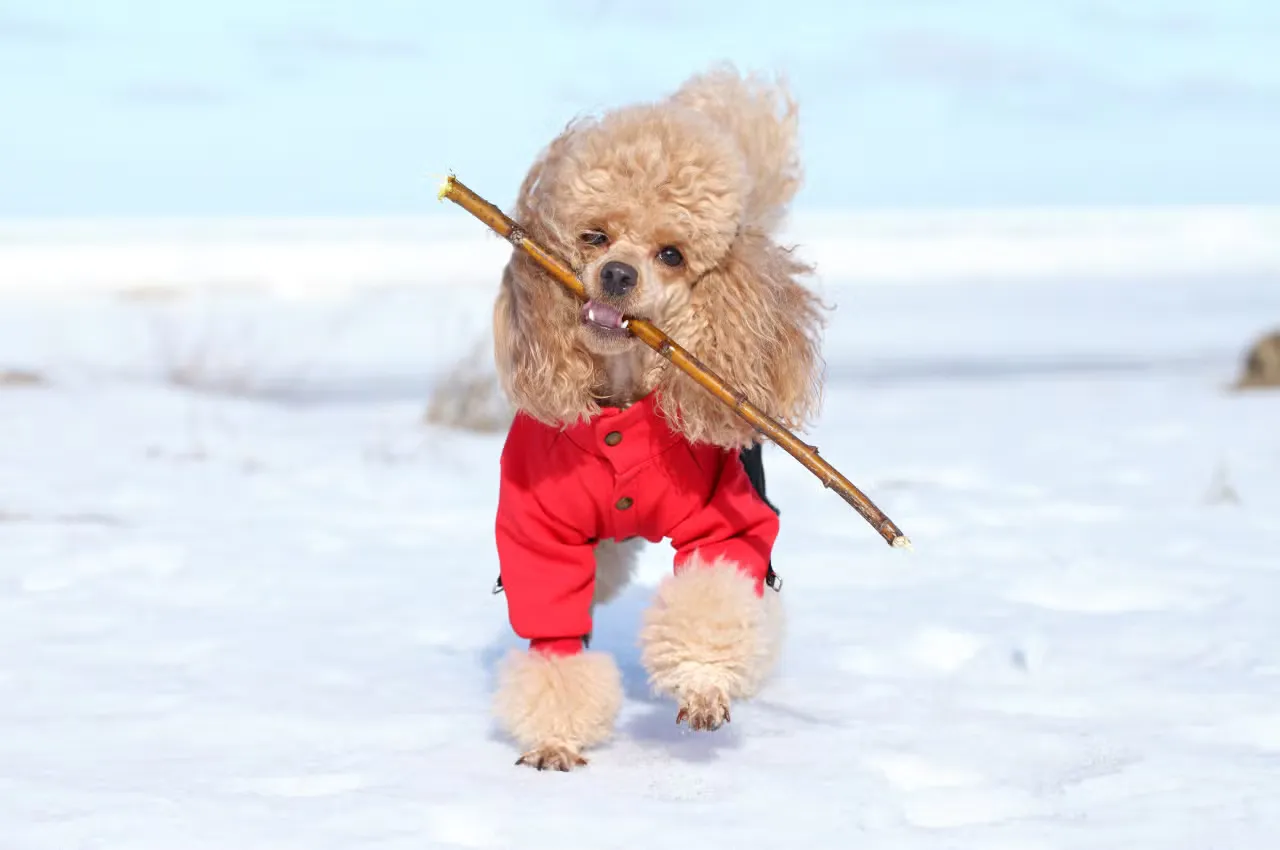
Miniature Poodles are intelligent, full of energy, and can get very attached to their owners.
Temperament and Personality
Miniature Poodles share the Standard Poodle's sporty, friendly, and intelligent nature, though they may be a touch more anxious than their larger relatives. They are highly people-oriented and do best in a home where someone is around regularly to give them the attention they crave.
With Family Members
The lively Miniature Poodle usually makes a wonderful companion for children and enjoys romping and playing with them. That said, some Poodles are more sensitive and may prefer the company of older, calmer children.
Either way, Miniature Poodles are loyal and affectionate with their families, whether that's a multi-person household or a single owner. Older owners should consider whether they have the energy and ability to keep up with the Miniature Poodle's need for exercise and mental stimulation.
With Other Animals
Miniature Poodles are typically gentle and accepting of other animals in the home, including dogs, cats, and smaller pets. Keep in mind, though, that Poodles were bred as retrievers, so they may still have the instinct to chase smaller creatures, especially birds.
It's best to raise a Miniature Poodle alongside other animals from puppyhood so they become accustomed to them early on. This is generally not a major issue for the breed, but a little caution doesn't hurt.
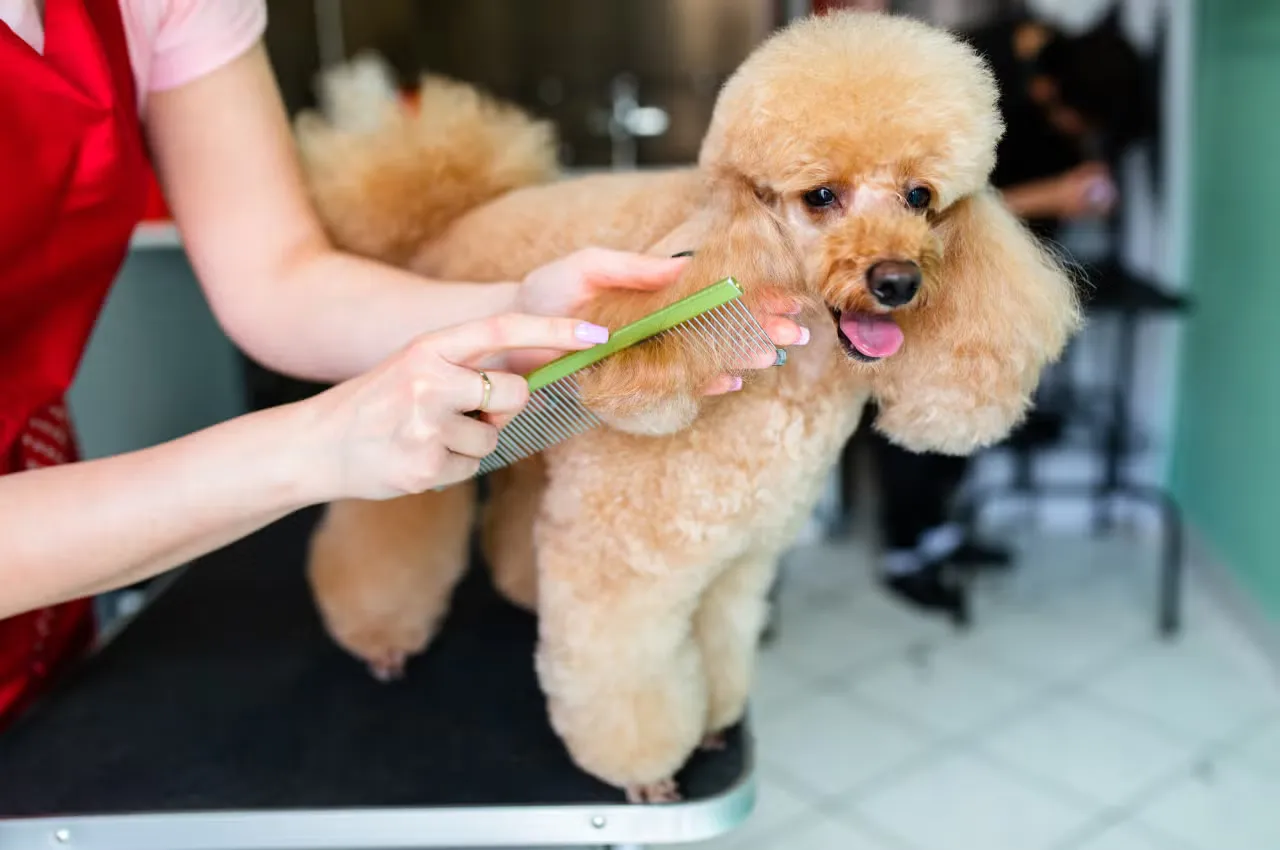
This Miniature Poodle is being groomed with a variation of the sporting cut.
Feeding and Grooming
A Miniature Poodle typically eats about 3/4 to 1 cup of dog food per day, split into two meals, though the exact amount depends on your dog's age, activity level, and health needs. Many Poodles have skin allergies, so choosing a limited-ingredient or grain-free kibble might help avoid discomfort.
Ask your veterinarian for specific dietary recommendations or if you have any questions about your dog's health or nutritional needs.
Coat Care
The Miniature Poodle's naturally curly hair barely sheds at all, which is a big plus. The tradeoff is that without a trim every six weeks or so, the coat will keep growing and may become matted. Many Poodle owners stick to a regular professional grooming schedule, while others learn to style and care for their dogs' hair themselves—a task that can be considerable.
There are many coat styles a Poodle might wear, but some of the most common cuts include:
- The Continental Cut: This style shaves much of the body and leaves pompons around the head, leg joints, chest, and tail. Historically, these pompons were thought to insulate important body parts from cold water while allowing mobility in other areas.
- The Sporting Cut: This cut typically consists of a uniform clip that follows the body's natural lines, except for the tail, which has a pompon. Both the sporting and continental cuts tend to shave around the muzzle to make the dog's facial features more visible.
- The Kennel Cut: Popular for companion dogs, the kennel cut is similar to the sporting cut but leaves the muzzle unshaven and the tail without a pompon, and more of the dog's natural hair texture is visible.
Learn about more Poodle hairstyles here.
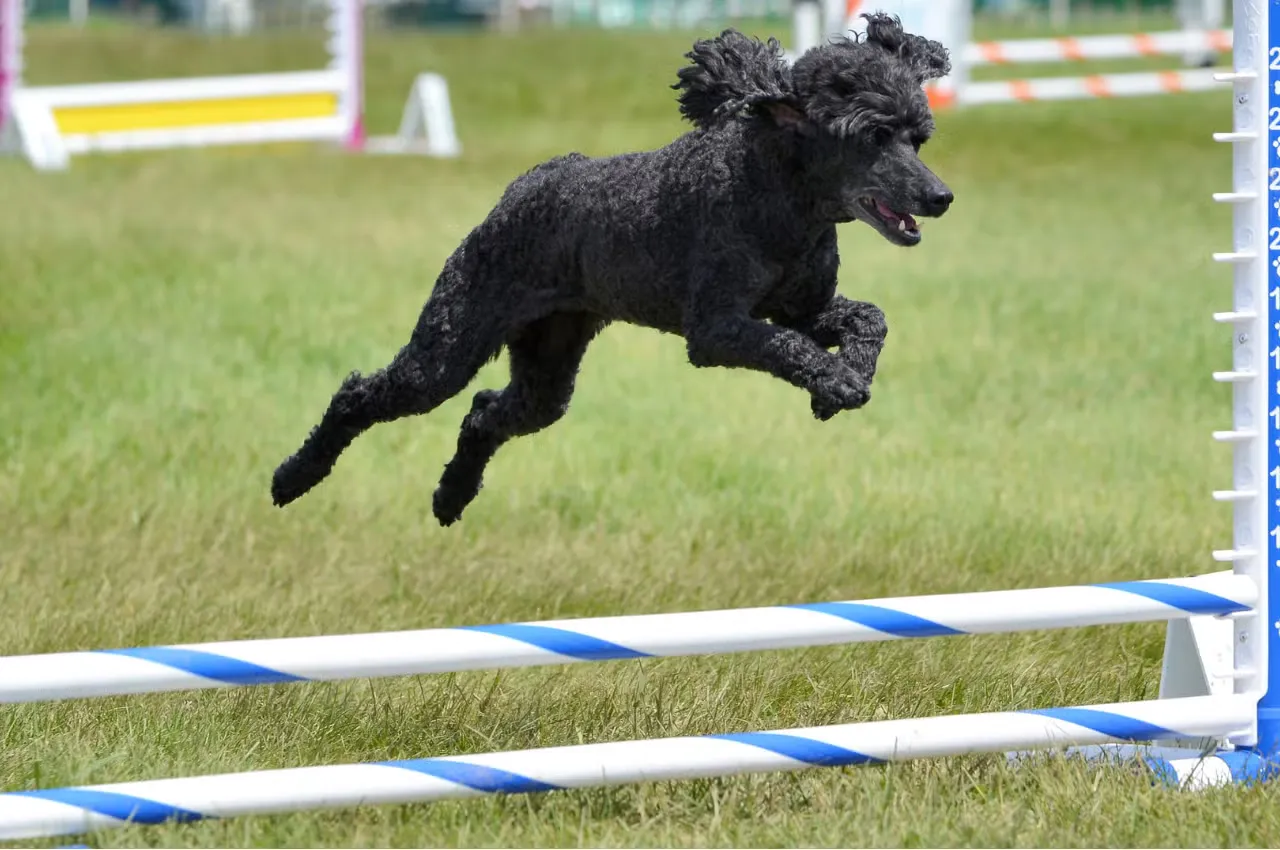
Miniature Poodles are very active dogs who will appreciate being able to run and play often.
Training and Exercise Needs
Miniature Poodles have plenty of energy and intelligence, which generally means they need a lot of stimulation; otherwise, they may get bored and engage in destructive behaviors like barking and chewing. Keeping these sharp minds occupied is important.
Training Tips
For intelligent dogs like Miniature Poodles, training can be either a breeze or quite difficult, as they can be too smart and stubborn for their own good. If your Poodle is resistant to training, formal classes with professional trainers can help by providing personalized attention for your dog.
Miniature Poodles generally pick up on commands very easily, and using immediate positive reinforcement—with treats or petting for good behavior—will be sure to get the message across. When misbehaving, short timeouts of just a few minutes tend to be effective.
These dogs can be reserved with strangers, so it's a good idea to socialize them when they're puppies. Take them to areas where they'll encounter a lot of sounds and people walking by, like parks, malls, or grocery store entrances, but be sure not to let them roam on the ground outside until they've had all of their shots.
Exercise
These little bundles of energy need about an hour of exercise daily to feel happy and fulfilled. Their history as retrievers makes them very likely to enjoy playing fetch or swimming, but they'll also love going on a few brisk walks or hikes with you as well. They also tend to do well in competitive agility and tracking events.
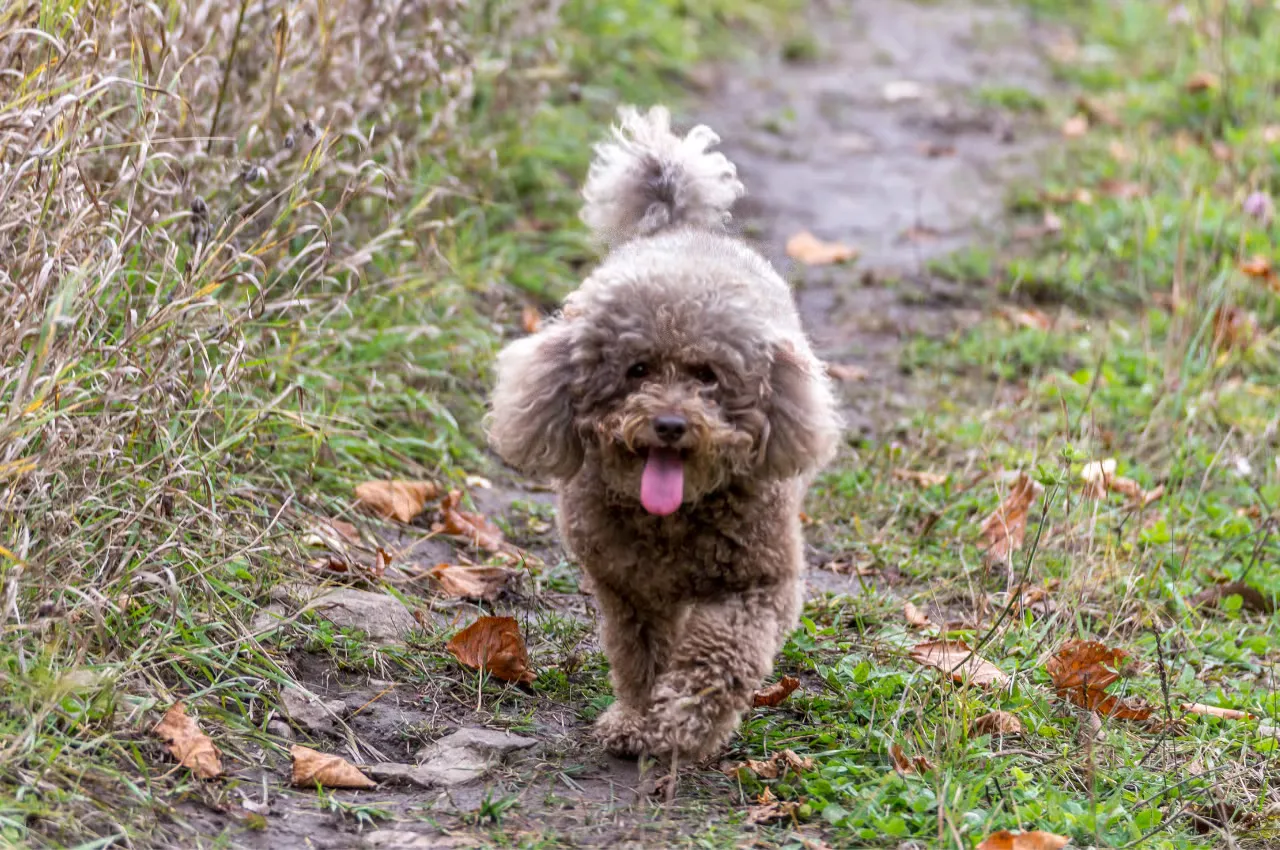
It's not unheard of for some Miniature Poodles to reach 20 years old.
Life Span and Health Concerns
The Miniature Poodle is a very long-lived breed, with 10–18 years being the typical range and 15 years commonly reached. Some may even reach 20 years old if they are in very good care and health.
Unfortunately, no dog is totally immune to illness, and Miniature Poodles may be more likely than other breeds to experience the following health issues:
- Patellar luxation: An inherited condition that primarily affects small dog breeds and results in poor skeletal alignment, causing the kneecaps in the hindlegs to dislocate and slide out of place. Symptoms include limping, a reluctance to run, and yelping while playing. Treatment can range from anti-inflammatory medication to surgery.
- Mitral valve disease: A heart condition typically seen in older dogs that results in the heart's mitral valve thickening and leaking, allowing the flow of blood backward in the heart, creating a murmur that may eventually lead to heart failure. Treatment may include diuretics to remove excess fluid and inotropes to improve heart muscle strength.
- Legg-Calve-Perthes disease: An inherited condition typically seen in younger dogs that causes the head of the femur bone to degenerate due to blood supply issues, resulting in hip bone breakdown and osteoarthritis. Symptoms include hind limb lameness, shrinking leg muscles, and pain. Treatment includes anti-inflammatories, surgery, and physiotherapy.
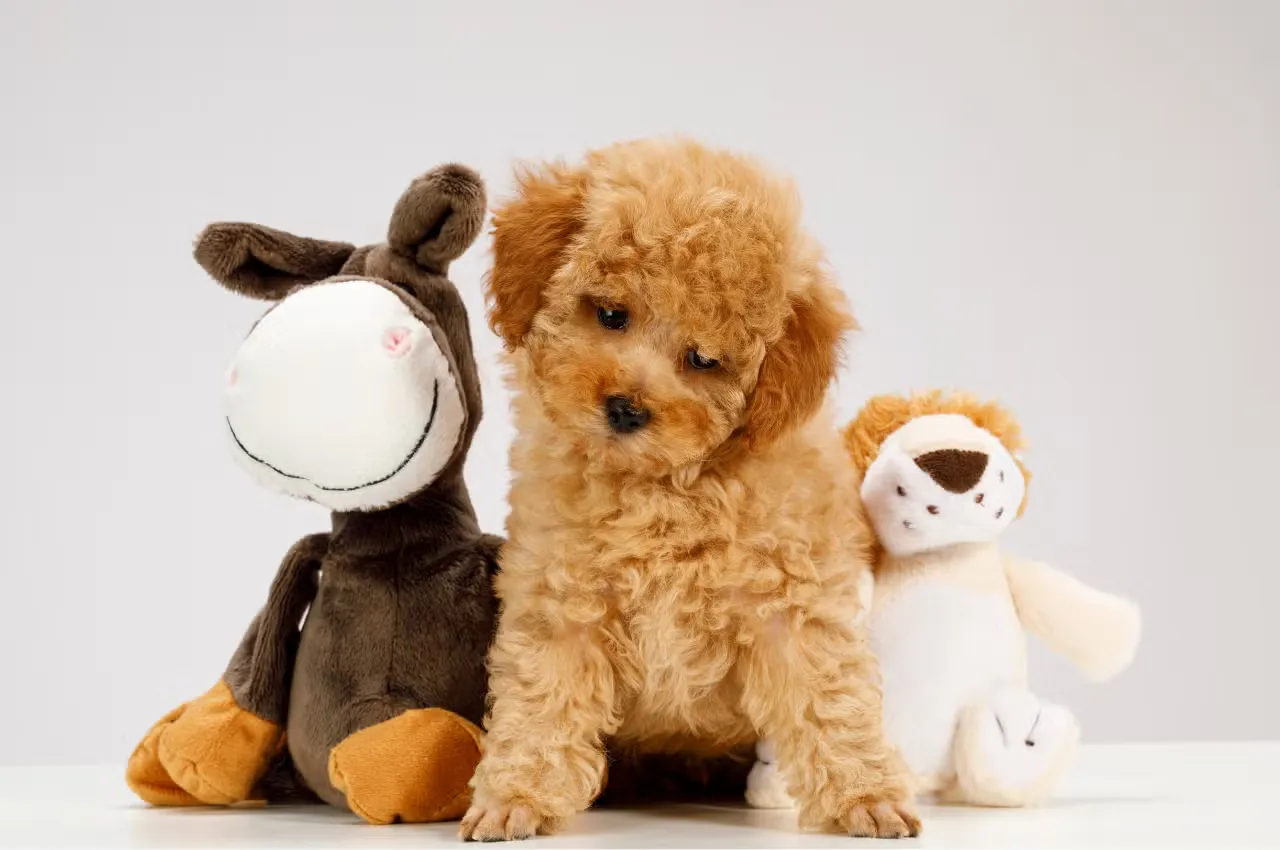
Ready to raise a Miniature Poodle?
Adoption and Ownership
Interested in owning a Miniature Poodle? Here are some options for finding breeders and rescues in your area.
- Poodle Club of America: The PCA website and similar club sites offer lots of Poodle resources, including breed information and local events. They also provide the contact information for breeder referrals who can put you in touch with breeders in your area.
- National Kennel Clubs: The famous AKC (American Kennel Club) and the UK's Royal Kennel Club, among many other national kennel clubs, regularly list available litters from breeders who agree to follow their health regulations.
- Rescue Organizations: It's difficult to find purebred dogs in shelters or rescues, but sites like Rescue Me regularly list Poodle mixes available for adoption, so check to see if there are any in your area who could use a loving home.
Unethical breeders are, unfortunately, still a big concern when looking for a new pet. If you know you want to purchase a purebred puppy from a breeder, make sure to do as much research as you possibly can before taking on the responsibility of an animal's health and happiness.
Is the Marvelous Miniature Poodle for You?
The Miniature Poodle is a fantastic companion dog with lots of tricks up their sleeves. If you can handle their energy, occasional clinginess, and regular grooming needs, you'll be rewarded with your own high-flying circus performer—and a very loyal and loving friend to spend many magical years with.
Miniature Poodle FAQs
Are Miniature Poodles good with children?
Yes, Miniature Poodles are generally very good with children. They are known for being friendly and affectionate dogs that get along well with people of all ages. As with any breed, however, it's important to supervise interactions between young children and dogs, and to teach children to handle dogs gently.
Do Miniature Poodles shed a lot?
No, Miniature Poodles do not shed much at all and are considered a great choice for people with allergies. However, their long, curly coats grow continuously and require regular grooming sessions (about once every six weeks) to prevent matting.
Can Miniature Poodles be left alone for long periods?
Miniature Poodles generally do not enjoy being left on their own for long periods of time. They are social animals who bond with their owners and thrive on companionship. If you need to leave your Miniature Poodle alone for hours at a time, consider hiring a pet sitter, or consider a different breed altogether.
Are Miniature Poodles high-maintenance?
Miniature Poodles can be high-maintenance when it comes to their grooming needs. While they won't shed all over the house, they will need to have their curly hair groomed regularly, as it never stops growing. Like any other dog, they require regular exercise to stay happy and healthy, about an hour a day for this energetic breed.
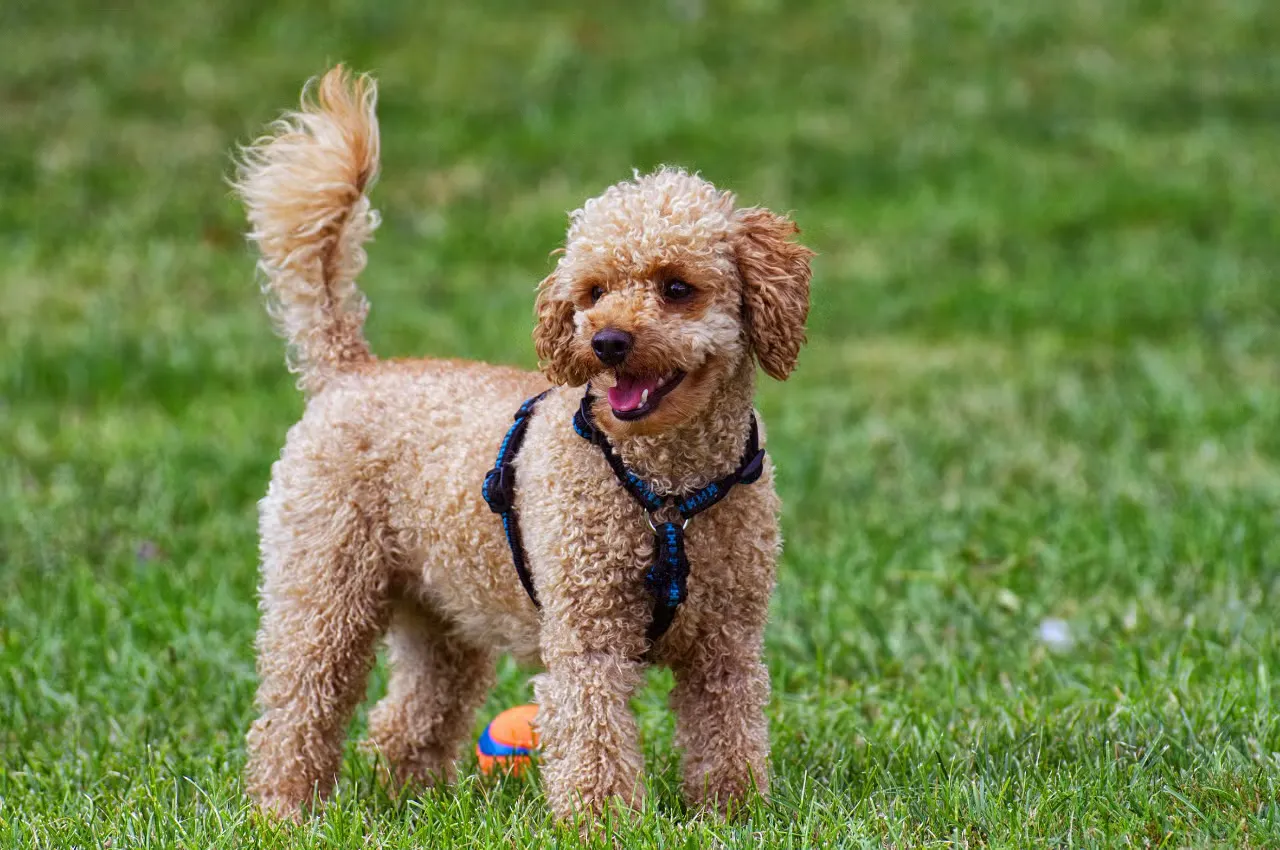
There's a Miniature Poodle waiting for you!