Beyond the Cage: Practical Reasons for Temporary Confinement of Cats
Elliot Watson
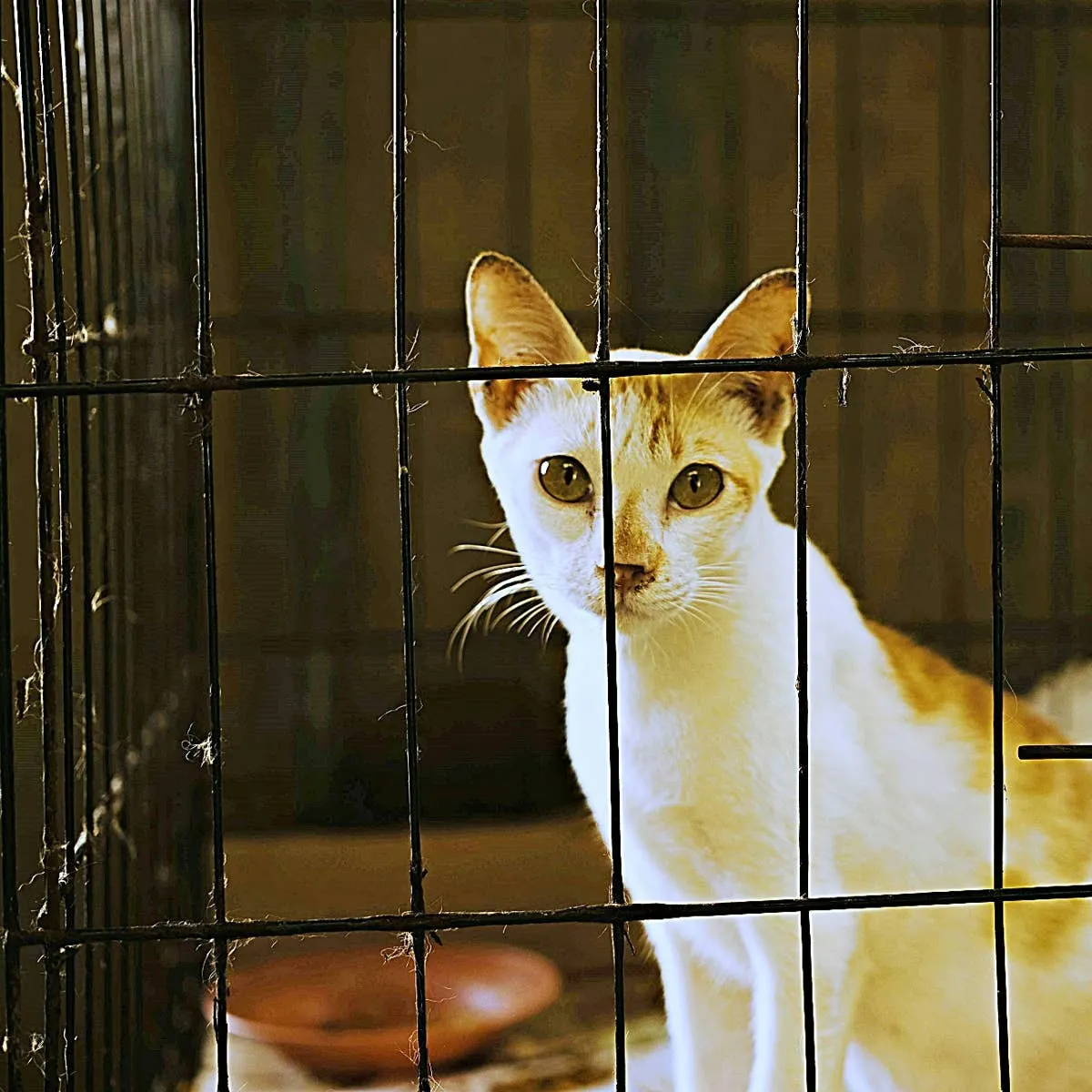
Is Crate Training Suitable for Cats?
I have lived with cats for as long as I can remember. Growing up in a farming community, cats were primarily kept for pest control in barns, and occasionally as pets. Even those pets seldom enjoyed the comfort of living indoors full-time.
Times have certainly changed. In my earlier years, I would have considered putting a cat in a cage to be cruel and pointless, and most people would have shared that view. The only caged cats I had encountered were in shelters or kitten mills.
As I faced more and more cat-related challenges, I discovered that short-term caging can be a highly effective and practical solution for numerous reasons, and it shouldn't be dismissed out of hand by compassionate pet owners. I aim to shed light on some of these applications below.
Litter Box Training
For most cats, using a litter box is instinctive, and even a cat that has never seen one may be inclined to use it. Others are more difficult, often because they have picked up poor litter box habits from another cat, typically their mother. I learned this the hard way when I had a litter of three kittens that were never caged at any point.
They trailed after their mother and learned that litter boxes were just decorative objects and that the best bathroom was behind the furniture. This issue could have been so easily avoided if I had known to cage the mother while they were infants. The concept is to provide a cage just large enough for food, water, a nesting box, and a litter box. This compels even the most reluctant cat to use the litter box and reinforces the habit in the kittens.
Typically, by six to eight weeks of age, the kittens are ready from this experience to live a normal life indoors. In the meantime, you can let the mother (and the kittens as they grow) out periodically to exercise so no one suffers from being confined too long.

Feral cats can be tamed easier when temporary caging is employed as a tool for re-domestication.
Photo by Petful on Flickr/PhotoScape
Socializing Feral Cats
Feral cats tug at the heartstrings of anyone who loves felines. Some have been abandoned by their owners, while others were born on the streets, never experiencing what it's like to have a home. The latter are the most challenging to reintroduce to domestic life, but people do this every day. The first and obvious use of caging for feral cats is to keep mothers and kittens confined—not only for litter box training but also to make them easier to physically catch and socialize.
Generally, kittens born in this environment will become human-friendly, but be careful—if you don't separate the mother from the kittens at weaning age, they may adopt her fear of you and revert to wild behaviors. Cages can also be used for feral cats to tame older cats, but expect this to be a process and take quite a bit of time. The cage keeps the cat in one area, forcing it to be in contact with you.
Ideally, over time, it will learn you're not there to hurt it, and trust can be established—keep in mind adult ferals rarely tame down completely. They may trust one individual and remain aloof or never tame down, but it's worth a try!
And finally, caging ferals is extremely useful if you're catching them for a spay and neuter program. It is much easier to house them in cages and wait for a vet appointment than hope to catch them on the day of surgery. They also can recover in the cages where they can't move around too much—hopefully preventing any post-surgery accidents.
Quarantine
Quarantining is a highly beneficial practice for anyone with more than one pet, especially if they're the same species. Sadly, I don't see it practiced enough for my liking, but this is your first line of defense against contagious disease.
Of course, if you are bringing a new cat into an established household, you should always ensure they have been tested and come up negative for FIV/FeLV—feline leukemia and feline AIDS respectively. Both of these diseases are very contagious and fatal, so you don't want this in your house if you can prevent it!
From there, cages are a great way to keep a new cat away from any resident cats for a period when you should be watching for:
- boogery noses or eyes
- parasites
- skin irritations
- lethargy
- diarrhea
- any other signs of sickness
During this time, the cat should preferably be somewhere where there's no shared air between the other felines—this means a garage, a shed, a barn, a friend or neighbor's house, but I realize this can't always be accomplished, so keeping it in a separate room away from the other cats is better than nothing.
Quarantine should last at the very minimum two weeks, only if no symptoms have shown up, but preferably should last 4–6 weeks. This includes both cats from rescues and from breeders!

The most effective way of introducing a new kitty is to keep them in a cage somewhere where the resident cat(s) can come up and sniff them through the bars. If everything goes well, let kitty play a little bit in each room so all involved can get familiar with each other.
Photo by halilibrahimxq on Pexels/PhotoScape
Introducing a New Cat
One of the main themes of this article is going to be prevention. Trust me, when it comes to cats, prevention is always better than trying to solve a problem after the fact.
One of the most common problems in cats is spraying, and this is frequently caused by the introduction of a new cat. Can you really blame them? I mean, I wouldn't be terribly happy if I came home from the grocery store and found Bob on my couch—a complete stranger who's now been forced to live with me. I can't say my first reaction wouldn't be, "Get out, Bob! This is MY house! Who do you think you are?!" Cats aren't any different. That's why using a cage to introduce them is always an attractive option.
The new cat should be kept in the cage somewhere in the house where the resident cat can come up and sniff it through the bars. This is a far gentler, less territorially threatening introduction. Depending on how they respond to each other, you can move forward and let the new cat have playtime outside of the cage one room at a time, slowly expanding its territory until it shares it completely with the resident cat. At the first sign of distress from either cat, you should back up a step and try again. Patience is key.
Using a Cage to Help Diagnose Ailments
Cages can be intensely useful, especially in the multi-cat household, to pinpoint which cat is having a problem. Let's say one of your cats has diarrhea, but you don't know which one. By using a cage, you can determine who is having the problem by taking them one at a time and waiting for them to show you what you need.
Other times cages can be useful if you know something is wrong, but you're not quite sure what. These cages can be used to figure out everything from common constipation to crystals or blood in the urine, runny or bloody stools, or even internal parasites. Did I mention it makes it very easy for you and your vet?
Now you know which cat left which pile of pee or poo and take it in accordingly to be tested properly. This is also great to use with cats who have chronic issues like bladder stones or UTIs to figure out if that is what is currently causing them to show symptoms or if it's something else.
If you need to collect urine (to see stones, crystals, blood, strange coloration, or pH levels for diabetes testing), then you can use a litter box with no litter in it and hope your cat will use it, or you can use the old school method of keeping them in a cage with a grated bottom and waiting for them to pee so that it can be collected by the tray underneath. The first option is less stressful for the cat involved, but some cats are less than cooperative. Make sure they have food and water either way!
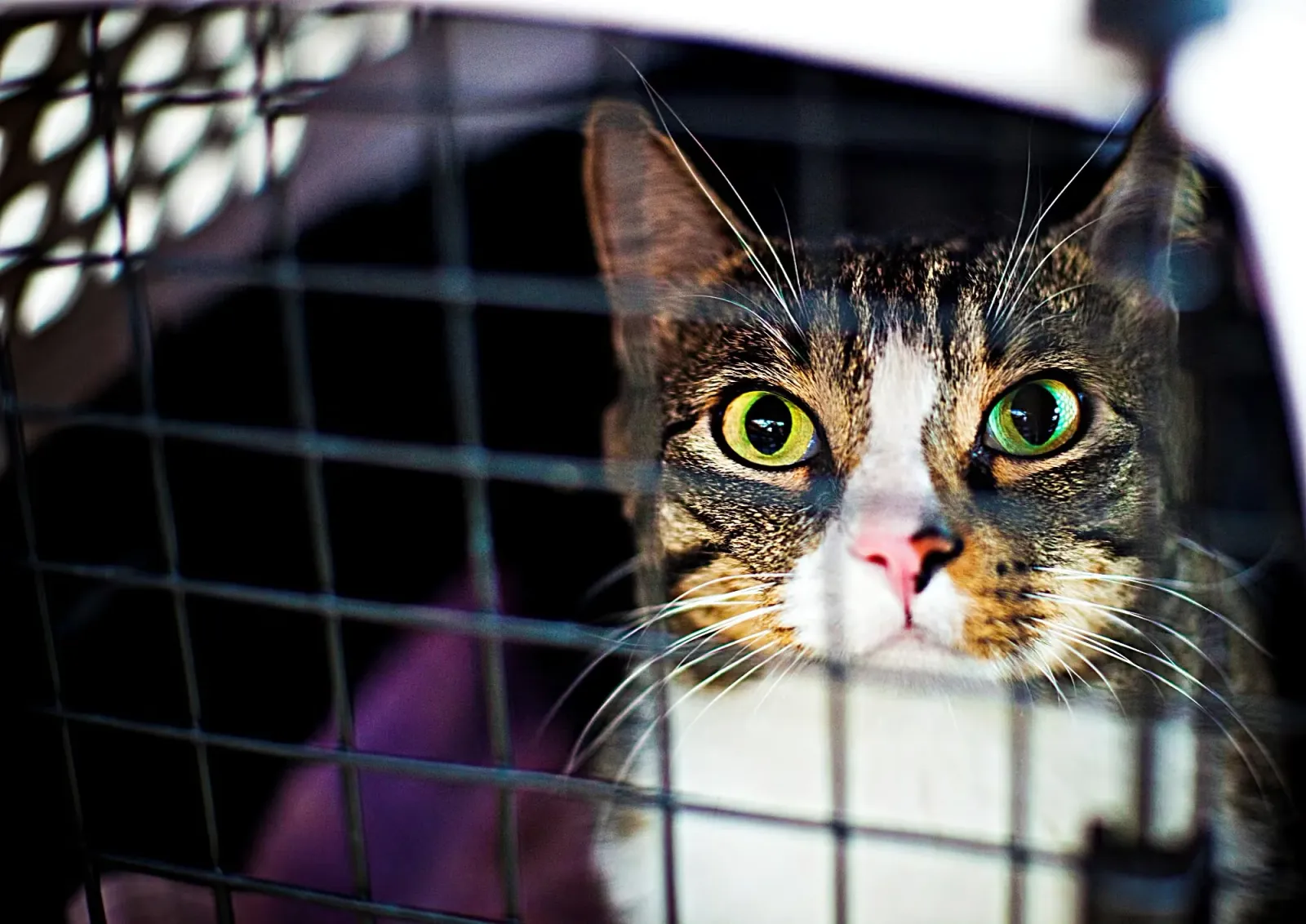
Cat carriers are a must for anyone who wants to travel safely with their kitty. Cats can become spooked easily, and a carrier will ensure they don’t scratch you up and get away.
Photo by Zlatko Unger on Unsplash/PhotoScape
Short-Term Penning & Crating
If you have a cat that likes to disappear into the black hole that every feline-friendly household has, then temporary crating and penning may be useful to you at some point in the future! If you have a vet appointment or are moving, then gather the cat the night or week before, and then you won't have to scramble around the morning of trying to find the missing beastie!
Temporary caging can also be used wonderfully if you are having a gathering of some sort and can't trust your visitors not to let your cat outside or in an area of the house it's not supposed to be. This is more for the cat's safety and for your own peace of mind than anything.
Also, please crate your cats when you bring them anywhere. It doesn't matter how mellow the cat appears to be; if it's suddenly spooked, it'll only take a second for it to leap out of your arms or out of the car. I have heard so many cats permanently lost in this manner, so pleeeease, if you are traveling with your cat, make sure to crate them! (And I don't want to hear "well, you can leash them" because certain cats can wriggle out of harnesses and leashes in the bat of an eye, and most can if they're panicked.)
Doling Out Medication
Let's face it; most cats hate to be medicated! Unfortunately, sometimes it's necessary for their health. If you have a cat with an infection or something else that needs to be medicated in the short term, a cage can be your best friend. I had to treat my felines for coccidia, a nasty disease if there ever was one, and it took me 21 days worth of medication with the 21 days having to be reset if they missed even a single dose! If I did not use cages during this time, I would have never solved the problem! They would have all hidden around the house in avoidance of me!
Caging also is great in the sense they're cornered which means they generally don't struggle too much. If you have to give them pills try investing in a piller. Most pet stores and feed stores sell them, and some vets might as well. Otherwise, some medications might be able to be hidden in food or eased down the throat with a generous coating of butter. Make sure to ask your vet about the medication and if it is OK to mix with food or crush into food because some are not!
Also, if you are a cattery or rescue that has a vet that does home visits for inoculations and whatnot, please have pity on the vet and cage the cats that need to be treated. It'll take much less time and will be less stressful for both the cats and humans involved!

This tom cat was successfully introduced to three other unaltered toms with the use of crating as a training device. These “time out” periods worked with great effectiveness.
Introduction Into a New Environment
If you are planning a move, please consider caging your kitty or kitties to ease their transition into the new environment. A lot of cats will go missing, sometimes for a few weeks, when let out into a new house without a proper introduction! This can be a scary event for them and if your cat is particularly skittish or nervous then it may take a little while to get used to the sounds, sights, and smells before they feel safe enough to explore the world outside the cage.
After the cage is opened, make sure it stays open because it will be the cat's own safe spot to be and it may retreat back to it from time to time until it gets settled in.
Caging as a Training Device
Cages can be used as a weapon of peace. Sometimes even after proper introductions, cats may start to squabble, perhaps when a kitten grows to maturity and challenges the status quo of the household, or perhaps there is no concrete reason us humans can see. Either way, sometimes the resolution can be found by caging the offending cat for a while until they cool down.
Depending on the situation, caging or crating may be necessary. I had unaltered males running around a stud room for a number of years. I always brought in new "studs" as kittens, but sometimes when they grew to sexual maturity, they would start squabbling. Whenever I caught them in the act, I'd put each of the offenders in a crate/small carrier for an hour. If they started to squabble again after I let them out, I'd stick them back in the crate.
Generally, after the first or second stretch, they were ready to behave themselves again. I think the record was four stints, but that was it. After two months of this ritual, everyone was living in harmony again, four unaltered adult males, who I was told beforehand I'd never be able to accomplish!

Catios allow your allow your cat fresh air and an area to sunbathe without fear of predators—or them escaping and becoming predators!
Photo by eileenmak on Flickr/PhotoScape
Build a Catio
Some people feel that cats should have access to the outdoors. However, the outdoors is a very dangerous place for a cat. There have been studies that suggest indoor/outdoor and exclusively outdoor cats live drastically shorter lives on average than housecats. This is because of the cars, stray dogs, various wildlife, and the possibility of getting into poisons and toxins you wouldn't ordinarily have in your house.
Take, for instance, your cat catches a mouse that just previously had ingested rodent poison. If your cat eats the mouse or a few drops of sweet-tasting antifreeze in a neighbor's open garage, then the likelihood of it surviving isn't very good. Most cats raised exclusively indoors won't bother to try getting outside, where it may be some other cat's territory.
Some cats will still try, and other cats who were previously indoor/outdoor cats may be impossible to keep exclusively indoors. This is when an outdoor catio becomes a nice way to deal with the safety issues while still allowing your cat fresh air and sunshine. Some catios are more than just outdoor cages or tunnels; they're rooms big enough for cats to sunbathe or enjoy the outside without fear of predators—or them escaping and becoming predators!
Catios can resemble chicken coops, roofed dog runs, or even outdoor aviaries. If this sounds like an option for you, please make sure there's a strong roof and a wire, wood, concrete, or other solid bottom. If given a chance, cats will claw and dig their way out because they're cats.
Breeding Issues
Sometimes caging can be used to aid breeders. Some females are hard to breed in an open area, either because they roll before the male can properly mount them or because they like to tease the male and stay just out of reach. In these cases, a breeding cage is often used.
This is a very small cage, just big enough for two cats with no food, water, or litter box. Females need to be bred by the males five times before she starts to ovulate. This means the cats must couple numerous times over the span of at least an hour, usually several.
After they are done, they should be allowed out to continue their normal lives. Also, the female cat should be caged a week or two before her due date. This is so you know she won't have her kittens in some inappropriate area of your house where you can't reach them or where they might be in danger.
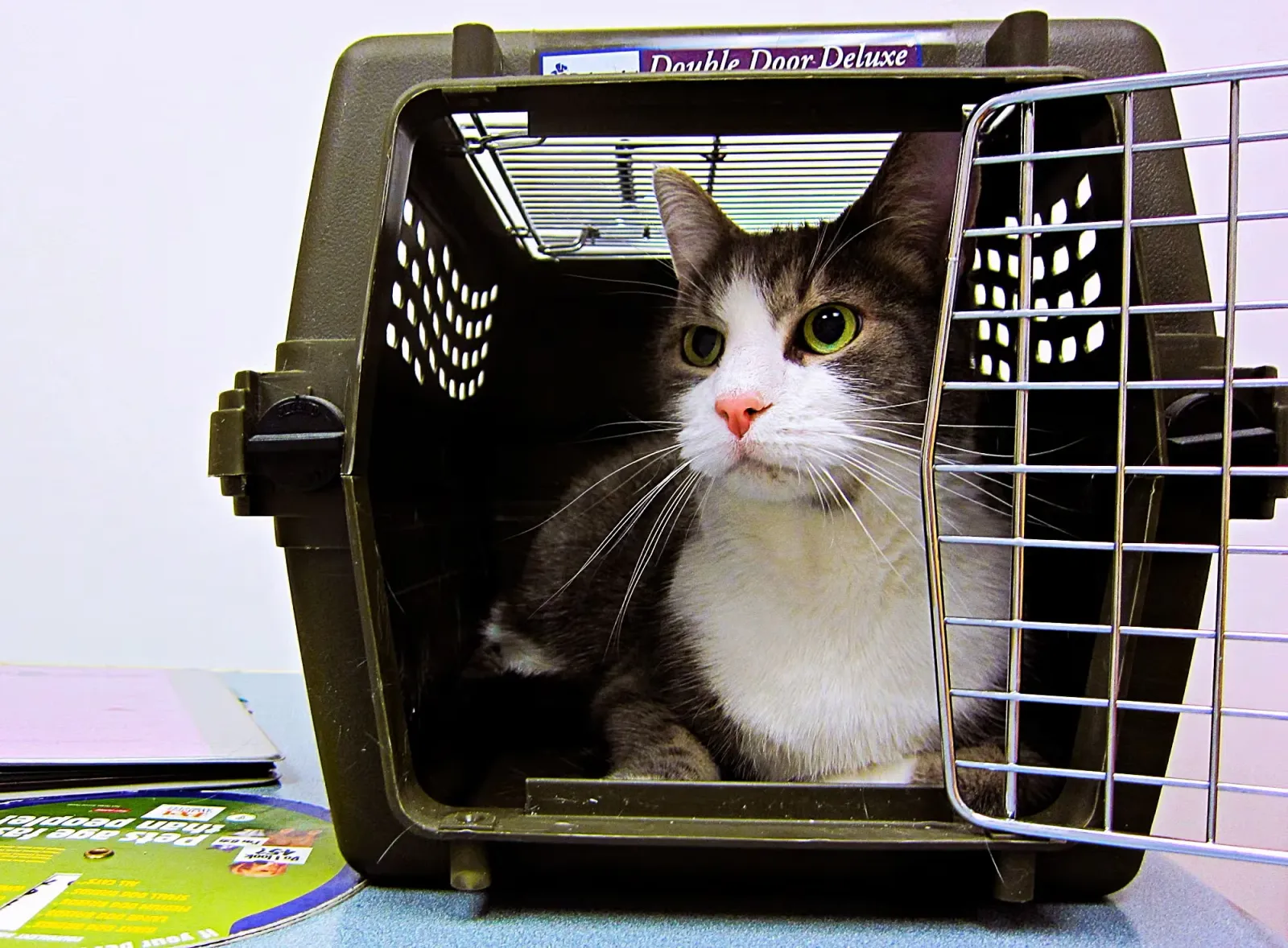
If you train your cat using a cage, crate, or even carrier, it’s a good idea to leave it open just so they don’t solely associate it with going to the vet, time out, etc.
Photo by Mouser Williams on Flickr/PhotoScape
Caging Cats Can Be Beneficial
I hope this article has cleared up any misconceptions people have about the caging of cats. Really it's for the benefit of the cats, their health, and social stability. I know there are catteries and rescues out there that rely only on small cages and nothing else for the entirety of the cat's life, and I think both the humans and the cats are missing out on a lot in these situations.
That being said, I know there are also catteries, rescues, and cat parents themselves who have made enormous, elaborate enclosures both indoors and out, and I think this can't be a bad thing. All and all, most cats should be kept in the home, with their parent, where both are free to bond and enjoy each other.
This article is accurate and true to the best of the author's knowledge. It is not meant to substitute for diagnosis, prognosis, treatment, prescription, or formal and individualized advice from a veterinary medical professional. Animals exhibiting signs and symptoms of distress should be seen by a veterinarian immediately.