Creative Ways to Encourage Your Feline to Drink More Water
Hayden Scott
A Vet Visit Sparked My Quest for Better Hydration
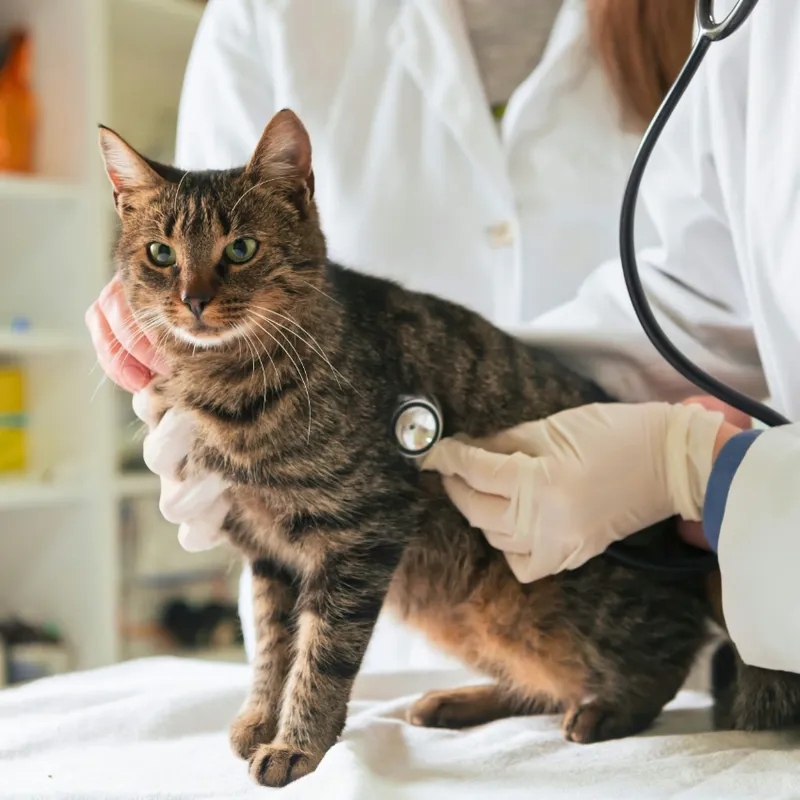
About a year ago, I noticed my cat was urinating outside his litter box—something he had never done before. When I cleaned up, I also saw blood in the urine. Concerned, I brought him to the vet, who determined he had bladder stones. After a minor surgery to remove them, he recovered quickly and returned to his usual self.
During a follow-up visit, the vet explained that the best way to prevent future bladder stones was to boost his water intake. That sounded straightforward, but my cat already had constant access to fresh water. How could I get him to drink more? I discussed it with the veterinary assistant and did some research on my own. Along the way, I found several creative solutions that encouraged him to drink more.
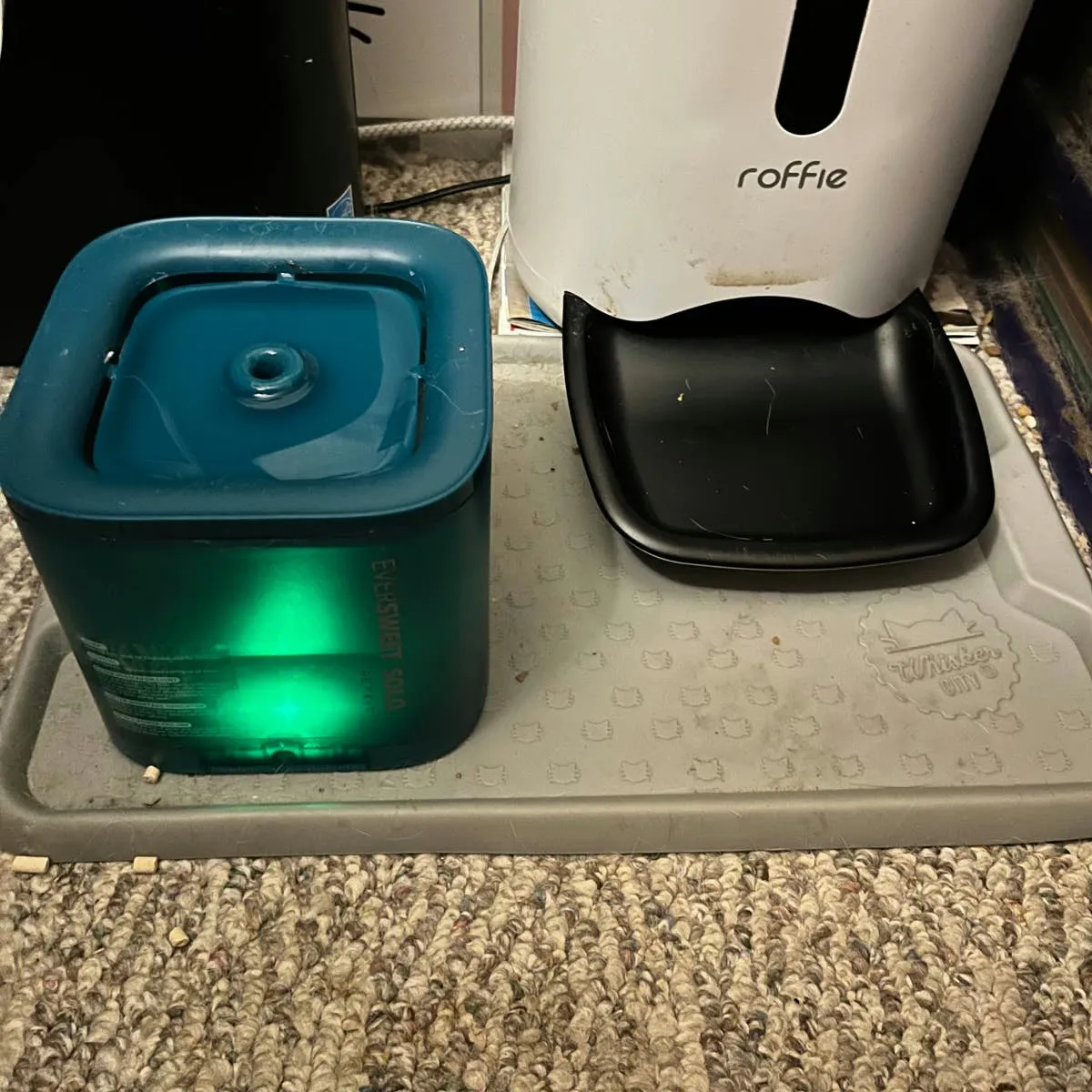
Use a Fountain to Keep Water Flowing
My research consistently showed that cats tend to drink more from moving water than from still water.
In practice, that means circulating pet fountains are often more effective than standard bowls.
The market offers many types of pet fountains, so your choice should match your cat's preferences. Most models include a replaceable filter to keep water clean—I suggest buying extra filters when you get the fountain so you have them ready for cleaning. Maintaining the fountain is crucial. By following the manufacturer's cleaning and maintenance guidelines, you can ensure your cat always has fresh, pure water that they will enjoy drinking.
Incorporate Wet Foods and Treats
A simple way to raise your cat's overall fluid intake is to replace dry food and treats with wet alternatives. Dry food typically has less than 10% moisture, while wet food often contains at least 70% water. Simply making the switch can significantly increase the amount of water your cat consumes regularly.
If your cat has been on dry food for a long time, you can transition them by mixing small amounts of wet food into their dry food. Gradually increase the wet food proportion and decrease the dry food until they are eating mostly wet food.
You can also find a variety of "lickable" cat treats in stores. These usually come as pastes in individual tubes and can be a convenient way to add a little extra liquid to your cat's day.
Add Water Directly to Their Meals
Whether you feed wet or dry food, you can mix a few tablespoons of water into their dish at each feeding.
My cat enjoys it when I add water to his wet food. He already loves the gravy that comes with it, and adding water lets him lap up even more of that tasty gravy.
Consider Hydration Supplements
My vet mentioned that if I couldn't increase my cat's water intake on my own, various "hydration supplements" are available at pet supply stores and pharmacies. These products contain water, flavorings, and electrolytes designed to encourage pets to drink more than they would with plain water. I've heard they can be effective, but they can also be costly, running several dollars per day when used as directed.
Fortunately, I was able to greatly increase my cat's fluid intake using some of these at-home methods, and I didn't need to buy any expensive supplements.
My vet advised that the best way to monitor my cat's fluid intake is to watch his litter box. After trying these ideas, I noticed many more urine clumps in the litter—exactly the outcome we wanted.
My cat is now in excellent health and hasn't had any more bladder stone issues since I started actively working on his hydration. If you need to get your cat to drink more water, ask your vet whether some of these ideas might work for you.
Is Your Cat Drinking Enough?
- Cat Dehydration: Symptoms, Causes, and Treatments Learn about what causes dehydration in cats, plus how much water kitty needs and how to treat dehydration.
This article is accurate and true to the best of the author's knowledge. It is not meant to substitute for diagnosis, prognosis, treatment, prescription, or formal and individualized advice from a veterinary medical professional. Animals exhibiting signs and symptoms of distress should be seen by a veterinarian immediately.
© 2022 Jacob McGee