Five Doodle Breeds and What You Should Know Before Choosing One
Alex Wood

Before You Bring a Doodle Home
Bringing a dog into your life is a major decision. Every day you will need to provide food, baths, potty breaks, and exercise. It is much like caring for a baby, except this baby stays dependent forever.
You also need to think about allergies and what kind of coat you can handle. And because dogs do not live as long as people, the likelihood is that you will outlive your pet.
Knowing what makes each breed tick is a key part of the decision. The goal is a companion that suits you and the way you live.
A Doodle—a cross between a Poodle and another breed—might be exactly what you are looking for. Below are five Doodle types worth considering for your household.
Five Doodle Varieties to Consider
- The English Goldendoodle
- The Teddy Bear Schnoodle Doodle
- The Australian Labradoodle
- The Cockapoo
- The Twoodle
“The best therapist has fur and four legs.”
— Anonymous
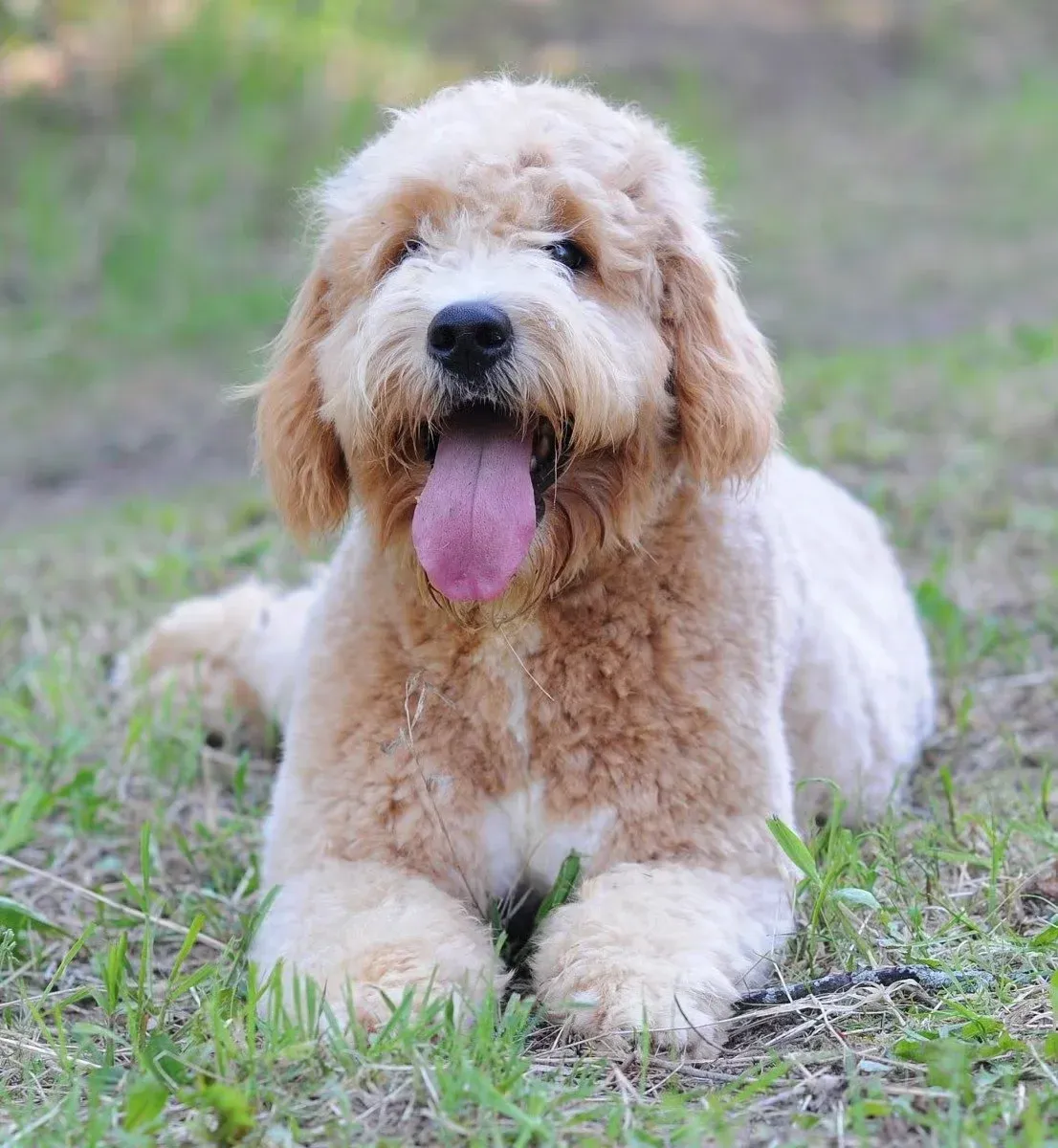
Full-grown English Goldendoodle
Google Images
1. The English Goldendoodle
An English Goldendoodle (EGD) results from breeding an English Cream Golden Retriever with a Poodle, and sometimes an Australian Labradoodle is also part of the mix. These puppies are affectionate, gentle, patient, loyal, and sweet-natured. Their coats are soft and fluffy, and they have dark eyes with long eyelashes. Size can differ from dog to dog. The EGD sheds little to not at all and is considered hypoallergenic.
- Common Health Issues: Hip dysplasia, sebaceous adenitis (a skin problem), sub-valvular aortic disease (a heart condition), Addison’s disease, and eye diseases including cataracts and glaucoma.
- Life Expectancy: 10–15 years
- Average Yearly Cost to Own: $1,000 to $1,100 for a 25lb EGD
- Cost to Buy: About $2,895
- General Care (Fur, teeth, etc.): Brush based on the type of coat. Bathe every three months. Clean teeth at least three times per week to keep teeth and gums healthy; more frequent brushing is always better.
- Physical Needs: 20–30 minutes of daily exercise keeps your puppy in good shape, though more is always better.
- Food: 1–4 cups of high-quality dry dog food daily, with the amount adjusted for the dog’s weight and size.
| Pros | Cons |
|---|---|
| Easy to train |
|
Can suffer from separation anxiety if left alone for long periods of time
| |
Wonderful companions, love personal contact
|
Seperation anxiety makes the EGD destructive
| |
Make great service, therapy, and sniffer dogs
|
Too large for apartments or condos, needs a fenced in backyard and room to move/play
| |
Low dander, low shed
|
EGDs are prone to ear infection
|
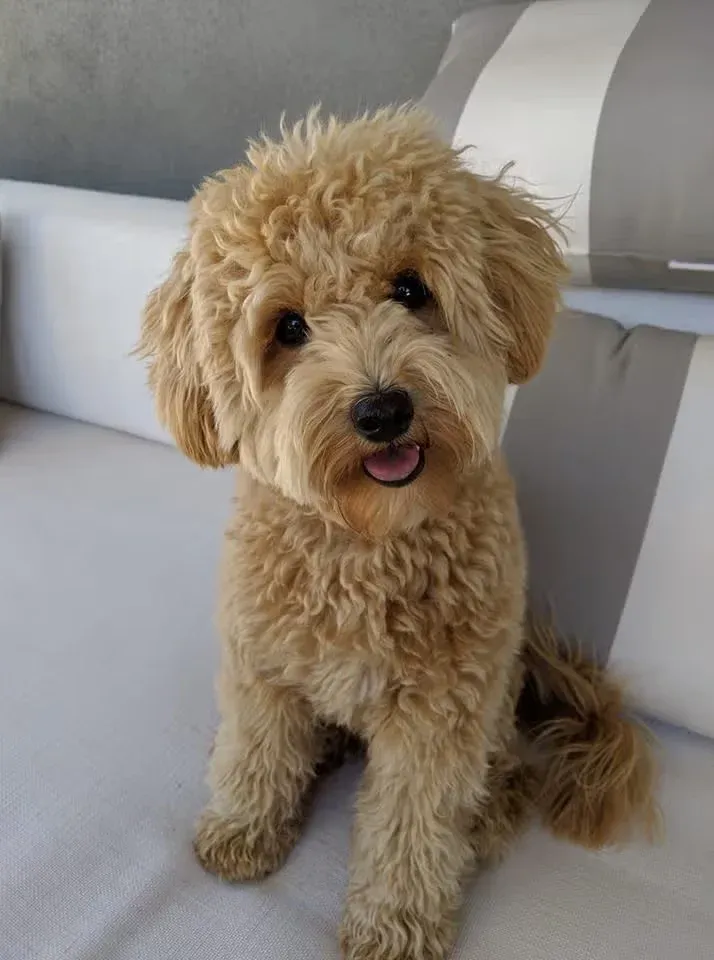
A full-grown Teddy Bear Schnoodle
Google Images
2. The Teddy Bear Schnoodle Doodle
A Teddy Bear Schnoodle Doodle (TBS) comes from mixing a Schnauzer with a Poodle. The result is a calm, gentle, intelligent, and obedient dog with a sweet disposition. A TBS may show a stubborn or mischievous streak, but reward-based training can address that quickly.
Schnoodles have a rounded, fluffy head, a short muzzle, and almond-shaped eyes. Ear length and size depend on the parent dogs. These dogs have fine bones and are usually small in size. They do not shed and are hypoallergenic.
- Common Health Issues: Skin problems, Schnauzer comedo syndrome, patellar luxation, canine hyperlipidemia
- Life Expectancy: 10–15 years. However, the larger the dog, the shorter the lifespan.
- Average Yearly Cost to Own: First-year estimate: $500–$2,000. 2nd-year estimate: $500–1,000
- Cost to Buy: Between $650 and $2,000
- General Care (Fur, teeth, etc.): Coat needs weekly brushing, trim nails every week or two, keep ears clean and dry.
- Special Care Notes: If the Schnoodle inherits “Poodle curls,” take the puppy to the groomer every 4–6 weeks to prevent matting.
- Physical Needs: Walks of 30 minutes to 1 hour is enough to keep the puppy healthy, but more is always encouraged.
- Food: 3/4 cup of dry, high-rate food. Adjust the amount according to size.
| Pros | Cons |
|---|---|
| Always cheerful |
|
Have to be mentally and physically stimulated or they’ll become destructive and untrainable
| |
Are dextrous animals
|
Tend to shake if in a situation that’s new or scares them
| |
Very loyal and protective of family, but not prone to violence or aggressiveness
|
Are prone to jumping on people, but you can train them not to
| |
Very trainable, and eager to please owners
|
Can get attached to one specific person in the family and can lead to separation anxiety if their “favorite” person isn’t around most of the time
| |
Love to snuggle, and make wonderful companions
|
Some (not all) have a headstrong trait and may not tolerate poking and tugging from little children
| |
Get along with everyone, great therapy and watchdogs
|
Poodles and Schnauzers are prone to obesity, so healthy diet and exercise are a must
|
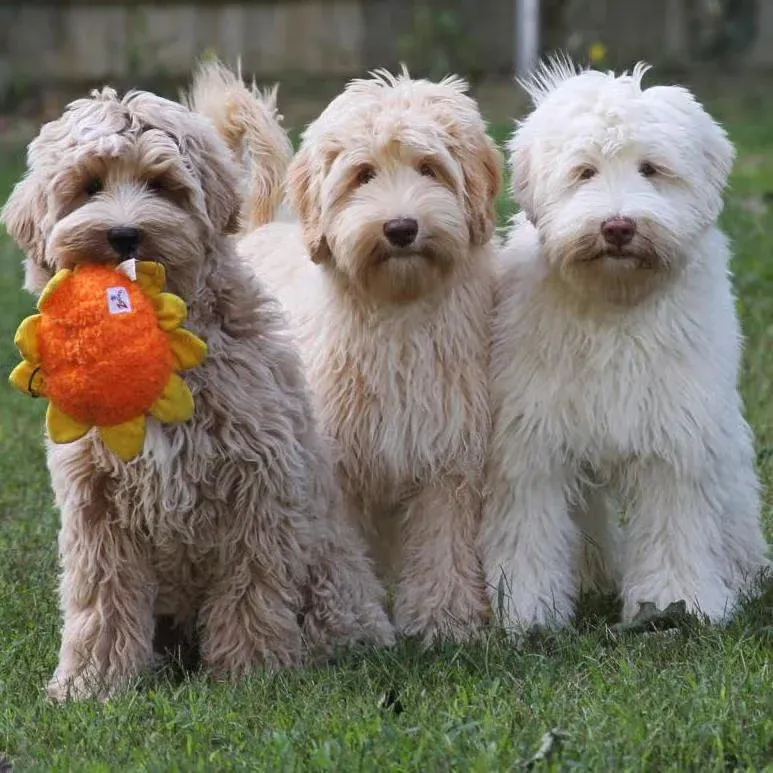
Three full-grown Australian Labradoodles
Google Images
3. The Australian Labradoodle
The Australian Labradoodle combines a Moyen Poodle with a Labrador Retriever, and several other breeds are frequently included in the lineage. These dogs are confident, playful, active, affectionate, and highly social, with a sweet temperament. They do not shed, but they are not hypoallergenic.
Coat colors include black and tan, brindle, blackish blue, caramel, chocolate, red, cream, brown, apricot, gold, silver, blue, and golden gray. The body is square and athletic, the muzzle is long, the coat is thick and fluffy, and the ears are large and floppy.
- Common Health Issues: Patellar luxation, hip and elbow dysplasia, Von Willebrand’s disease, and progressive retinal atrophy.
- Life Expectancy: 13 to 15 years.
- Average Yearly Cost to Own: Between $2,250 and $3,550
- Cost to Buy: Between $500 and 3,000
- General Care (Fur, teeth, etc.): Coat requires regular brushing by a professional groomer. If not brushed enough, fur will mat. Go every 4–6 weeks.
- Physical Needs: A minimum 45-minute walk would work, or shorter walks throughout the day. Also, 30 minutes of off-leash play isn’t necessary but is good for the puppy. Number of walks per day: 2–3. Total exercise needed per day: 45–60 minutes.
| Pros | Cons |
|---|---|
| Great swimmer, loves water |
|
High energy levels can be hard to manage
| |
Works well as a guard, guide, or therapy dog
|
Constant expensive visits to groomer
| |
Very smart, easy to train, likes to hike
|
Too sporty for some
|
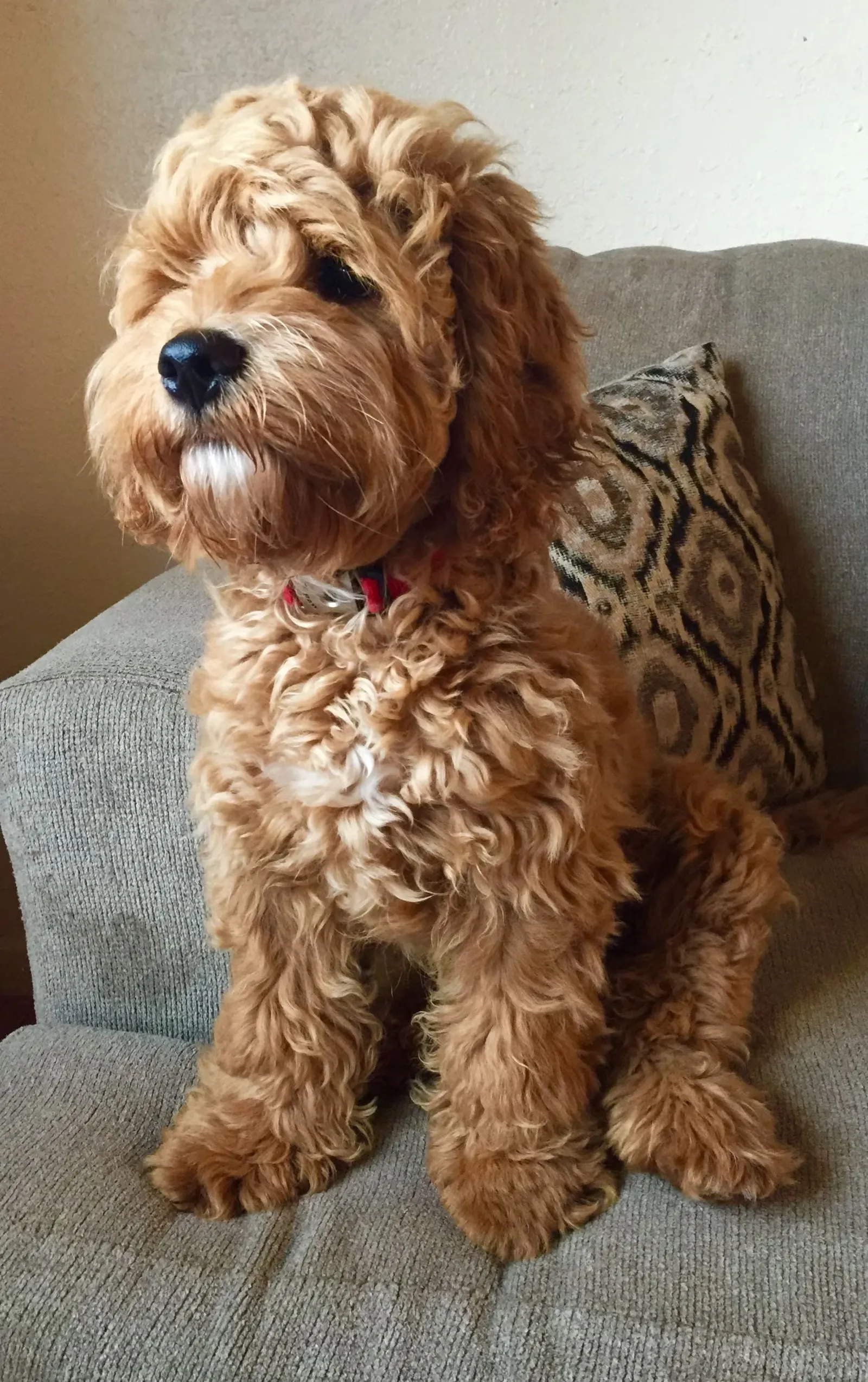
Full-grown Cockapoo
Google Images
4. The Cockapoo
The Cockapoo is a cross between a Cocker Spaniel and a Poodle. These small dogs shed little to none, have a sweet disposition, and are loyal, affectionate, intelligent, social, and hypoallergenic. They are simply adorable.
- General Health Issues: Cataracts, glaucoma, and painful hip and knee defects
- Life Expectancy: 12–15 years
- Average Yearly Cost to Own: Around $775
- Average Cost to Buy: Anywhere from $900 to $2,500
- General Care (Fur, teeth, etc.): Brush regularly, and bathe only when necessary (ex: covered in mud). Brush teeth at least two to three times a week.
- Physical Needs: 15 minutes of activity. Games of fetch, walks, and good runs are enough to keep your pup healthy and spry.
- Food: Adult Cockapoos should be eating around 1/4 to 3/4 cups of food, divided into two separate meals every day. Some Cockapoos are allergic to corn, soy, and wheat, so you may consider buying your dog raw food (preferably the ones that contain meat/organs/animal fats) according to your veterinarian’s recommendations.
| Pros | Cons |
|---|---|
| Known as a non-barker |
|
So affectionate, you may find yourself sneaking away from the dog for some time alone
| |
Very easily learns tricks, easy to train
|
Dog has very high energy levels
| |
Super strong bond forms between owner and pet that is nearly impossible to break
| |

Full-grown Twoodle
#SmeragliaTeddybearTwoodles
5. The Twoodle
The Twoodle is a loving and highly intelligent mix created by crossing an English Goldendoodle with a Schnoodle. These puppies shed little to none and are hypoallergenic. Coat colors range from chocolate, chocolate and tan phantom, black, cream, champagne, to parti. Their coat is soft and remarkably fluffy. Twoodles are among the smartest of all Doodle types.
- Common Health Issues: Hip dysplasia, sebaceous adenitis (a skin problem), sub-valvular aortic disease (a heart condition), Addison’s disease, and eye diseases such as cataract and glaucoma.
- Life Expectancy: 10–15 years
- Average Yearly Cost to Own: Between $1,000 and $1,100 for owning a 25lb Twoodle
- Average Cost to Buy: $3,095
- Physical Needs: 20–30 minutes of exercise is enough to keep your puppy healthy, but more is always encouraged.
- Food: 1–4 cups of high-rate dry dog food per day. Change amount according to the weight/size of the dog.
| Pros | Cons |
|---|---|
| Great service and therapy dogs |
|
There is a limited amount of Twoodles being bred each year
| |
Intelligent
|
Twoodles are slightly more expensive than other Doodle breeds
| |
Adorable!
| |
“When I look into the eyes of an animal, I do not see an animal. I see a living being. I see a friend. I see a soul.”
— A.D. Williams
Finding a Proper Breeder
While researching this article, I looked into the following breeder names and websites:
- TeddyBear Goldendoodles Smeraglia
- Southern Charm
- Skyedoodles
This article is accurate and true to the best of the author’s knowledge. It is not meant to substitute for diagnosis, prognosis, treatment, prescription, or formal and individualized advice from a veterinary medical professional. Animals exhibiting signs and symptoms of distress should be seen by a veterinarian immediately.
© 2020 Mag