Considering a Rottweiler? Key Points from an Experienced Owner
Charlie Ross

Getting to Know the Rottweiler
Many people find themselves drawn to the idea of having a Rottweiler, and that interest is understandable. I have lived with these dogs for a decade and have grown to appreciate them deeply. The breed stands out not just for its powerful build and imposing look, but for the devotion it shows to the people it watches over.
Fans often call them "Rotties," and beneath the tough exterior and the negative image sometimes pushed by media outlets, they have a gentle side. Some individuals have tried to take advantage of the Rottweiler's guarding instincts and strong physique, which has led to a flood of unfavorable coverage and a lingering stigma.
Those who take the time to truly understand the breed tend to become very fond of them, and that affection is returned many times over. Still, there are important factors to weigh before bringing one home; adding a Rottweiler to your household will genuinely change your life.
What Is Your Motivation for Wanting a Rottweiler?
Start by examining why you believe this breed is right for you.
- Are you looking for a companion?
- Do you want a dog for protection?
- Have you had a Rottie before?
- Do you think having this dog will boost your social standing or make you look tough?
If your reason is the last one, it is best to stay away from this breed. Rotties are not fighting dogs, and they should never end up with anyone who wants to use them that way. They are also not suitable for those without experience, as a visit to an animal shelter will show. Many Rotties are surrendered because their owners were not ready for the challenges of a smart but strong-willed breed.
Getting a Rottie only for its appearance is likely to lead to trouble; without proper research and a real grasp of the breed, they can become very difficult to manage. That said, if you genuinely value this impressive animal and are prepared for the work, keep reading.
Puppy or Adult Dog: Which Is Right for You?
I have had both, and several factors affect this choice. A puppy lets you begin all training from the start, with a blank slate. This helps because training a Rottie can be challenging, so starting early is better. An adult dog might come with extra difficulties, such as a background of mistreatment (like my female, "Roxy") or neglect, or a lack of training.
Even so, a dog owner with experience can work through these issues. In fact, rescuing an adult Rottie from a shelter can be incredibly rewarding. Giving one a second chance might be the best decision for both of you; just be patient and allow extra time for the dog to settle in. Each year, many animals are euthanized in shelters because there are not enough homes, so adoption can be a wonderful choice.
Also remember that a puppy will need house training, while many adult shelter dogs already have that skill. If you do choose a puppy, avoid pet stores; those dogs often come from puppy mills, where conditions are terrible and health problems are common. Go to a reputable breeder and ask for references.
Understanding the Rottweiler Temperament
As mentioned, the Rottweiler is extremely loyal. They build a strong bond with their owner and like being nearby; my own big dogs follow me around the house, always wanting to be close enough to touch me with a paw or a wet nose. They are naturally protective, but that is not the same as being aggressive.
With proper training, Rotties can tell the difference between a friend and a threat. They do not need to be taught to guard; if they are well socialized and learn whom to trust, they can sense danger on their own.
They have vivid personalities and are very loving with people they feel safe around. They usually do well with children and are generally patient, but you should never leave a child unsupervised with any animal. Rotties still have some herding instincts from their ancestors, so they might try to herd small or energetic children.
Breeders and Shelters: How to Choose
Here is how to approach breeders and shelters.
Breeders
If you buy a puppy from a breeder, make sure to see and interact with the parents of the litter so you can judge their temperament. Some breeders use selective breeding to encourage aggressive traits, which is the opposite of what you want in a Rottweiler.
Shelters
If you adopt from a shelter, ask plenty of questions to learn about the dog's behavioral history. Spend as much time as possible getting to know the dog before adopting, perhaps even fostering first.
Training Your Rottweiler
Whether you get your Rottie from a breeder or a shelter, starting positive reinforcement training as soon as possible is one of the best things you can do. They can be very stubborn and determined by nature, and if that is not managed, it can become a serious problem, so they need an owner who is firm and in charge. Never hit your Rottie as a punishment.
Training at home should begin right away and continue consistently, but also think about professional training classes. The real-world experience and socialization with other dogs and people are extremely valuable. It is impossible to overemphasize the importance of socialization. (Your puppy should be fully vaccinated before meeting other animals or going to places where animals gather.)
Introducing him to as many new people, animals, sounds, and places as early as possible is essential for his development. This will help him grow into a calm, well-mannered dog. Even before his puppy shots are complete, you can invite people to your home to start the process.
Grooming Needs
Rottweilers do not require much grooming: baths about twice a month, regular nail trims, and ear cleaning. However, they do shed a fair amount. Their undercoat is short but thick, and it will still leave small black clumps of fur around your home. Be ready to sweep or vacuum weekly, if not daily.
Because their nails are black, you cannot see the "quick" (the center of the nail with nerves and blood vessels), so if you are not experienced with nail trimming, it is best to see a professional groomer.
What Does It Cost to Keep a Rottie?
Caring for a Rottie can involve significant expenses:
- First, you will want to spay or neuter your pet, both to help control pet overpopulation and to have a cleaner, healthier, better-behaved dog. This can cost from $100 for a puppy to $400 or more for an adult. Shelter dogs should already be spayed or neutered before adoption. The procedure is routine and relatively safe, and it lowers or even removes the risk of certain cancers and other health problems.
- Yearly vaccinations can cost between $50 and $150, and monthly flea, tick, and heartworm preventatives may run about $30 per month.
- Since a Rottweiler can weigh well over 100 pounds, they eat a lot, so research pet food costs. Expect to spend $30–$40 per month or more on food.
Feeding Your Rottweiler
Feed a high-quality, meat-based diet, with some type of protein listed as the first ingredient on the bag or can. Look for a formula made for the specific needs of large-breed dogs. Obesity can cause serious problems for big dogs, putting extra strain on joints, heart, and lungs. A licensed veterinarian can help you figure out the right amount to feed.
Exercise and Space
Rotties need plenty of exercise. While many are happy to relax at home and sleep while you are at work, they can still have a lot of energy and need an outlet. As part of the Working Class of dog breeds, they need to feel they have a "job" to do, even if that is play or exercise. Daily walks help keep them fit and prevent destructive behavior caused by boredom from too much confinement.
Space Requirements
They need a large, fenced yard to run in, and they should not be crated for long periods. Rottweilers should never be chained or tied outside. This can trigger territorial aggression, because they feel threatened by being unable to move and may feel a need to defend their space.
Their heavy build and dark coat also make them poorly suited to hot climates, so long periods outside in the heat should be avoided. They are not apartment dogs; in fact, it is hard to find an apartment that even allows Rottweilers because of their size and liability concerns. Even homeowners may be turned down by some insurance companies or charged higher fees, because some people with little experience with the breed consider Rotties a "dangerous breed."
Are Rottweilers Truly Dangerous?
The "dangerous" label is partly due to biased statistics in the media. Any dog can be dangerous in the wrong hands; Rottweilers as a whole are not, but a reckless owner can train them to be. Again, please do your research before deciding to own this dog.
Lifespan and Health Concerns
A Rottweiler can live 10–15 years with proper care; I currently have a 13-year-old female. They can develop several health issues, so you need to be prepared financially, physically, and emotionally:
- Due to their size, they are prone to arthritis, which can make walking, standing, and lying down very difficult, especially if they are overweight. If your dog needs help getting up from the floor, getting into the car for a vet visit, or using stairs, are you physically able to assist? There are also many quality joint supplements available that can be used for preventive care and pain relief. These products are not cheap for a large breed, since dosing is based on weight.
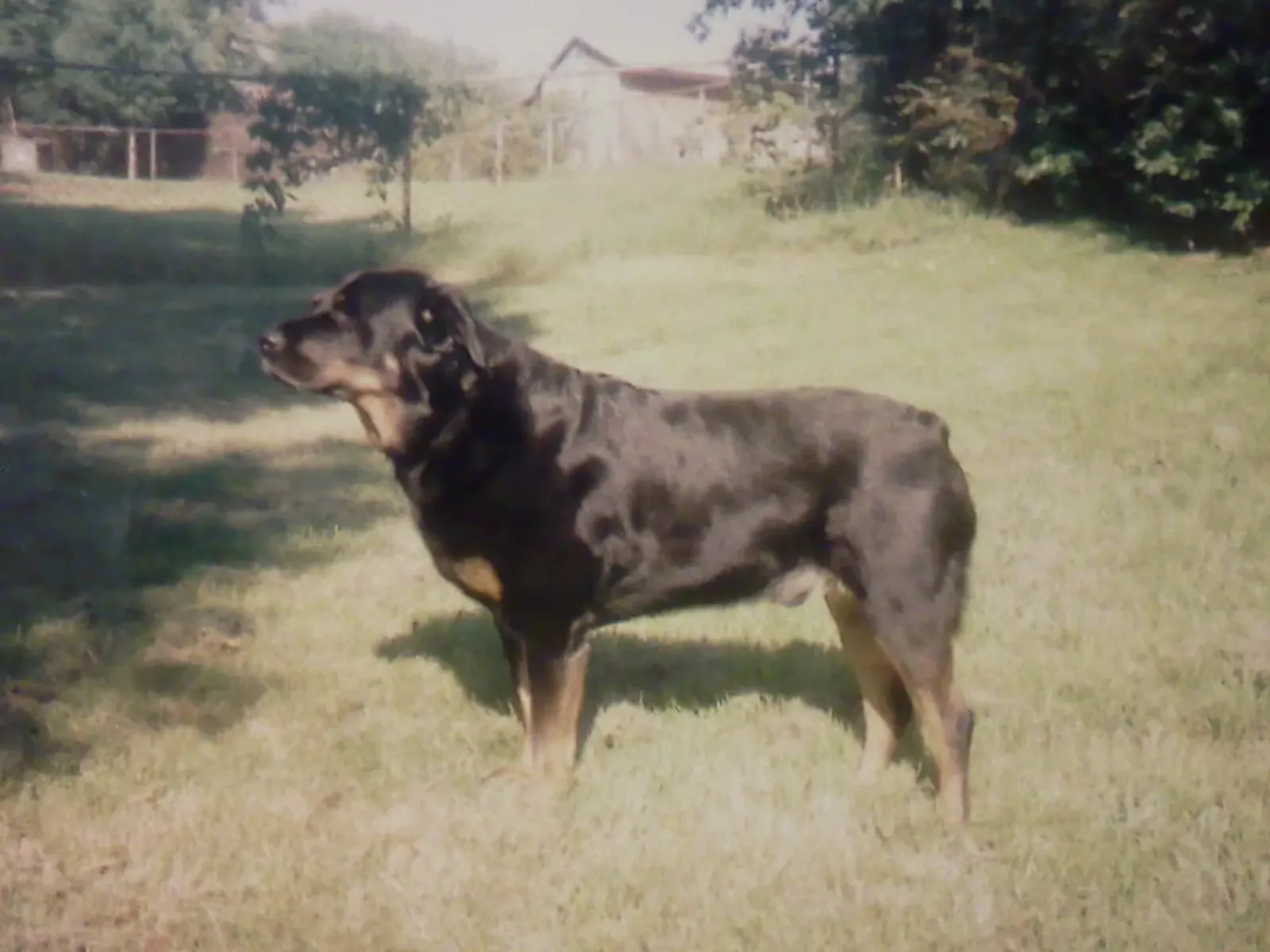
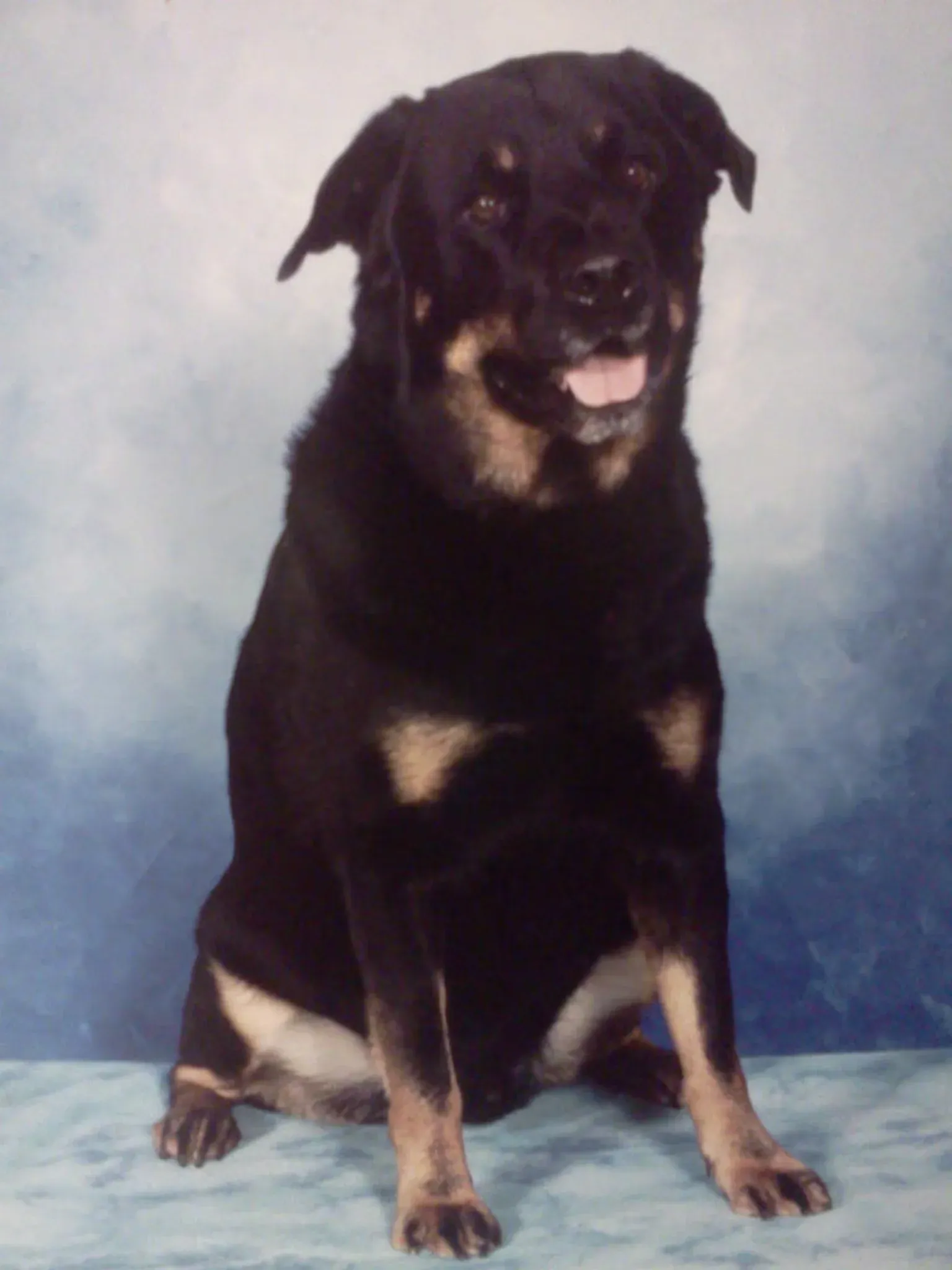
- Rotties are predisposed to different forms of bone cancer, and it is not uncommon for that to be the cause of death. There are conventional and holistic treatments that can extend and even improve your dog's life, but there is currently no cure. Sadly, I lost my 10-year-old male, "Butch" (pictured in this article), to this aggressive disease after 6 months of chemotherapy.
- You may also deal with other, less severe issues, such as allergies, ear infections, or scrapes and cuts (they can be a bit clumsy).
One general rule to remember: The bigger the dog, the bigger the vet bill.
Rottweilers Can Be Wonderful for the Right Owners
Overall, the Rottweiler makes a great companion when placed in the right hands. If you have done your research, looked at your home, considered your lifestyle (and your bank account), and feel ready for the commitment, then congratulations. You will be rewarded with a true friend.
This article is accurate and true to the best of the author's knowledge. Content is for informational or entertainment purposes only and does not substitute for personal counsel or professional advice in business, financial, legal, or technical matters.
© 2011 Mrs. JC