Five French Canine Breeds Worth Knowing: From Papillons to Dogues de Bordeaux
Quinn Murphy
1. The French Bulldog
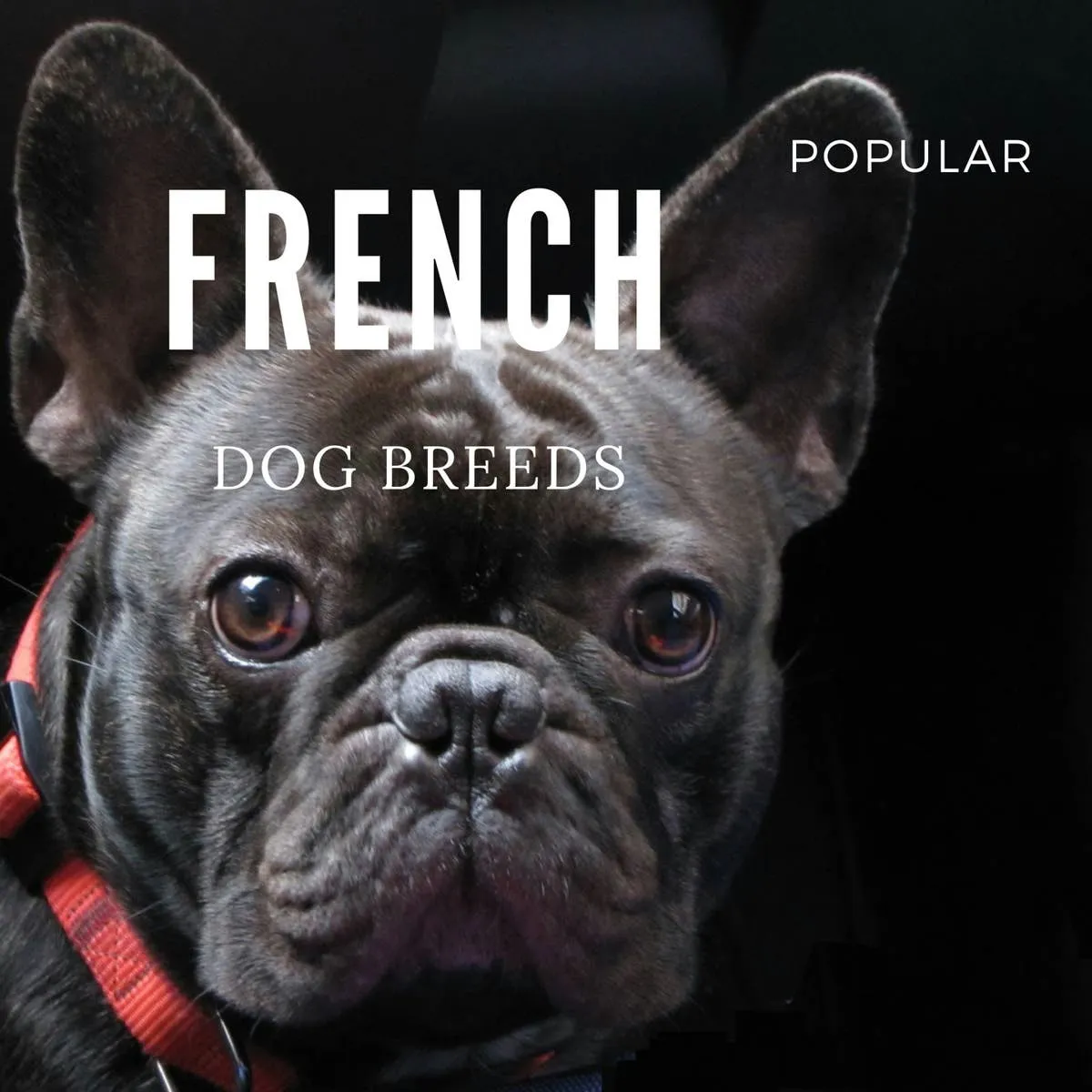
Are French Bulldogs actually from France? The truth is that the French Bulldog's forebears might be Greek and could have been spread by the Phoenicians. Bulldogs, as well, were developed by the British and might have arrived in France alongside lace workers. So, is the Bulldog also French? Mais oui!
Frenchies are compact and seldom bark. Their coat is short and smooth, and they come in fawn, tan, white, and even brindle. Sadly, the breed is susceptible to health issues due to its short muzzles and large eyes. Some have difficulty breathing, particularly in hot and humid conditions, and some may develop eye problems such as cherry eye, juvenile cataracts, corneal ulcers, and glaucoma. Frenchies are also prone to back issues and patellar luxation (trick knee), and the majority (around 80%) need c-sections for whelping.
French Bulldogs are good with children and make wonderful companions. However, they are best suited to someone living in an apartment and leading a more sedentary life rather than an active one (the breed does not handle extreme physical activity well). No further questions—these little dogs are definitely French.
Featured Gallery
1 / 1

_Papillons are not able to do everything. They just think they can.
CC0_
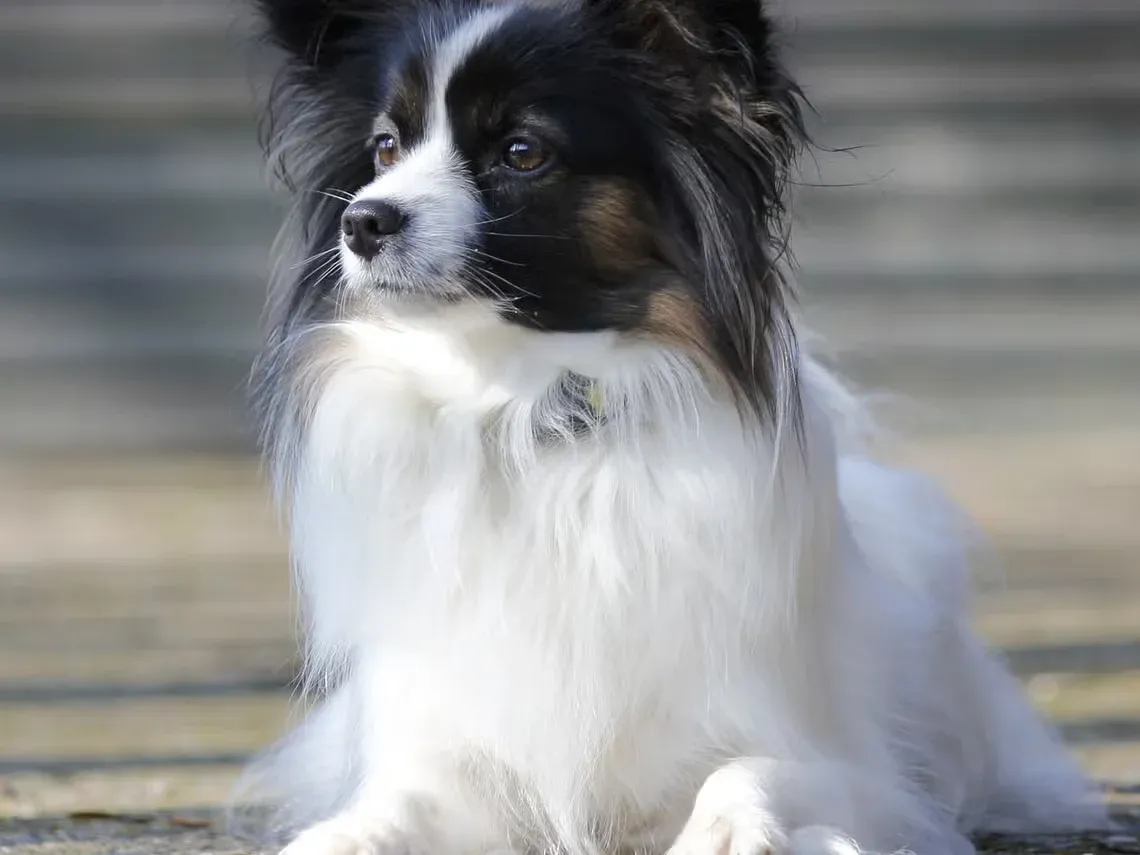
_Papillons are known to be quiet.
CC0_
2. The Papillon
The Papillon is small, clever, and healthy, and while much can be demanded of a dog, the Papillon can meet many challenges. This breed weighs only about 2 to 5 kilos or around 5 to 12 pounds, so no, a Papillon cannot be expected to guard your home. In other words, Papillons will never succeed in Schutzhund competitions.
The Papillon is not a quiet dog, and he does not fit the criteria for small dogs that shed little, but he can offer plenty of amusement. Papillons need lots of exercise, and when walked sufficiently, will be quiet indoors. They are adept at learning new tricks and excel in agility competitions. They make wonderful companions, but they need socialization like any dog. They are known to get along well with other pets and small children.
Like most small dogs, they are prone to luxating patellas (trick knee), and because the breed's mouth is so small, they need their teeth brushed daily. Their average life expectancy is 12 years, but they may live to be 15 or 16. So, if you want a small, intelligent, confident French dog, a Papillon might be right for you.
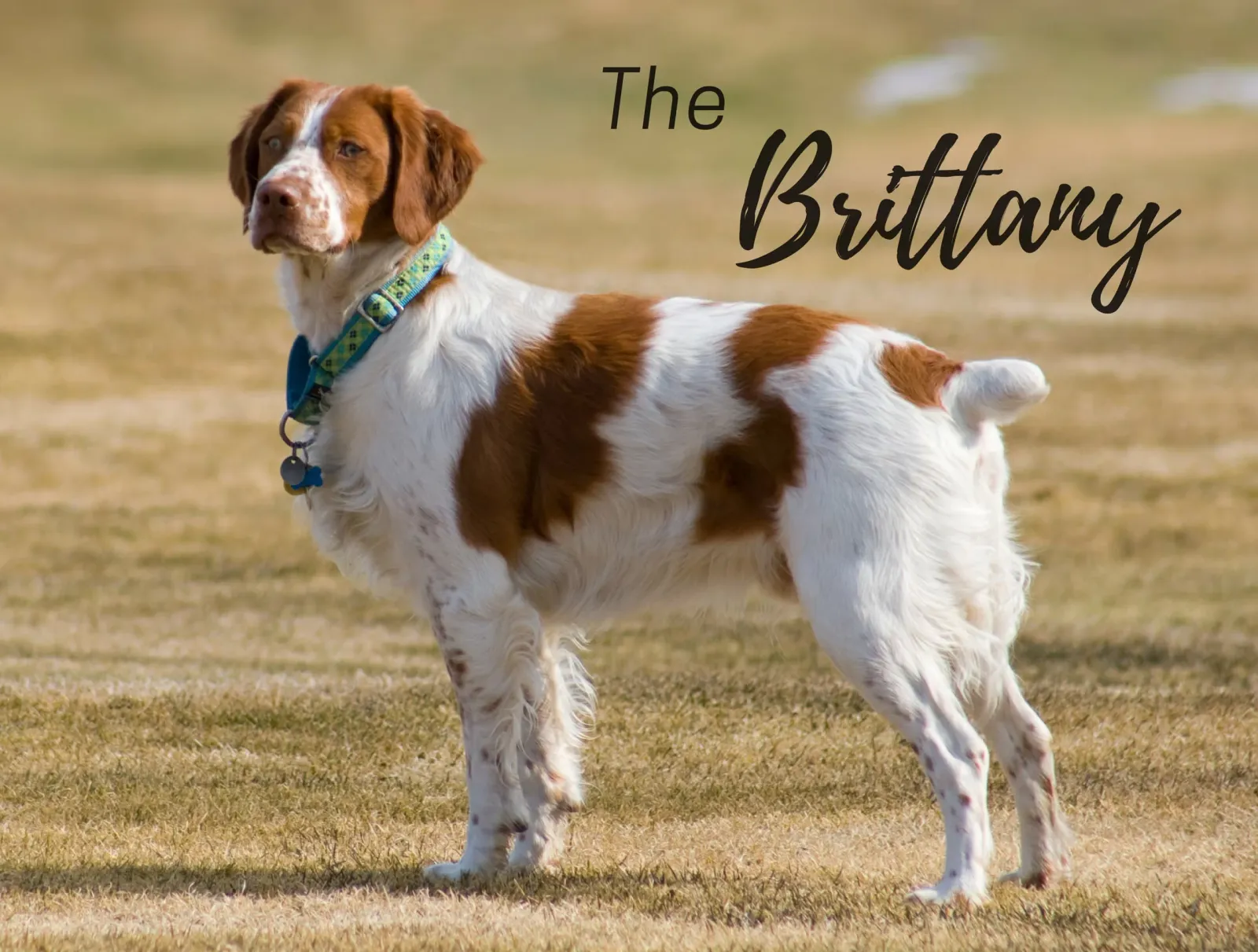
The Brittany is a multi-purpose dog.
Pharaoh Hound CC BY-SA 3.0
3. The Brittany Spaniel
The Brittany is often mistaken for a gun dog. Yes, she is a gun dog, but she is so much more. For those who like to hunt, the Brittany is an all-purpose dog: they hunt, they point, and they retrieve.
The Brittany is athletic, like most gun dogs, and needs to be walked daily and exercised for about an hour a day. Other than that, they are a low-maintenance breed, however, like all dogs, they need training and socialization. They do not need to be brushed daily and do not need to go to the groomer—they only need an occasional bath since their coats are very fine.
Since Brittanys are medium-sized (usually 20 kilos or 45 pounds or less), they do not have the same health problems as large breeds and toy dog breeds. About 10% of Brittanys will develop hip dysplasia, and even fewer will have epilepsy. The breed is also prone to ear infections since its ears are floppy. In good health, they live to be 13 or 14 years old. If you are looking for an affectionate dog that is active but low-maintenance, the Brittany is an excellent choice.
Featured Gallery
1 / 1

_Basset Hounds will run off if following a good scent.
Anderson Nascimento CC BY 2.0_
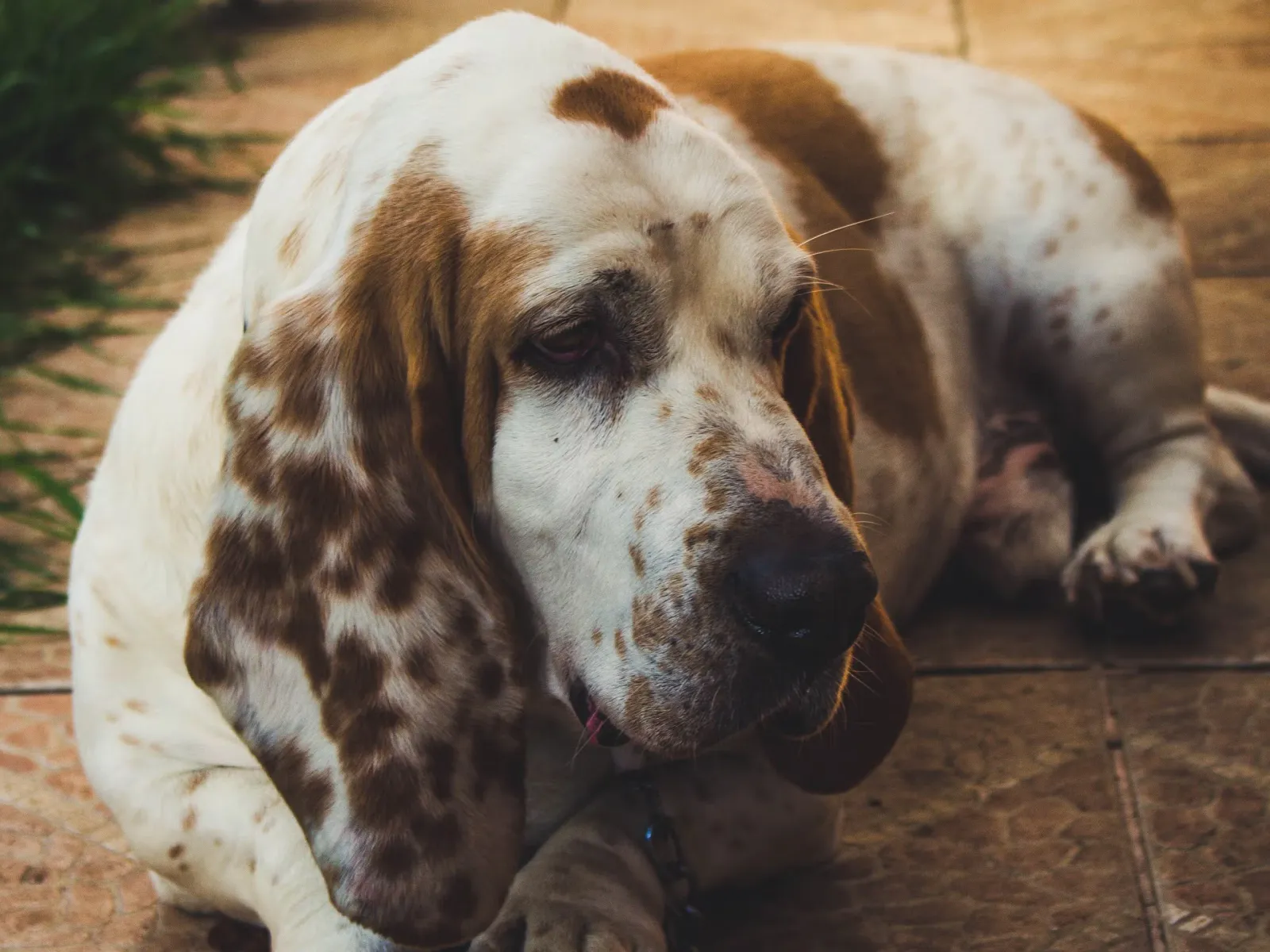
_Classic Basset Hound expression.
CCO_

_Basset Hounds like to sleep.
beckleybisset 3355159132_
4. The Basset Hound
The Basset Hound is really a working dog with a tracking ability only second to Bloodhounds, and is famous in France and everywhere else. The breed is friendly and mellow and makes for a great family dog. Basset Hounds are big dogs, weighing about 20 to 35 kilos (around 45 to 75 pounds), but they lack height and are certainly not built for swimming.
These dogs are prone to ear problems like chronic mite infestations and ear canal infections. (That should be no surprise.) Even Basset Hound puppies are known to trip over their own ears! Basset Hounds may develop back problems, eye infections, and chronic skin infections. Bloat is also a concern because of the way they are built, as is obesity. Bassets usually average 11 years of age.
These scent hounds might end up finding something to chase and run off if let off-leash. A fast owner might be able to chase their dog by watching the white tip on the tail, but this breed moves surprisingly fast. If the loose dog does not stop to howl, he will be long gone or may be at risk of being hit by a car. If you want one of these amazing dogs, be sure to keep them on the leash!
Featured Gallery
1 / 1
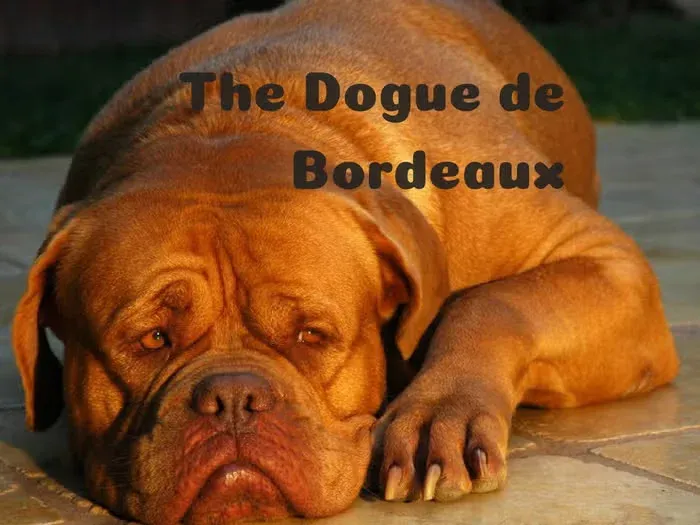
_The Dogue de Bordeaux breed is large and powerful.
Tomer Jacobson CC BY-SA 3.0_
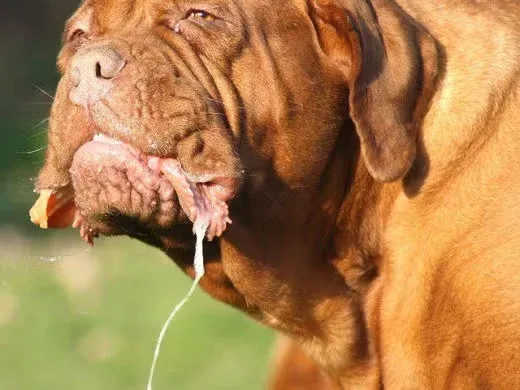
_The Dogue de Bordeaux is known to slobber at times!
dogwarts 3449896816_

A Dogue de Bordeaux
5. The Dogue de Bordeaux
The largest of the best dog breeds from France is the Dogue de Bordeaux. They are one of the French Mastiff breeds and may have descended from Tibetan Mastiffs and the Roman soldier dogs used during wars against the Celts. The Dogue de Bordeaux breed is massive (at least 50 kilos or about 110 pounds) and powerful.
Like many giant dogs, they have a lot of health issues. About half of them suffer from hip dysplasia, and some are prone to heart and aortic diseases and may die sudden deaths. These dogs also have problems because of their short snouts and small nostril openings (stenotic nares). They have problems handling the heat and may, therefore, overheat rapidly when exercised. Some Dogues are also prone to an eyelid problem called ectropion during which the eyelid rolls out; the affected eye typically becomes infected.
Most dogs only live for 5 or 6 years, and the oldest Dogue in America died at the age of 12. They are wonderful dogs, and willing to give up their lives to protect their family. They are also one of the dog breeds that die much too young. If you decide to add a giant to your life, your heart might end up broken.
How to Find the Perfect Breed for You
Some French breeds are not as popular as German and British breeds, so they might be harder to obtain. Your first stop should be your local animal shelter. They might have a great dog that has been dropped off by an owner forced to move, and you might find just the dog you are looking for.
Be sure to check Petfinder, too. They have listings for animal shelters in several areas, and you might find a French dog in a city you can travel to. Try a breed rescue if you are looking for a specific type of dog.
You might also visit a dog show and talk to breeders who have the kind of dog you are looking for. Nothing may be available at that moment, but a good puppy will be with you for many years and is worth waiting for.
Do not buy from a pet shop or an internet puppy wholesale operation. Your new dog may be from a puppy mill and will end up making your life miserable since it will be next to impossible to housetrain him!
More About Dogs
- 5 Dog Breeds With the Longest Life Expectancy Are you looking for a breed of dog that will live a long and healthy life? Photos, videos, and a description of the best five will help you choose a companion for many years to come.
- 5 Dog Breeds That Like and Are Good With Cats Do you enjoy seeing great photos and videos of dogs and cats? Here are five great dog breeds that like cats, as well as three cat breeds that do great with dogs.
- 5 Fat Dog Breeds If your dog makes this list, she needs extra walks, less food, and training without extra treats. Find out which dog breeds are prone to obesity.
© 2013 Mark dos Anjos, DVM