Dog Breeds Frequently Targeted by Breed-Specific Legislation
Dakota Morgan
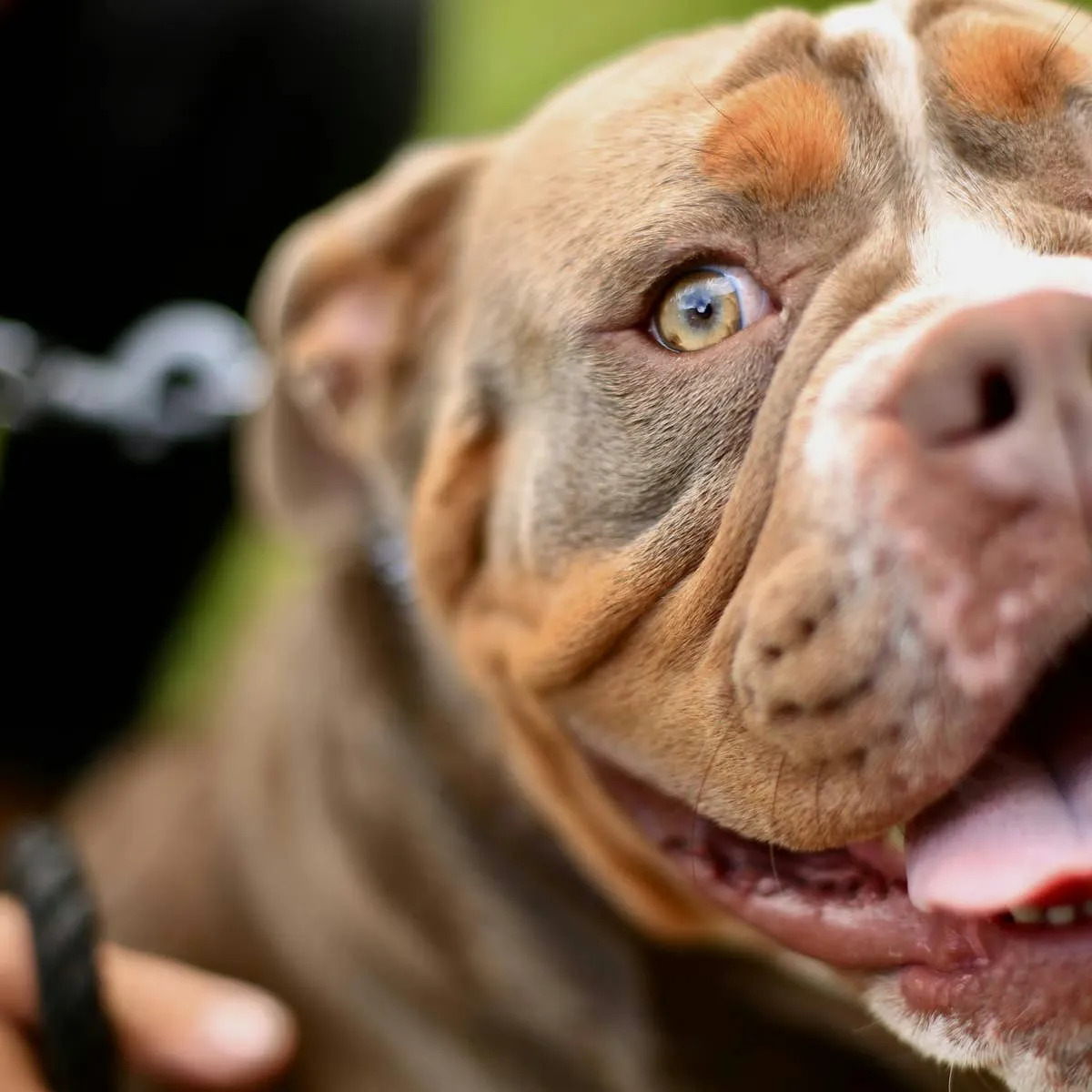
Five Canine Varieties Often Labeled "Problematic"
These dog breeds themselves are not at fault. The issue arises when lawmakers assume they can determine what is appropriate for everyone and direct their authority against a specific type of dog.
Perhaps it is the legislators who ought to be restricted.
Find out why certain breeds are banned here and around the world.
Vitor Fontes via Unsplash.com
Five Dog Types That Frequently Face Bans
- Pit Bull
- Fila Brasileiro
- Japanese Tosa
- Dogo Argentino
- Presa Canario

Why are Pit Bulls stigmatized?
cc-by ickr.com cutsforkisses 3393389684
1. The Pit Bull: Prohibited More Than Any Other
Whenever a biting incident occurs, particularly a severe one, a Pit Bull gets the blame. Whether or not the dog actually is a Pit Bull is irrelevant, because if the breed cannot be identified, people default to assuming it was a Pit Bull.
A Pit Bull bite becomes a news story. If the dog involved is a stray, a mixed-breed, or a familiar hunting breed, it does not make the news.
Pit bulls are simply a mix of bulldogs and terriers. They have existed in the US for many years, used for hunting, moving livestock, and providing family companionship. The reports began once they gained popularity among drug dealers and inner-city residents.
Due to the volume of sensationalized coverage surrounding Pit Bulls, this dog faces bans more frequently than any other breed. Ownership is illegal in Miami, Florida; Denver, Colorado; Ontario, Canada; and numerous other cities and counties (including the UK, parts of Canada, Singapore, Australia, and elsewhere).
In some places, authorities gather all pet Pit Bulls to euthanize them, while other areas impose an additional tax on Pit Bulls. Those unable to pay lose their dogs, and the city council rounds them up and kills them.
Featured Gallery
1 / 1
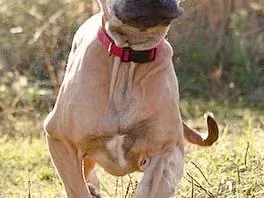
_The Fila Brasileiro is not a fighting dog.
cc-by ickr.com nursesebo 6550663677 fila_

_Fila Brasileiro puppies are large, but should not be banned.
cc-by ickr.com renatoav 4009145318_

_Filas are bred for protection, not to be banned.
cc-by ickr.com canicom 4052608872_
2. Fila Brasileiro: The "Brazilian Fighting Dog"
Several websites have labeled the Fila Brasileiro as "The Brazilian Fighting Dog."
That is incorrect.
The Fila serves as a livestock guardian, bred to be wary of strangers and animals that might threaten the herd it protects. The Fila is a good animal and does not deserve to be banned.
The Fila descends from Mastiffs, Bulldogs, Bloodhounds, and native breeds. It is tall, heavy (around 50 kilos or 110 pounds), with a short coat and loose skin that keeps it comfortable in tropical climates.
Owning this dog is illegal in the UK. It is also prohibited in Israel, Norway, Denmark, Cyprus, and Malta. Importing a Fila into Australia, New Zealand, and Trinidad and Tobago is illegal.
Featured Gallery
1 / 1

_Japanese Tosa are banned in many places.
cc-by ickr.com diesel 3255544221_

_A Japanese Tosa
cc-by ickr.com diesel 3393683525_
3. Japanese Tosa
The Tosa remains a rare breed but is recognized in many locations affected by BSL. These dogs are large, reaching about 80 kilos (200 pounds), with massive heads and necks, and muscular bodies that served them well in the sumo-style fighting they were forced to perform.
Indeed, the Tosa was developed for fighting—it knows how to wrestle. Small native dogs (the Shikoku Inu) were crossed with Mastiffs, Great Danes, and other breeds to produce this large dog.
In the UK, the Tosa is classified as a dangerous dog and cannot be owned without special permission. It is also banned in the European countries of Denmark, Norway, Iceland, Malta, Cyprus, and Turkey, and is illegal in Malaysia, New Zealand, and Australia.
Featured Gallery
1 / 1

_Dogo Argentino are hunting dogs but are banned in many countries.
cc-by ickr.com andigirl 3610577717_
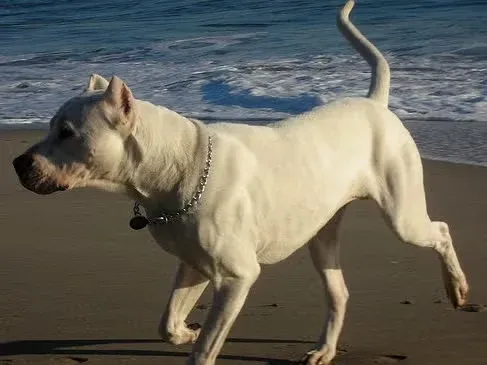
_This is a Dogo Argentino, one of the most commonly banned breeds of dog.
cc-by ickr.com andigirl 2234914187_
4. Dogo Argentino: Illegal in Many Places
This striking white dog was bred from a fighting breed but was also mixed with gentle dogs like the Irish Wolfhound and Great Dane to create a strong animal capable of hunting boar and puma.
The only individuals who use the Dogo Argentino for fighting do so illegally. That is not a valid reason to ban the breed.
They are banned in the UK, where police may seize the dogs. In the US, they have been banned in Aurora, Colorado, and New York City. New Zealand, Denmark, Norway, Singapore, Iceland, Israel, and the Ukraine have all made it illegal to own one of these dogs. In Australia, importing a Dogo Argentino is even illegal.
Featured Gallery
1 / 1

_A Presa Canario
cc-by ickr.com tehzeta 5022837539 presa_

_The Presa Canario
cc-by ickr.com erprofe 4670987525 presa_
5. Presa Canario: A Victim of Appearance
Presa Canarios suffer because of how they look. Their chests are broad, and their heads are square and wide, giving them the appearance of a guard dog or a fighter. If an incident occurs that would be ignored in a popular breed, the Presa makes headlines.
This dog from the Spanish Canary Islands was bred to work and still has not been banned in many areas. In 2001, a woman was killed by a pair of Presa Canarios that had been trained to fight and then kept in an apartment. The attorneys who had decided to keep the dogs ended up going to prison.
Presa Canario are banned in Australia and New Zealand.
These Dogs Are Not All That Dangerous
Many countries also ban American Bulldogs, Boerboels, and Neapolitan Mastiffs. Alaskan Malamutes, Siberian Huskies, Boxers, Dobermans, Rottweilers, German Shepherd Dogs, Akitas, and a few others are occasionally labeled dangerous but are too popular for legislators to target in most areas. That could change at any time.
If you want to get one of these dogs, the first thing you need to find out is whether it is legal in your area. Even if it is allowed, there are insurance requirements for homeowners, and many landlords do not allow certain breeds on their property.
Is everything okay? You can get an adult dog and evaluate her personality, or find a reputable breeder and get a puppy that can grow up with your family.
© 2013 Mark dos Anjos, DVM