The Swedish Vallhund: A Complete Look at the "Little Viking Dog"
Parker Lee
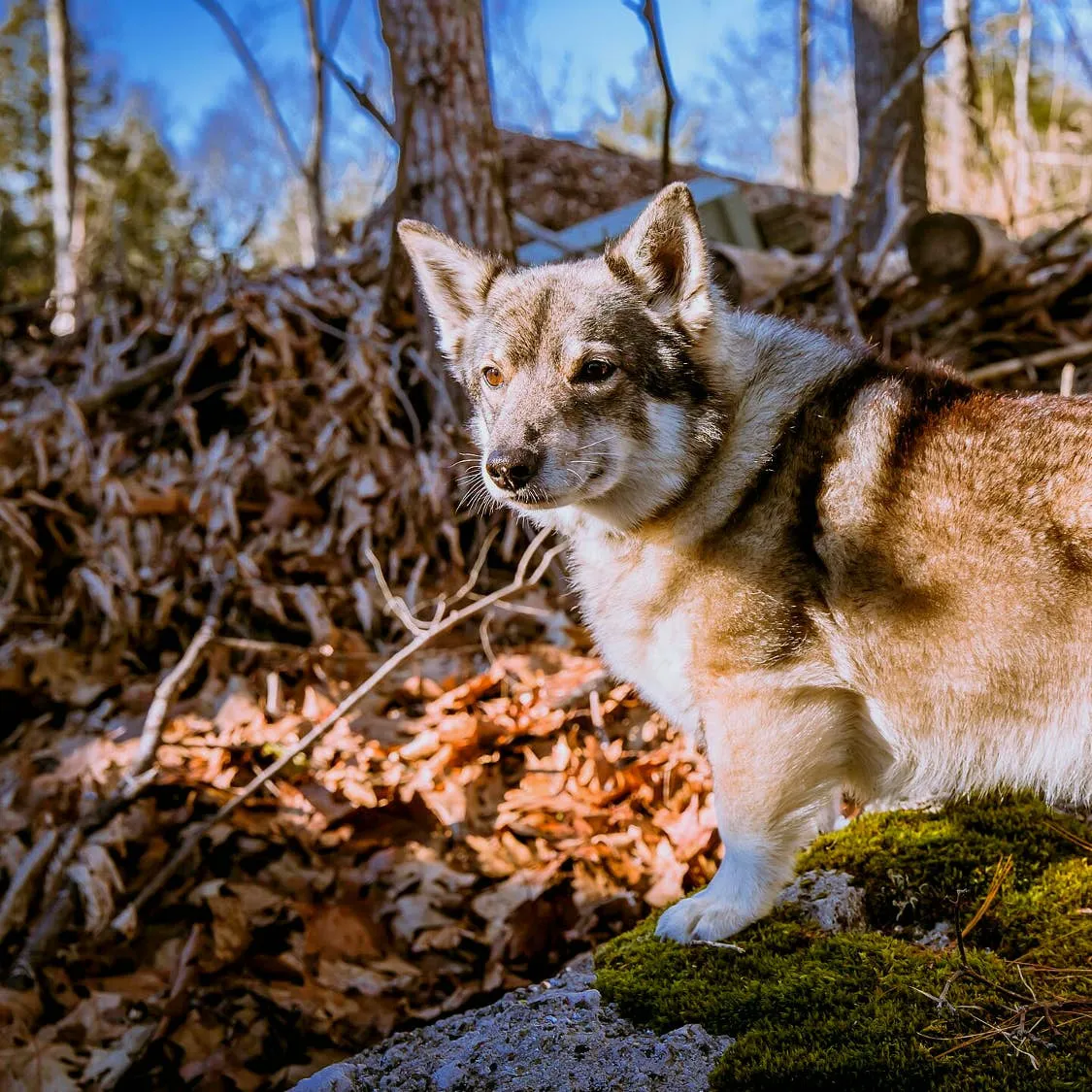
Known affectionately as the "Viking Dog," the Swedish Vallhund is a lively and distinctive breed whose origins stretch back to the Viking Age. Bred originally for herding, this dog has since become a adaptable and loving companion.
In the sections that follow, you'll find a thorough look at the Swedish Vallhund—its background, physical traits, care requirements, training approaches, and what to consider when living with one. If you're thinking about getting one or simply want to know more about this intriguing breed, this guide should cover what you need.
Origins and History
The Swedish Vallhund's story reaches back more than a thousand years, with strong ties to Scandinavia and the Viking era. These small but industrious dogs were important to Viking daily life, working as herders and watching over homes and livestock.
Viking Roots
Also called the "Viking Dog" or "Västgötaspets," the Swedish Vallhund comes from Sweden. The Vikings, famed for their sea voyages, needed herding dogs that were both versatile and efficient to bring along. These dogs were vital for moving cattle, protecting farms, and offering companionship to Viking households.
Work as Herders
Herding cattle was the main job of the Swedish Vallhund, and their nimble, compact build suited this task well. Being low to the ground let them nip at cattle's heels without getting kicked. The distinctive "V" shape on their back, created by darker fur, is thought to be a link to their Viking past—it resembles the shape of a wolf's harness, a symbol the Vikings linked to Odin, their primary god.
Close to Extinction
Even with their historical importance, Swedish Vallhund numbers dropped over the centuries. By the middle of the 20th century, the breed was close to dying out. Devoted fans and efforts to renew interest in these dogs helped stop their disappearance. The Swedish Kennel Club gave the breed official recognition in the 1940s, and since then, careful breeding programs have successfully kept the Swedish Vallhund going and promoted it.
Recognition and Growth
The breed received international recognition in the second half of the 20th century, and standards were set to preserve its unique traits. Today, the Swedish Vallhund is valued both for its historical background and for its adaptability, intelligence, and affectionate nature as a companion.
Traits and Appearance
The Swedish Vallhund is a small, robust, and energetic breed recognized for its look and appealing character. Below are important details about the breed's physical features and characteristics.
Size
The Swedish Vallhund is compact and well-proportioned. Adult males usually measure 12.5 to 13.5 inches (31–34 cm) tall at the shoulder, with females being a bit smaller.
Coat and Coloring
This breed has a double coat: a harsh outer layer and a soft undercoat. The coat is medium-length and sits close to the body.
Acceptable colors include different shades of sable with darker guard hairs and a lighter undercoat. The signature "V" on the back comes from a darker coat.
Personality
- Intelligence: Swedish Vallhunds are very smart, learn quickly, and are eager to please. This makes them good candidates for many activities and training.
- Energy: Thanks to their herding heritage, Vallhunds are energetic and need regular exercise to stay stimulated mentally and physically.
- Loyalty: The breed is known for loyalty and affection toward family, making them devoted companions.
- Alertness: Their watchful nature and strong guarding instincts make them effective watchdogs.
- Adaptability: Despite herding origins, Swedish Vallhunds adjust well to different living situations. They can do well in apartments or larger homes if they get enough exercise and mental engagement.
Grooming
Looking after a Swedish Vallhund means paying consistent attention to grooming. Brushing their double coat regularly is key to avoiding mats and reducing shedding, especially during shedding seasons.
Cleaning ears and trimming nails regularly are also important for their health. Bathing should happen as needed with a dog-safe shampoo.
Exercise Needs
Giving 30 to 60 minutes of daily activity is central to this breed's health. This includes brisk walks, play, and mentally engaging tasks that use their herding instincts. Varying the exercise routine helps keep boredom away.
Socializing them early is also important—exposing them to different environments, people, and other dogs helps build good behavior and social skills.
Training Methods
For training, positive reinforcement methods such as treats, praise, and play work well to motivate the Swedish Vallhund. Because they can be strong-willed, consistent leadership and clear rules matter. Obedience training should begin early, starting with basic commands and moving to more complex tasks to challenge their minds.
Interactive toys and games that engage their minds also help prevent boredom-related behaviors. Patience and persistence are essential for successful training, and professional classes or trainers can offer helpful guidance, especially for first-time owners.
Living with a Swedish Vallhund
Swedish Vallhunds are great family pets, known for their affectionate nature. Their playful attitude and solid energy suit interactive play with kids. The breed's natural loyalty means they keep a protective and watchful eye on younger family members.
Getting Along with Other Pets
Swedish Vallhunds usually get along well with other pets, supporting a harmonious multi-pet home. Early socialization is key to helping them adjust to other animals. Whether with cats or other dogs, their friendly nature helps keep the peace.
Adapting to Different Homes
Even with their herding past, Swedish Vallhunds can adapt to apartment life with proper care. Regular walks, playtime, and mental stimulation are necessary to meet their energy needs in a smaller space. Their moderate size and adaptable nature make them suitable for city living.
In larger homes, Swedish Vallhunds have room to show their agility and playful behavior. A secure backyard offers an ideal setting for activities like fetch and exploring. The breed's versatility lets them do well in both small and large living spaces.
Tips for Owners
- Keep Routines Consistent: Swedish Vallhunds do best with routine, so it's important to set regular feeding, exercise, and play schedules. Predictability helps them feel secure and builds a strong bond with owners.
- Use Positive Reinforcement: Positive reinforcement encourages good behavior and discourages unwanted habits. The breed's intelligence responds well to rewards, making training enjoyable for both dog and owner.
- Spend Quality Time: Swedish Vallhunds are social and thrive on human interaction. Regular quality time—whether walks, play sessions, or just companionship—strengthens the bond between dog and owner.
- Respect Their Independence: While affectionate, Swedish Vallhunds also value independence. Giving them space for self-directed activities and exploration supports a balanced, contented relationship.
FAQs
What is the history of the Swedish Vallhund breed?
The breed has a long history as a herding dog in Sweden, with ancestors dating back to the Viking era. Their small size made them uniquely suited to working on farms and hunting vermin.
What kind of personality traits does the breed have?
Swedish Vallhunds are highly intelligent and energetic dogs that need plenty of mental and physical stimulation. They are very loyal and affectionate with their owners, but can be wary of strangers if not socialized properly.
How much exercise does a Swedish Vallhund need?
This breed needs about an hour of exercise per day, ideally including both physical and mental challenges. They enjoy playing games, going for long walks, and learning new skills.
Are there any health concerns that Swedish Vallhund owners should be aware of?
Some common health issues for the breed include hip dysplasia, eye problems, and thyroid issues. Regular vet check-ups and proper care can help minimize the risk of these concerns.
Are Swedish Vallhunds good family dogs?
Yes! Their affectionate personalities and small size make them a great choice for families with children or other pets. They are very social animals that enjoy being part of the family unit.
Sources
- "Swedish Vallhund Dog Breed Information" | American Kennel Club Source
- "Swedish Vallhunds: What's Good About 'Em, What's Bad" | Your Pure Bred Puppy Source
- "Swedish Vallhund Dog Breed Information & Characteristics" | Dogtime Source
- "Swedish Vallhund | Dog Breeds" | Purina Australia Source
© 2023 Jennifer Bové