Australian Silky Terrier: A Complete Guide to This Toy Breed
Rowan Williams
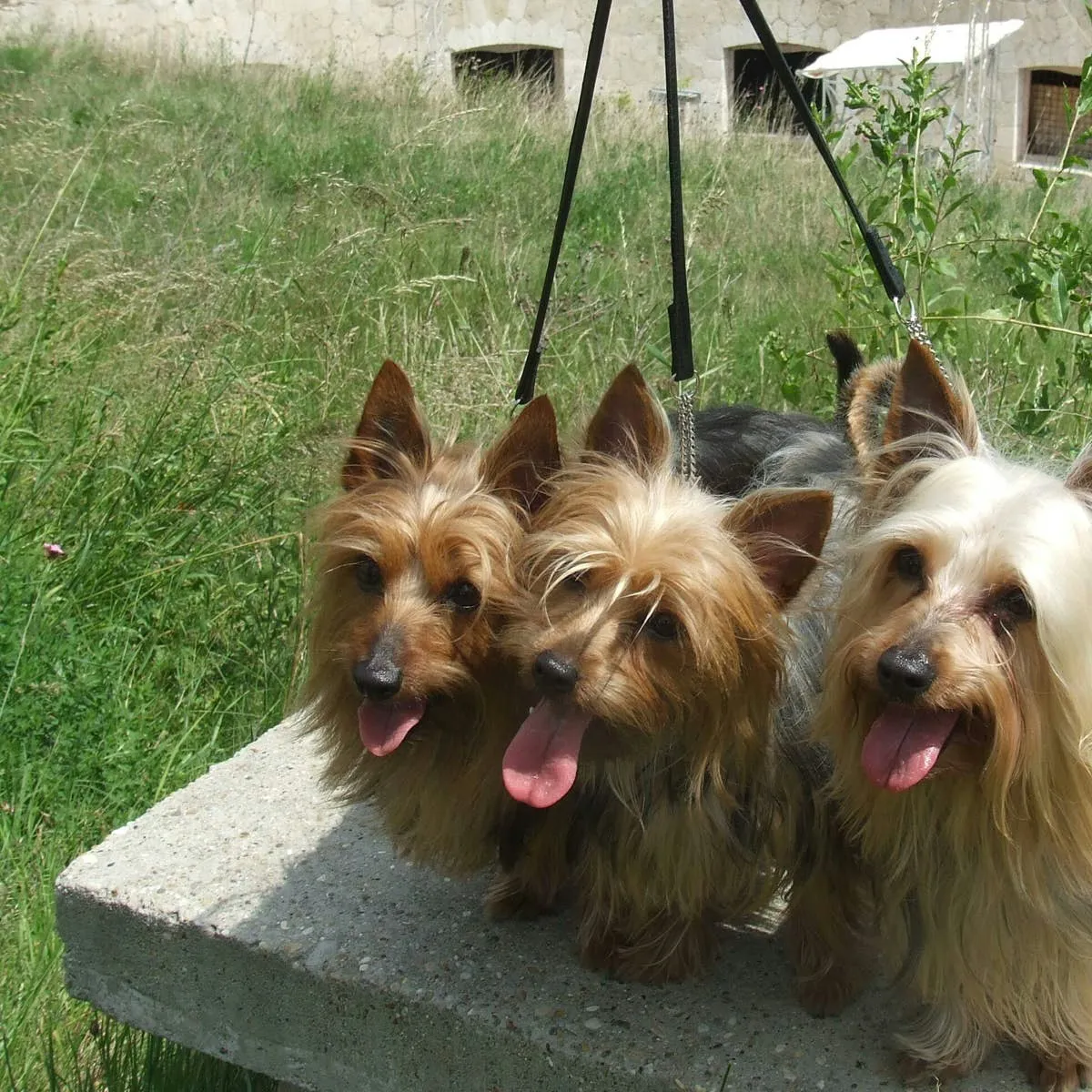
The Australian Silky Terrier is a refined toy dog recognized for its long, fine, silky coat. Developed in Australia, this breed shares ancestry with the Yorkshire Terrier and the Australian Terrier. In its homeland, it goes by the name Australian Silky Terrier.
What makes this breed stand out is the silky texture of its fur, which lies flat and gleams. This gives the dog a polished look. Even though it is small, it has a spirited and confident nature.
The Silky Terrier can be a devoted pet for the right owner. In the following sections, you will find out what this dog is like. Then you can judge whether it suits your lifestyle.
Where the Silky Terrier Came From
The breed originated in Australia during the early 1900s. Yorkshire Terriers and Australian Terriers were crossed to produce the Silky as we know it today. While most Australian breeds were developed for work, the Silky was intended as a companion animal. It is not clear whether the silky coat was deliberately selected, but it became the breed's defining feature.
In 1955, the dog was officially named the Australian Silky Terrier. The Australian National Kennel Council recognized the breed in 1958, and the American Kennel Club followed in 1959.
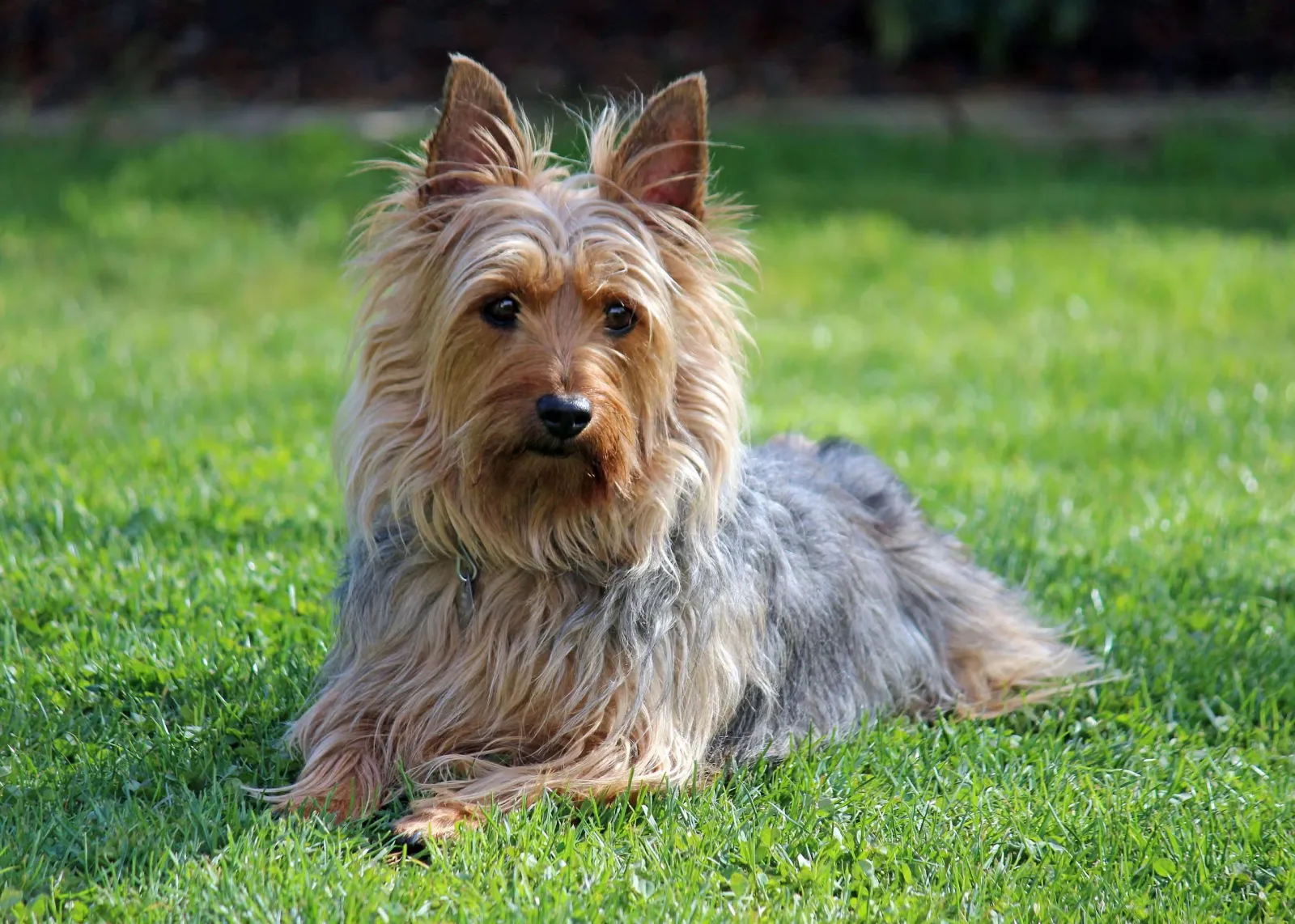
This breed is famous for its silky coat.
Island Silks, CC-BY-2.0, via Wikimedia Commons
Physical Traits and Temperament
This toy breed has a look all its own. Below are some main physical features.
- Size: Stands about 10 inches tall and weighs around 10 pounds.
- Head: A wedge-shaped head with small, almond-shaped eyes; the fur on the head is parted down the middle.
- Coat: The long, silky coat hangs straight down and comes in blue and tan.
Personality
- Intelligent: Curious and smart, eager to please.
- Confident: Bold and independent with a self-assured attitude, unlike shyer toy breeds.
- Alert: Watchful and attentive, makes a good watchdog and will bark at perceived threats.
- Affectionate: Loving toward owners, playful, and enjoys family time.
- Energetic: Moderate energy; needs regular exercise and play to avoid boredom.
- Adaptable: Fits various living situations, including apartments, and handles routine changes well.
Health and Grooming
The Silky Terrier is usually healthy, but there are some conditions to keep an eye on.
Common Health Issues
- Patellar luxation: Dislocation of the kneecap, more frequent in small breeds.
- Tracheal collapse: A delicate windpipe means a harness is safer than a collar for walks.
- Dental problems: Small breeds can have dental issues; regular dental care helps prevent them.
- Legg-Calvé-Perthes disease: A degenerative hip joint condition that requires surgery; contact your vet if your Silky limps or has hind leg problems.
Grooming Advice
- Brushing: Brush at least twice a week to prevent mats and tangles.
- Bathing: Use a gentle shampoo every four to six weeks.
- Ear cleaning: Clean ears often to help prevent infections.
- Nail trimming: Trim nails monthly to avoid walking problems.
Exercise Needs
As a terrier, the Silky requires more activity than many toy breeds. A daily walk is beneficial, along with play sessions with toys. Play can happen indoors; fetch inside the house is fine.
Feeding Guidelines
- Quality food: Feed high-quality dog food made for small breeds.
- Portion control: Avoid overfeeding and do not leave food out all day.
- Consistent schedule: Keep feeding times regular to help metabolism.
- Water: Provide constant access to fresh drinking water.
Training and Socialization
Proper training takes time and effort. Here are some tips.
- Start early: Begin when your dog is a puppy to help them become well-adjusted adults.
- Positive reinforcement: Use treats and rewards to motivate desired behaviors.
- Be consistent: Use consistent commands so your pet understands what is expected.
- Socialization: Expose your Silky to different people, places, and situations to reduce fear.
- Patience: The breed is known for stubbornness, so be patient and teach new tricks to keep them mentally engaged.
The Silky Terrier is a toy breed full of curiosity and spirit. Although bred as a companion, it retains strong terrier traits. It is watchful and protective, yet affectionate and can be fine with strangers. The Silky adapts well to many homes, including apartments.
This dog can be stubborn and needs plenty of attention and moderate exercise. If you can meet those needs, it can be a wonderful companion. The breed may be a bit high maintenance, but it is very loyal.
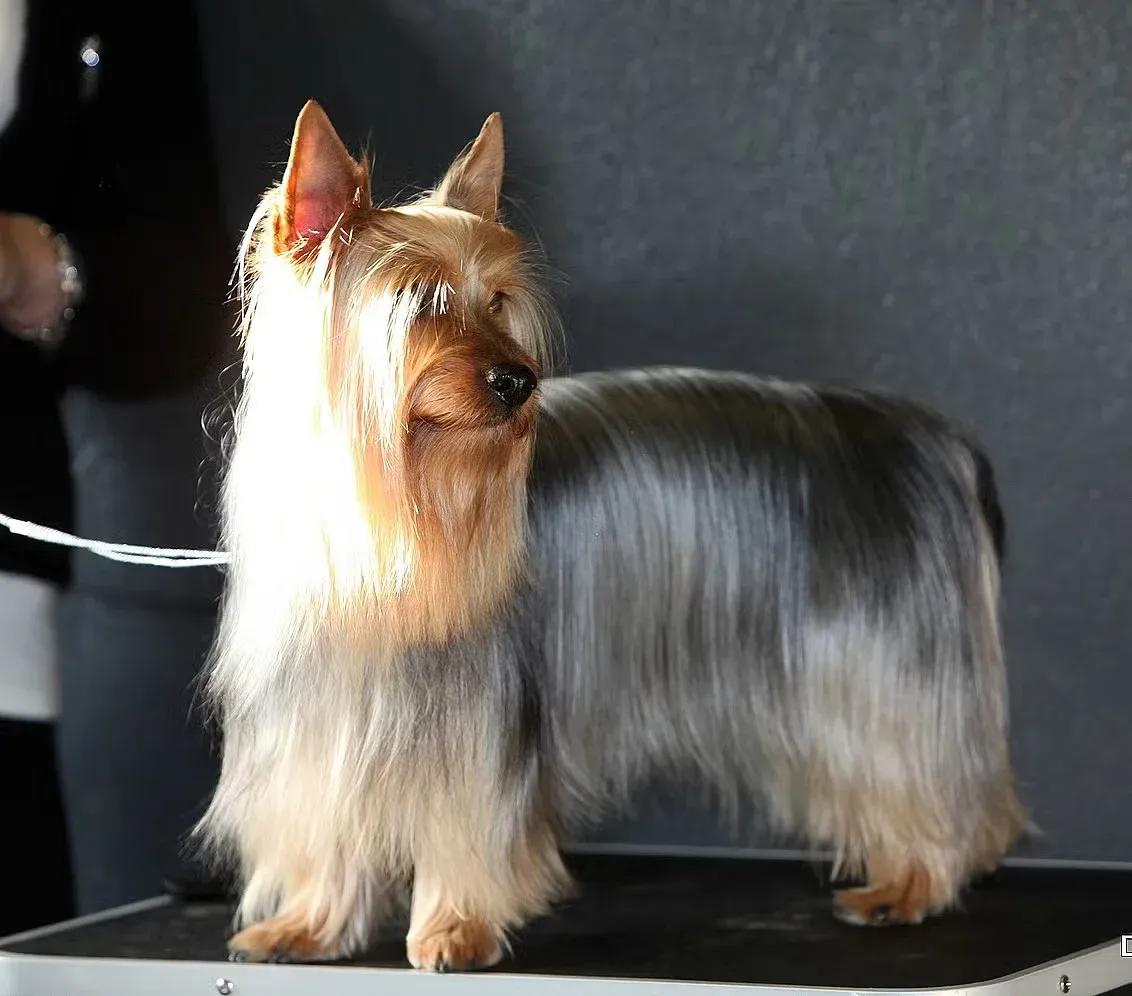
The Silky Terrier can be an affectionate companion.
Dagur Brynjólfsson, CC-BY-SA-2.0, via Wikimedia Commons
Frequently Asked Questions
Here are answers to some common questions about this breed.
Are Silky Terriers hypoallergenic?
They shed little, so they may suit people with allergies. However, no breed is truly hypoallergenic.
How often should I groom my Silky Terrier?
Brush twice a week and trim nails once a month.
Are Silky Terriers good with kids?
They are playful and social, so they generally do well with children. Introduce them slowly to see how they interact.
Are Silky Terriers difficult to train?
They can be stubborn and independent. Early training and socialization can help prevent behavioral issues.
Do Silky Terriers require much exercise?
Even though they are indoor pets, they need daily exercise. A walk or playtime is usually enough.
Sources
- American Kennel Club
- Hill’s Pet
- DogTime
- The Spruce Pets
- A-Z Animals