Shih Tzu Dogs: A Complete Handbook for Owners and Admirers
Rowan Williams
Getting to Know the Shih Tzu
Often referred to as the “Lion Dog,” the Shih Tzu is a charming and elegant breed with a delightful personality. Their history stretches back to ancient China, and for centuries these small but spirited dogs have won over dog lovers.
Among canines, Shih Tzus stand out for their unique look, flowing coat, and sweet nature. As we’ll explore, they also rank among the most friendly and affectionate breeds, making them excellent companions for families and individuals alike.
This article offers a detailed guide to owning or adopting a Shih Tzu. It covers their physical traits, personality, and basic needs, along with an overview of grooming requirements and major health concerns. Ready to learn more about this adorable breed? Let’s begin!
In This Article
- Shih Tzu Breed Characteristics
- Caring for Your Shih Tzu
- Health Concerns
- Training and Socialization
- Final Thoughts
- FAQ

The Shih Tzu is renowned for their unique physical characteristics and temperament. In this next section, we’ll discuss some of the dog’s most common traits.
Photo by Jose Manuel Gelpi; Canva
Shih Tzu Breed Characteristics
The Shih Tzu is one of the world’s most unique and cherished dog breeds. In this section, we’ll examine their physical characteristics, temperament, and general traits. We’ll also look at specific AKC standards for this breed. Is the Shih Tzu right for your home? Let’s find out!
Physical Appearance and Characteristics
Like many dogs, the American Kennel Club (AKC) has established specific standards for this breed. These were created so that breeders would maintain the dog’s unique characteristics. They include the following:
- Size/Build: According to American Kennel Club (AKC) standards, Shih Tzus are a small and compact breed that stand approximately 9–10.5 inches at the shoulder. At maturity, most of these dogs weigh between 9 and 16 pounds. Despite their tiny stature, they are remarkably proportionate in regard to shape/size.
- Head/Skull: Regarding their overall head shape, most Shih Tzus possess a round, broad-like skull highlighted by a short, square-like muzzle.
- Eyes: The eyes of this particular breed are usually large and well-rounded. They are generally spaced well apart and tend to be extremely dark.
- Ears: This breed generally has large ears just below the crown of its skull. They should also be heavily coated.
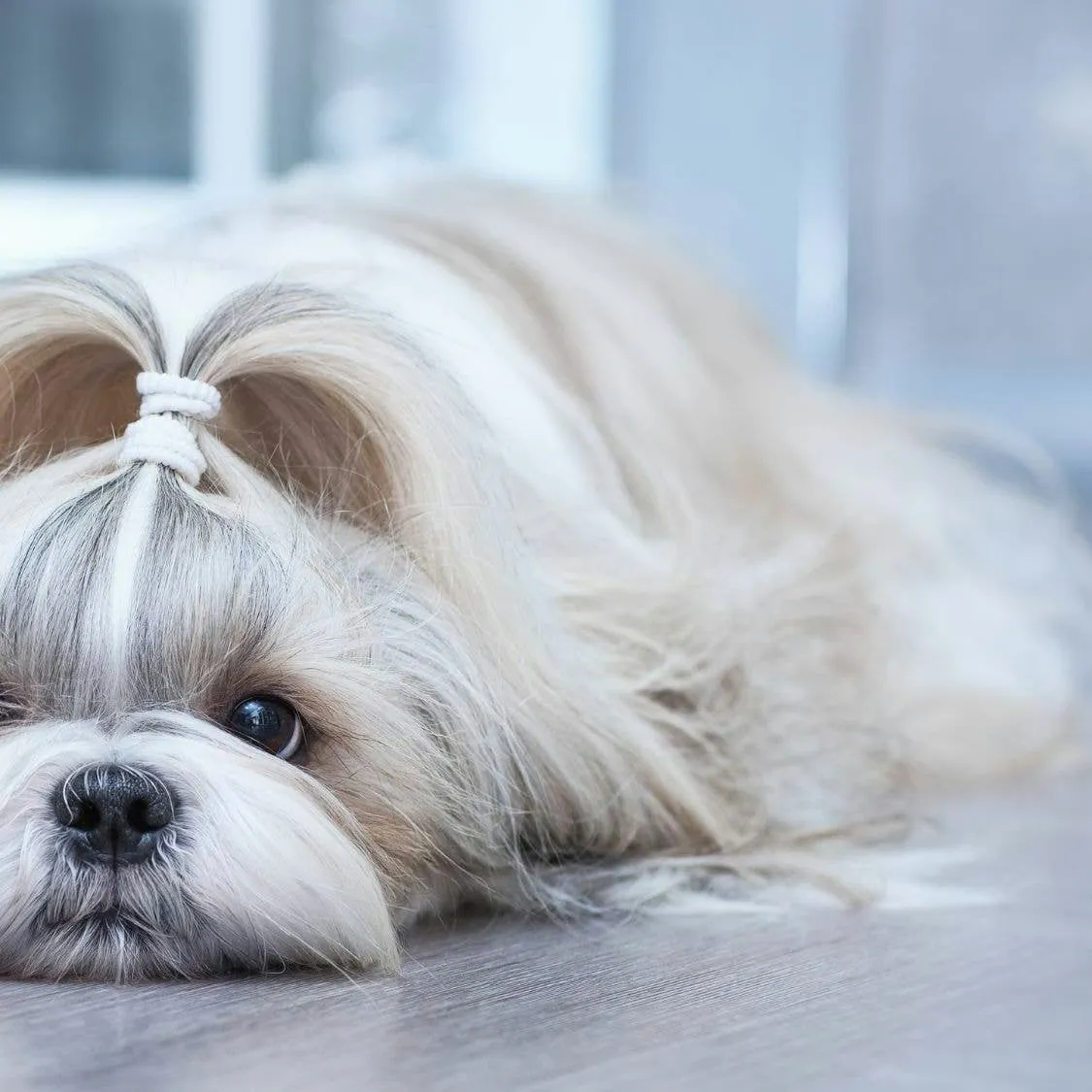
- Coat: Aside from their small size, the Shih Tzu is renowned for their luxurious double coat, which comes in several colors. These include gold, black, white, liver, and more. In general, their coat is long, flowing, and straight. As we will see later, it also requires regular brushing on a weekly basis.
- Tail: Their tail is plume-like and carried over the back.
- Gait: This breed is renowned for their straight, smooth, and flowing gait. When walking, they should demonstrate an almost effortless movement.
Temperament and Personality Traits
Shih Tzus are renowned for their charming and affectionate personalities. They are very friendly, outgoing, and playful, making them excellent companions for families and single adults (Coile, 249). As with many toy breeds, these dogs thrive on human companionship and are known for their steadfast loyalty and devotion to their owners.
For the most part, Shih Tzus are quite gentle and get along well with children and other pets (as long as they are properly socialized). While they can be lively and free-spirited, they also enjoy lounging and snuggling close to their loved ones. Their sweet and endearing nature makes them a highly sought-after breed for those desiring a loving and loyal canine companion.
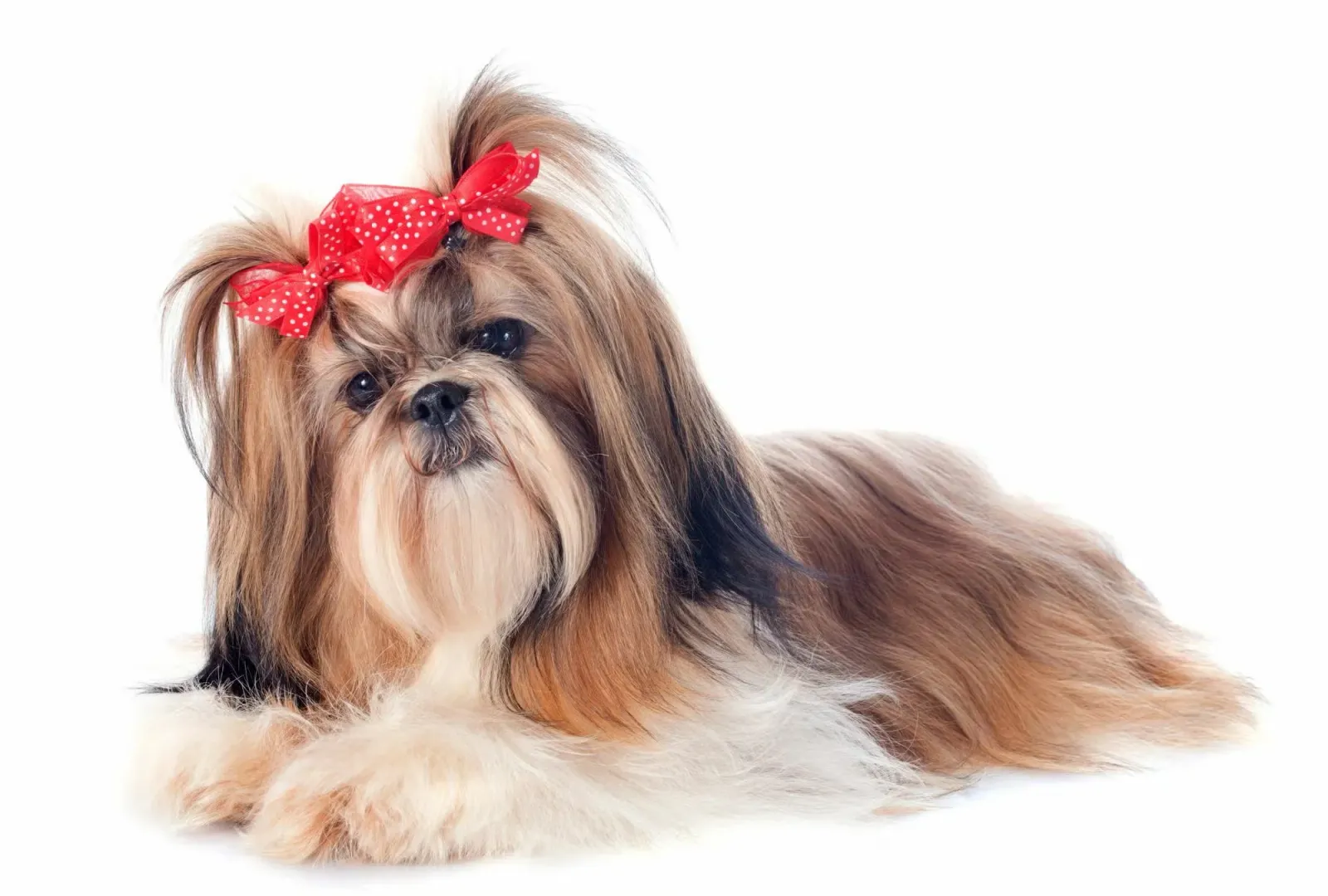
Like many of the toy breeds, the Shih Tzu requires a lot of attention from their owners.
Photo by cynoclub from Getty Images; Canva
Caring for Your Shih Tzu
Now that we understand the Shih Tzu’s physical traits and temperament, we can focus our attention on their basic needs. In the sections that follow, we will examine the dog’s nutritional needs and exercise requirements. We will also look at some basic grooming tips.
Diet and Nutrition
Like many dogs, a well-balanced diet is crucial for the Shih Tzu. In general, owners should always choose high-quality dog food that provides the right balance of protein, carbohydrates, and fats. Protein sources like chicken, turkey, or fish are ideal for muscle maintenance. Just be sure to avoid overfeeding your pet, as Shih Tzus love to eat and are prone to obesity.
To prevent excessive weight gain, owners should monitor portion sizes and provide fresh water at all times. When in doubt about feeding requirements, consult a veterinarian for personalized feeding recommendations.
Exercise Requirements
Because of their small size, Shih Tzus only need moderate exercise. Most experts agree that approximately 30–60 minutes of exercise is sufficient for this particular breed. This can include short walks and one-on-one playtime. Just be cautious when taking your pet outdoors in extreme heat or cold. Because of their flat faces, these conditions can make breathing difficult for them.
Mental stimulation is also important for this breed, so make sure you provide them with puzzle toys and interactive games to keep their minds engaged. While they don’t require intense exercise, regular play and short walks are essential to keeping your Shih Tzu healthy and happy.
Did You Know?
Little is known about the Shih Tzu’s origins. Nevertheless, many experts believe the dog was developed through the selective breeding of Lhasa Apsos, Pekingese, and Pugs.
Grooming Needs
In addition to proper nutrition and exercise, owners must pay close attention to their dog’s grooming needs. As a long-haired breed, the Shih Tzu requires a great deal of brushing each week to look (and feel) their very best. Owners will also need to monitor their dog’s ears, nails, eyes, and teeth. Here are some specific guidelines to help get you started:
- Daily Brushing: In general, owners must brush their Shih Tzu’s long, flowing coat daily. This helps to prevent mats and tangles from forming. For these reasons, many owners opt for professional grooming every 4–6 weeks to ensure their dog’s coat is trimmed and shaped appropriately.
- Bathing: Unlike other dogs, most experts agree that this breed should receive frequent baths. On average, owners should bathe their Shih Tzu every 3–4 weeks to maintain their overall coats. Be sure to utilize a dog-specific shampoo for this routine.
- Eye Care: Due to their longer hair, owners must keep their dog’s facial hair clear of the eyes. This helps prevent irritation and infections. Some individuals find it helpful to put their Shih Tzu’s bangs in a bow to keep them in place.
- Ear Cleaning: In addition to regular baths, owners should inspect (and clean) their dogs’ ears regularly. During the inspection process, look for signs of excessive earwax, dirt, and debris. If discovered, promptly remove these substances. Failure to do so can eventually result in sores or infections in your dog’s ear canal.
- Nail Trimming: In addition to regularly cleaning your dog’s ears, you should also plan to trim your Shih Tzu’s nails every few weeks. When doing so, ensure they are well-rounded with no jagged edges or visible cracks. Failure to trim your pet’s nails can (and will) result in serious injury to their feet over time. Fortunately, nail trimming is a relatively simple procedure that can be performed in the comfort of your own home. Just be sure to utilize a dog-specific trimmer or grinder.
- Dental Care: Finally, one of the most important aspects of grooming involves dental care. Owners should plan to brush their dog’s teeth several times a week to remove tartar buildup, food particles, and other debris. Failure to keep your pet’s mouth clean will eventually result in the development of bad breath, tooth decay, gingivitis, and cavities. These conditions are extremely painful (and debilitating) for your dog.
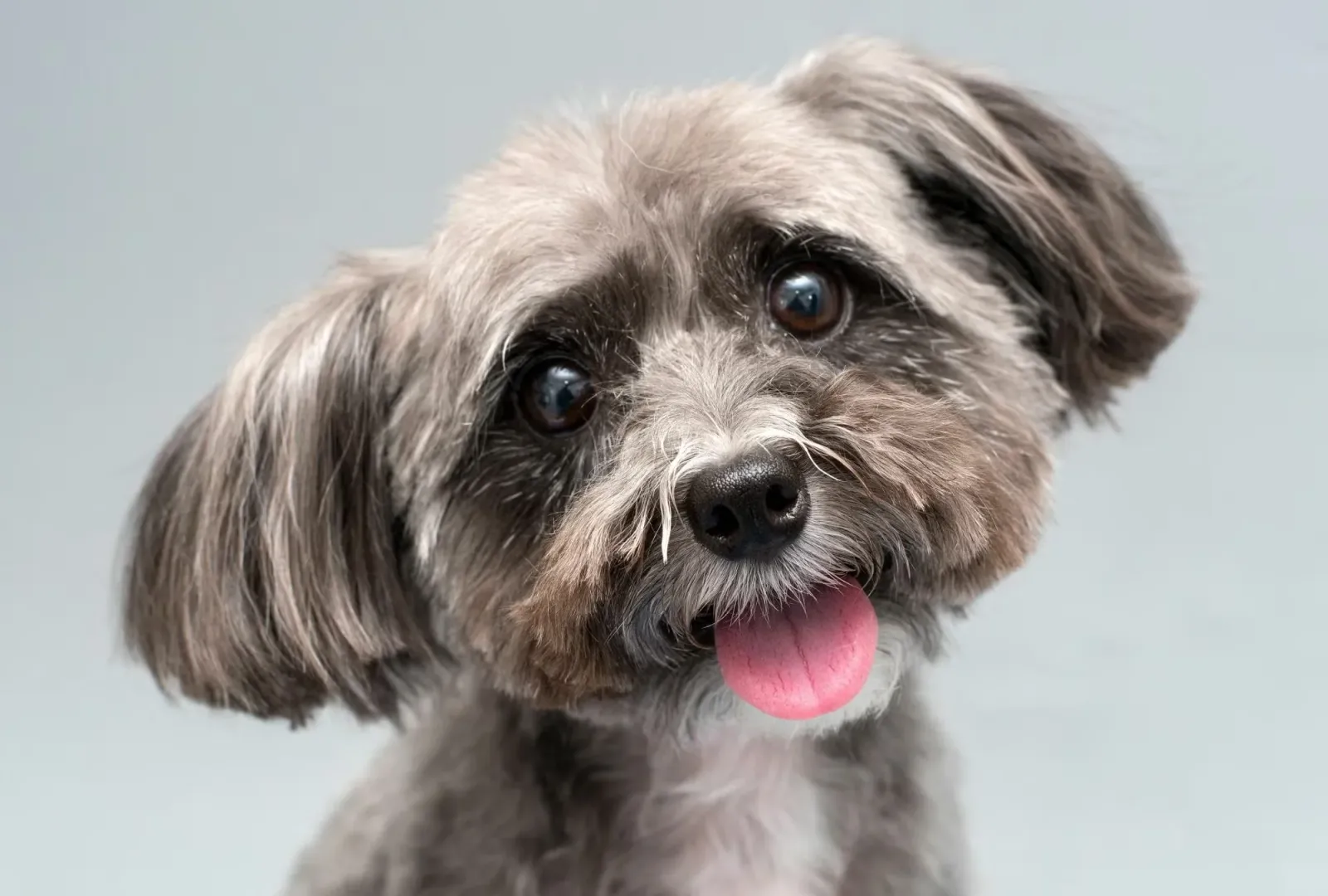
Unfortunately, the Shih Tzu is prone to several health conditions in their lifetime. Here are some of the more common ones that affect this breed.
Photo by enduro from Getty Images; Canva
Health Concerns
Although the Shih Tzu is considered a relatively healthy breed, they are susceptible to several health conditions throughout their lifetime. As we will see below, some are more serious than others. Here are some of the most common issues for this particular breed:
- Brachycephalic Syndrome: This refers to a group of upper airway abnormalities that are common with flat-faced dogs (like the Pug). Some of the most common include stenotic nares and elongated soft palates.
- Eye Issues: As a large-eyed breed, the Shih Tzu is highly susceptible to cataracts, retinal detachment, and corneal ulcers. If left untreated, these conditions can cause vision loss over time.
- Hip Dysplasia: Like many breeds, the Shih Tzu can develop hip dysplasia, a genetic condition in which the hip joint doesn’t develop correctly. This can lead to arthritis and lameness, resulting in mobility issues for your pet over time. In extreme cases, surgery may be required.
- Patellar Luxation: This refers to an abnormally shallow groove in the knee. Over time, this condition can cause the knee cap (patella) to slip out of place, causing lameness. It is extremely common in smaller breeds.
- Allergies: Some dogs may develop allergies throughout their lives. These can manifest as skin problems or digestive issues. If suspected, contact your pet’s veterinarian right away.
- Ear Infections: Another issue that afflicts this breed is ear infections. This is due, in part, to their floppy ears. Over time, they can trap moisture, leading to infections of the ear canal.
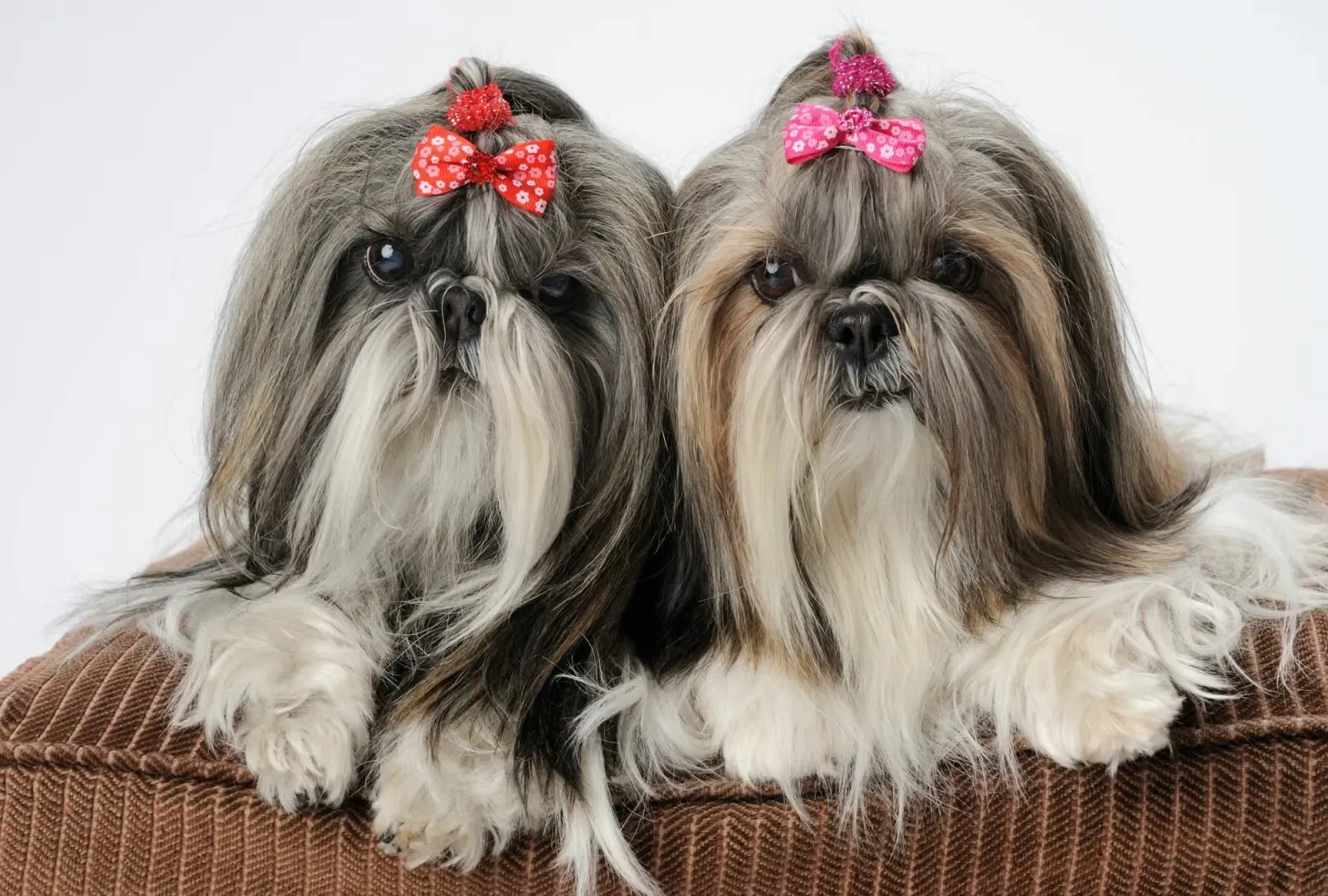
Like many dog breeds, training and early socialization are essential for the Shih Tzu’s growth and development.
Photo by gnagel from Getty Images; Canva
Training and Socialization
In this final section, we will examine the Shih Tzu’s specific training needs, some practical tips for training your pet, and the importance of early socialization. As we will see below, proper training is vital to this breed’s growth and development.
How to Train a Shih Tzu
Training a Shih Tzu requires patience and positive reinforcement. Begin early with basic commands like “sit,” “stay,” and “come.” Also, be sure to keep training sessions short and enjoyable to maintain your dog’s interest (as they can become easily distracted).
Like many dogs, the Shih Tzu often responds well to treats, praise, and affection from their owners. This can be a handy tool when training. Above all else, though, be consistent with your training regimens, as Shih Tzus can be independent thinkers. With kindness and persistence, these dogs can become well-behaved, obedient companions.
Why Is Early Socialization Important for Dogs?
Early socialization is crucial for your dog’s growth and development. For best results, begin early (during their puppy stage) by exposing them to various people, animals, sounds, and environments. During this time, arrange playdates with other well-behaved dogs and spend considerable time at parks and dog-friendly spaces. Owners should also encourage positive interactions with strangers, rewarding calm behavior with treats and praise.
By exposing your dog to new experiences, sounds, and people, you can help them develop a friendly and relaxed demeanor. Although this process is long and tedious, it’s the best way to ensure your pet becomes a well-rounded and sociable companion.
Final Thoughts
In conclusion, the Shih Tzu, with their unique appearance and affectionate personality, is a beloved companion for many dog lovers worldwide. Their charming personality, luxurious coat, and loyal nature make them a wonderful addition to nearly any family or home.
As many owners will tell you, these small dogs bring immense joy to the lives of their human companions. By providing them with proper care and training, you can ensure that your Shih Tzu becomes a cherished member of your household for years to come. I hope this article has been helpful and informative. Thanks for reading!
FAQ
What is the average lifespan of a Shih Tzu?
With proper love and care, most Shih Tzus are capable of living upwards of 10–16 years. However, it’s important to note that some live several years beyond this range.
How often should I groom my Shih Tzu?
As a long-haired breed, the Shih Tzu requires regular grooming. Owners should brush their dogs daily to prevent tangles and matting (Coile, 249). Given the luxurious quality of their coat, it’s also suggested that you take your pet to a professional groomer every 6–8 weeks.
Are Shih Tzus good with children and other pets?
Yes! As an outgoing and energetic breed, the Shih Tzu is renowned for their family-friendly nature. When properly socialized, they are quite gentle, making them great companions for families with children and other pets.
What are common health issues in Shih Tzus?
Unfortunately, this breed is susceptible to several health conditions in their lifetime. These include cataracts, hip dysplasia, patellar luxation, brachycephalic syndrome, and various allergies. They are also prone to obesity, so be sure to monitor your dog’s food intake closely.
Sources
- American Kennel Club. “Shih Tzu.” AKC: Dog Breeds. Accessed: 7 October 2023. Web.
- Coile, Caroline. “Shih Tzu.” 10 August 2023. Encyclopedia Britannica. Accessed: 7 October 2023. Web.
- Dog Breed Info. “The Purebred Shih Tzu.” Accessed: 6 October 2023. Web.
- DogTime. “Shih Tzu.” Accessed: 5 October 2023. Web.
- Giorgio, Katie. “Shih Tzu.” 12 March 2021. DailyPaws. Accessed: 7 October 2023. Web.
- Grzyb, Katie. “Shih Tzu.” 6 December 2022. PetMD. Accessed: 5 October 2023. Web.
- Hill’s Pet. “Shih Tzu Dog Breed: Information and Personality Traits.” Accessed: 5 October 2023. Web.
- Stregowski, Jenna. “Shih Tzu: Dog Breed Characteristics & Care.” 6 October 2023. The Spruce Pets. Accessed: 7 October 2023. Web.
- Wikipedia. “Shih Tzu.” Wikipedia: The Free Encyclopedia. Accessed: 4 October 2023. Web.
This article is accurate and true to the best of the author’s knowledge. It is not meant to substitute for diagnosis, prognosis, treatment, prescription, or formal and individualized advice from a veterinary medical professional. Animals exhibiting signs and symptoms of distress should be seen by a veterinarian immediately.
© 2023 Gabe English