Considering a Labradoodle? Here's What to Expect
Charlie Ross
What Exactly Is a Labradoodle?
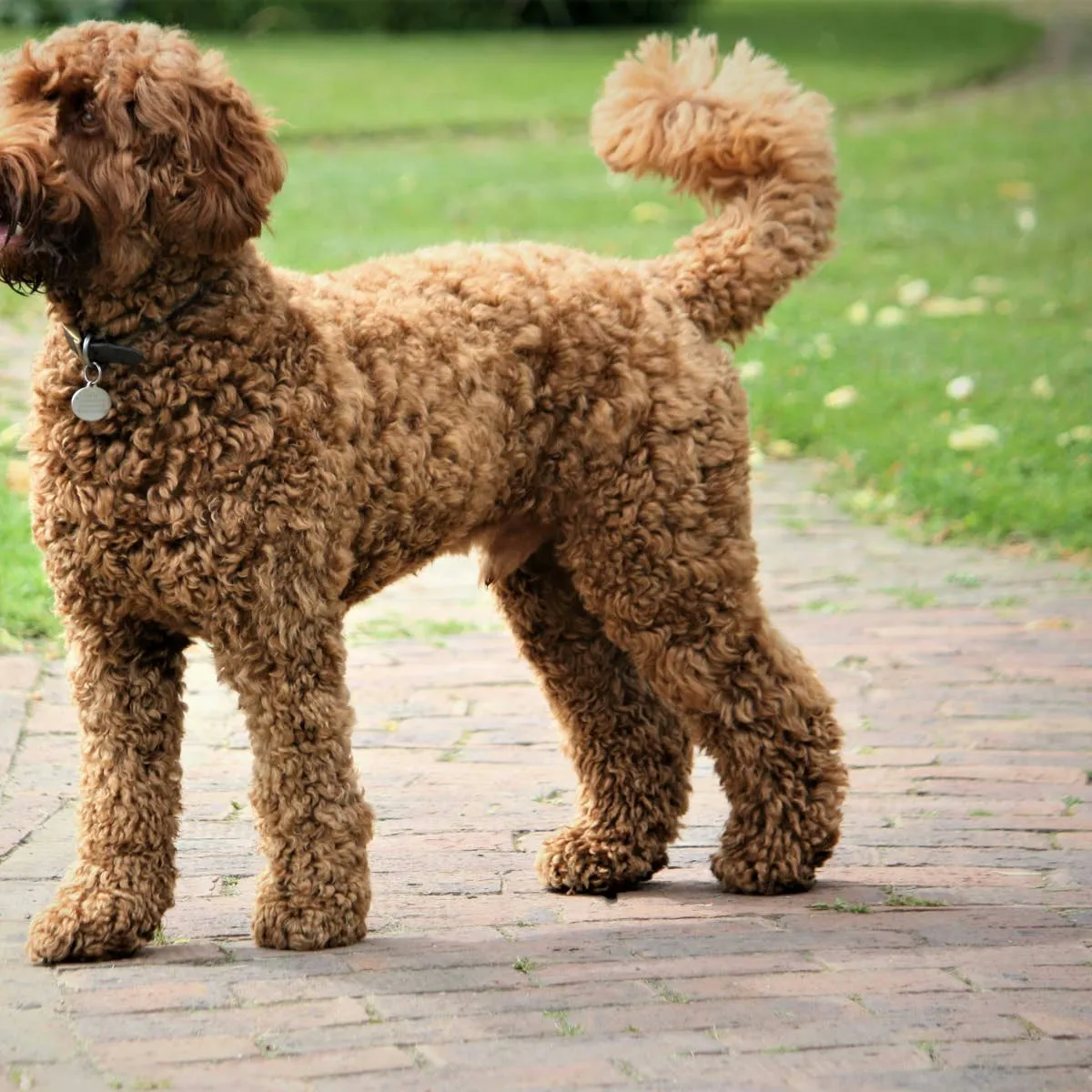
A Labradoodle comes from breeding a Labrador Retriever with a Poodle.
There are various types. In this piece, I'll talk about my own Labradoodle, which is a mix of a Miniature Poodle and a Labrador.
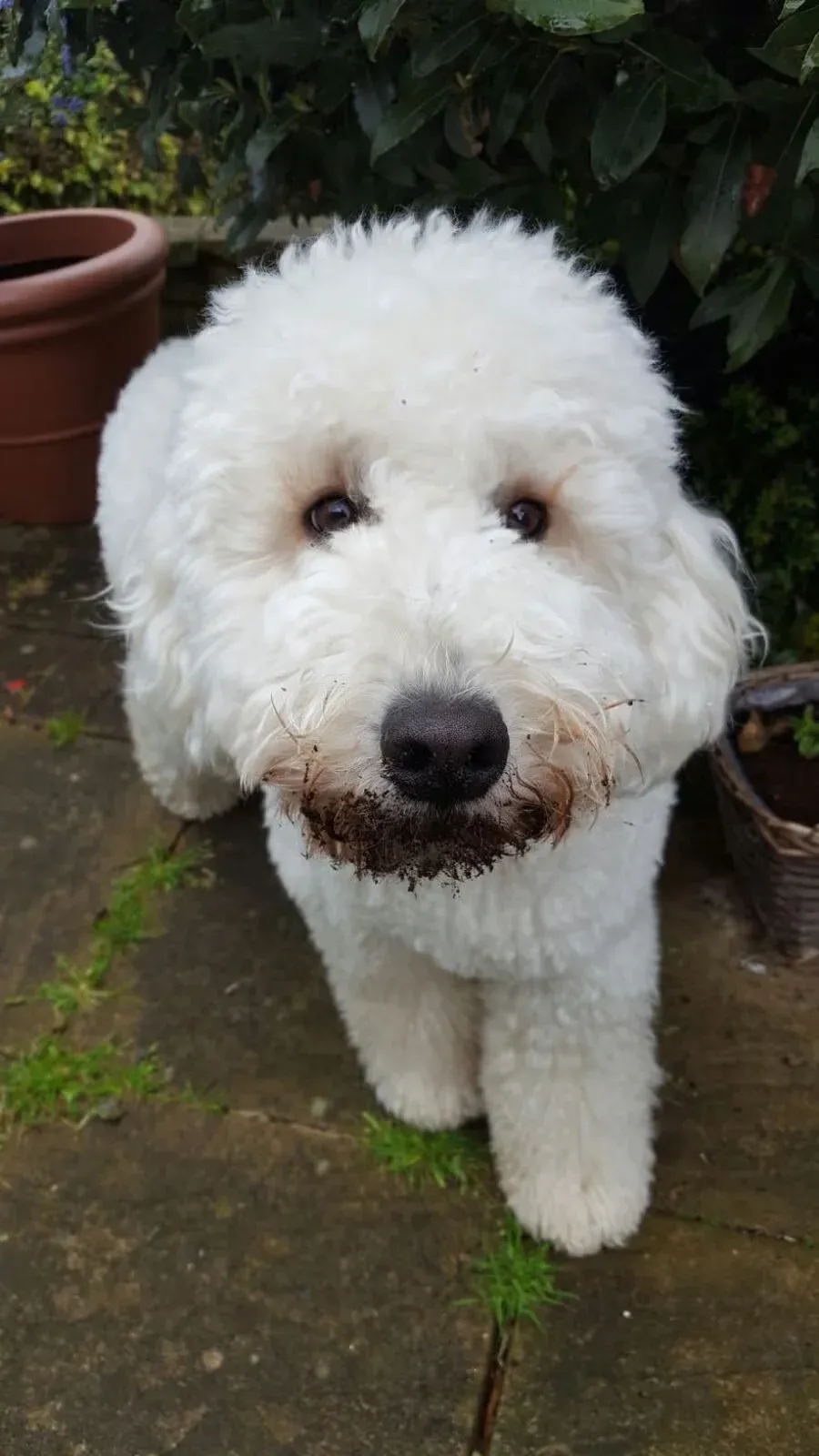
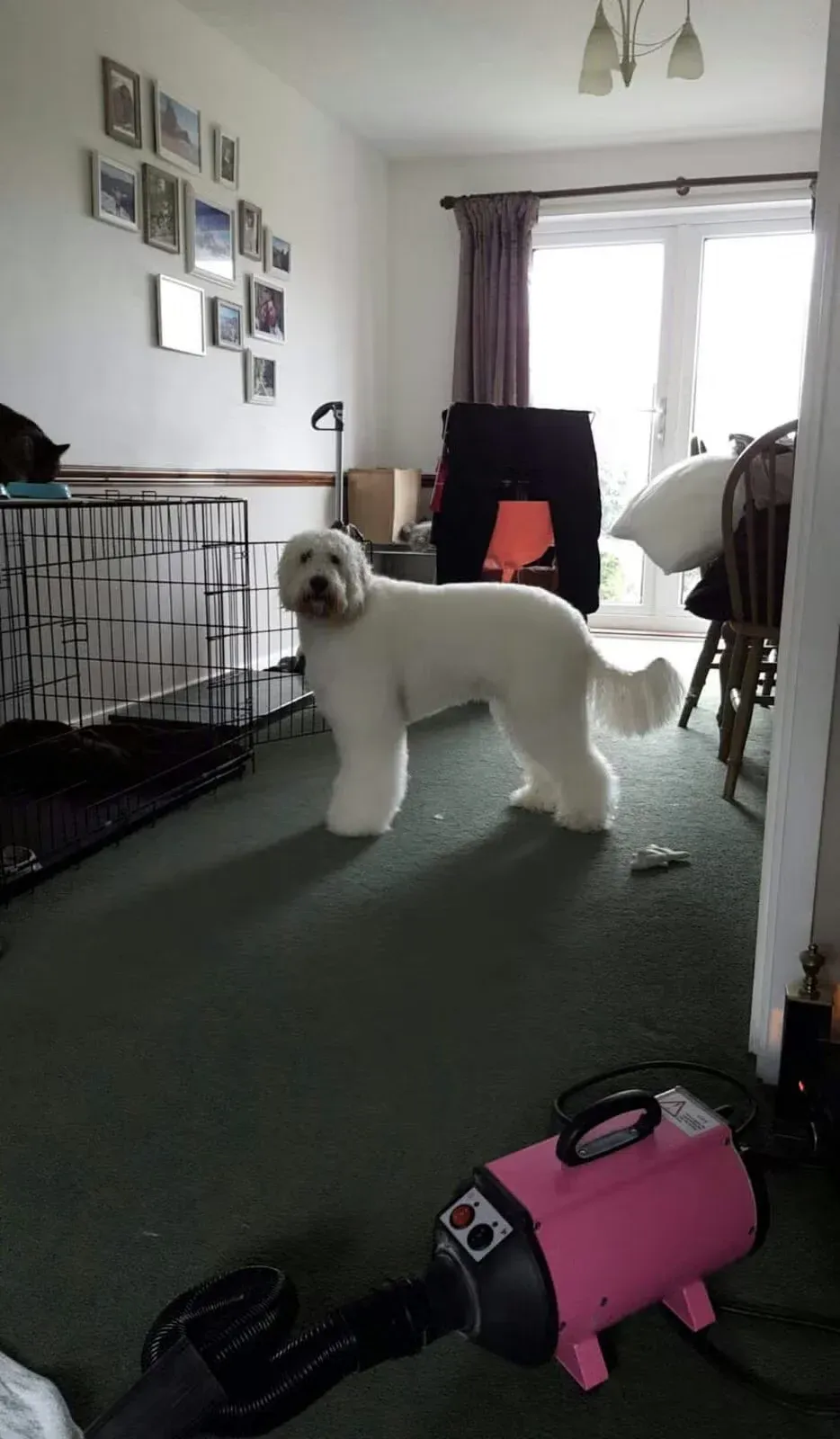
This is Sydney the Labradoodle.
Characteristics of a Labradoodle
Among family-friendly dog breeds, the Labradoodle stands out. It combines the Poodle's intelligence with the Labrador's affectionate retriever instincts in equal parts.
Generally, these dogs are very friendly with other dogs and people, including young kids. They are food-motivated and perpetually hungry, which makes training straightforward—they'll do anything for a treat, and once they learn that a specific behavior earns a treat, they pick it up quickly and remember it.
Teaching recall is simple, particularly if you start when they are puppies (between one and six months old).
I'm not certain if all Labradoodles are like this, but mine is incredibly mischievous. He's always poking his head where it doesn't belong, eating things he shouldn't, and checking out everything!
You might know the phrase 'he/she has the wind up his/her tail.' With Labradoodles, I call it the 'Doodle Dash.' Occasionally, our Labradoodle goes wild and races around the living room. This typically happens right before walk time and is very entertaining, though it's not kind to a leather sofa, as the video below shows!
Challenging Traits of a Labradoodle
- Chewing: Sadly, ours has started chewing on anything he can reach. Mail seldom arrives readable, my wife's Ugg boots are missing their soles, and our home is full of twigs and sticks that our Labradoodle has broken off garden bushes and brought inside (through the cat flap) to chew until they're a mushy mess ground into the carpet.
- Separation anxiety: These dogs are deeply attached to their owners. After setting up a camera in our living room to monitor him when we went out, we saw he would whine and howl for hours until we returned. It was heartbreaking to watch, and my wife now works from home as a self-employed person to keep him company. There are trainers and treatments to help ease this stress if a pet shows such behavior, but we found them ineffective, so we've had to adjust our daily routines. If you're considering this breed, be aware of this and try not to leave them alone for long stretches if you can.
- Grooming: These dogs need regular grooming and brushing. They have lovely coats, but if you want a low-maintenance coat, this isn't the dog for you.
- Labradoodles can be a bit 'licky': Ours tends to lick every visitor, even the cats when they come in from the garden. Sometimes this affection is unwanted, especially if your guests aren't fans of dog kisses!
Wet head, dry body!
Positive Traits of a Labradoodle
- Low shedding: Thanks to the Poodle heritage, most Labradoodles don't shed much. After the puppy coat is replaced by the adult coat, these dogs hardly shed at all.
- Companionship: Labradoodles are very loyal and full of life. They think their owners are the greatest thing ever, and their loving nature shows their unwavering loyalty.
- Retriever instincts: If you want a dog that enjoys fetch, the Labradoodle is one of the top choices.
- Water loving: Labradoodles adore water (likely from the Poodle's water dog traits), so bath time is a breeze.
- Great with other pets: We have four cats and a Cavalier King Charles Spaniel, and they all get along well with our Labradoodle. They are a very tolerant breed and can live happily with other pets, unlike many terrier breeds.
Sources
- Considering a Labradoodle? Here's What to Expect — pethelpful