New to Bulldogs? Six Must-Have Supplies Before You Bring One Home
Charlie Ross

1. Cleansing Wipes
You might chuckle at the idea of wipes for a dog that doesn't wear makeup, but they're actually indispensable for keeping your Bulldog's facial folds and tail area clean—especially if your dog has a corkscrew tail. For young puppies, many breeders recommend plain baby wipes because they're so mild. There are also medicated wipes available that can help treat or prevent dermatitis. It's always best to consult your vet or breeder before choosing one.
Beyond wipes, there are creams, lotions, and sprays designed for Bulldog skin, but again, get professional advice first. Baby-safe shampoo is a common choice for bathing, and you should ask your vet how to clean your Bulldog's ears safely.
2. Plenty to Chew
Bulldog puppies are famous for chewing, and even adult Bulldogs enjoy a variety of chew toys. Look for tough, durable brands and treat-dispensing or puzzle toys, which are great for mental stimulation. Just make sure the treats are low in fat and healthy, because keeping a Bulldog at a healthy weight is crucial.
3. Vaseline or Nose Butter
Many Bulldogs develop dry, cracked noses if you don't apply a protective balm regularly. Just be careful not to put it inside the nostrils.
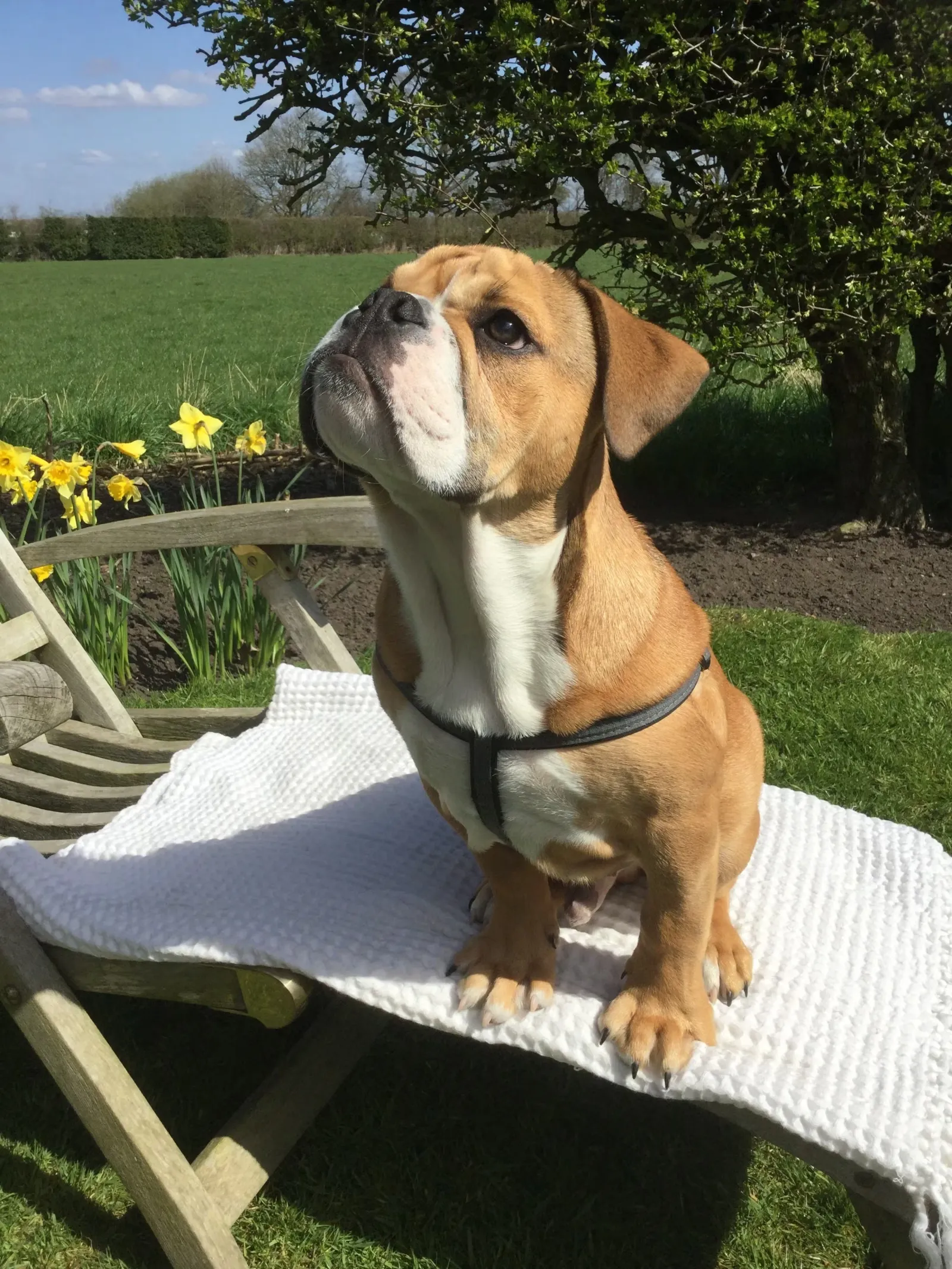
Be sure to keep your Bulldog’s nose moist!
4. A Harness
Because Bulldogs are a Brachycephalic (short-faced) breed, a harness is the best fit for their needs. A soft training collar on a puppy for early vet visits is usually fine, but using a collar on regular walks can be risky for their health. Also, the shape of a Bulldog's head and neck makes it very likely that they'll slip out of a collar.
Keep in mind that if your first Bulldog is a puppy, they'll need several harnesses as they grow. A pricey designer harness might look great, but it won't fit a 3-month-old for long. The key features are strength and comfort. Many large pet stores welcome dogs and even offer fitting services to help you find the right harness.
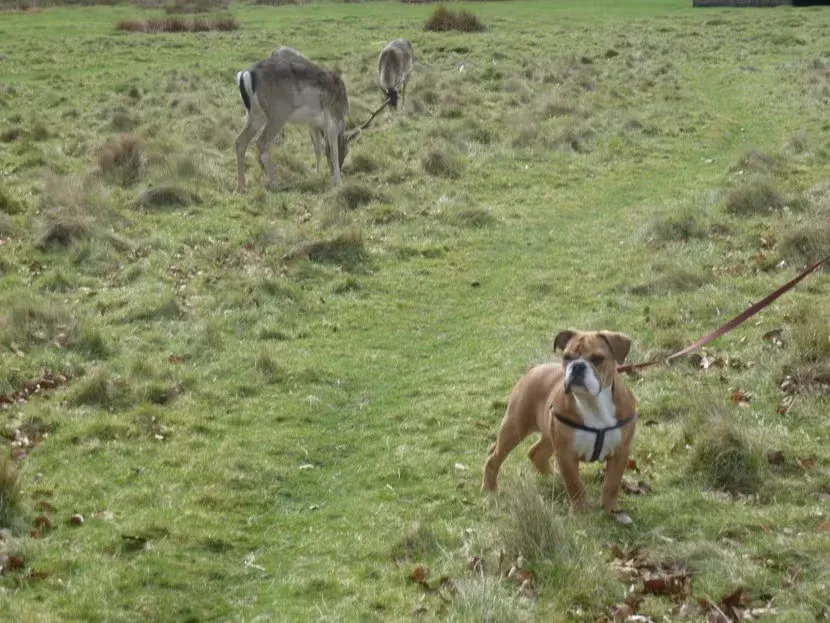
As a Brachycephalic (short-faced) breed, a harness best suits the need of the Bulldog.
5. A Good-Sized Dog Bed
When choosing a bed for a Bulldog, remember that they usually sleep stretched out to their full length. So buy a bed that's a bit larger than you might think—assuming you can get your Bulldog off the couch, that is.
Crates are also excellent, especially for puppies, as they provide a safe space while you do chores and offer a cozy, secure retreat. Just remember to remove collars, harnesses, and tags before putting a dog in a crate for safety.
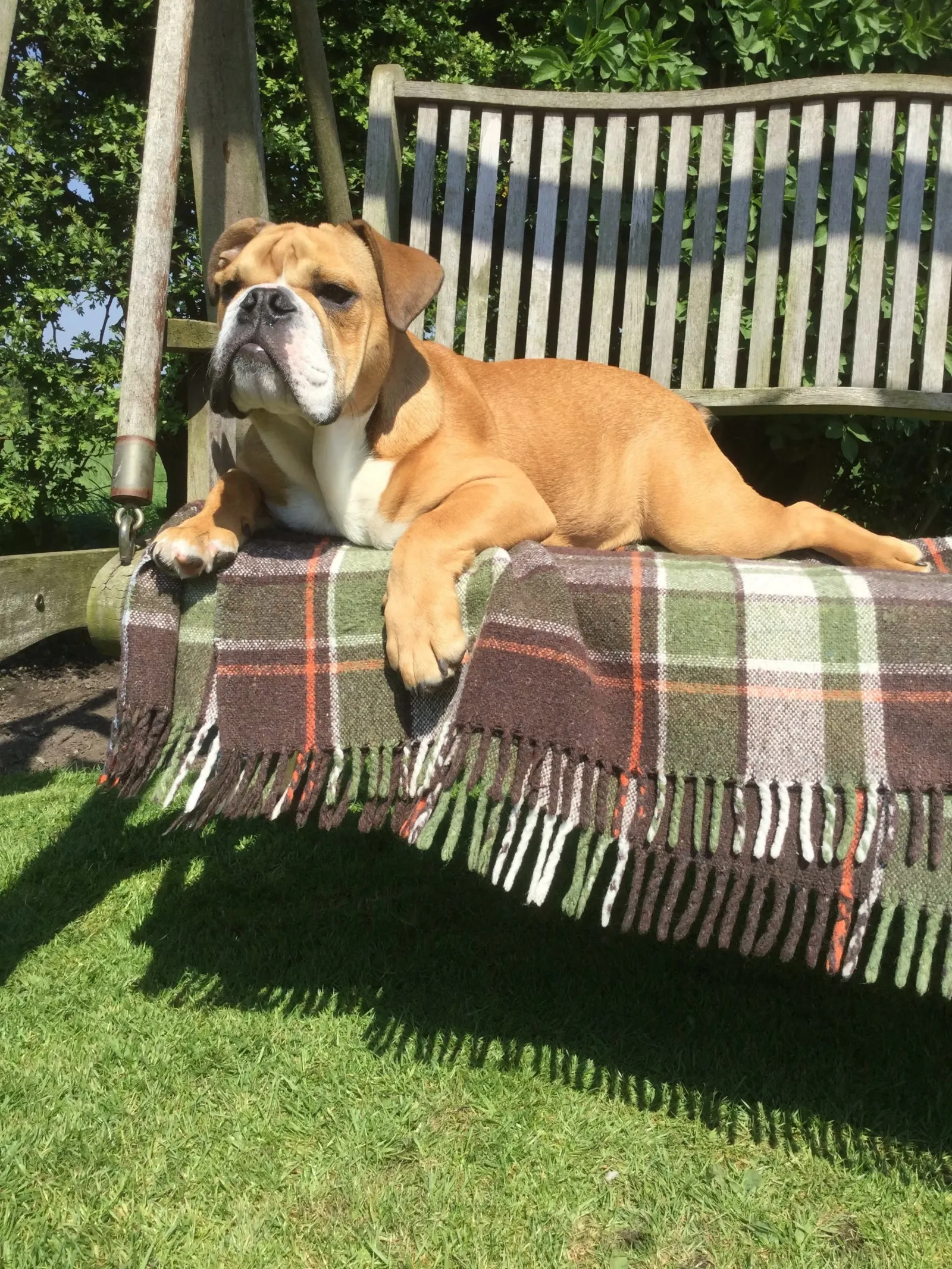
Bulldog diet is of great importance, and so premium pet food is a must-have for Bulldog owners.
6. High-Quality Food
Diet is critical for Bulldogs, so premium pet food is a must. Some major brands even make breed-specific formulas for Bulldog puppies and adults, available in most stores and online.
Choose food free from artificial ingredients, as these can upset a Bulldog's sensitive stomach and contribute to obesity. Puppies should be raised on Bulldog or large breed food to get the right calcium levels and help prevent growth issues and hip dysplasia. (Note: many Bulldogs are fed large breed formulas because although they're short, their weight falls into the large breed range; Bulldog-specific foods meet these requirements.)
Follow the feeding plan your breeder has already established for a puppy. Sudden changes in food are very dangerous, so if you decide to switch as they mature, do it very gradually. The same goes for an adult or rescue Bulldog—never change their diet abruptly.
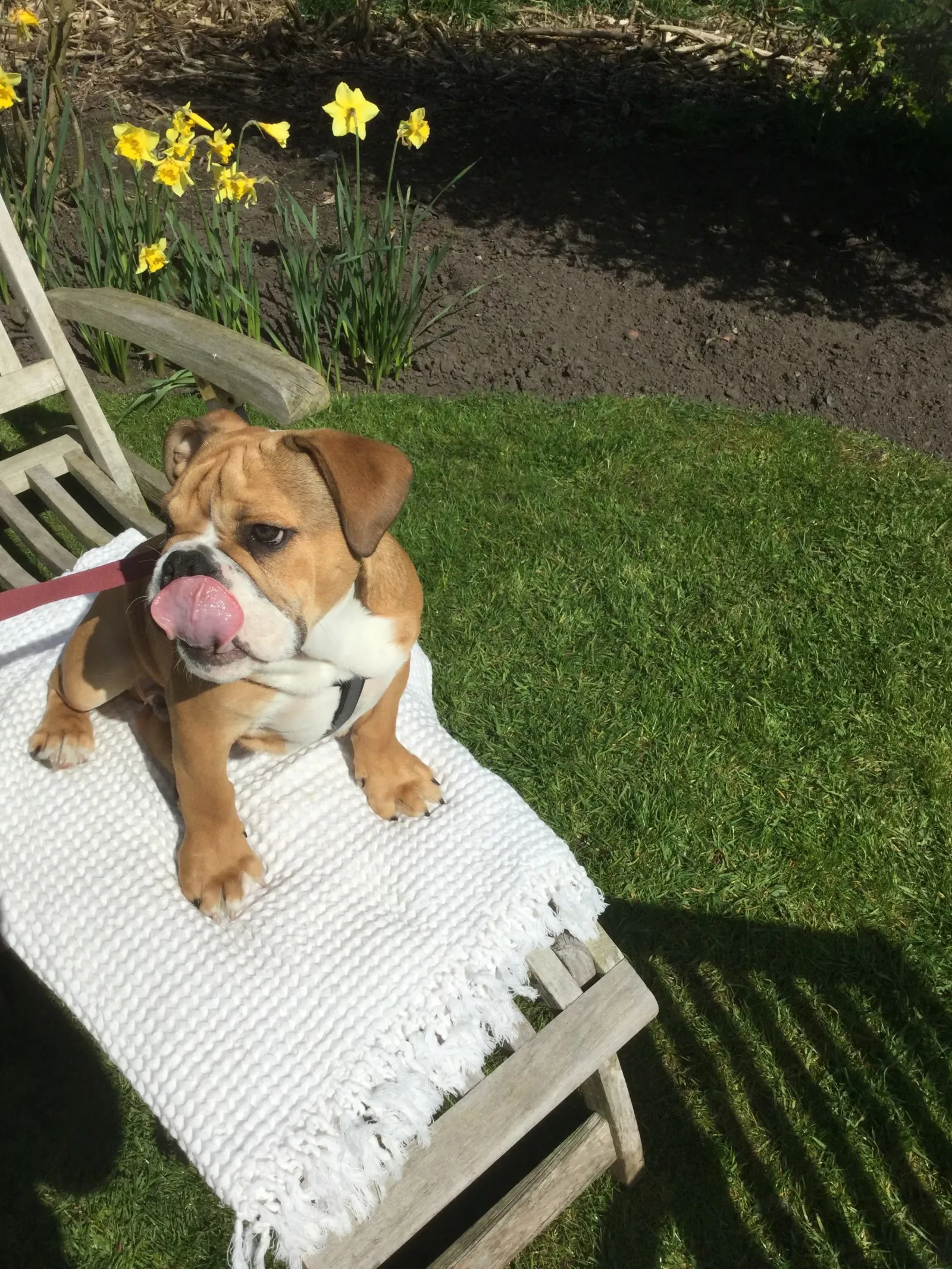
They are great, adorable dogs!
Do You Have One?
Thanks for reading! Bulldog owners, if there's anything important I've missed, please share it in the comments.